REVIEW · KATHMANDU
Kathmandu 2 days tour private car and guide, cover major highlights
Book on Viator →Operated by Himalaya Holiday service Pvt. Ltd.(HHS) · Bookable on Viator
Kathmandu can feel like a lot at first. This 2-day private car tour turns that swirl into clear, walkable stops at major UNESCO sites, including the living goddess at Kumari’s courtyard and the Bagmati River cremation rites at Pashupatinath. I like the practical pacing and the fact that you’re not forced into a rigid script: Day 1 is flexible, and the guide handles the sequence. One possible drawback: temple sites are active and very sacred, so the cremation area at Pashupatinath may feel intense if you’re sensitive to that kind of scene.
You’ll start at 9:45 am and move by private vehicle between clusters of sights, then end each day back at your hotel. I also like that this is truly a private tour (your group only), so you can ask questions and adjust how much time you want at each stop. Since monument entry fees aren’t included, you’ll want to budget a little extra for any paid sites along the way.
In This Review
- Key highlights you’ll care about
- Day 1’s UNESCO trio: Durbar Square, Monkey Temple, and Pashupatinath
- Getting the best from the route: Swayambhunath and time management
- Pashupatinath at the Bagmati River: spiritual meaning and real-life ritual
- Bouddhanath Stupa: Little Tibet vibes and a quieter shift
- Day 2: Patan Durbar Square and Bhaktapur Square in 5 to 7 hours
- Price and value: what $95 per person really buys you
- Who should book this tour (and who should think twice)
- How to make your guide’s stories actually useful
- Practical tips for temples, timing, and comfort
- Should you book this Kathmandu 2-day private car tour?
- FAQ
- What time does the Kathmandu tour start?
- How long is the private tour?
- Is hotel pickup and drop-off included?
- Are monument entry fees included?
- Is this a private tour?
- Can I get a full refund if I cancel?
Key highlights you’ll care about
- Private guide + private vehicle: You get local context without waiting on other groups.
- Day 1 UNESCO route in one loop: Durbar Square → Monkey Temple/Swayambhunath → Pashupatinath → Bouddhanath.
- Flexible timing on Day 1: You can choose your departure time via phone call after confirmation.
- Pashupatinath is not a postcard site: You’ll see the cremation process by the river Bagmati.
- Day 2 concentrates the “medieval feel”: Patan Darbar Square and Bhaktapur Square in a 5–7 hour window.
- Guide names can really matter: One guide called Paras is praised for clear explanations, and another guide named Gyan is praised for stories beyond guidebooks.
Day 1’s UNESCO trio: Durbar Square, Monkey Temple, and Pashupatinath
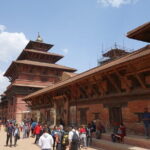
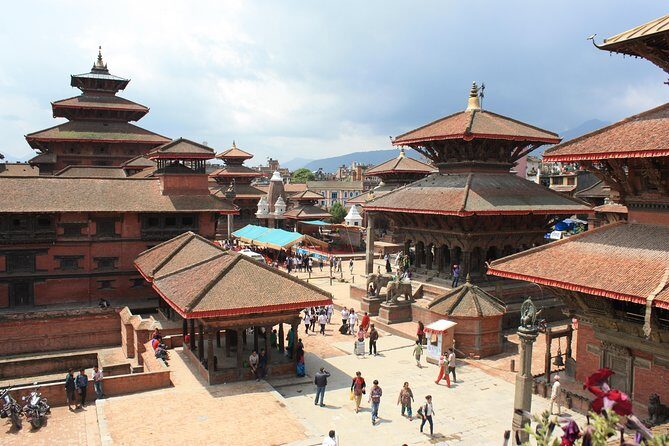
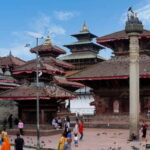
Day 1 is the big cultural sweep. You’ll begin in the Kathmandu Durbar Square area (the old palace complex) where the architecture feels layered—courtyards, sculpted details, and the kind of monumental buildings that look best when you can stop and stare. This is also where you’ll see the living goddess tradition connected to Kumari Baha. The tour description is direct about it: Kumari refers to the living goddess, and Baha means monastery in local wording. Even if you’re not religious, this is one of those places that makes you understand why people come here with real focus.
From there, you head to the Monkey Temple area (Swayambhunath). The drive is short, about 30 minutes, so it works well if you want variety without burning the whole day in transit. This stop is a good “reset” after the heavier palace complex. You’ll get to switch from stonework and courtyards to a temple hill vibe where the visuals and sightlines change as you move around.
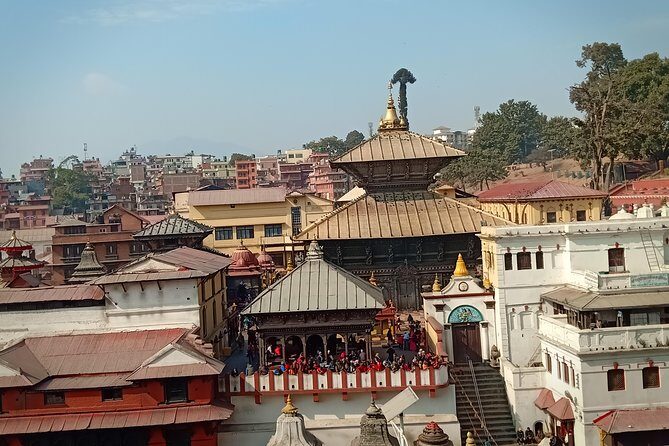
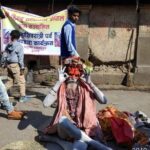
Then you go to Pashupatinath Temple, with about an hour for the visit and a 30–40 minute drive. This is the most emotionally intense stop on the itinerary, and the tour description doesn’t sugarcoat it. Pashupatinath sits on the bank of the sacred Bagmati River, and you’ll have a chance to witness the open public crematorium and the rites and rituals being performed. You may also see holy men with painted faces, dreadlocked hair, and ash-applied bodies. If you like travel that teaches you how living cultures work—this is that. If you prefer quiet sightseeing only, this is the part you should think about carefully before booking.
Practical note: you’ll want to bring a steady mindset and dress respectfully. Keep your behavior calm. In sites like this, your guide’s cues matter—so let them direct your timing and where you stand.
You can also read our reviews of more guided tours in Kathmandu
Getting the best from the route: Swayambhunath and time management
Even on a packed day, the itinerary is built around short moves and enough on-the-ground time. After Durbar Square, the plan is to drive about 30 minutes to Swayambhunath/Monkey Temple. That matters because it prevents the “drive, rush, drive, rush” pattern that can make Kathmandu feel exhausting.
You also get flexibility on Day 1. After booking confirmation, you can choose your departure time during a phone call. That’s more than a convenience. It lets you match the tour to your energy and your schedule—maybe you want earlier light for photos, or maybe you want to sleep in a bit and start after a slower breakfast.
I’d use your guide to steer the micro-planning. Ask how long you want at each stop, especially at the places with the most sensory pull. In a private setup, the best experience often comes from small choices like spending a few extra minutes looking at carvings in Durbar Square, or deciding where you can view the Bagmati river activity without turning it into a rushed photo stop.
Pashupatinath at the Bagmati River: spiritual meaning and real-life ritual
Pashupatinath is described as one of the must-visit Hindu temples in the subcontinent, and it draws visitors year-round. But the real value here isn’t generic temple sightseeing. It’s the chance to see how ritual life plays out in a public space, right by the river.
The itinerary schedule gives you roughly an hour at Pashupatinath. That’s enough time to understand the flow of activity, notice how worship and ceremony are organized, and still have moments to step back and process what you’re seeing. The tour also specifically points to the open public crematorium and the rites and rituals being performed. Again: this is not a quiet temple courtyard. It’s an active, meaningful place of life and death in full view.
This is also where a strong guide earns their keep. One review highlighted a guide named Paras for exceptional knowledge and insightful narratives that made the day both educational and spiritually uplifting. Another highlighted a guide named Gyan for stories that go beyond what you’d usually find in a basic guidebook. If you get a guide like that, you’ll understand what you’re seeing instead of just watching motion.
If you’re sensitive to intense scenes, you can still visit—just tell your guide what feels comfortable. In private tours, that kind of adjustment is usually possible.
Bouddhanath Stupa: Little Tibet vibes and a quieter shift
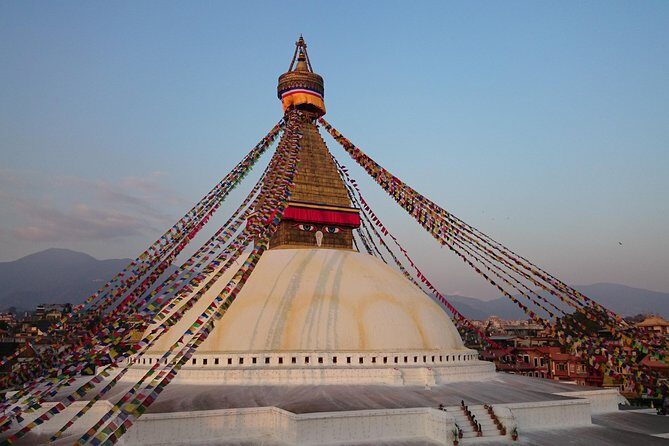
After Pashupatinath, your route makes a smart switch. A short drive brings you to Bouddhanath Stupa, often described as Little Tibet. In the tour plan, this is one of the final “anchors” of Day 1, before driving back to your hotel.
Why this stop works so well right after Pashupatinath: Bouddhanath offers a different rhythm. The stupa setting is visually powerful and usually feels less emotionally heavy than the cremation area. It’s also a great place to slow down, watch daily movement, and take in the overall spiritual atmosphere of the region.
Even with an hour or so of sightseeing time here, you can get a feel for the cultural overlap in Kathmandu—Hindu and Buddhist traditions sharing space in the same city. If you like photography, this is often the place where a calm moment helps your pictures come out better, not just busier.
You’ll end Day 1 by driving back to the hotel and finishing the day’s loop.
Day 2: Patan Durbar Square and Bhaktapur Square in 5 to 7 hours
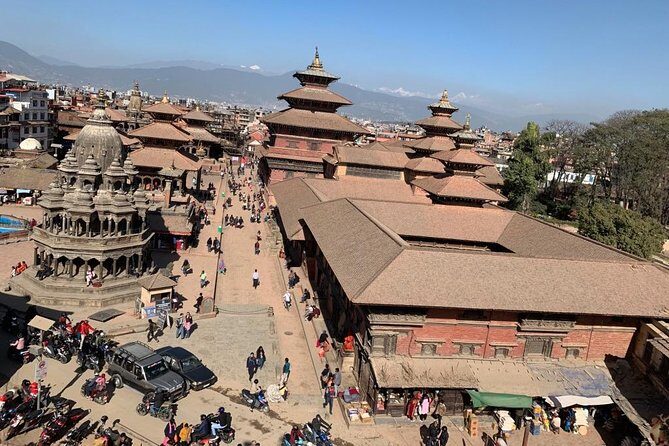
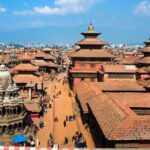
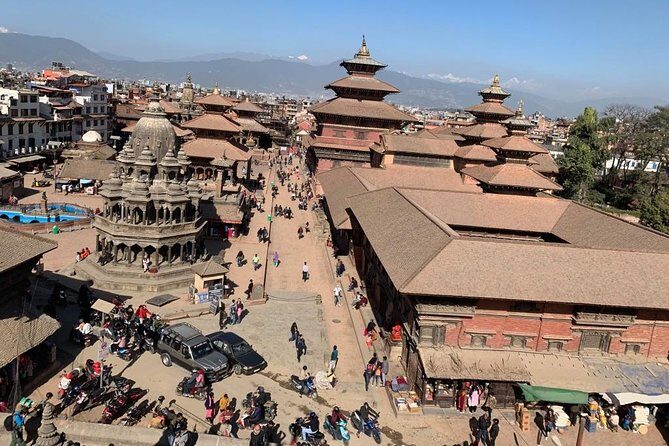
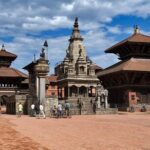
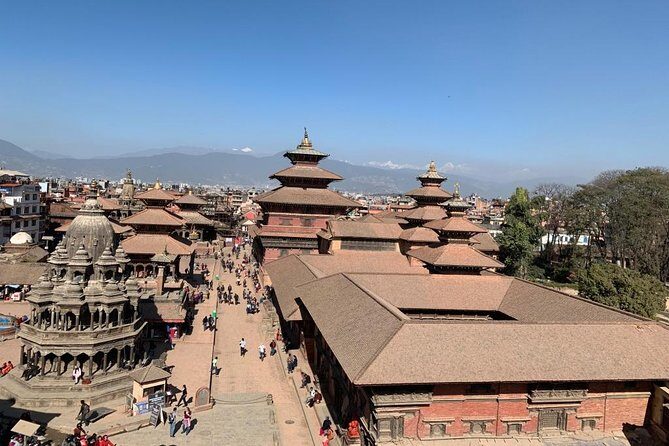
Day 2 is a different kind of Kathmandu: more medieval palaces, temples, and village feel. The plan is about 5–7 hours max, and it concentrates on two major destinations: Patan Darbar Square and Bhaktapur Square.
Patan Darbar Square is your first stop. The tour framing emphasizes medieval palaces and temples, and that focus matters. If you’re the type of traveler who loves details—doorways, courtyards, the way buildings age over time—this day is built for you. It’s not just “see a famous square and move on.” The itinerary suggests you’ll actually look at the architecture and the overall feel of the historic center.
Then you go to Bhaktapur Square. Bhaktapur has a reputation for a preserved old-city mood, and the tour description leans into that: villages, temples, and the palace vibe. In a day that’s shorter than Day 1, this is the kind of pairing that can feel satisfying because you’re not racing across the entire valley.
A private car helps here. Between Patan and Bhaktapur, traffic and timing can be unpredictable in Kathmandu. The tour’s structure keeps the day realistic, with enough time to enjoy each square without turning the day into a constant scramble.
You can also read our reviews of more private tours in Kathmandu

Price and value: what $95 per person really buys you
The price is $95.00 per person for a 2-day private car and guide covering major highlights. On the surface, that can sound either like a bargain or like a lot, depending on your baseline. Here’s the value logic.
First, you’re paying for more than a driver. You’re paying for a local private guide and a private vehicle for your group. That matters because the stops are spread out in different cultural areas of Kathmandu, and the route includes places that benefit from explanation. A good guide can turn confusing symbolism into something you can actually understand while you’re standing in front of it.
Second, you get pickup and drop-off from the hotel. That sounds basic, but in a city like Kathmandu, starting and ending where you’re staying reduces stress and keeps your sightseeing hours cleaner.
Third, the schedule covers multiple major UNESCO sites across two days, instead of forcing you to pick just one “big” day. If you’re short on time, this is how you make those limited hours count.
What’s not included is monument entry fees and food/drinks. That’s normal, but it’s the part that can surprise people who assume every site is included. Before you go, budget for entry costs and plan simple meals during breaks.
Also, group discounts are listed as a feature. If you’re traveling with friends or family, splitting the cost can make this feel even more reasonable.
Who should book this tour (and who should think twice)
This tour is a strong fit if you:
- Want major Kathmandu highlights in a tight, manageable timeline.
- Prefer a private setup where you can ask questions and control pacing.
- Like cultural travel where you’re not only looking at buildings, but trying to understand why people care about them.
You might think twice if:
- You’re easily overwhelmed by intense religious ritual scenes. Pashupatinath’s cremation area is part of the planned experience.
- You want only light, casual sightseeing with zero emotional weight. This itinerary includes real-life ceremony.
It’s also a good match for first-timers who want the essentials—then can come back later for deeper niche interests.
How to make your guide’s stories actually useful
The best part of a private guide isn’t just answers. It’s how the guide helps you see.
From the reviews you provided, two guide names show up with praise: Paras and Gyan. Paras is described as having exceptional knowledge and sharing narratives that made the experience educational and spiritually uplifting. Gyan is praised for telling interesting stories not found in guidebooks. That’s exactly what you want on a tour like this, where the meaning behind symbols is the whole point.
So do this: at each stop, ask one question that you can’t easily get from a signboard. Examples you can use on the ground:
- What does this courtyard or tradition represent here?
- Why is this site important to the local community?
- What should I pay attention to while I’m standing here?
Your guide can also help you time your visit. In a sacred place, the right moment can change the whole feeling of the visit.
Practical tips for temples, timing, and comfort
A few things will help your two days go smoothly:
- Plan for walking inside temple complexes. Even when you’re moving by car between sites, the on-foot parts add up.
- Dress respectfully. This is especially true at Pashupatinath and Durbar Square areas.
- If you’re doing photography, be ready that some scenes are sensitive. Listen to your guide’s cues.
- Start time is 9:45 am, so build in enough buffer to get ready and meet your car on time.
- Don’t assume entry fees are included. The tour notes monument entry fees are not included, so keep that in mind while budgeting.
If you take those seriously, the itinerary’s pacing feels far less stressful.
Should you book this Kathmandu 2-day private car tour?
If you want a clear, high-impact Kathmandu overview—with a guide who helps you understand what you’re seeing—this is an easy yes. The route covers the big hitters across two days: Durbar Square and Kumari’s tradition, Monkey Temple/Swayambhunath, Pashupatinath by the Bagmati River, Bouddhanath Stupa, then Patan and Bhaktapur.
Just be honest with yourself about Pashupatinath. If you’re sensitive to cremation ceremonies, talk to your guide before or during the planning stage and consider whether you’re comfortable spending that hour there.
If you’re ready for meaningful, real culture (not just monuments), this tour is good value for the amount of ground it covers—and for how much a skilled guide can turn those stops into understanding, not just photo ops.
FAQ
What time does the Kathmandu tour start?
The tour start time is 9:45 am.
How long is the private tour?
It’s listed as 2 days (approx.). Day 2 is about 5–7 hours max, and Day 1 is shown as about 5 hours.
Is hotel pickup and drop-off included?
Yes. Hotel pickup and drop-off are included.
Are monument entry fees included?
No. Monument entry fees are not included.
Is this a private tour?
Yes. It’s private, and only your group will participate.
Can I get a full refund if I cancel?
Free cancellation is available. You can cancel up to 24 hours in advance of the experience for a full refund.