REVIEW · KATHMANDU
Everest Base Camp Trek 15 days | Local Guide | Flexible Itinerary
Book on Viator →Operated by Life Himalaya Trekking · Bookable on Viator
High altitude can scare you. The structure here helps.
This Everest Base Camp trek balances classic Sherpa trail walking with smart stops for altitude control, plus time in villages where life keeps going. I like that the plan builds in acclimatization rather than treating it like an afterthought.
Two things I especially like are the private, local-guide approach and the gear support: trekking poles, a sleeping bag, and a down jacket are included (you return them at the end). One consideration: like all EBC treks, your success depends on your fitness and altitude tolerance, and there’s no hot shower or charging included.
In This Review
- Key things that make this trek work
- Everest Base Camp in 15 days: what makes this itinerary feel realistic
- Price and value: what $1,890 covers (and what it doesn’t)
- Kathmandu to Lukla: the start of the real climb
- The climb phase: Namche, Tengboche, and Dingboche
- Thugla to Everest Base Camp: the long-anticipated goal day
- Kala Patthar at 5,545m: the toughest morning, best reward
- The return route that avoids crowding: Pangboche, Phorste, and Gokyo connections
- Lukla back to Kathmandu: closing the loop without rushing
- Guide and porter setup: why names keep showing up in good reviews
- What your days in the tea houses and lodges are really like
- Packing and altitude common sense (based on what’s actually included)
- Who should pick this Everest Base Camp trek plan
- Should you book this Everest Base Camp (15 days, local guide)?
- FAQ
- How long is the Everest Base Camp trek?
- Where does the trek start in Nepal?
- Does the price include flights to and from Lukla?
- Are permits included?
- How high do you go during the trek?
- What meals are included while trekking?
- What gear is provided?
- Is hot shower or battery charging included?
- What if the weather is poor for the trek or flights?
Key things that make this trek work
- Local guide focus on safety and altitude pacing to reduce the risk of getting in trouble high up
- Gear included (poles, sleeping bag, down jacket) so you can travel lighter
- Flights built into the itinerary with Kathmandu/Ramechap–Lukla routing
- Classic Sherpa villages plus monastery day for cultural breaks, not just hiking
- Big view day plan with Kala Patthar timed for the highest payoff
- Porters and load sharing with a set porter ratio to protect your energy
Everest Base Camp in 15 days: what makes this itinerary feel realistic
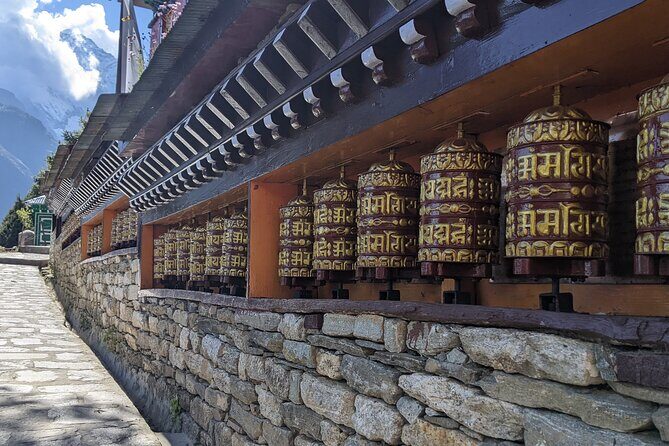
An EBC trek sounds like one long line on a map. In real life, it’s a chain of days where your body has to adjust. This plan is built around that truth: you gain altitude gradually, then you pause to adapt, then you push again.
I like how the itinerary uses that classic “go up, then breathe, then go up again” logic. You start around Lukla (already high at about 2,810 meters), work toward Namche Bazaar, then spend extra time at 3440m and again at Dingboche for acclimatization. That rhythm matters because it helps you stay strong for the days when the walking gets serious.
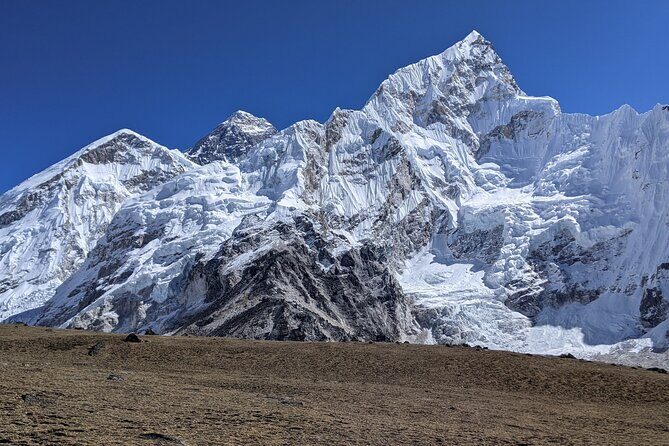
The second thing I like is the blend of “big goal” and “daily life.” You’re not only moving toward Everest Base Camp (about 5,364m). You also pass Tengboche Gompa and spend time in Sherpa culture villages, where tea houses are more than just a place to warm up.
One drawback to keep in mind: this is a high-altitude trek. Even with the best pacing, you still need a solid fitness base and you need to listen to your guide if you start feeling off.
You can also read our reviews of more guided tours in Kathmandu
Price and value: what $1,890 covers (and what it doesn’t)
At $1,890 per person, the price is in the mid-to-higher range for standard EBC treks. The value is in what’s bundled, not just the trekking part.
What you get that often costs extra elsewhere:
- Domestic flights: Kathmandu/Ramechap to Lukla and back (included for you and staff)
- Permits: Sagarmatha National Park permit, TIMS, and rural area permits
- Lodge accommodation and menu-based hygienic food during trekking days
- Most meals on the trail: breakfast (14), lunch (12), dinner (13)
- Support crew: English-speaking guide plus porters (with a defined porter ratio)
- Trail map, achievement certificate, and a farewell dinner
What you should budget separately:
- Travel insurance covering up to 6,000m (listed at $200 per person)
- Tips for guide/porters/drivers (not set in the price)
- Meals in Kathmandu (lunch and dinner in the city aren’t included)
- Hot showers and battery charging on the trek (not included)
- Personal snacks and beverages, plus any extra nights in Kathmandu
If you’re the kind of traveler who hates scrambling for last-minute permits, transport, and basic gear, this package style can feel efficient. If you already own trekking poles and a sleeping system, you might prefer to travel fully on your own gear, but the included items still help reduce what you have to carry up flights.
Kathmandu to Lukla: the start of the real climb
You begin in Kathmandu at Tribhuvan International Airport. The basic flow is arrival, hotel transfer, and a representative from Life Himalaya Trekking meeting you. This matters because the first day in Nepal can be chaotic if you’re relying on taxis and unclear directions.
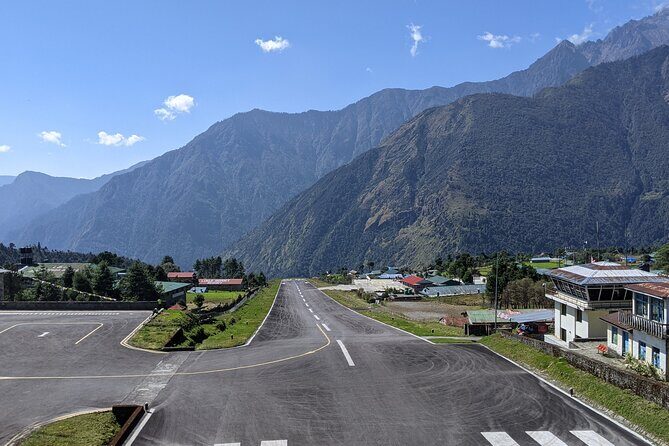
Then comes the big switch: flying to Lukla (around 2,810m). You’ll take an early flight to the Tenzing-Hillary airstrip at Lukla, and from there the trek begins immediately in altitude terms. Lukla itself is a mountain gateway town, and the trail starts feeling like a working Sherpa corridor fast.
Practical note: because flights are involved, you should plan on flexibility in spirit. Weather can affect flying. The program also states the trek requires good weather, and if it’s canceled due to poor weather, you’ll be offered a different date or a full refund.
The climb phase: Namche, Tengboche, and Dingboche
This is where the trek builds your “altitude confidence.”
Day 3: Hillary Bridge to Namche Bazaar
After tea house breakfast, you walk for about five hours to Namche Bazaar. Expect the trail to feel active but not punishing, and use this day to settle into the pace.
Day 4: acclimatization stop at around 3,440m (Hotel Everest View area)
This is a smart pause. You’re high enough to get the benefits of altitude, but the itinerary includes the breathing room. Side excursions here are part of how you set up for the higher push.
Day 5: Tengboche Gompa day
You hike up toward Tengboche for the monastery visit. Tengboche is one of those places where the trail pauses and you remember you’re in a living culture, not a theme park. The day includes walking of about five hours, and the elevation shift is noticeable.
Day 6: toward Orsho/Pheriche and Dingboche area (via Imja Khola crossings)
The itinerary follows the Imja Khola, including bridge crossings, as you move through the region toward the Dingboche base area. This day can feel like “steady work,” which is good preparation because the next days demand energy discipline.
Day 7: Dingboche acclimatization day
Another pause, again for your body. Dingboche provides options for side excursions, and this kind of day is one of the best investments in your overall outcome. It’s also a morale booster: you’re in high country, but you’re not always walking every hour.
Why these stops matter: they reduce the chance you’ll rush altitude. They also give you time to adjust your routine—hydration, slow steps, and the habit of listening to early symptoms.
Thugla to Everest Base Camp: the long-anticipated goal day
Day 8: toward Thugla
After a rest day at Dingboche, you start with a gentler walking day toward Thugla. You’re still gaining elevation, but the goal is to set you up for what’s ahead with fewer surprises.
Day 9: Everest Base Camp (about 5,364m)
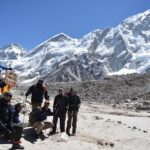
This is your destination day. The walk takes you toward Everest Base Camp, and it’s the day you’ve been building for since Lukla. The emotional payoff is obvious, but the practical takeaway is even clearer: pace yourself and don’t turn this day into an endurance contest. You’ll still need strength for tomorrow’s highest-view effort.
This trek includes admission ticket included for Day 9 (as listed), so you should plan around the possibility that you’ll follow a specific schedule for entry/activities rather than wandering whenever you feel like it.
You can also read our reviews of more hiking tours in Kathmandu
Kala Patthar at 5,545m: the toughest morning, best reward
Day 10: Kala Patthar
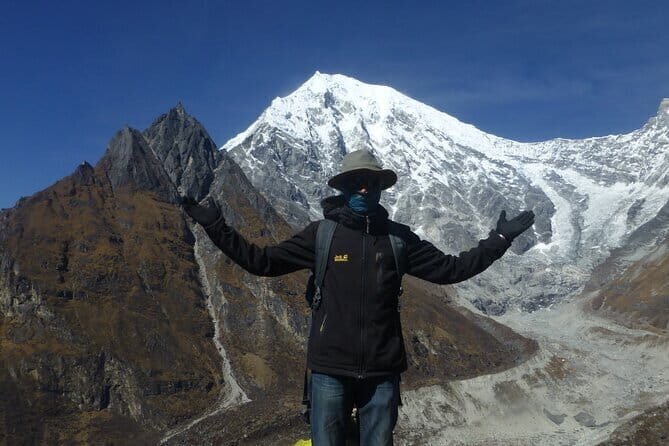
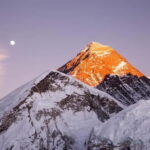
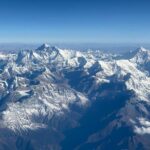
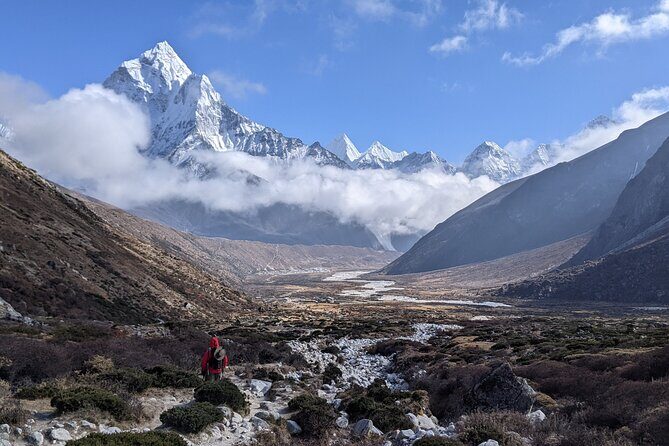
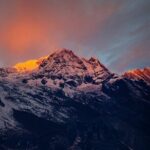
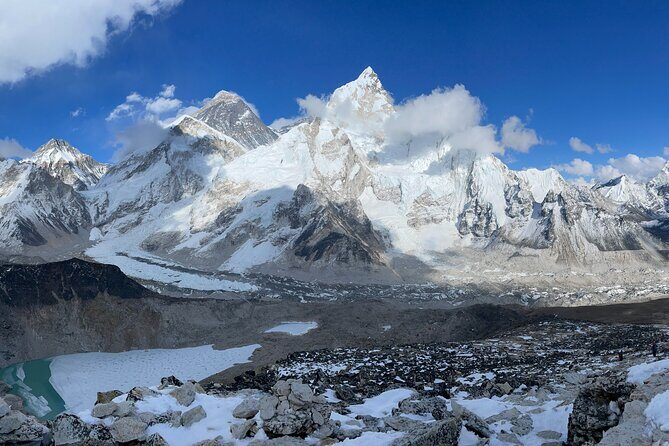
You’ll start very early and hike up to Kalapatthar (around 5,545m) for the best views of Mt. Everest, plus Lhotse and Nuptse. This is the day when cold and thin air show up together, so the early start isn’t just tradition—it helps with light and visibility.
If you’re carrying the provided down jacket, this is where it earns its place. Also, keep in mind you’re not just climbing; you’re waiting for conditions. Dress in layers, expect wind, and move steadily rather than quickly.
The return route that avoids crowding: Pangboche, Phorste, and Gokyo connections
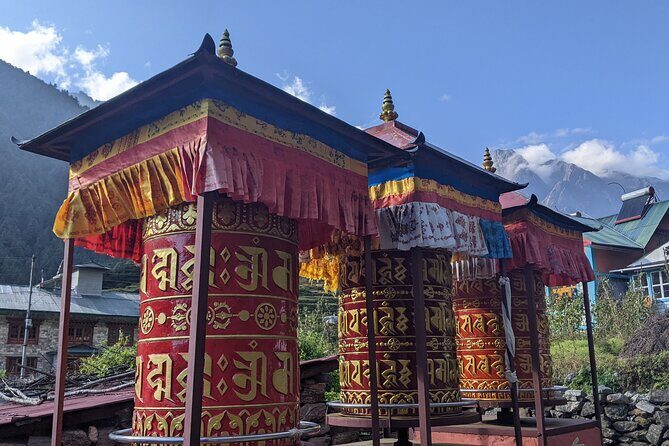
A lot of EBC treks feel like a loop: same trail, same fatigue. This itinerary adds variety on the descent and includes the kind of side-route that can feel quieter.
Day 11: down to Pangboche, then new less crowded route via Phorste
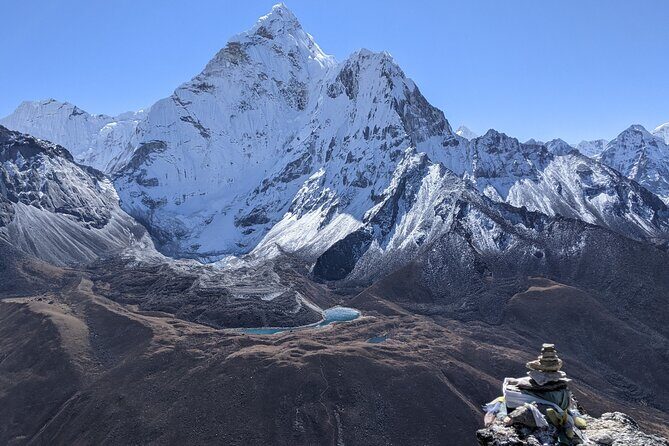
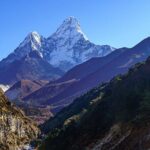
You trek down toward Pangboche, then take a new route to Phorste village. You pass views of Amadablam, Thamserku, and the Tengboche monastery along the way. The idea here is less crowding and more of the “you’re doing this journey” feeling, not just repeating steps.
Day 12: river from the Gokyo lake area, connect to Gokyo at Phorste Thanga (3,680m)
This day is different from a simple retrace. You trek down to the river coming from the Gokyo lake area, connect the trail at Phorste Thanga (3,680m), and then trek up to Mong Danda. If you’re hoping for variety beyond Everest viewpoints, this is the section that delivers it.
Day 13: back up the route to Lukla
After breakfast, you return on the trail you used to come up, passing Toktok, Phakding, Ghat, and Cheeplung (2,650m), then make your final push to Lukla. By this point, you’ll likely feel the altitude less intensely, but tired legs can still make the last miles feel long. Keep your pace calm and consistent.
Lukla back to Kathmandu: closing the loop without rushing
Day 14: flight to Kathmandu (early possible) and leisure time
You take an early flight toward Kathmandu and the rest of the day is left for leisure after hotel check-in. That buffer matters. After 13 walking days, you don’t want a rushed schedule for your first proper meal and rest.
Day 15: departure transfer
Your final day includes an airport transfer from Kathmandu to Tribhuvan International Airport, based on your flight schedule.
Guide and porter setup: why names keep showing up in good reviews
In the reviews, the most praised part isn’t just the mountains. It’s the human support. I like that the trip is framed around safety, satisfaction, and comfort with a local guide doing the work in a natural way.
Real examples from past trips:
- One group highlighted guide Raj with porters Suren and Sonam, calling the trek above expectations with stunning views.
- Another trip praised guide Ram and porter Phurpa for support and making the journey feel easier.
- Sagar and the team (including Jal) show up repeatedly as people who went above and beyond and helped make the experience memorable.
- People also mention planning support from Shiba, described as efficient and responsive before the trek.
The practical takeaway for you: on an EBC trek, your guide’s job is pacing, decision-making, and watching for problems early. The porter’s job is energy management—keeping the heavy load off your shoulders. This package includes porters with a ratio of 1 porter for 2 people, carrying 20 kg total split as 10 kg per guest, so your “effort math” stays fair.
Also, if you’re traveling with a group of 5 or more guests, the program states you get an assistant guide. That’s often a small detail that improves communication.
What your days in the tea houses and lodges are really like
This trek is based on lodge accommodation (often tea house style), with meals selected from lodge menus. The plan emphasizes clean and comfortable lodge stays and hygienic food.
What you should expect day-to-day:
- Warm-up then move: breakfast in the tea house, then walking starts
- Lunch along the way: included on a set number of trek days
- Dinner after you arrive: you eat and recover rather than “chase the night”
- No hot showers and no charging: so plan for basic hygiene and conserve phone power
One gear detail you’ll appreciate: sleeping bags and a down jacket are provided for the trek. That usually means less gear weight for you and fewer gaps if you travel without the right cold-weather items.
Packing and altitude common sense (based on what’s actually included)
Because the package provides some key cold-weather items, you can pack smarter. Still, bring what you need for comfort and safety at high altitude.
Think in three buckets:
- Cold and wind protection (especially for Kala Patthar early morning)
- Foot care and trekking comfort for long days with steady elevation
- Personal items since snacks and beverages are not included
Also, the itinerary is described as aimed at reducing altitude sickness risk. That doesn’t mean you ignore altitude rules. You still should take it seriously: go slow, drink water, and tell your guide if you feel worse instead of better.
Who should pick this Everest Base Camp trek plan
This fits best if you want:
- A classic EBC experience with Sherpa villages, not just viewpoint chasing
- A structured acclimatization rhythm built into the schedule
- A trip where safety and logistics are handled by Life Himalaya Trekking with an English-speaking guide
- Support that keeps your load manageable with porters
It may not be the best match if you want the freedom to change plans daily on your own terms, or if you’re extremely sensitive to the idea of flying into Lukla (even with planning).
Should you book this Everest Base Camp (15 days, local guide)?
If you’re considering EBC and you care about reliable logistics, permitting, and a guide-led altitude plan, this is a strong option for the price bracket. The biggest strengths are the included flights, permits, and most trek meals, plus the guardrails around pacing and acclimatization.
I’d book this if you’re comfortable working hard physically but you want someone else handling the “how the pieces connect” parts: permits, trail support, gear logistics, and daily decisions that keep things safe.
I would hesitate if you’re looking for creature comforts like hot showers or easy charging, because those aren’t included. You’ll also need a strong fitness level, since the trek hits real altitude and long walking days.
If that sounds like your kind of adventure, your odds of having a rewarding Everest Base Camp trek are good.
FAQ
How long is the Everest Base Camp trek?
The trip is about 15 days.
Where does the trek start in Nepal?
It starts with pickup at Tribhuvan Airport in Kathmandu, with transfers arranged from there.
Does the price include flights to and from Lukla?
Yes. The package includes flights from Kathmandu/Ramechap to Lukla and Lukla back to Kathmandu/Ramechap for you and staff.
Are permits included?
Yes. The trip includes the Sagarmatha National Park permit, TIMS permit, and a local rural area permit.
How high do you go during the trek?
You reach Everest Base Camp (about 5,364m) and the highest point is Kala Patthar (about 5,545m).
What meals are included while trekking?
The plan includes breakfast (14 times), lunch (12 times), and dinner (13 times) during the trek.
What gear is provided?
You get hiking poles, a sleeping bag, and a down jacket (all to be returned after the trek).
Is hot shower or battery charging included?
No. The trek does not include hot showers or battery charging.
What if the weather is poor for the trek or flights?
If the experience is canceled due to poor weather, you’ll be offered a different date or a full refund.