REVIEW · KATHMANDU
Kathmandu Full Day Tour
Book on Viator →Operated by Outfitter Nepal · Bookable on Viator
Four sacred stops, one efficient day. I love that it pairs UNESCO landmarks with smooth hotel pickup/drop-off, and I love how the local guide explains Hinduism alongside Nepali and Tibetan Buddhist traditions. The main trade-off: it runs on a tight loop, so pack comfy shoes and expect some walking.
This is a 6-hour group sightseeing day with small-group comfort and private transportation. Tickets for the UNESCO sites cost extra (about 2600 NPR per person), and lunch is not included, so plan your breaks accordingly.
In This Review
- Key things I’d plan around before you go
- Four UNESCO stops in one day makes Kathmandu feel less overwhelming
- What the $70 price really buys (and what you pay separately)
- Hotel pickup and the pace: convenient, but not slow and cozy
- Stop 1: Swayambhunath stupa and the Buddhist introduction
- Stop 2: Kathmandu Durbar Square at Basantapur (Hanuman Dhoka Square)
- Stop 3: Pashupatinath and Shiva, from an ancient foundation
- Stop 4: Bouddhanath (Boudhanath) stupa to close the loop
- How the guide connects Hinduism, Nepali Buddhism, and Tibetan Buddhism
- Practical tips so the day feels smooth, not stressful
- Who this tour suits best (and who might want a different style)
- Should you book this Kathmandu Full Day Tour?
- FAQ
- What’s the duration of the Kathmandu Full Day Tour?
- Is hotel pickup and drop-off included?
- Which stops are included in the day?
- Are UNESCO entrance fees included in the price?
- Is lunch included?
- How big is the group?
- When does the tour run?
- Is free cancellation available?
Key things I’d plan around before you go
- One guide, four major UNESCO sites: you see the key religious landmarks without wasting time figuring out routes.
- Hotel pickup and drop-off: you skip the stress of meeting in traffic-heavy streets.
- Hindu + Tibetan Buddhist in one sweep: Swayambhunath, Pashupatinath, and the two Kathmandu heritage stops give you a quick cultural map.
- You’ll need to budget for entry fees: about 2600 NPR per person is the stated estimate.
- A rare-but-real logistics hiccup is possible: one low rating mentioned a vehicle issue and extra walking in dusty sun.
- Small-group cap (up to 30): expect a social day, not a private car for just you.
Four UNESCO stops in one day makes Kathmandu feel less overwhelming
If Kathmandu feels like a pinball machine of temples, courtyards, and religious symbols, this kind of full-day loop helps you get control fast. You’re not just collecting photos. You’re getting a guided route that connects major sites tied to Hinduism and to Nepali and Tibetan Buddhist practice. That matters on a first visit, when everything looks important and your brain needs a simple structure.
The tour also ends in a strong way. Starting and finishing at big religious anchors lets the day build momentum instead of feeling like you’re randomly hopping between places. It’s a very practical choice if you only have a short window in town.
You can also read our reviews of more tours and experiences in Kathmandu
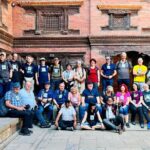

What the $70 price really buys (and what you pay separately)
At $70 per person, the value mostly comes from the included transportation and guide time. You get:
- pickup from your hotel and drop back after the tour
- a local tourist guide
- small-group departure
- private transportation
What’s not included is also important. Entrance fees for the UNESCO sites are listed as an approximate 2600 NPR per person. Lunch isn’t included either, and shopping is not part of the plan.
Here’s the way I think about value with a tour like this: the headline price is for being moved around efficiently with someone explaining what you’re seeing. Your real total cost will depend on entry fees and your meal plan, but you’re still buying convenience. If you were to go solo, you’d pay for transportation and you’d likely lose hours just matching opening times, directions, and ticket lines.
Hotel pickup and the pace: convenient, but not slow and cozy
The big comfort win is the hotel transfer. You don’t have to hunt down a meeting point or guess which street corner the group will appear on. You also avoid the common first-day Kathmandu headache: starting the day already tired.
That said, this is still a full-day religious loop in a city where traffic and crowds can change by the minute. The schedule has built-in time limits at each stop (about an hour each), so you won’t have hours to wander inside every building. You get time to see what you came for, plus learn enough to understand why it’s meaningful.
One low-star review mentioned a vehicle problem mid-route that led to extra walking in dusty traffic. That sounds like an unusual event, not the normal plan, but it’s a real reminder to be prepared. Bring water, wear shoes you can walk in for longer than you expect, and keep a hat or sunscreen handy.
Stop 1: Swayambhunath stupa and the Buddhist introduction
Your day typically starts at Swayambhunath Temple, a Tibetan Buddhist stupa site. This stop is a smart opener because it sets one of the main religious themes of Kathmandu quickly. Instead of jumping straight into a Hindu complex first, you start with the stupa symbol that’s central to many Buddhist traditions.
You’ll have about one hour here, and the entrance ticket is not included in the tour price. That means you’ll want to keep your ticket budget ready early in the day, not wait until you’re already there and hungry for the next step.
What I like about starting with Swayambhunath is that your guide can frame what you’re looking at in a way that makes later stops easier to connect. Even if you don’t know the difference between every term or icon right away, the guide’s explanations turn the visit into a story instead of a checklist.
Stop 2: Kathmandu Durbar Square at Basantapur (Hanuman Dhoka Square)
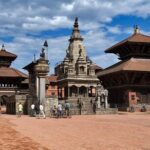
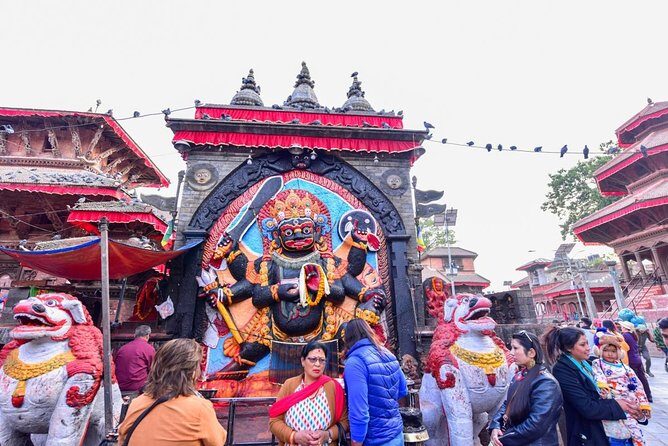
Next comes Kathmandu Durbar Square, also known as Hanuman Dhoka Square/Basantapur. This is where Kathmandu’s royal-era setting becomes part of your morning. The area is described as being at Basantapur and tied to the old royal palace setting, with palaces, courtyards, and temples.
You get about one hour here too, with admission not included. If you want a quick win, this is the place to slow your pace for 5 minutes. Look at the layout: courtyards and temple groupings are how you start noticing Kathmandu’s architectural logic. It’s not just one building. It’s a complex.
One extra reason Durbar Square is a good stop on an intro day: it helps you understand why Kathmandu’s religious sites aren’t isolated. In a place like this, sacred spaces and royal power historically rubbed shoulders. Your guide can connect the dots between religion, culture, and the physical setting.
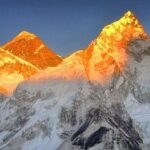
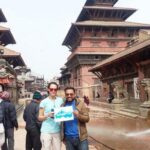
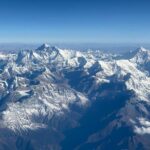

Stop 3: Pashupatinath and Shiva, from an ancient foundation
Then you move to Pashupatinath Temple, devoted to Lord Shiva. This is one of the most important Shiva sites in Asia for devotees, and it’s described as having roots dating back to the fifth century with later redesign by Malla rulers.
Again, your time is about one hour, and entrance fees are not included.
This stop is worth it even if your main interest is cultural context, not worship. Pashupatinath gives you a clear Hindu anchor, and your guide can explain how Hindu practice shows up in architecture and daily life around the temple. If you’re trying to understand why Kathmandu feels like it’s always doing something sacred, this is a key reason.
It’s also a stop where you may feel the contrast between busy modern life and long-standing religious tradition. Plan to be observant, not rushed. You only get about an hour, so focus on what your guide points out first.
Stop 4: Bouddhanath (Boudhanath) stupa to close the loop
Your final major stop is Bouddhanath Stupa (Boudhanath). It’s described as the largest stupa in the Kathmandu Valley, with a stated height of 36 meters. It’s also listed as about 8 km east of downtown Kathmandu, which helps explain why it can feel like you’re leaving the center and heading toward something grander and calmer.
You’ll spend about one hour here, with entrance fees not included.
I like ending at Bouddhanath for one practical reason: it’s visually powerful. When the day is full of sacred monuments, having a big final anchor helps the whole itinerary feel cohesive. You’ll also be in a great position to grab food nearby since lunch is not included, and the surrounding area is used for dining breaks by people who are doing the same temple circuit.
Also note the earthquake context. The tour information warns that some sites visited had significant damage due to the April and May 2015 earthquakes. Even when things are open, you might see reconstruction, repairs, or areas that look different than old photos. Don’t treat that as a downside. It’s part of the living story of Nepal rebuilding.
How the guide connects Hinduism, Nepali Buddhism, and Tibetan Buddhism
This is the tour’s secret sauce. You’re not just moving from monument to monument. Your local guide is there to interpret the symbols and explain how the traditions relate in Kathmandu.
If you end up with a guide who communicates well in English, it makes a noticeable difference. One praised guide named Birodh and Birodh Burlakoti were specifically mentioned for making explanations feel clear and for adding extra insights as the day went on. Even if your guide isn’t the same person, the goal stays the same: help you make sense of what you’re looking at so the day feels like understanding, not memorizing names.
What you should expect from this kind of guided approach:
- religious vocabulary explained in plain terms
- why each site matters to its tradition
- how the sites fit into Kathmandu’s bigger cultural identity
That’s why first-time visitors often feel like this tour gives them traction. After a few stops, you stop thinking in random temple terms and start thinking in relationships: Hindu shrine, Tibetan Buddhist stupa, heritage palace square, and so on.
Practical tips so the day feels smooth, not stressful
Here’s how to make this day work for you:
- Plan for entry fees: the stated UNESCO entrance estimate is about 2600 NPR per person. Bring cash if you can.
- Skip expecting lunch to be included: lunch is not part of the tour. If you want a simple plan, aim to eat during the stop time windows or right near Bouddhanath when you’re finishing.
- Wear walking shoes: you’re at multiple sites, and in one outlier case a vehicle issue led to extra walking. Better to be ready than sorry.
- Go light on valuables: temple areas can be crowded and full of activity. Keep what you need, lock the rest in your hotel bag.
- Bring sun protection: one low-star note mentioned walking in hot, dusty sun when logistics got disrupted. A hat and water are cheap insurance.
Also keep in mind the sites may have visible earthquake-era repairs. If you approach those changes with curiosity, the day becomes more meaningful. You’re seeing living heritage, not frozen postcards.
Who this tour suits best (and who might want a different style)
This tour is ideal if:
- you’re on your first visit to Kathmandu and want an intro tour that covers major religious and UNESCO landmarks
- you prefer guided context over reading on your own
- you want hotel pickup and drop-off so you don’t lose time figuring out meetings
It may be less ideal if:
- you want a super slow, long wandering day
- you hate walking and prefer private, flexible pacing
- you’re very sensitive to schedule changes during traffic or unexpected logistics issues
If you fall into any of those categories, tell your provider about your pace needs before you start. At minimum, it’s worth discussing how flexible the group movement will be.
Should you book this Kathmandu Full Day Tour?
I think it’s a strong book for the right traveler. If you want a fast way to understand Kathmandu’s religious mix and see several top UNESCO-listed highlights in one day—without the mental load of route planning—this delivers.
The main reason to pause is the reality that it’s a tight loop. You’ll pay extra for site entry fees, lunch is on your own, and the day expects you to move. If you’re okay with that trade-off, the included pickup, transport, and guided explanations make the $70 feel like a practical way to start your Kathmandu trip well.
If you’d rather spend extra time at fewer places, or you’re traveling very slowly, you might be happier with a more flexible private tour. But for most first-timers, this one is a clean, efficient introduction.
FAQ
What’s the duration of the Kathmandu Full Day Tour?
It lasts about 6 hours (approx.).
Is hotel pickup and drop-off included?
Yes. The tour includes pickup from your hotel and drop back at your hotel after the tour.
Which stops are included in the day?
You’ll visit Swayambhunath Temple, Kathmandu Durbar Square, Bouddhanath Stupa, and Pashupatinath Temple.
Are UNESCO entrance fees included in the price?
No. Entrance fees are not included, and the approximate estimate given is 2600 NPR per person.
Is lunch included?
No. Lunch is not included.
How big is the group?
It’s listed as a small-group departure, with a maximum of 30 travelers.
When does the tour run?
The opening hours listed are 9:15 AM to 5:15 PM, Monday through Sunday.
Is free cancellation available?
Yes. Free cancellation is offered, and you can cancel up to 24 hours in advance for a full refund.