REVIEW · KATHMANDU
Kathmandu Heritage Walk | Heritage Walk of Kathmandu
Book on GetYourGuide →Operated by Breakfree Adventures Pvt. Ltd. · Bookable on GetYourGuide
One wrong turn in Kathmandu and you’ll miss it all. This heritage walk keeps you moving through the city’s everyday holy places, from market streets to temple courtyards. It’s a smart way to understand how Kathmandu’s faith and trade sit side by side in one tight loop of neighborhoods in the Bagmati Zone.
I especially like how the tour starts with Thamel—so you get your bearings fast, then your guide threads you into less-obvious corners like Tahiti and Bhotahiti. I also like that you get a private English guide, and the experience is paced for real people, not just marathon walkers.
One consideration: this is a walking-heavy route through streets and temple areas, so it’s not a good fit if you’re over 70, use a wheelchair, or are traveling with very young children. If you’re sensitive to stairs, crowds, or uneven ground, plan to take it slow and wear sturdy shoes.
In This Review
- Key highlights you’ll feel right away
- Thamel is your launch pad for Kathmandu’s “everyday” heritage
- Thamel shopping energy, then Tahiti’s calmer feel
- Shanti Bihar Stupa: the pause button you didn’t know you needed
- Akash Bhairab Temple in Indrachowk: devotion at street level
- Gold Souq and temple courtyards: craftsmanship beside worship
- Bhotahiti and Annapurna Temple: water, worship, and architectural details
- Price and pace: what $40 buys you in 3.5 hours
- What’s included, what’s on you, and what to bring
- Who should book this Kathmandu Heritage Walk
- A simple strategy to get more out of every stop
- Should you book Kathmandu Heritage Walk (Heritage Walk of Kathmandu)?
- FAQ
- Is transportation included in the Kathmandu Heritage Walk?
- Where does the tour start and end?
- How long is the tour?
- What’s included in the price?
- What’s not included?
- Is the tour private?
- Are UNESCO World Heritage sites included?
- What should I bring?
Key highlights you’ll feel right away
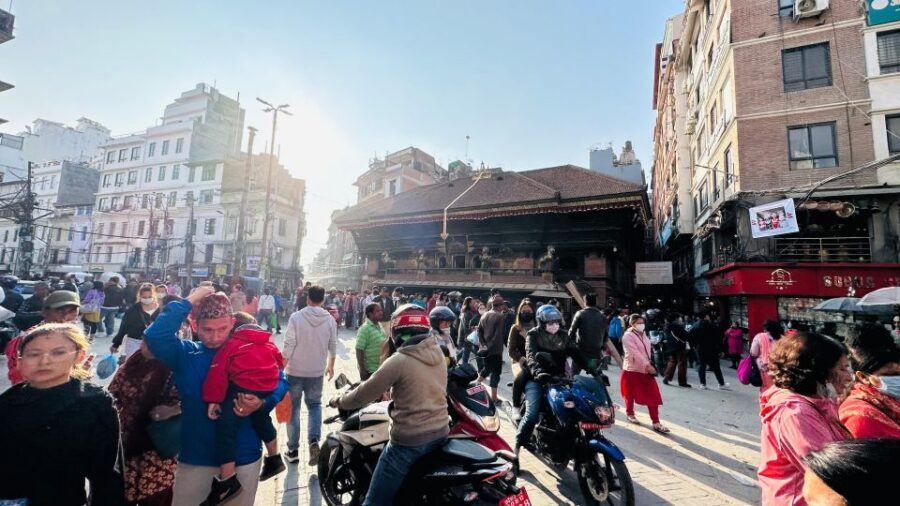
- Thamel as your orientation zone: you start and end here, with an easy grab-and-go feel.
- Shanti Bihar Stupa: a quiet, peace-seeking stop that resets your head in the middle of the day.
- Akash Bhairab Temple (Indrachowk): street-level religion you can actually watch in motion.
- Gold Souq craftsmanship: an eye-opening look at skill and trade in central Kathmandu.
- Annapurna Temple and local markets: food-culture energy wrapped around worship and daily life.
- Guide quality shows up in the details: guides like Martin and Madan are praised for pacing, professionalism, and time efficiency.
Thamel is your launch pad for Kathmandu’s “everyday” heritage
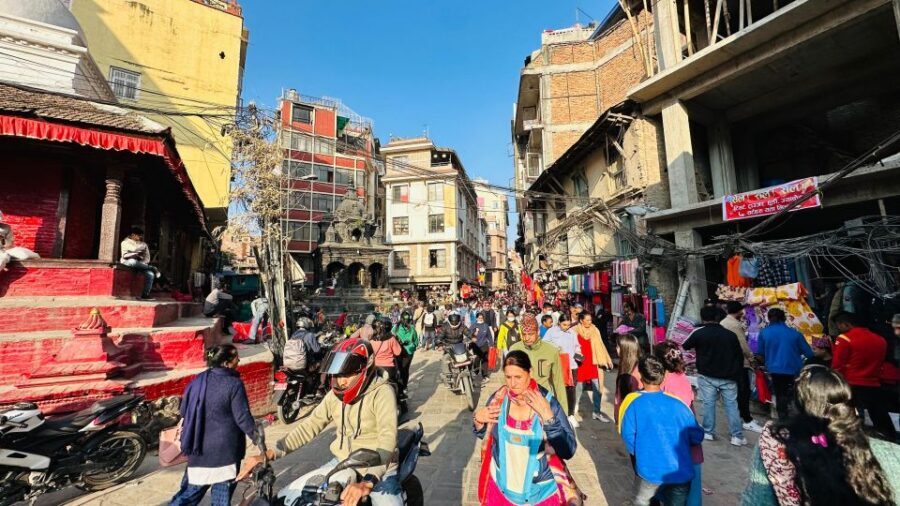
If you’ve spent any time in Kathmandu, you know the city can feel like it’s running on noise. Starting the walk in Thamel is a practical move because you’re surrounded by shops, cafés, and constant street activity, so you can relax your logistics. The meeting point is the Breakfree Adventures entrance, in front of Everest Bank Limited, right in Thamel.
From there, you’re not stuck with one big landmark. You’re walking a rhythm: street life, small turns, temple stops, and then a return to a place where you can easily continue the rest of your trip. At 3.5 hours, it fits nicely into a first or second day when you want context more than checklists.
You can also read our reviews of more walking tours in Kathmandu


Thamel shopping energy, then Tahiti’s calmer feel
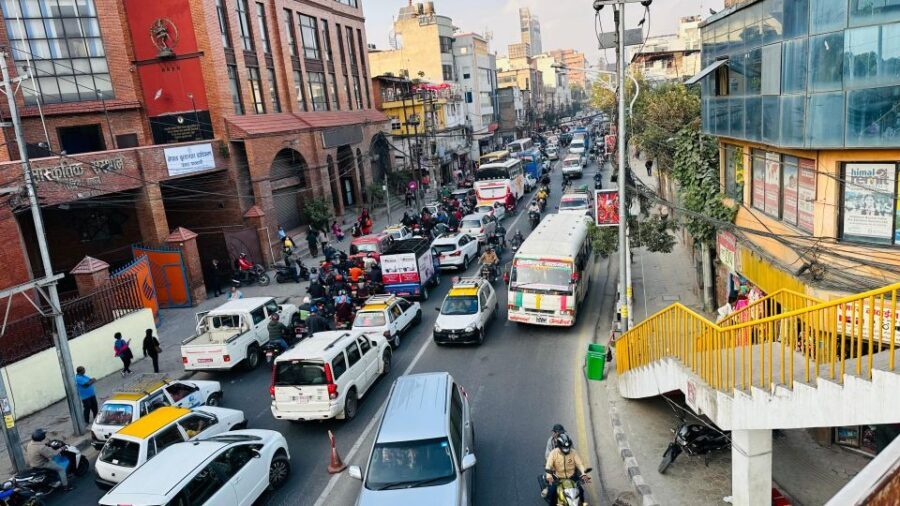
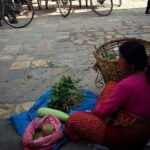
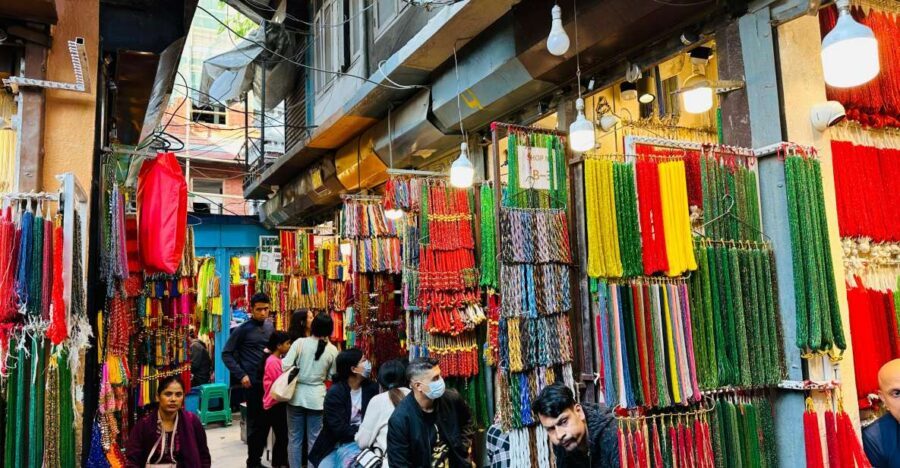
Your first segment is all about getting your eyes used to Kathmandu. Thamel’s lanes are packed with places to browse—clothes, souvenirs, and plenty of places to eat—so your guide can explain what you’re seeing as you go. This matters because Kathmandu doesn’t always label things in a way that makes sense to newcomers.
After that, you head toward Tahiti, a neighborhood where traditional architecture and modern life overlap. Even without long explanations, the shift is obvious in the way streets open up and the pace changes. It’s the kind of transition that helps you understand Kathmandu isn’t one uniform “tour zone.” It’s many mini-worlds layered on top of each other.
Shanti Bihar Stupa: the pause button you didn’t know you needed
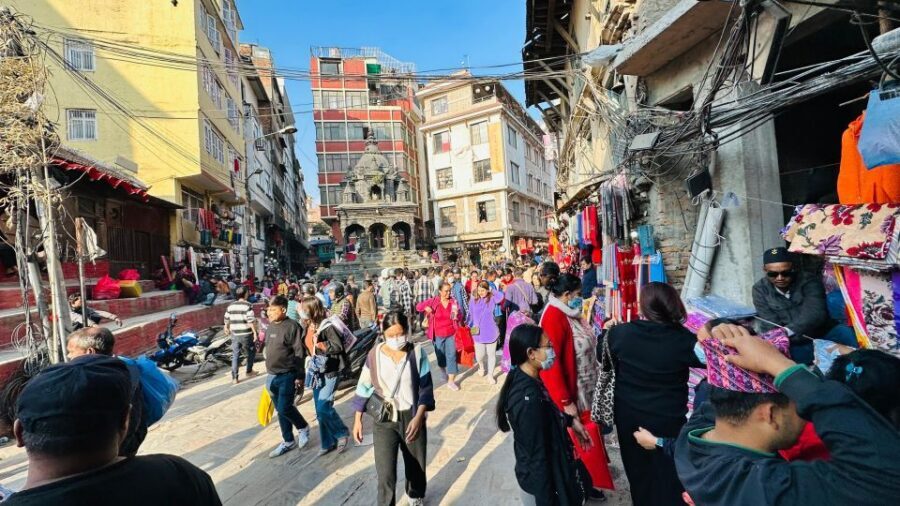
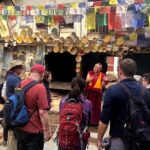
One of the best parts of this walk is the Shanti Bihar Stupa stop. It functions like a breather: you go from shop chatter and foot traffic into a quieter space designed for reflection. You’ll feel why people treat sacred sites as more than scenery.
This is also where your guide’s role really pays off. A certified guide can help you notice how worship is practiced, not just what the building looks like. You’re learning how the city organizes its moments of peace.
Practical note: even if the pace stays comfortable, sacred sites often mean watching where you step and being mindful in your body language. Bring the mindset of “slow down and observe,” not “power through the photos.”
Akash Bhairab Temple in Indrachowk: devotion at street level
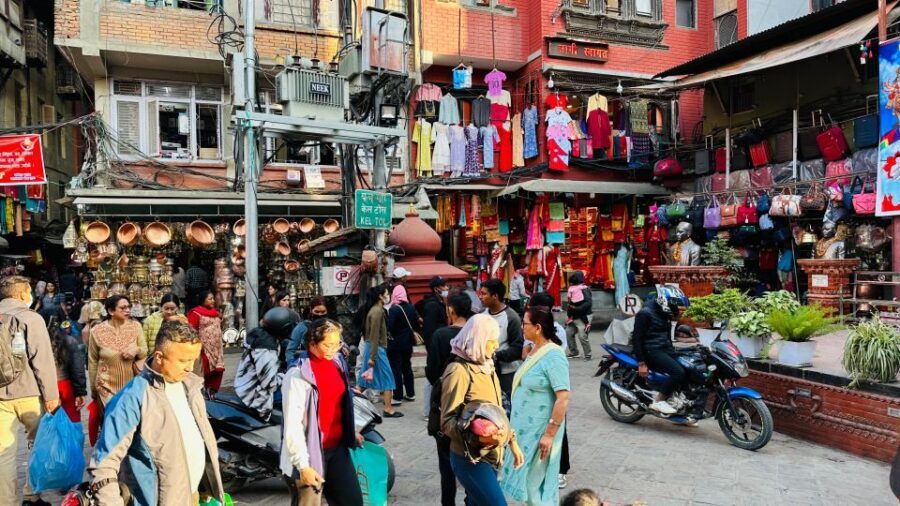
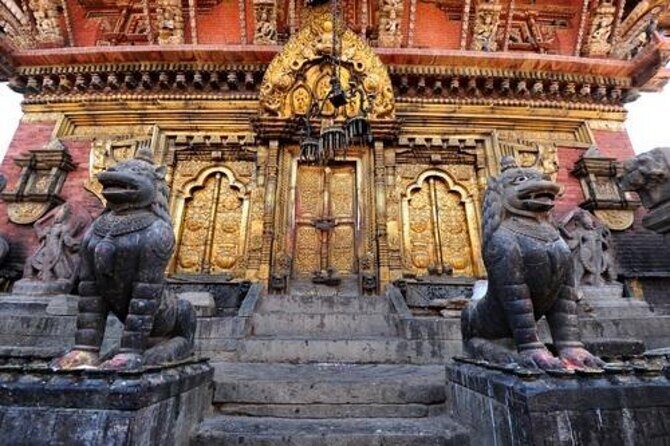
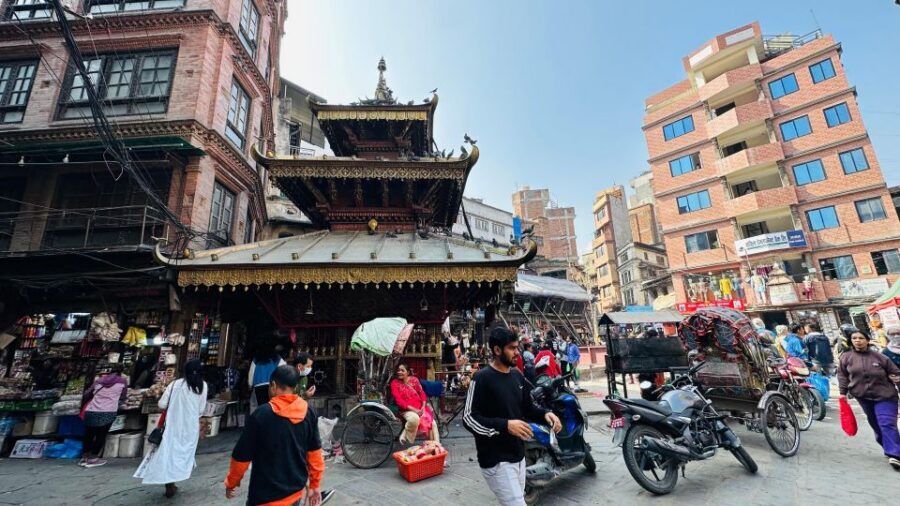
Next comes Akash Bhairab Temple in Indrachowk, which is exactly the kind of place you might miss if you’re only chasing famous monuments. This stop has a strong devotional atmosphere, and it’s the kind of location where faith isn’t separated from daily life—it sits right in the middle of it.
Indrachowk also helps you read Kathmandu as a city of intersections: commerce, people, and religion share the same space. When your guide points out what to look for—symbols, ritual behavior, and the meaning people attach to the site—you start seeing patterns instead of random details.
If you like history but also like understanding how things feel now, this temple stop hits a sweet spot. It’s not just theory; it’s a living place.
Gold Souq and temple courtyards: craftsmanship beside worship
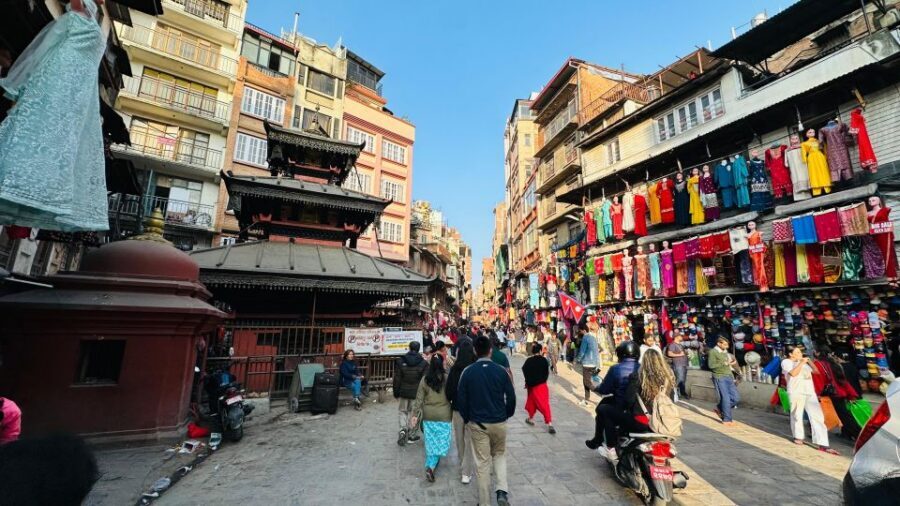
Then you get a shift from pure religion to craft and trade with the Gold Souq. Even if you don’t buy jewelry, this area helps you understand how Kathmandu’s economy and culture connect. You’re seeing skillful work and learning why certain crafts matter in a city where artisanship is part of identity.
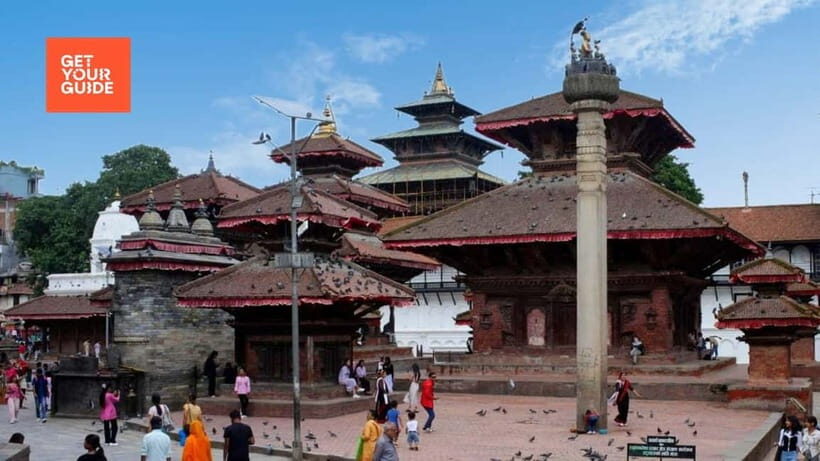
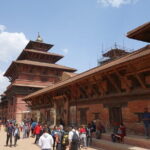
After the souq, your route continues to Sankata Temple and Mahankal Bhairab. This is a good pairing because it shows how different kinds of importance exist side by side—market value and spiritual value—within the same broader city center. It also gives you variety in what you’re observing: design and materials in the souq, then worship customs in the temple areas.
One small caution: places like these can get crowded, especially near peak visiting times. If you like taking photos, aim for short bursts and let your guide manage where you stop so you don’t block others.
You can also read our reviews of more historical tours in Kathmandu
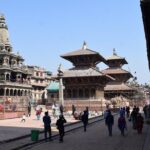

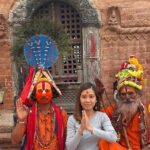
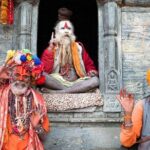

Bhotahiti and Annapurna Temple: water, worship, and architectural details
Bhotahiti is where the tour leans into local flavor. The area’s character helps you shift from “sightseeing mode” into “daily life mode,” which is often where the city becomes memorable. You’re not just looking at buildings; you’re seeing how people move and interact.
Then it’s Annapurna Temple, a stop that focuses on architectural splendor in the city center. Annapurna is deeply connected to food and nourishment in Nepalese cultural life, so it’s a meaningful place to see after you’ve walked through market-oriented areas. The tour’s flow makes sense: markets tell you what people seek; temples tell you why certain meanings attach to daily needs.
If you’re the kind of traveler who loves architecture, Annapurna is one of the places where your eyes can slow down. You’ll want to take a careful look at details, even if you only have a short time at each stop.
Price and pace: what $40 buys you in 3.5 hours
At $40 per person for a 3.5-hour private walk, the value comes down to two things: guidance and time efficiency. You’re paying for a government certified guide, plus 1000ml mineral water and service charge included. You’re not paying for transport, meals, or extra stops that often balloon costs on your own.
The “private group” format also matters. One review highlighted that guide Martin set a pace that covered a lot of ground without being too strenuous for seniors. Another set of experiences praised guide Madan for professionalism and time efficiency. You can take those as signs that the guides here tend to focus on getting you to the right places without turning it into a slog.
Still, it’s a walking tour. If you struggle with longer distances, you may feel it more than someone who regularly walks in cities.
What’s included, what’s on you, and what to bring
Included in the tour:
- A government certified guide (English-speaking)
- 1000ml mineral water
- Service charge
Not included:
- Transportation (if you need it)
- Meals and drinks
- Personal expenses
Bring:
- Passport
- Comfortable shoes (non-negotiable)
- Umbrella
- Camera
- Comfortable clothes
- Face mask or protective covering
I’d treat the umbrella as a must, not a maybe. Kathmandu weather can change fast, and temple courtyards don’t stop being slippery just because it’s raining. Also, since the tour includes religious areas, dress comfortably and keep footwear easy to manage when you’re moving in and out of spaces.
Who should book this Kathmandu Heritage Walk
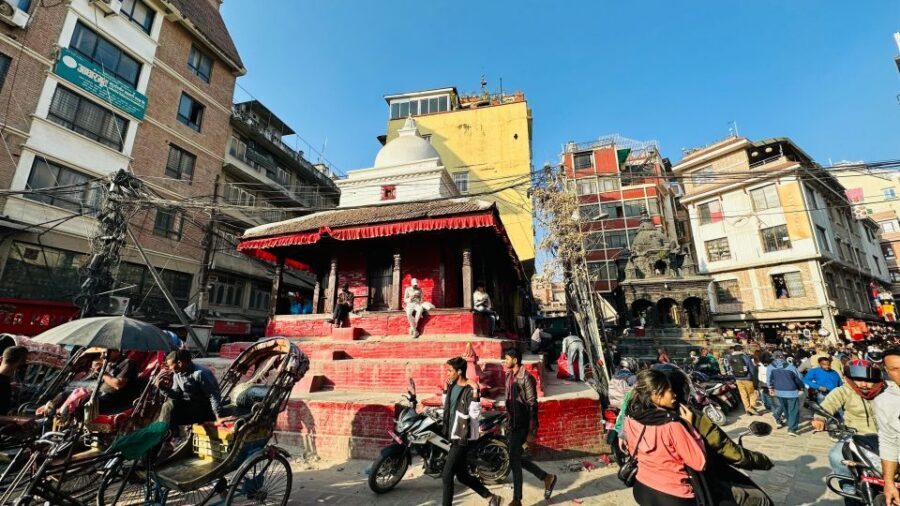
This walk is a great fit if you want a guided understanding of Kathmandu’s religious and market life, and you like the idea of a structured route without jumping to distant neighborhoods.
It’s especially good for:
- First-time visitors who want a city-center orientation
- Travelers who enjoy temples but also like markets and crafts
- People who want an English live guide and a private pace
It’s not suitable for:
- Pregnant women
- Wheelchair users
- Babies under 1 year
- People over 95 years
- People over 70 years
If any of those apply, you’ll need a different plan. And even if you’re within the age range, listen to your body. This tour is 3.5 hours, but you’re on foot for most of it.
A simple strategy to get more out of every stop
Your best tool here isn’t a map—it’s questions. Ask your guide what each site represents and what people do there day to day. You’ll remember meanings better than just names.
Also, use the pace to your advantage:
- Spend an extra minute in each temple courtyard to watch how people behave.
- At the Gold Souq, look for craftsmanship and tools, not just finished products.
- In Thamel, use the early minutes to notice what kind of streets you’re walking—so the rest of the walk makes sense.
Finally, plan your day so you don’t rush. If you come right from a flight or you have another major activity right after, you’ll miss some of the calm parts like Shanti Bihar Stupa.
Should you book Kathmandu Heritage Walk (Heritage Walk of Kathmandu)?
If you want a guided, compact introduction to central Kathmandu—temples plus markets—this is an easy yes. For $40, you’re buying a government certified English guide, built-in water, and a route that helps you connect the city’s faith and daily commerce without dealing with navigation stress.
I’d skip it if you need lots of step-free access, you know walking-heavy routes wear you out, or you’re hoping for UNESCO World Heritage sites. This tour specifically avoids those sites, which can be either a plus (less crowded, more offbeat) or a dealbreaker (if that’s your top priority).
If you’re curious, reasonably mobile, and you like seeing how real Kathmandu works beyond the biggest sights, book it. It’s a smart first taste of the city’s cultural texture, one turn at a time.
FAQ
Is transportation included in the Kathmandu Heritage Walk?
No. Transportation is not included. The tour start/end is from Thamel.
Where does the tour start and end?
The tour starts and ends in Thamel. The meeting point is the Breakfree Adventures entrance in front of Everest Bank Limited.
How long is the tour?
The duration is listed as 3.5 hours.
What’s included in the price?
Included items are a government certified guide, 1000ml mineral water, and service charge.
What’s not included?
Meals and drinks are not included, and personal expenses are also not included. Transportation is not included if needed.
Is the tour private?
Yes. The tour is described as a private group, with a live English tour guide.
Are UNESCO World Heritage sites included?
No. UNESCO World Heritage sites are not included on this tour.
What should I bring?
You should bring a passport, comfortable shoes, an umbrella, a camera, comfortable clothes, and a face mask or protective covering.