REVIEW · KATHMANDU
Walking Street Food Tour in Kathmandu
Book on Viator →Operated by Yakthung Tours and Travels · Bookable on Viator
Kathmandu food gets easier fast with a local in front of you. This walking street-food tour is built for real sampling, with hotel pickup and at least 5 dishes and drinks folded into the price. You also get cultural context as you go, not just a list of snacks to shove into your day.
I especially like the way the route balances everyday market energy with major historic surroundings. Asan Market gives you the street-life view of Kathmandu, while Kathmandu Durbar Square puts food in the shadow of prayers, temple bells, and centuries-old palace grounds. Expect a thoughtful, paced walk that keeps you moving through the city’s textures.
The one thing to consider is that it is still a walk through crowded streets and alleys, so comfortable shoes matter. Also, it’s 18+ only, so plan around that if you’re traveling as a family or with younger folks.
In This Review
- Quick hits: what makes this tour worth your time
- Price and logistics: getting $48 to feel like a deal
- Why a guide turns Kathmandu street food from risky to fun
- Asan Market: eating while you watch Kathmandu at street level
- Kathmandu Durbar Square: snacks next to prayers and incense
- What you eat: teas, juices, lassi, and more than a few bites
- Guides and navigation: why the best part might be your guide
- Walking time, timing, and what to wear
- Who should book this Kathmandu street-food tour
- Should you book this Walking Street Food Tour?
- FAQ
- Is this tour only for adults?
- How long is the walking street food tour?
- What’s included in the price for food and drinks?
- Do you accommodate vegan or vegetarian diets?
- Is hotel pickup offered?
- Where does the tour start and end?
- Is admission included for the stops?
- Can I cancel and get a full refund?
- Is alcohol included?
Quick hits: what makes this tour worth your time
- Hotel pickup means less guessing and more eating time
- At least 5 tastings (including drinks) with the option to go beyond the minimum
- Asan Market for street stalls, temples, and everyday Kathmandu bustle
- Durbar Square for history-in-context while you sample local favorites
- Vegan/vegetarian friendly when you tell your guide ahead of time
- Local navigation help for the tight lanes where you’d otherwise wander in circles
Price and logistics: getting $48 to feel like a deal
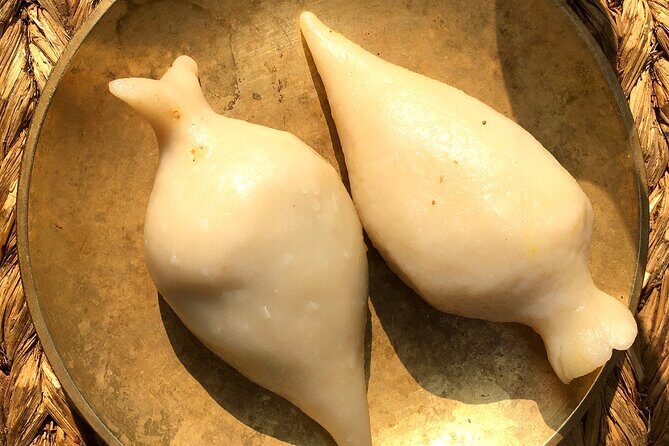
Let’s talk value, because $48 in Kathmandu can be either a bargain or a dud depending on what you actually get. Here, the price is tied to one clear goal: you’re paying for a few focused hours of guidance plus food and drinks. The tour explicitly includes lunch-like eating, with you eating as much as you can, and it also sets a tasting floor of at least five typical dishes and drinks.
That matters because street food is one of those travel categories where your “cheap” snack can quickly turn into a day of piecing things together yourself. With this tour, you’re not hunting menus, translating ingredients, or wondering if a stand is clean enough. You’re walking with someone who knows where locals actually go.
A couple more practical notes: alcohol is not included, so if you’re expecting beers or cocktails, budget separately. Also, admission for the main sites on the route is listed as free, which helps keep the day simple.
You can also read our reviews of more walking tours in Kathmandu

Why a guide turns Kathmandu street food from risky to fun
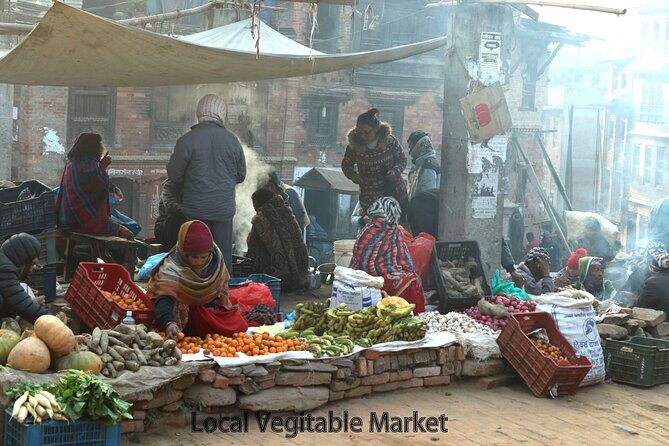
Street food in Kathmandu isn’t just about flavor. It’s about pattern: where people queue, how orders are placed, what’s typically paired together, and which stalls make sense at your walking pace. A good guide also helps you read the space. You learn what you’re looking at, why locals trust certain places, and how temple and market life shape what’s served.
This tour leans hard into that practical street orientation. You’re shown around places like Asan, where you’re moving through multiple “levels” of market activity while picking up context about temples, vendors, and food culture. That’s the difference between tasting and sightseeing-by-snack. You’re not just eating; you’re learning how the city feeds itself.
From the guide side, multiple guides are mentioned across experiences, including Anoj (former chef), Raj, Deepak, Kabita, and others. The recurring theme is that the guides don’t treat the food stops like a script. They tailor what you taste and how you move through areas that can feel confusing without local help.
Asan Market: eating while you watch Kathmandu at street level
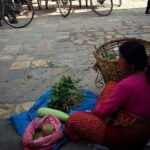
Asan is the kind of place where your first instinct might be to pick one lane and start grazing. Instead, this tour brings you in with structure: your guide meets you and walks with you toward Kathmandu’s busiest market area, explaining what you’ll see and what each stop is really about.
What makes Asan special for food lovers is that it sits right next to the broader cultural landscape. You’re not only surrounded by vendors; you’re also near old temples and older forms of commerce where everyday needs and religious life overlap. That adds meaning to what you’re tasting. You’re eating in the same atmosphere as the people who live here, not in a separated tourist food world.
You get around a lot on foot here, and the pacing is designed to keep you from feeling like you’re sprinting between stalls. One practical drawback: Asan is busy. If you get overwhelmed by crowds, go in with patience and don’t try to “win” the day by consuming everything at once.
Also, the tour notes this stop runs about two hours, so it’s long enough to feel like a real market experience rather than a quick drive-by.
Kathmandu Durbar Square: snacks next to prayers and incense
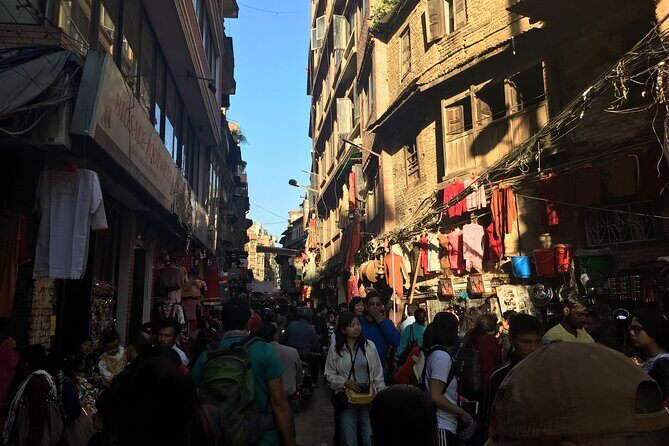
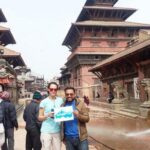
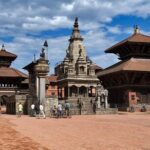
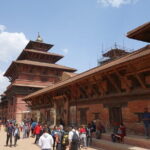
After Asan, the tour shifts you into a different Kathmandu mood. Kathmandu Durbar Square is described as a 16th-century palace of Pratap Singh Malla, and the experience ties the food route directly to the setting of old shops and temple activity.
This is where the tour earns points for atmosphere. You’ll see older shops selling everyday items like spices, tea, and cookies. You’ll also be walking amid crowds praying in temples. The soundscape matters too: temple bells and incense smell are part of the environment, and they set the tone while you’re eating.
One consideration here is that this is a working religious and cultural space, so it’s not a “photos-only” zone. You’ll want to stay mindful as you walk through crowded temple areas. The benefit is that your food doesn’t feel disconnected. It’s grounded in place.
This stop is also about two hours, with admission listed as free, which keeps your day from becoming a checklist of fees.
What you eat: teas, juices, lassi, and more than a few bites
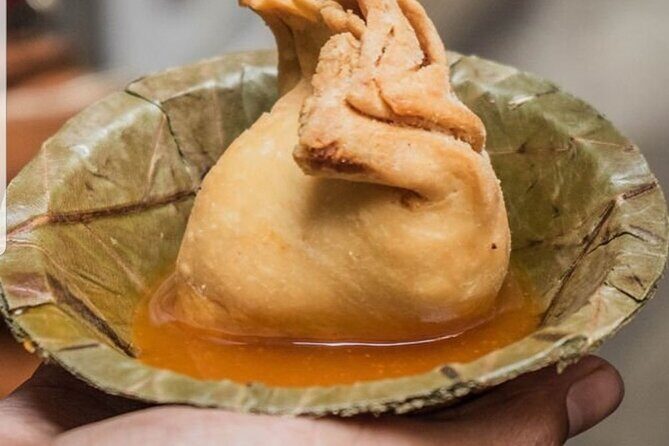
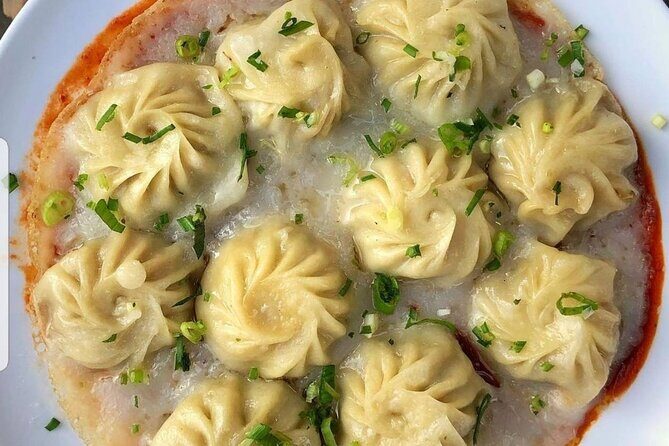
The tour is explicit about tasting: you’ll sample at least five typical dishes and drinks, and cost includes all food and drinks. The drinks listed include Nepali masala tea, fresh juices, lassi, and soft drinks. That’s a helpful baseline because it covers both hot and cold options and gives you liquids that are common in Nepalese meals.
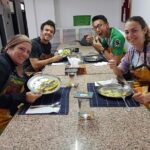
In real life, street-food tasting usually comes in waves. One reason people rate this tour so highly is that it feels like a lot of food without you having to manage ordering each time. More than one experience mentions trying many items (some report more than ten dishes), which suggests that the minimum isn’t the ceiling.
If you’re vegan or vegetarian, the tour states they can cater easily as long as you let your guide know. That’s important. You’re not asking for special treatment at each stop. You’re working within a guided plan where your needs are considered from the start.
One more food tip from the experiences shared: show up hungry. People specifically recommend eating a small breakfast and saving room for the walking and the tastings. If you arrive full, you’ll lose the best part of the tour, which is variety.
You can also read our reviews of more food & drink experiences in Kathmandu
Guides and navigation: why the best part might be your guide
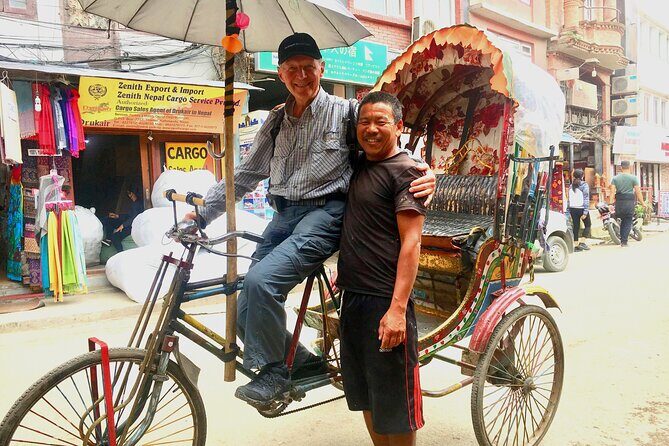
This is a private tour/activity, meaning you’re with your group only. That matters because street food works better when your guide can adjust pace to your appetite and comfort level.
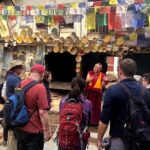
Several guides are named in experiences, and the praise is surprisingly consistent. Guides are often described as friendly, easy to talk with, and quick to explain not just the food, but the culture and how it connects to Hindu and Buddhist life in Kathmandu. Aloj (Anoj) is repeatedly singled out, with one mention of his background as a former chef. Kabita shows up in multiple accounts, including one where a solo female traveler appreciated having a female guide. Raj and Deepak also receive strong mention for pairing food with context and for choosing local places that are tough to find on your own.
The practical navigation piece is a big deal in Kathmandu. Tight streets and alleyways can feel like a maze. Guides help you avoid wandering, and they also prevent the common mistake of walking past the places locals are actually using because the exterior looks ordinary.
If you value learning while you eat, this is the tour style that tends to deliver. You get stories alongside snacks, plus guidance for how to handle the city after you’re done.
Walking time, timing, and what to wear
The tour duration is about 3 to 4 hours. That’s a sweet spot: long enough to cover two major areas (Asan and Durbar Square) and still feel like a real food day, without eating through your whole afternoon.
Your day starts from the meeting point at Kathmandu Guest House (Saathgumti-16, Kathmandu 44600), and the tour ends back at the meeting point. Pickup is offered from your hotel, which helps if you’d rather not plan the first mile.
Wear comfortable clothes, and prioritize comfortable walking shoes. You’re going to be moving through crowds and uneven urban lanes. This isn’t a sit-and-sip tour. You’ll be standing, walking, and stopping often.
Also plan your stomach for steady intake. The tour includes lunch-like eating and a minimum tasting requirement, so you’re not just sampling five “starter” bites. Many experiences emphasize that you’ll be satisfied for hours afterward.
Who should book this Kathmandu street-food tour
This tour is a strong fit if you want:
- A first-day introduction to Kathmandu food culture and major landmarks
- A guided way to find local eateries and avoid tourist-only menus
- A mix of market energy (Asan) and historic temple setting (Durbar Square)
- Vegan/vegetarian flexibility when you communicate needs to your guide
- A private-group experience with a real person leading the pacing
You might want to skip it if:
- You dislike walking in busy areas
- You only want alcohol-focused food stops (alcohol is not included)
- You prefer food without cultural or religious context
One smart use case: go early in your trip. A food tour like this helps you get your bearings fast, so later you can explore on your own with more confidence about where to eat.
Should you book this Walking Street Food Tour?
I think you should book it if you’re excited by the idea of eating your way through Kathmandu while someone handles the hard parts: finding trustworthy local stalls, keeping the pace right, and explaining what you’re tasting in relation to the city around it. The combination of pickup, at least five tastings, and a route that pairs Asan Market with Durbar Square is a very practical way to spend half a day.
If you’re unsure, ask yourself one question: do you want guidance so you can eat more confidently and learn as you go? If yes, this tour is built for you.
FAQ
Is this tour only for adults?
Yes. The tour is noted as for those 18 and older.
How long is the walking street food tour?
It lasts about 3 to 4 hours.
What’s included in the price for food and drinks?
You get lunch-style eating and a tasting with a minimum of five typical dishes and drinks. Items listed include Nepali masala tea, fresh juices, lassi, and soft drinks, and the tour cost includes all food and drinks.
Do you accommodate vegan or vegetarian diets?
Yes. The tour notes that vegan and vegetarian visitors can be catered to easily if you let your guide know so they can tailor what you eat.
Is hotel pickup offered?
Pickup is offered.
Where does the tour start and end?
It starts at Kathmandu Guest House, Saathgumti-16, Kathmandu, and ends back at the same meeting point.
Is admission included for the stops?
Admission is listed as free for the stops, including Asan and Kathmandu Durbar Square.
Can I cancel and get a full refund?
Yes. Free cancellation is offered up to 24 hours in advance for a full refund.
Is alcohol included?
No. Alcoholic beverages are not included, and food and beverage not within the scope of the tour isn’t included.