REVIEW · KATHMANDU
Kathmandu: Private UNESCO World Heritage Site Tour
Book on GetYourGuide →Operated by Outshine Adventure Pvt Ltd · Bookable on GetYourGuide
Four UNESCO stops, one day, easy rhythm. This Kathmandu Valley private tour strings together Pashupatinath, Boudhanath, Swayambhunath, and Kathmandu Durbar Square, with an expert guide helping you connect the religious meaning to the stone in front of you.
I love the private transportation here, because Kathmandu traffic can be a time-eater, and having your own car keeps your sightseeing flow intact. I also like the range: you get big, world-famous monuments and the smaller temple details—carvings, symbolism, and ritual spaces you’d miss if you only snapped photos.
One consideration: monument entrance fees aren’t included, and the day involves a lot of walking plus stairs. If heat or endurance is an issue for you, plan your breaks and bring water.
In This Review
- Key takeaways before you go
- Why these four UNESCO sites fit together so well
- Price and what’s actually good value at $50
- How the day runs: pickup zones, pacing, and realistic expectations
- Swayambhunath Temple: Monkey Temple views without the chaos
- Kathmandu Valley on foot: where architecture turns into a story
- Kathmandu Durbar Square: temples that make time feel tangible
- Boudhanath Stupa: the largest in South Asia, and the meaning behind the circle
- Pashupatinath Temple: ritual energy, temple bells, and what to expect
- Private guide impact: what strong guides do with a packed day
- Who this tour suits best (and who might want something else)
- Should you book Kathmandu: Private UNESCO World Heritage Site Tour?
- FAQ
- What UNESCO sites are visited on this tour?
- How long is the Kathmandu UNESCO tour?
- What is the price per person?
- Is hotel pickup and drop-off included?
- What languages is the live guide available in?
- Is private transportation included?
- Are meals included?
- Are monument entrance fees included?
- Is cancellation free?
Key takeaways before you go
- Private car comfort in Kathmandu traffic so you spend more time at temples and less time stuck in the city
- A guided explanation of religion and symbolism so the sites feel meaningful, not just impressive
- Swayambhunath’s Monkey Temple energy with a real walking circuit and great viewpoint angles
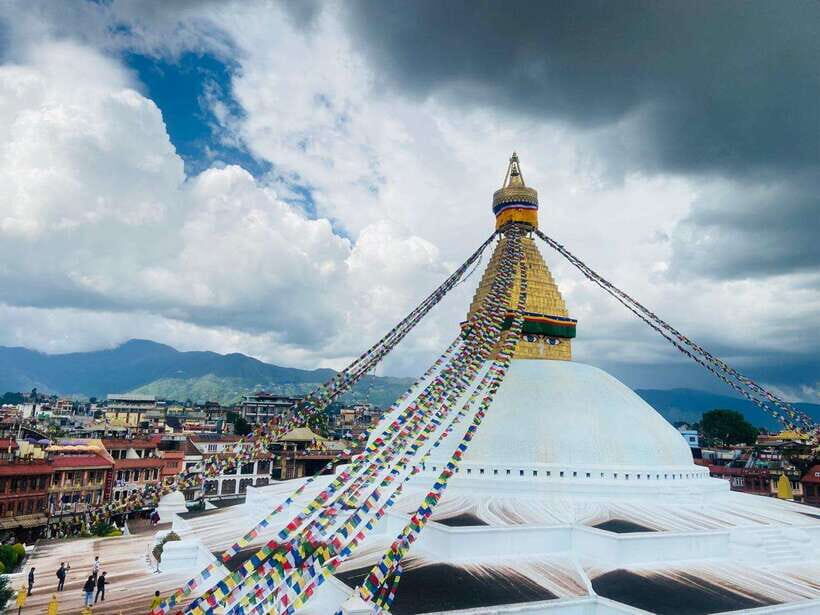
- Boudhanath Stupa scale—you’ll see why it’s called the largest stupa in South Asia
- Pashupatinath’s ritual intensity where temple sound and spiritual practice shape the atmosphere
- Flexibility from strong guides showing up repeatedly in feedback, including named guides like Ramesh and Rajendra Manandhar
Why these four UNESCO sites fit together so well
Kathmandu’s UNESCO story isn’t just about one famous building. It’s about a whole system of sacred space—Hindu temples, Buddhist stupas, carved courtyards, and city squares that have served religious life for centuries.
What I like about this route is that it creates contrast. You start with Swayambhunath, where the climb and the monkey sightings bring a playful, street-level feel. Then you move through Kathmandu Valley’s temple zones, where you can connect architecture to everyday devotion. After that, the day flows into two heavyweight spiritual anchors: Boudhanath, with its huge stupa presence, and Pashupatinath, where you’ll feel how central ritual is to Kathmandu’s daily rhythm.
And here’s a helpful context nugget I always keep in mind in the Valley: the Kathmandu Valley name is tied to the Kasthamandap temple, said to be built from a single tree. Even if you don’t stand in front of that exact structure, the idea that this place is deeply rooted—literally and culturally—helps the whole day click.
You can also read our reviews of more private tours in Kathmandu

Price and what’s actually good value at $50
At $50 per person for a full day, the value comes from what you get packaged together: an expert guide, hotel pickup and drop-off, and private transportation, plus all taxes.
What you don’t get is just as important for budgeting: meals and drinks aren’t included, and monument entrance fees aren’t included. That doesn’t mean the trip is bad value—it just means you should plan for additional spend once you’re in the sites. If you know you’ll want snacks during a hot walking day, bring your own or set money aside so you don’t scramble.
For me, the best “value” part is the guide. When you’re seeing UNESCO sites back-to-back, you need interpretation to avoid temple overload. A strong guide turns the day into an actual narrative: why certain designs matter, what rituals look like, and what you’re seeing when people gather in the same spots every day.
How the day runs: pickup zones, pacing, and realistic expectations
This is a one-day tour, with pickup options in central Kathmandu (including Paknajol Marg). Drop-off is back in the same Kathmandu area after sightseeing.
The route is built around a mix of guided time and walking:
- Swayambhunath gets a guided visit plus walking time
- Kathmandu Valley is the long stretch—plan for a longer day on foot
- Kathmandu Durbar Square is another focused stop with a shorter walk window
- Boudhanath includes guided time plus free time for your own pace
- Pashupatinath combines guided context with free time
Practical tip: this kind of itinerary rewards smart pacing. Wear shoes you trust. If you want photos, take them while you’re walking through—then use the free-time blocks to slow down and look. Heat can build quickly in Kathmandu, so keep breaks short but frequent.
Also, bring your passport or ID card. That’s explicitly listed as required, and it’s the kind of detail that can slow you down if you forget it.
Swayambhunath Temple: Monkey Temple views without the chaos
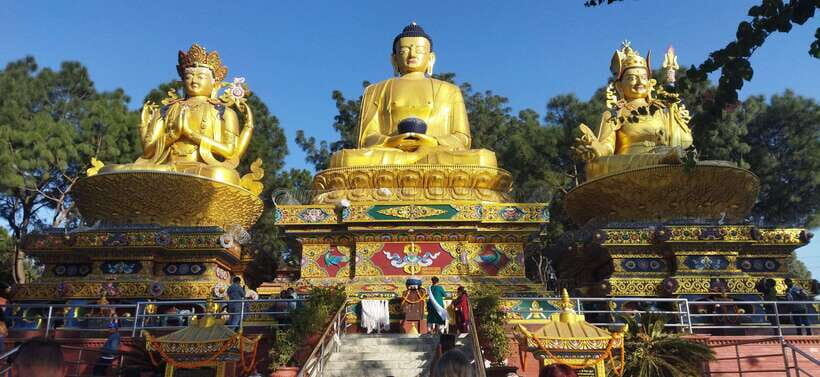
Swayambhunath is often called the Monkey Temple, and that nickname isn’t just marketing. You’ll see why—monkeys live in the area, and their presence adds a lively, watch-your-step feel to the visit.
This stop is scheduled for about 2 hours with a guided component and walking. That’s a good amount of time because it lets you do two things well: (1) learn what you’re seeing while you move, and (2) pause for views. Swayambhunath sits above Kathmandu, so you get the kind of skyline perspective that helps you “place” the rest of the day.
A tip that makes this stop nicer: go slow on the approach and don’t rush the viewpoint moments. The climb can be tiring, but that’s where you start understanding the Valley’s geography.
Kathmandu Valley on foot: where architecture turns into a story
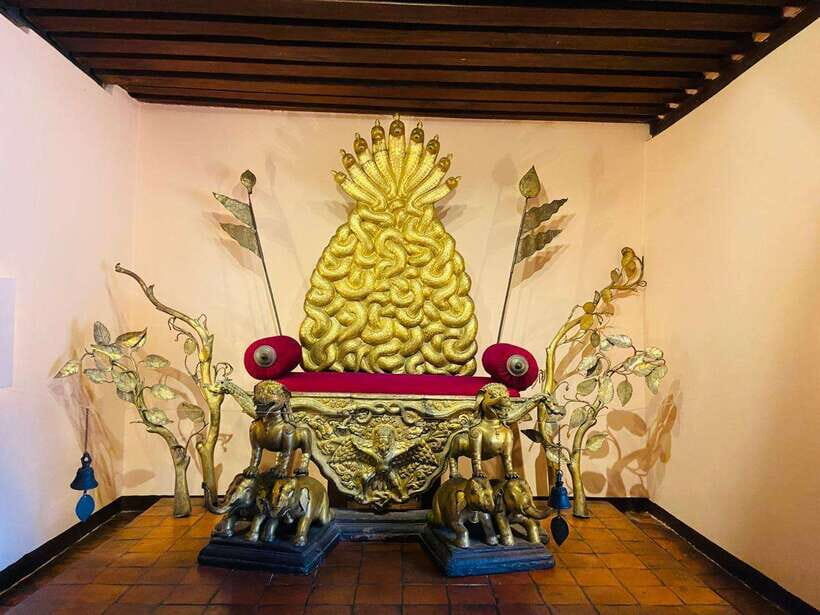
After Swayambhunath, you’ll spend the bulk of your guided time in what’s described as Kathmandu Valley—about 6 hours of visit, sightseeing, and walking.
This is the part of the day that often determines whether the tour feels fast and forgettable or full and memorable. The Valley is known for being the city of temples, and you’ll feel it in the density of sacred sites and the way art and religion show up in small details: carving patterns, repeated symbols, and temple layouts that signal how people worship.
One key idea I found useful in the background info: Nepal is presented as a repository of ancient civilization and culture, and Kathmandu’s metro area connects multiple historic cities like Lalitpur, Kantipur, Kirtipur, and Bhaktapur. Even if you don’t tour all of those areas in one day, the Valley stop helps you grasp that this region is a web of heritage, not isolated monuments.
Where this can be hard: six hours means you’ll want to be ready for walking. If you’re prone to getting sore, this is where you’ll benefit most from a guide who knows when to slow down and when to keep moving.
You can also read our reviews of more historical tours in Kathmandu
Kathmandu Durbar Square: temples that make time feel tangible
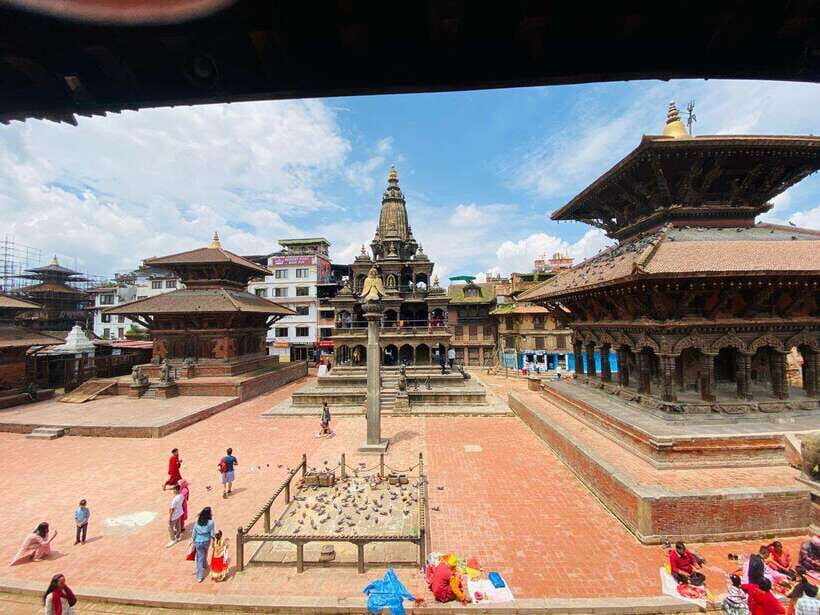
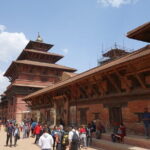
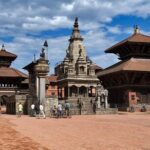
Next up is Kathmandu Durbar Square, scheduled for about 2 hours with guided sightseeing and walking.
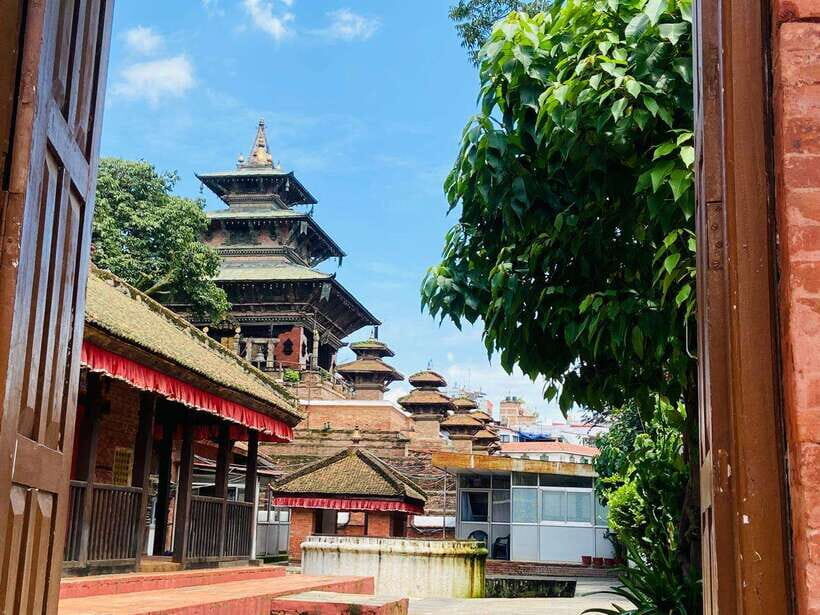
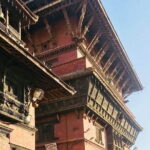
This is one of the places where the UNESCO label feels practical, not abstract. You’re looking at temples that date back as far as the third century, which is wild to think about in a modern city. Durbar Square is also where the “city life around worship” feeling shows up—people moving, looking, praying, and gathering in a space that has long held that role.
Why this stop matters for first-timers: it gives you an anchor. After the more panoramic feeling of Swayambhunath and the wider Valley movement, Durbar Square brings everything into a tight, readable cluster. It’s easier to understand the architectural language once you’ve seen enough sites.
Drawback to plan for: Durbar Square can get busy, and with walking involved, you’ll want to be patient when foot traffic slows down. Your guide helps you keep the flow so you still see what you came for.
Boudhanath Stupa: the largest in South Asia, and the meaning behind the circle
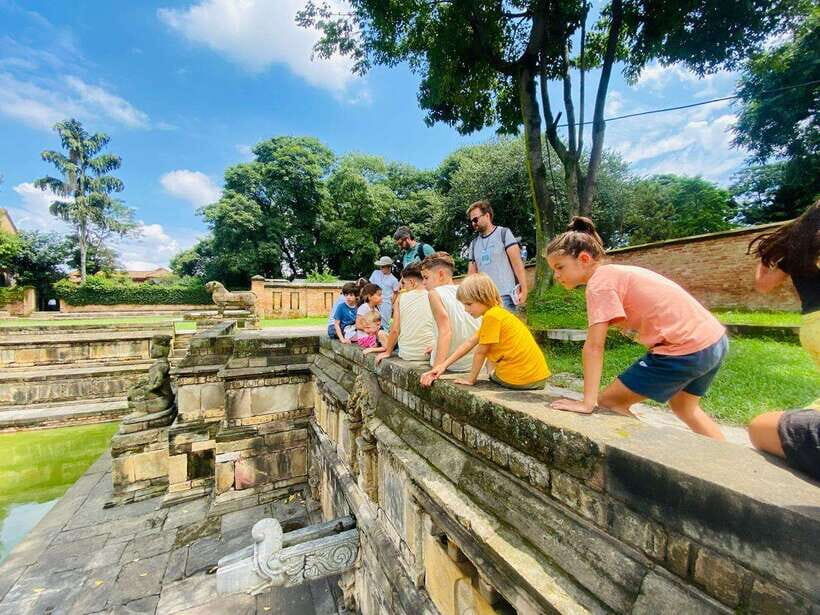
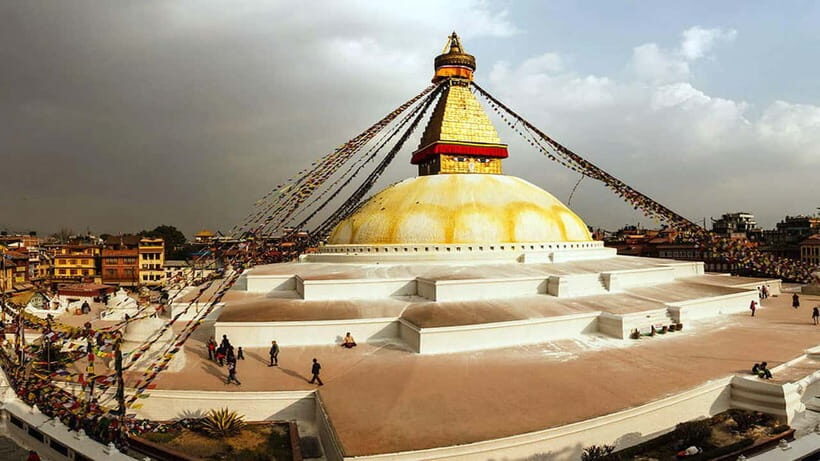
Boudhanath Stupa is listed as the largest stupa in South Asia, and it earns that reputation in person. The scale is the first thing you notice, but the real impact comes from how people move around it—circling, pausing, and treating the stupa as a living focal point rather than a museum object.
This stop includes guided time plus about 1 hour of free time, which is perfect. Use the guided portion to understand what the stupa represents and how to watch for ritual behavior. Then use free time to walk at your own speed, take photos, and sit for a moment if you want the experience to sink in.
Practical advice: bring your patience for crowds, but don’t let that shorten your look. Stupas are designed for steady attention. If you only glance and move on, you miss the rhythm.
Pashupatinath Temple: ritual energy, temple bells, and what to expect
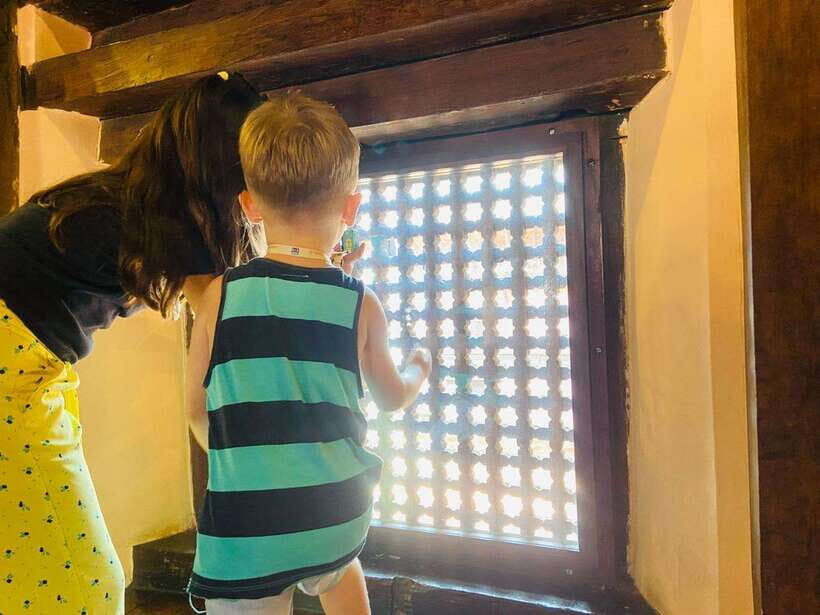
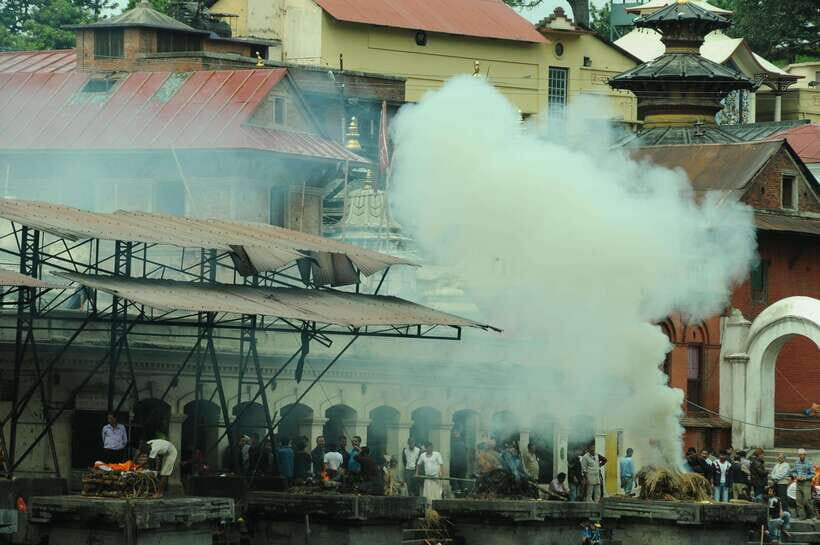
Pashupatinath Temple is described as one of the most sacred Hindu temples in Nepal, and the atmosphere reflects that. The info also notes that mornings begin with the melodic chime of bells from Pashupatinath, filling the city with religious energy.
Your visit includes guided time plus about 2 hours on site with free time. That setup helps because Pashupatinath isn’t the kind of place where you want to sprint. You’ll want time to watch how worship is practiced, how people behave respectfully, and how the space feels like a working religious center.
Here’s what I’d treat as a “you’ll thank yourself later” tip: keep your attention flexible. If your guide points out details—carvings, ritual areas, or the reasons people gather in certain spots—follow their lead. It changes the experience from sightseeing to understanding.
Also, consider weather. One review requested a water bottle because it was hot. Since meals aren’t included, you should plan your hydration.
Private guide impact: what strong guides do with a packed day
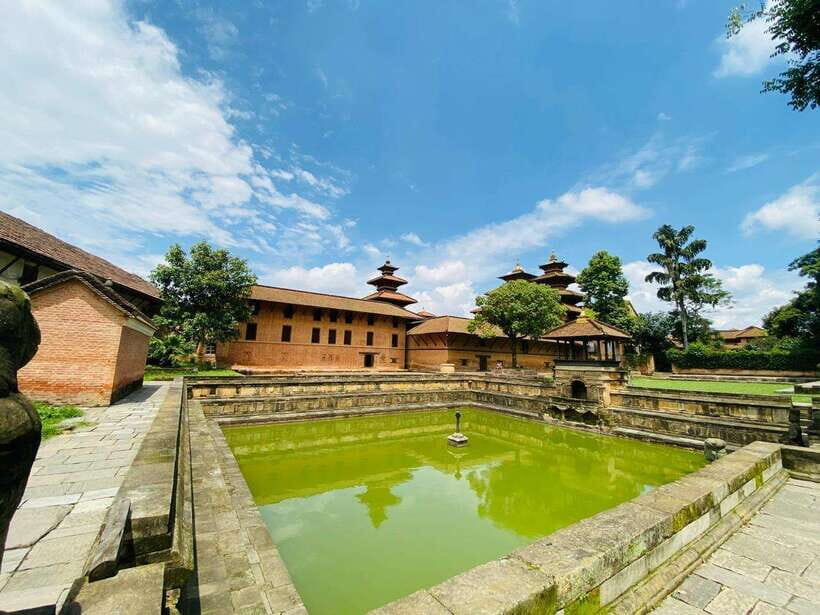
A tour like this lives or dies by the guide. In the feedback, the standout theme is not just facts—it’s how the guide handles the pace and your questions.
Names that show up in highly rated feedback include Ramesh, Rajendra Manandhar, Badri Nepal, Niraj, and Binh. People praised them for being caring and helpful, for explaining the cultural and religious significance clearly, and for being flexible when plans shift.
What that means for you:
- You get clearer context fast, so you don’t lose the thread between sites
- You’re more likely to get practical help if you need it (like suggestions for local items such as malas, bracelets, or thangka paintings)
- You can sometimes adjust timing slightly so you don’t feel rushed through one stop
One review even mentioned a driver who handled tight Kathmandu traffic well, and one noted an air-conditioned car as a major comfort boost. That matters because it makes the day feel smoother rather than stressful.
Who this tour suits best (and who might want something else)
This tour is ideal if:
- you’re in Kathmandu for a short stay and want the big UNESCO hits in one day
- you like learning the meaning behind what you see, not just snapping pictures
- you want a guide to handle the timing and route logic for a packed itinerary
It may feel like a lot if:
- you have mobility limits or low tolerance for long walking and stair-heavy sites
- you prefer slow museum-style pacing over temple-to-temple movement
- you’d rather pay fewer entrance-related extras and keep the day simpler
The good news is that the tour is structured with guided blocks and free time at key places (like Boudhanath and Pashupatinath), so you can breathe and reset.
Should you book Kathmandu: Private UNESCO World Heritage Site Tour?
If you want a high-impact day that connects four UNESCO sites with real explanations and comfortable private transportation, this is a strong choice. It’s especially good for first-time visitors who want the Valley’s religious geography explained in plain language.
I’d book it if you’re comfortable with walking and you’re ready to budget for entrance fees and snacks. If you want to spend extra time at one site or you’re worried about heat, pick this only if you’re likely to ask for sensible pacing during the day—because this tour’s best results seem to come when the guide can adapt.
FAQ
What UNESCO sites are visited on this tour?
You’ll visit Pashupatinath Temple, Boudhanath Stupa, Swayambhunath Stupa, and Kathmandu Durbar Square.
How long is the Kathmandu UNESCO tour?
The duration is 1 day.
What is the price per person?
The price is $50 per person.
Is hotel pickup and drop-off included?
Yes. You get hotel pickup and drop-off in Kathmandu (including options like Paknajol Marg).
What languages is the live guide available in?
The live tour guide is available in English and Spanish.
Is private transportation included?
Yes. The tour includes private transportation.
Are meals included?
No. Meals & drinks are not included.
Are monument entrance fees included?
No. Monuments entrance fees are not included.
Is cancellation free?
Yes, it offers free cancellation up to 24 hours in advance for a full refund.