REVIEW · KATHMANDU
Dhulikhel to Namobuddha Day Hike with Lunch – Private/Group
Book on GetYourGuide →Operated by Relax Getaways Pvt. Ltd · Bookable on GetYourGuide
Namobuddha is the kind of quiet you can feel. This Dhulikhel-to-Namobuddha day hike turns the usual Kathmandu routine into a real out-of-town walking day, with village paths, terraced fields, and big mountain views when the sky cooperates. I especially like the mix of ridgeline countryside plus a genuine Buddhist pilgrimage stop that feels peaceful, not touristy.
Two things I’d highlight right away: first, the guided portion is geared to help you understand what you’re seeing as you walk, rather than just pointing at buildings; second, the tour includes a boxed lunch with water, fruit, and snacks so you’re not stuck hunting for food mid-hike. One consideration: the hike is described as moderate (about 2.5–3 hours on foot), so you’ll want decent shoes and basic fitness.
In This Review
- Key Things to Know Before You Lace Up
- From Thamel to Dhulikhel: How the Day Gets Moving
- Morning Temple Stops: Swayambhunath, Patan, Pashupatinath, and Boudha
- Swayambhunath Temple (about 45 minutes)
- Patan Durbar Square (about 75 minutes)
- Pashupatinath Temple (about 1 hour)
- Boudha Stupa area (about 40 minutes, plus a lunch break later)
- Dhulikhel to Namobuddha: The Ridge Hike You’ll Remember
- What the trail experience actually feels like
- When the views show up
- A tip that makes the hike easier
- Arriving at Namobuddha Monastery: Peace, Views, and Pilgrimage Energy
- What to look for when you’re there
- The Boxed Lunch: Why It’s Built for Real Hike Timing
- How I’d handle the lunch practically
- Private vs Group Transport: Which Option Fits Your Style
- Private tour (air-conditioned vehicle)
- Group/shared tour (shared air-conditioned transportation)
- Price and Value: How $5 Can Still Make Sense
- What to Bring (and What to Skip)
- Guides, Pace, and the Small Details That Matter
- Who This Day Hike Is Best For
- Should You Book the Dhulikhel to Namobuddha Day Hike?
- FAQ
- FAQ
- How long is the total tour?
- How long is the hike part from Dhulikhel to Namobuddha?
- What kind of lunch is included?
- Do I need to pay for transport separately?
- Are there optional add-ons?
- Is this tour guided in English?
- What should I bring for the hike?
- Is smoking allowed during the tour?
- Is the tour refundable if my plans change?
Key Things to Know Before You Lace Up
- Moderate ridge hike (2.5–3 hours): plan for steady walking on paths through villages and terraced fields.
- Namobuddha is the spiritual anchor: you’ll reach the monastery and have time to explore calmly.
- Lunch is “trail-ready”: a boxed meal with bottled water and fruit means you don’t end up calorie-hunting.
- Two transport styles: private air-conditioned vehicle for your group, or shared air-conditioned rides with others.
- Guides matter here: when you get a guide like Ravi Bhakta, the day can feel more tailored (like choosing more hiking instead of taking shortcuts).
- Expect a full day (8 hours): the Kathmandu Valley temple stops plus the hike adds up quickly.
From Thamel to Dhulikhel: How the Day Gets Moving
This is a door-to-door style day trip, starting with hotel pickup around Thamel in central Kathmandu. The idea is simple: you get out of the city early enough that you’re not only looking at Kathmandu rooftops all day. And once the car heads toward the hills, the whole rhythm changes.
You’ll also get a morning cultural setup with guided temple stops in the Kathmandu Valley before you shift into hiking mode. That matters because it gives context. Even if you’re not a “temple person,” you’ll start noticing details—prayer flags, architecture, and the different religious spaces—before you step onto a ridge trail.
Timing wise, it’s an 8-hour day, so expect a packed schedule. It’s not a “wander when you feel like it” outing. You’ll get breaks, but it’s built to be productive.
You can also read our reviews of more private tours in Kathmandu

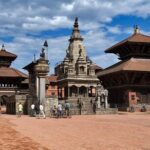
Morning Temple Stops: Swayambhunath, Patan, Pashupatinath, and Boudha
The first chunk of the day is a guided tour feel, not a casual sightseeing crawl. You’ll cover four major stops with set guided time blocks:
Swayambhunath Temple (about 45 minutes)
This is one of those places where you quickly understand why it’s famous: you get wide views over Kathmandu while you’re among stupas and temple structures. It’s a great start because you can see the city before you leave it.
Practical note: bring your camera and plan for sun. If it’s clear, the morning light can be harsh on your eyes and make the view more dramatic than comfortable.
Patan Durbar Square (about 75 minutes)
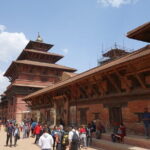
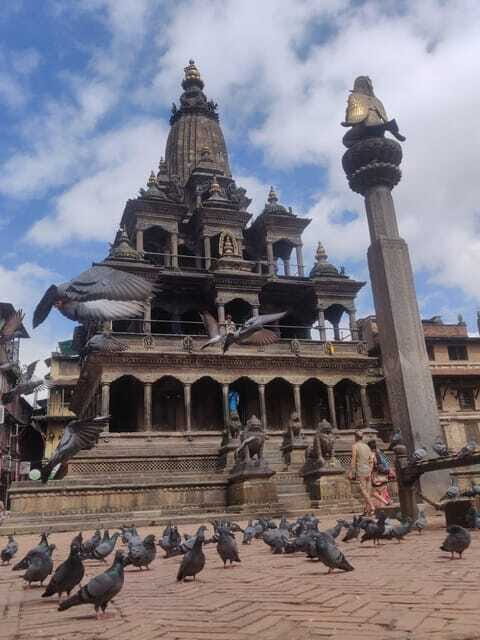
Patan is often calmer than Kathmandu’s busiest spots. You’ll get a solid guided walkthrough here, which helps you notice carved stone details and the way different buildings relate to each other. This stop is a good “slow down and look” intermission before the more intense walking later.
Pashupatinath Temple (about 1 hour)
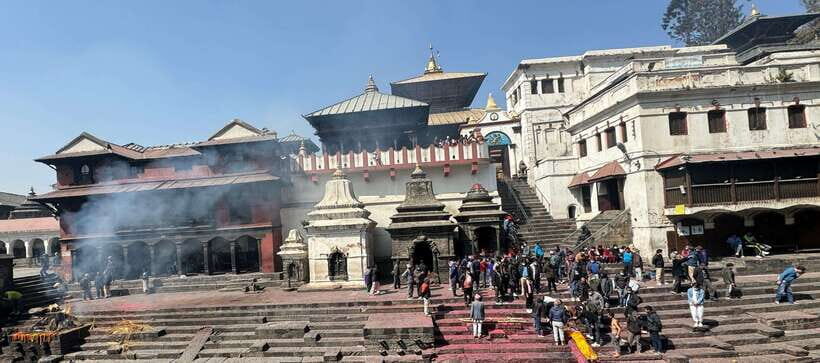
This is a major spiritual center, and the guided explanation helps you make sense of what you’re seeing without having to guess. It’s not just architecture; it’s a living religious site with an atmosphere that’s hard to replicate elsewhere.
You can also read our reviews of more tours and experiences in Kathmandu

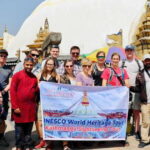
Boudha Stupa area (about 40 minutes, plus a lunch break later)
Boudha gives you a calmer, more meditative contrast to some of the other temple spaces. The day includes time here again as part of the lunch break—use that pause to refuel before the hills.
If you end up with a guide who explains things clearly—like Sujan, who reportedly checked in often to make sure the pace felt okay—you’ll appreciate how much smoother these stops feel as transitions rather than separate “appointments.”
Dhulikhel to Namobuddha: The Ridge Hike You’ll Remember
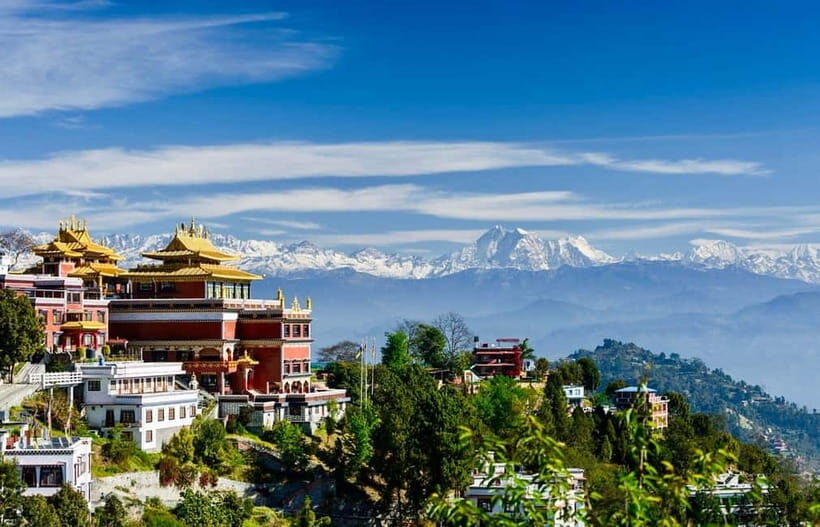
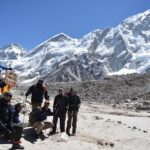
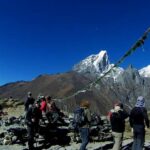
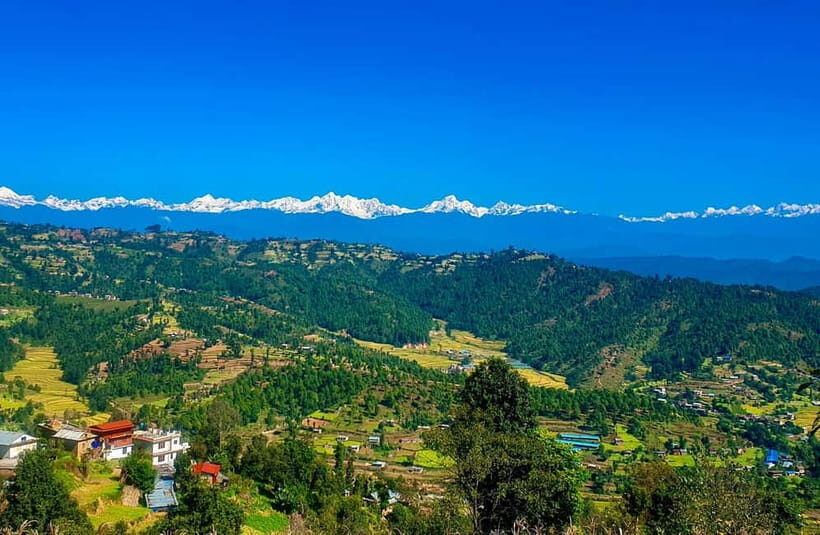
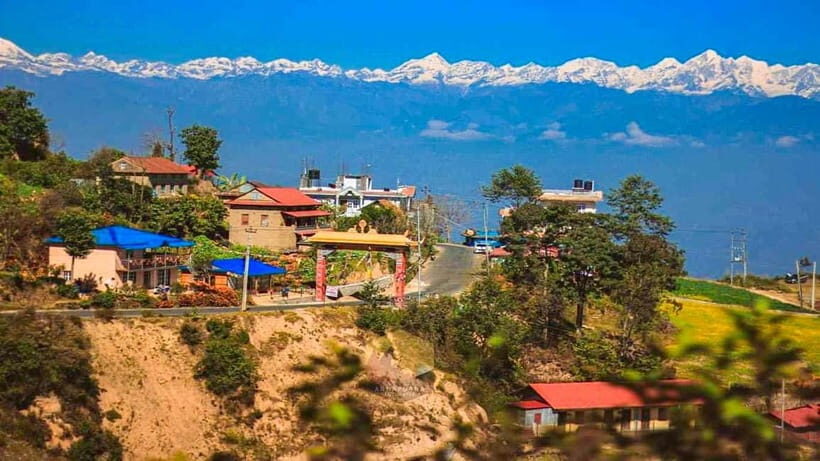
Now the best part: the hike. You’ll start from Dhulikhel and walk toward the Namobuddha Monastery, using a ridge trail that threads through villages and terraced fields. The route is described as moderate and typically takes about 2.5–3 hours of walking, not counting the breaks.
This is not a mountain-climb fantasy hike. It’s a countryside ridge walk that’s more about rhythm than struggle. You’ll want to think in terms of steady effort: walk, pause for views, walk again.
What the trail experience actually feels like
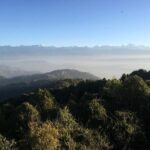
As you go, you’ll pass through traditional villages and open farmland. That’s where the “authentic” part comes in. You’re moving through places locals live in, not just tourist corridors. The reward is the feeling of being outside the city’s noise while still being close enough to Kathmandu Valley culture that everything feels connected.
When the views show up
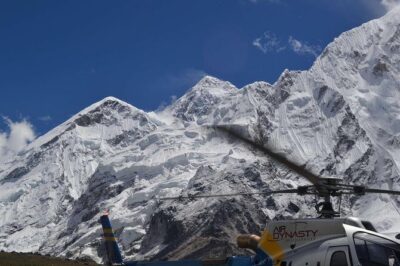
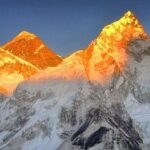
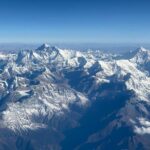
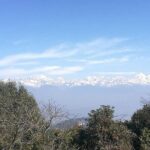
The day is best on a clear day. One of the most practical reasons to pick a day with better skies: you can often see Himalayan views in the background from higher points along the trail. If it’s hazy, it’s still a nice walk, but you’ll get less of the dramatic “wow” from the ridgeline.
A tip that makes the hike easier
Wear comfortable shoes and go slower than you think you need to at the start. Several guides are clearly tuned to your energy level—check-ins are part of the day—so you don’t have to push through fatigue. If you’re the type who tends to overdo it early, let the guide set the pace.
Arriving at Namobuddha Monastery: Peace, Views, and Pilgrimage Energy
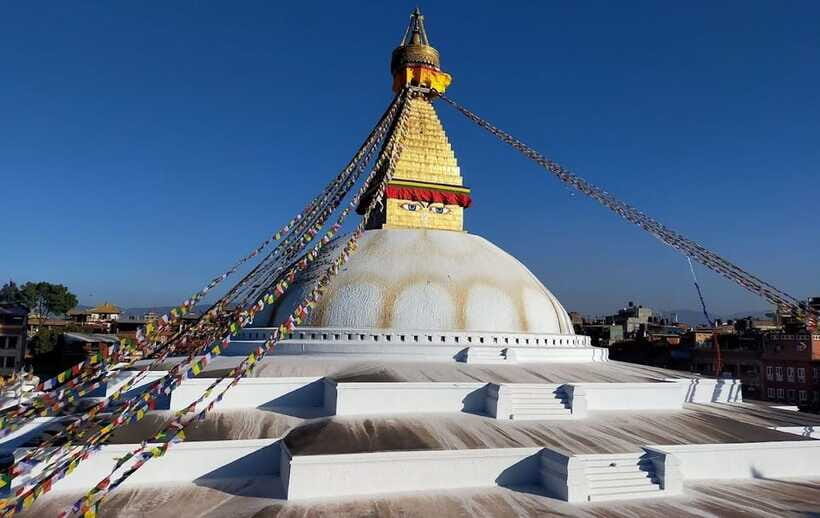
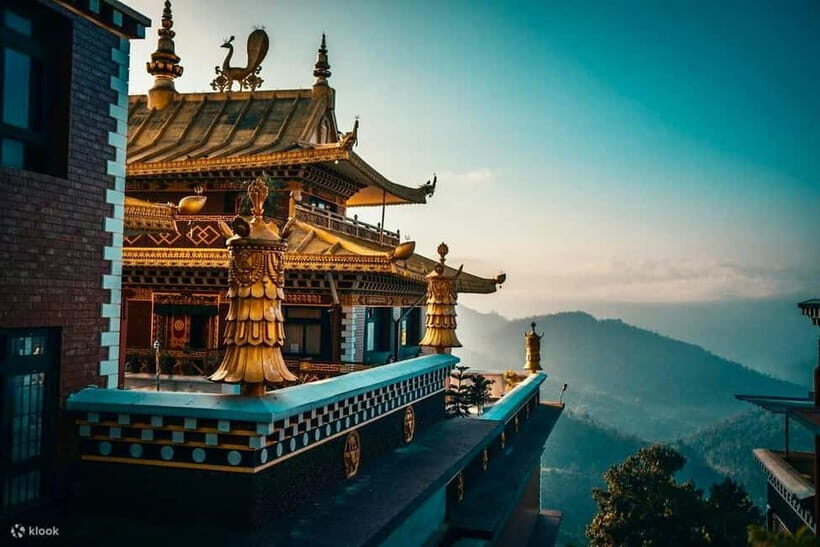
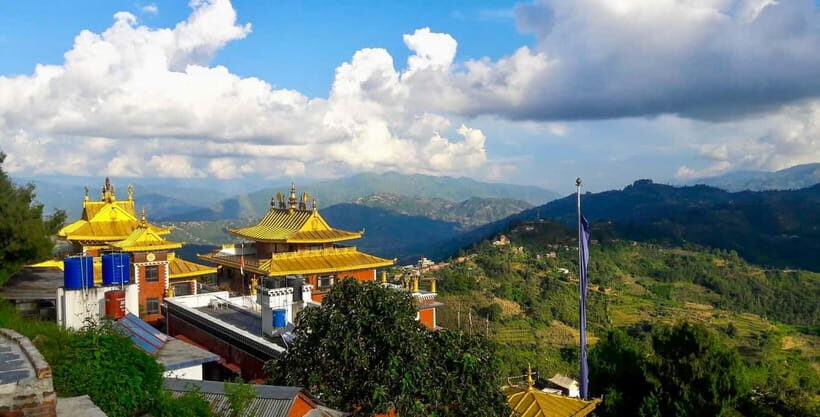
Namobuddha is a key Buddhist pilgrimage site, and the experience here is mostly about atmosphere: the calm, the spiritual focus, and the quiet you feel the moment you reach the top area.
The tour is designed to give you time to explore the monastery complex, not just rush past it for photos. You’ll also get sweeping views of the mountains and valleys if visibility is decent. That view-from-there feeling is one of the best reasons to walk instead of going straight by car.
What to look for when you’re there
You don’t need to memorize religious terms to get value here. Look for these basics:
- how the complex is arranged and how visitors move through it
- signs of everyday devotional life (people in a quiet mindset)
- the way the site’s location changes your perspective—suddenly you’re high enough to take in wide valley views
If you’re lucky with your guide, you’ll hear the story tied to the site’s legend of compassion. That context turns the visit from “pretty monastery” into “why this place matters” in a way that’s easier to remember later.
The Boxed Lunch: Why It’s Built for Real Hike Timing
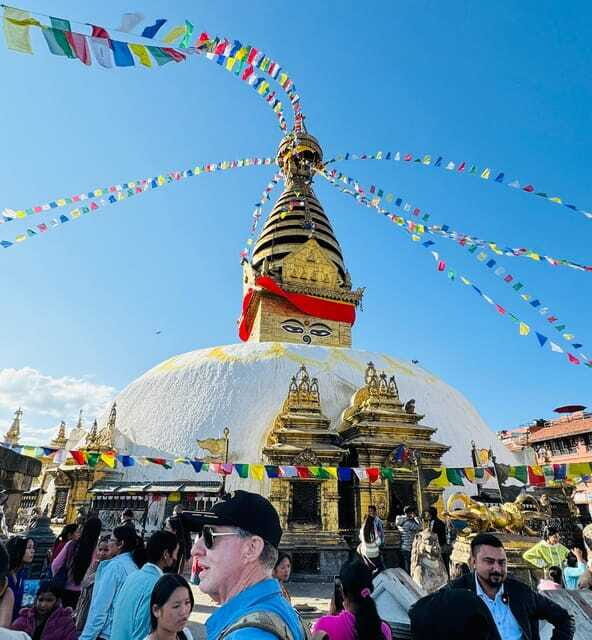
You don’t just get a lunch break; you get a packed lunch box designed for walking days. Included items are listed clearly: 500ml bottled water, a muffin, donut, banana, seasonal fruit, and juice.
That matters because trail food often falls into one of two traps: either it’s not enough, or it’s too heavy. This lunch is a mix—some quick energy, some fruit, plus water—so most people can keep going without feeling sluggish.
How I’d handle the lunch practically
- Drink the water before you feel thirsty. The hills can fool you.
- Eat the fruit if you start flagging; it tends to feel lighter than heavy snacks.
- If you’re sensitive to sugary snacks, pace it. You don’t have to eat everything at once.
Also, the tour notes you can inform them about dietary restrictions at booking. That’s a small detail that can make a big difference for comfort.
Private vs Group Transport: Which Option Fits Your Style
You’ve got two main choices:
Private tour (air-conditioned vehicle)
This is best if you want the day to feel smoother and less interrupted. With a private ride, you’re not waiting on other pickups, and it’s usually easier to manage timing if you want a slower pace.
Group/shared tour (shared air-conditioned transportation)
Shared rides can be good value, especially if you don’t mind picking up others along the route. The trade-off is that your schedule can feel slightly more “logistics-first.”
Either way, you’re getting hotel pickup and drop-off, and the vehicle is air-conditioned. Considering Nepal traffic and heat swings, that comfort is worth something.
Price and Value: How $5 Can Still Make Sense
At $5 per person, the standout value isn’t just the price tag—it’s what’s included around it. You’re paying for:
- hotel pickup and drop-off
- an English-speaking guide
- air-conditioned transport
- a boxed lunch with water and snacks
- taxes and service charges
Even without doing math-heavy comparisons, this pricing structure suggests the operator is aiming for affordability while still bundling the key pieces that make a day trip work: guide + transport + food.
Keep one reality in mind: “low cost” trips can sometimes mean less flexibility, and this one is built around a schedule. So if you want a spontaneous, slow, “stop whenever you see something interesting” day, you may feel the structure. But if you like clear planning and a full itinerary, this is exactly the kind of deal that fits.
What to Bring (and What to Skip)
The tour lists a straightforward packing list, and it’s spot-on for this kind of hill day:
Bring:
- comfortable shoes (non-negotiable)
- hat and sunscreen
- camera
- water
- light clothing, plus a light jacket or raincoat since hill weather can change quickly
Not allowed:
- smoking
I’d add one personal rule: keep your day bag simple. When you’re hiking, you’ll thank yourself for not carrying extra weight for no reason.
Guides, Pace, and the Small Details That Matter
This type of day works or fails on the guide. And the good signs are in the human stuff: guides who explain while walking, and guides who check in so you don’t show up at the monastery drained.
One guide name that stood out is Ravi Bhakta, who reportedly listened to preferences—like choosing hiking instead of going by car—and adjusted the walking time accordingly. Another guide, Sujan, was described as knowledgeable and likeable, with frequent check-ins during the hike. Hemant was also praised for explaining temples and culture clearly.
Even if your guide is different, use this as a filter for expectation: pick a pace that feels comfortable, ask questions when something catches your eye, and don’t be shy about saying you need a breather.
Who This Day Hike Is Best For
You’ll likely love this tour if you:
- want a break from Kathmandu city streets
- like countryside walking with real villages and farmland
- are interested in Buddhist pilgrimage sites and want context from a guide
- prefer a guided day with built-in lunch and transport
You should probably skip it if:
- you have mobility impairments or use a wheelchair (the tour notes it’s not suitable for wheelchair users)
Also, if you hate tight schedules, remember: it’s a full 8-hour day with multiple stops and a moderate hike.
Should You Book the Dhulikhel to Namobuddha Day Hike?
Book it if you want an efficient, affordable day trip that combines countryside walking with a meaningful monastery visit. The boxed lunch and included transport make it beginner-friendly, and the guide-led explanation helps you enjoy more than just the views.
Pass on it if you’re looking for an all-day free roam. This is structured, and the hike takes real effort for 2.5–3 hours. You’ll get breaks, but it’s not a casual stroll.
FAQ
FAQ
How long is the total tour?
The full experience runs about 8 hours.
How long is the hike part from Dhulikhel to Namobuddha?
The hike is described as moderate and typically takes around 2.5–3 hours.
What kind of lunch is included?
You get a packed lunch box with bottled water, a muffin, donut, banana, seasonal fruit, and juice.
Do I need to pay for transport separately?
No. Hotel pickup and drop-off are included, along with air-conditioned transportation (private for private tours, shared for group tours).
Are there optional add-ons?
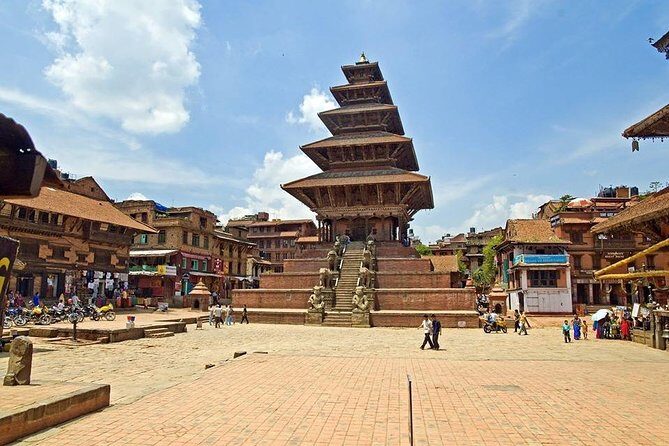
Yes. Ziplining or a Bhaktapur Durbar Square tour can be requested in advance, and it may extend the tour duration.
Is this tour guided in English?
Yes, the live tour guide provides English.
What should I bring for the hike?
Bring comfortable shoes, a hat, camera, sunscreen, and water. A light jacket or raincoat is also a good idea since hill weather can change.
Is smoking allowed during the tour?
No, smoking is not allowed.
Is the tour refundable if my plans change?
You can cancel up to 24 hours in advance for a full refund.