REVIEW · KATHMANDU
Kathmandu Walking Tour
Book on GetYourGuide →Operated by Breakfree Adventures Pvt. Ltd. · Bookable on GetYourGuide
Kathmandu rewards slow looking, even when the streets sprint. This 4-hour walking tour threads you through Ason market life, sacred squares, and two UNESCO sites without feeling like a museum drill. You’ll see temples and shrines, but also the everyday Kathmandu rhythm in the places locals actually use.
I especially like how the route mixes street-level atmosphere with real landmarks: Kathmandu Durbar Square for the spiritual and historical heart, then Swayambhunath for that famous valley panorama. If you’re the type who asks why things look the way they do, you’ll also appreciate the English-speaking guide—some guides, like Shankar Bhattarai and Madan Sakota, are known for answering questions and explaining what people are doing in those spaces.
One drawback to plan around: this is a walking tour and it’s not suitable for wheelchair users (and it’s also listed as not suitable for pregnant women), so comfort on uneven streets and steps matters.
In This Review
- Key highlights you’ll care about
- Price and what you really get for $30
- Meeting point in Thamel and how the tour starts (on foot)
- Ason market: seeing Kathmandu’s daily life right away
- Kathmandu Durbar Square UNESCO: temples, palaces, shrines in one core
- Freak Street: a quick, meaningful detour from the Hippy era
- Monkey Temple / Swayambhunath: the hilltop payoff and valley panorama
- Who your guide can make the difference
- What’s included vs. what you’ll pay out of pocket
- Duration and pacing: how not to feel rushed
- Practical checklist before you go
- Is this tour worth it? My decision rule
- FAQ
- How long is the Kathmandu Walking Tour?
- Where does the tour start?
- What stops are included on the route?
- Are UNESCO entrance fees included?
- Is the guide English-speaking?
- Is ticket line skipping included?
- What do I need to bring?
- Can I cancel for a refund?
- Is it suitable for wheelchair users?
- Should you book this Kathmandu walk?
Key highlights you’ll care about
- Ason market: Start with Kathmandu’s oldest market feel, right where daily life happens
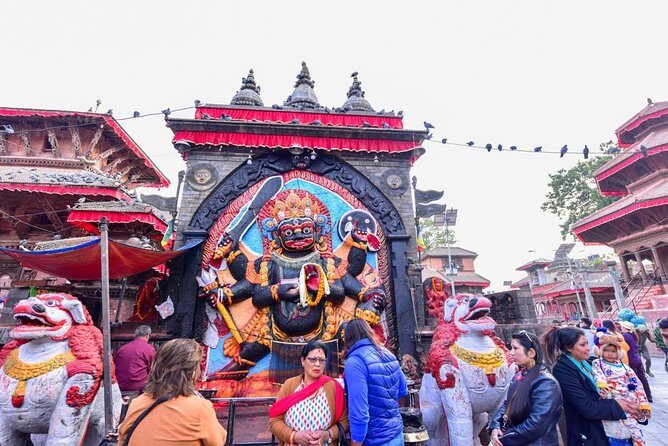
- Kathmandu Durbar Square UNESCO: Temples, palaces, shrines, and the city’s core religious gravity
- Freak Street stop: A quick look at the famed junction from the Hippy era
- Swayambhunath hilltop views: A big panoramic payoff over the Kathmandu Valley
- Small group (up to 10): Easier pace and more time to ask questions in English
Price and what you really get for $30
At $30 per person for about 4 hours, this tour is priced like a practical orientation walk, not a slow sightseeing cruise. You’re paying for three things that add up quickly in value: a local guide, a tight route through major sights, and the ability to move efficiently through busy areas.
You’ll also get pickup from the Thamel area, plus mineral water, which is a small but welcome touch when you’re walking in Kathmandu’s heat and crowds. And importantly, the tour includes skipping the ticket line where that applies to monuments/entry points during your walk. That time-saving matters because Kathmandu’s most important sites can get hectic.
The one thing to remember is what’s not included: monuments entrance fees and any taxis/transfers (you can take a taxi back to Thamel after Swayambhunath, but that’s your cost). If you want to visit everything inside those sites fully, bring cash so you’re not scrambling at the gates.
Who this is best for: first-timers who want a smart, organized way to see the highlights, and returners who want better context while walking the same streets they’d otherwise navigate alone.
You can also read our reviews of more walking tours in Kathmandu

Meeting point in Thamel and how the tour starts (on foot)
The tour is built around a walking-first approach. You’ll be picked up from your hotel in the Thamel area, then you’ll start the experience by walking from your hotel to the nearby Ason area.
That “start right where you’re staying” detail is handy. It reduces the friction of getting into the right neighborhood and helps you ease into the city instead of arriving to a chaotic scramble.
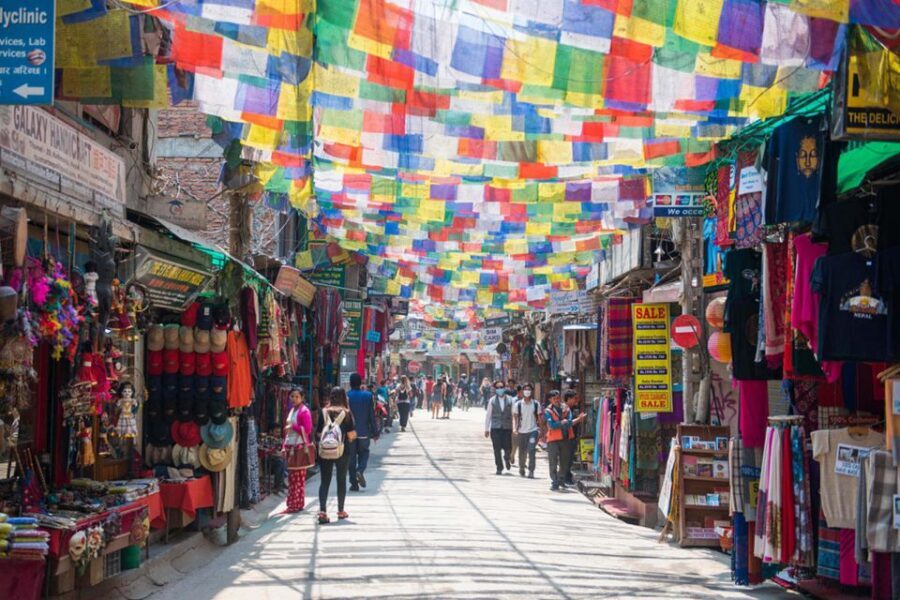
Also, because the tour begins with market streets and alleyways, the biggest practical tip is simple: wear comfortable shoes. Kathmandu walking can include uneven pavement, stone steps, and sudden crowd surges around temple areas.
Ason market: seeing Kathmandu’s daily life right away
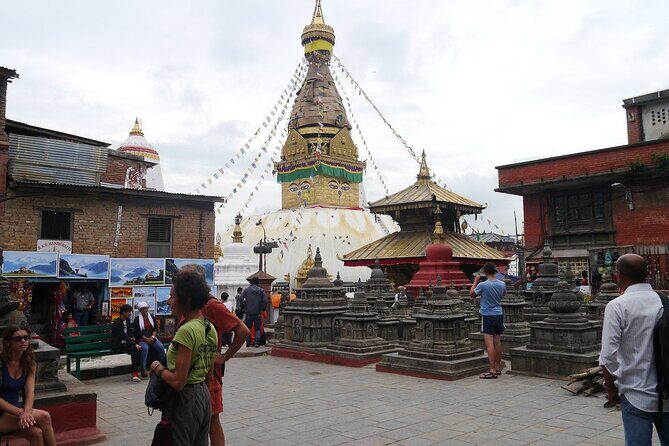
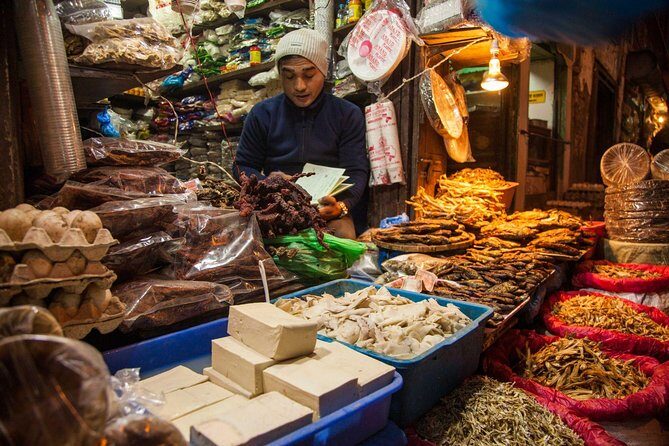
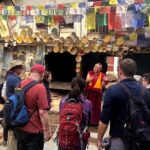
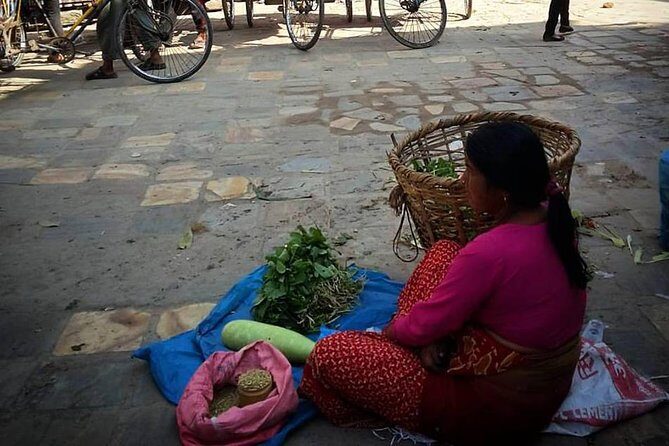
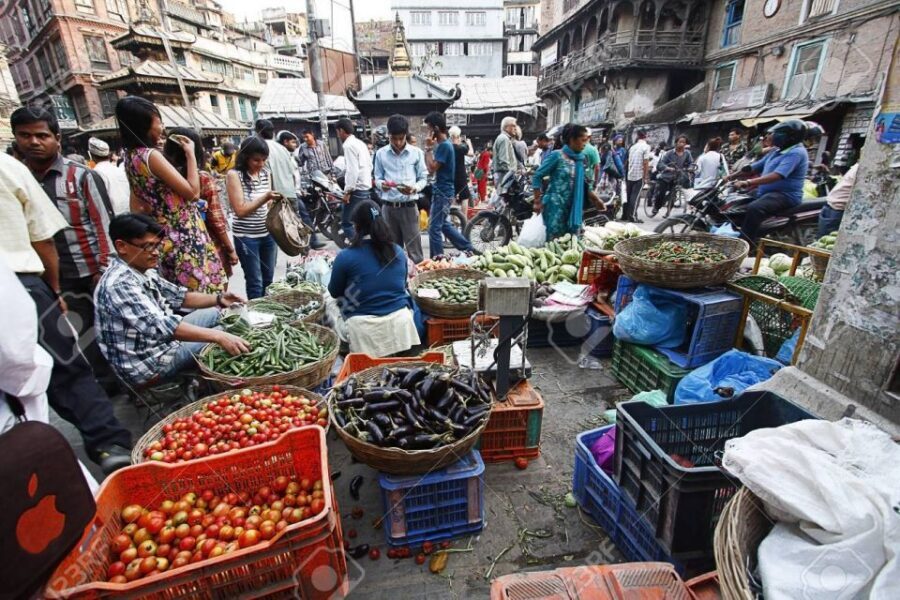
Your first big stop is Ason, described as the oldest market place in Kathmandu. This is a classic “get your bearings fast” moment. You’re not just viewing buildings—you’re watching how people move, shop, talk, and pray in the same urban space.
As you walk, expect busy streets, shops, squares, and ancient temples interwoven together. This is what makes the beginning of the tour work: it sets the tone for everything else. After Ason, the UNESCO sites don’t feel like distant monuments. They feel like they’re part of a living city.
What I like about starting here is the contrast. Kathmandu can feel overwhelming if you only see it from a viewpoint. Ason gives you scale and texture early, so your later temple stops land with more meaning.
The tradeoff is crowding. If you prefer quiet, this isn’t the route for you. But if you want to understand the city, this kind of street-level start is exactly where that understanding begins.
Kathmandu Durbar Square UNESCO: temples, palaces, shrines in one core
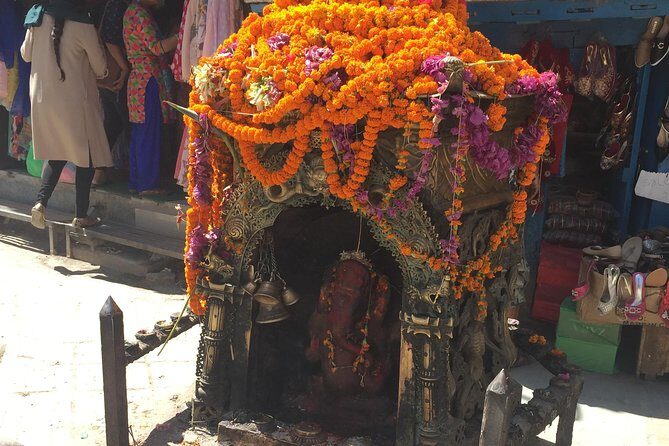
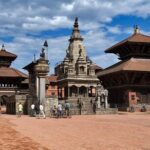
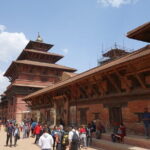
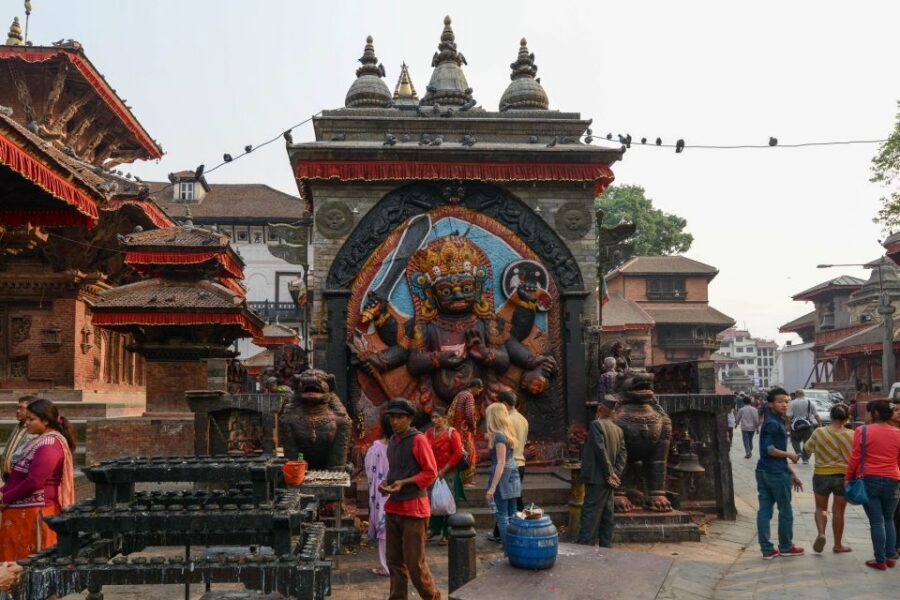
Next comes Kathmandu Durbar Square, a UNESCO World Heritage Site. This is the historical and religious center of the city where you’ll find many temples, palaces, and shrines gathered together.
What makes this stop more than a checklist is how the guide can help you read the space. In a place like Durbar Square, it’s easy to see “old stone” and miss the logic: why certain areas matter, how rituals shape the flow of visitors, and why so many structures exist within such a tight zone.
You’ll likely notice a lot happening at once—people moving in and out of shrine spaces, caretakers tending details, and pilgrims coming through with focused intent. That’s part of the appeal. This isn’t a single-photo stop. It’s a “look for patterns” stop.
A practical note: Durbar Square is a place where you might want to take breaks for water and photos. Since the tour duration is only 4 hours, keep your pace steady so you don’t get stuck waiting at a single spot too long.
Also watch for entrance fees. They’re not included, so if you see charges for certain monument areas, you’ll want cash ready.
Freak Street: a quick, meaningful detour from the Hippy era
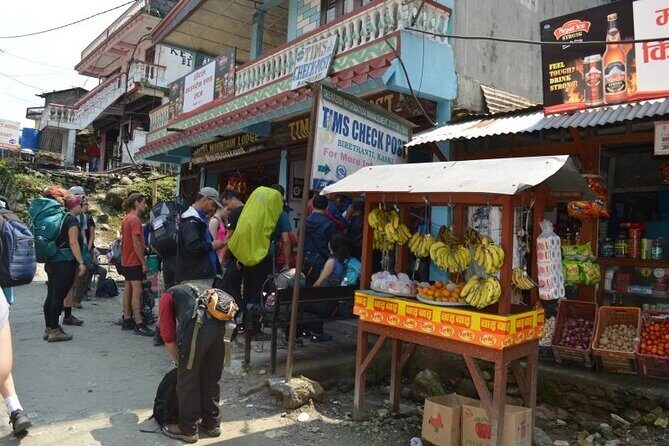
After Durbar Square, your route includes the nearby famous Freak Street, known for being a popular junction during the Hippy era.
I like this stop because it shifts the story of Kathmandu. Yes, you’re seeing deep religious architecture, but Kathmandu also has layers of travel history—eras when outsiders arrived and helped shape how certain streets developed.
This is not usually a long stop. Think of it as a short context break, a chance to connect what you’re seeing now with how the city has interacted with the wider world.
If you’re walking with someone who enjoys storytelling, this is a good moment to ask how those travel eras influenced the neighborhood. Just don’t expect it to replace the bigger cultural weight of the UNESCO sites.


Monkey Temple / Swayambhunath: the hilltop payoff and valley panorama
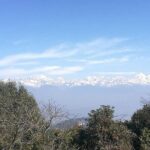
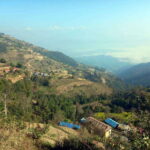
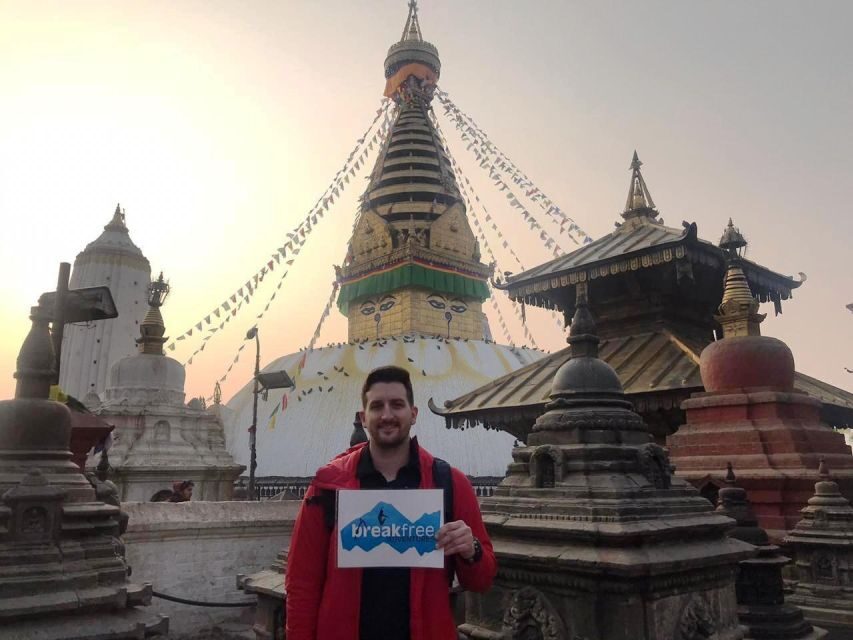
Then it’s up to Swayambhunath, also listed as a UNESCO World Heritage Site, often called the Monkey Temple area. It sits on a hill, and that positioning is the whole point: you get a panoramic view of the Kathmandu Valley that most other city stops can’t match.
This is where you’ll understand why Swayambhu is a top name in Kathmandu sightseeing. The city layout spreads out below you, and you can see how the valley’s geography shapes everything—routes, settlement patterns, and where the most important places end up.
Here’s a practical consideration: hilltop means more walking. Even if you’re in good shape, you’ll feel it after market streets and Durbar Square. Pace yourself on the climb, and keep an eye out for steps and uneven ground.
Another tip: plan for a short photo pause. Views at Swayambhunath can be crowded, and the best moments often happen when you’re patient. If you rush, you’ll miss the best angles.
Once you finish at Swayambhunath, you can either walk back to Thamel or take a taxi from Swayambhunath to Thamel (that taxi is not included in the price).
Who your guide can make the difference
The tour is led by an English live guide in a small group limited to 10 participants. That size matters. In Kathmandu, you’ll constantly deal with tight spaces and crowding. A small group keeps you from getting separated too easily and gives the guide room to explain without everyone tuning out.
A few names stand out in the experience data you’ve been given: guides such as Shankar Bhattarai and Madan Sakota are repeatedly described as very knowledgeable and easy to talk with, with a focus on religion, history, and everyday life. If you get one of those guides, you’ll likely get answers instead of just a lecture.
What to do to get the most out of it: ask questions as you go. Don’t wait until the end. If you see a shrine detail at Durbar Square, or you notice how people move near a market corner, that’s your cue to ask what it means and how locals use the space.
What’s included vs. what you’ll pay out of pocket
Here’s the clean breakdown:
Included
- Experienced tour guide (English)
- Mineral water
- Pickup from your hotel at Thamel area
- Skip the ticket line
- Small group size of up to 10 participants
Not included
- Monuments entrance fees
- Any transfers/taxi
This is a practical pricing model. You can keep the tour cost low up front, then decide how much you want to pay for entrances once you’re actually on site.
For budgeting, bring cash just in case entrance fees show up at the UNESCO areas. And if you choose the taxi back from Swayambhunath to Thamel, plan for that cost.
Duration and pacing: how not to feel rushed
The tour runs for 4 hours, which is both a strength and a consideration. It’s long enough to hit two UNESCO sites and several key street stops. It’s not so long that you’re exhausted by the time you return.
To make that pacing work, you’ll want to keep your “photo breaks” short and intentional. In Kathmandu, you can burn 20 minutes without noticing just by watching people and taking pictures. If you do that repeatedly, the last part of the route can feel tight.
I’d aim to treat each major stop like this:
- Ason: arrive ready to observe and move with the crowd
- Durbar Square: slow down enough to understand the space, then keep flowing
- Freak Street: a short context moment
- Swayambhunath: this is your big view time, so don’t rush it
Practical checklist before you go
You already have the core essentials, but here’s what I’d double-check based on the tour requirements:
- Passport or ID card (bring one)
- Comfortable shoes (non-negotiable for a walking route)
- Cash (for entrance fees you may encounter)
- A light layer if you’re sensitive to temperature swings
Also, note that pickup is from the Thamel area, and your guide needs your hotel name at booking so they can collect you.
Is this tour worth it? My decision rule
Book this Kathmandu Walking Tour if:
- you want a guided route through the city’s most important zones
- you care about seeing UNESCO sites, but you also want real daily life at street level
- you’re comfortable walking and can handle crowds for part of the day
- you like asking questions while looking at temples, shrines, and squares
Skip it (or choose another option) if:
- you need wheelchair-friendly access
- you’re pregnant and the tour is flagged as not suitable for your situation
- you prefer long, slow sightseeing with lots of downtime rather than a 4-hour structured walk
FAQ
How long is the Kathmandu Walking Tour?
The tour lasts 4 hours.
Where does the tour start?
Pickup is included from your hotel in the Thamel area, and the tour starts with walking from there toward Ason.
What stops are included on the route?
You’ll visit Ason (market place), Kathmandu Durbar Square (UNESCO), a stop near Freak Street, and Swayambhunath/Monkey Temple (UNESCO), with time to take in panoramic valley views.
Are UNESCO entrance fees included?
No. Monuments entrance fees are not included.
Is the guide English-speaking?
Yes. The tour includes a live English tour guide.
Is ticket line skipping included?
Yes. The tour includes skip the ticket line.
What do I need to bring?
Bring passport or an ID card, comfortable shoes, and cash.
Can I cancel for a refund?
Yes. It offers free cancellation up to 24 hours in advance for a full refund.
Is it suitable for wheelchair users?
No. The tour is listed as not suitable for wheelchair users.
Should you book this Kathmandu walk?
If you want Kathmandu in one organized morning or afternoon, this tour is a strong bet. You get two UNESCO World Heritage Sites, a real introduction to Ason market life, and the big view payoff from Swayambhunath—all with a small group and an English guide who can help you make sense of what you’re seeing.
Just be honest with yourself about walking comfort. If you can handle stairs and crowds, you’ll likely find this is one of the best ways to get oriented fast, with more meaning than a photo-only day.