REVIEW · KATHMANDU
Nepali Cooking training & Cultural Homestay Experience
Book on Viator →Operated by Kalpana's Cooking Course Training · Bookable on Viator
Nepali cooking starts at home. This Kathmandu experience pairs a hands-on Dal Bhat class with dinner and real conversation during a homestay dinner in a local family setting. One thing to plan around: the Himalayan sightlines you’ll hope for depend on a clear day, so you may not get the view every time.
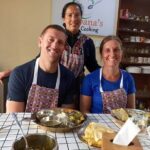
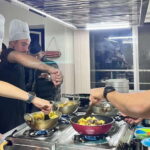
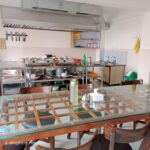
I like that you’re not just watching food get made. You learn a full, classic plate—rice, lentil soup, mixed vegetables, pickle, and chicken—and then share it together, which makes the whole meal feel personal instead of staged. If you’re craving culture you can taste, this is a strong match.
A possible drawback is timing and scope. It’s about 2 days, so you get a tight hit of temple and square culture plus the homestay experience, not a long, deep touring circuit—and the return to your next destination isn’t included.
In This Review
- Key highlights you’ll feel right away
- Why this Kathmandu cooking + homestay feels like real life
- From 4:15 pm pickup to a comfortable night in the homestay
- Learning Dal Bhat the practical way: what you’ll cook and why it matters
- Chicken, pickle, and vegetables: the small skills that change everything
- Touring Uma Maheshwor Temple: a calm start to Kathmandu culture
- Kathmandu Durbar Square: history you can see on the street
- Looking for Mount Everest views: what to expect on the clear-day plan
- A good tip for the view portion
- The homestay dinner experience: what inclusion really looks like
- Value check: is $30 fair for what you get?
- What to pack and how to get the most out of the cooking class
- Who should book this homestay cooking experience
- Quick FAQ: the basics before you go
- FAQ
- How long is the Nepali cooking and cultural homestay experience?
- What time does the experience start?
- What dishes will I learn to cook?
- What meals are included?
- Is return transport to my next destination included?
- Are alcoholic beverages included?
- Should you book this Kathmandu homestay and cooking class?
Key highlights you’ll feel right away
- Hands-on Nepali cooking focused on a complete Dal Bhat meal
- Homestay connection through sharing food and stories with a local family
- Temple-to-square sightseeing with Uma Maheshwor Temple and Kathmandu Durbar Square
- Everest view chance from the program’s planned viewpoint on a clear day
- Good value for $30 with accommodation and breakfast/tea included
Why this Kathmandu cooking + homestay feels like real life
If you’ve spent time in Kathmandu, you already know the city can move fast. This experience gives you a different rhythm: quieter hours, a clean room for sleeping, and a kitchen-centered day where you learn by doing.
You’re also paying for more than a class. The price covers the homestay stay plus breakfast and tea/coffee, and it includes transportation for the dinner pickup and private travel during the program. For many visitors, that combo is the real win: you get the cultural exchange that a restaurant-only experience can’t replicate.
This is run by Kalpana’s Cooking Course Training, so you can expect structured instruction rather than a random kitchen tour. And since it’s a private activity, it’s only your group—so you don’t have to fight for space around the cutting board.
You can also read our reviews of more cooking classes in Kathmandu
From 4:15 pm pickup to a comfortable night in the homestay
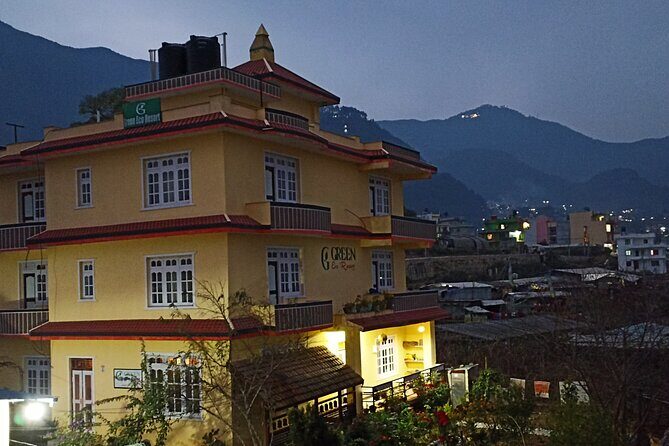
The day starts with a late-afternoon 4:15 pm meeting time. That timing matters because it shapes the whole feel of the trip. You’re not rushing across town at peak daytime traffic. You’re starting when Kathmandu is transitioning—less frantic, more human.
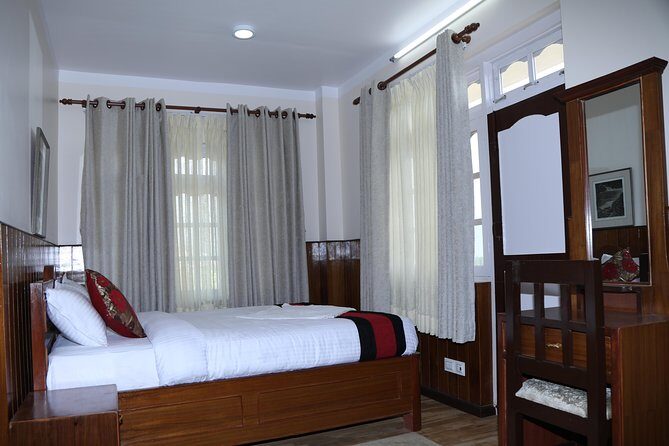
From there, the program includes private transportation to get you to the key stops. The homestay part also comes with something practical: you’ll be put in a clean and comfortable room for one night. After cooking and walking around, that simple comfort counts.
Also note the tour is listed as near public transportation. That doesn’t replace the included rides, but it’s helpful if you’re the type who likes being able to move around on your own when there’s spare time.
Learning Dal Bhat the practical way: what you’ll cook and why it matters
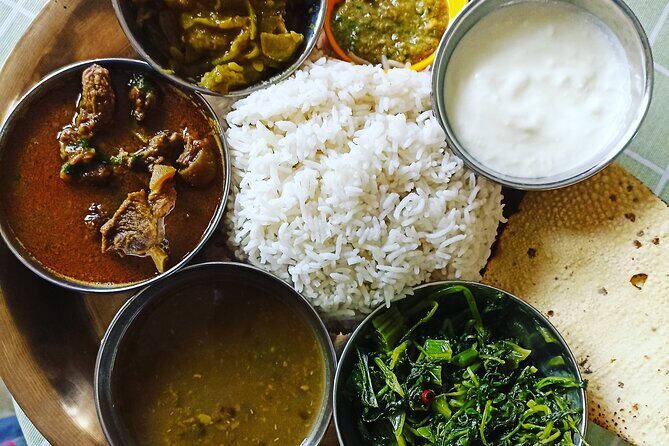
Dal Bhat is Nepal’s everyday comfort food. It sounds simple, but it’s the kind of meal that teaches you how Nepali flavor builds: lentils for depth, rice for balance, vegetables for color and bite, pickle for punch, and chicken for heartiness.
In this program, you learn to cook the full set:
- rice
- lentil soup
- mixed vegetables
- pickle
- chicken
The most valuable part isn’t memorizing a recipe word-for-word. It’s understanding how these parts work together on the same plate. You’ll see how the lentils and rice create a neutral base, then how pickle adds sharpness that makes the whole mouthful more exciting.
If you care about taking something home, this is a smart meal to learn. It’s recognizable enough to recreate later, but still clearly Nepali in the way the components come together.
Chicken, pickle, and vegetables: the small skills that change everything
Even if you’re not a confident cook, the structure helps. The meal includes items with different textures and roles. Chicken is the protein piece; vegetables bring freshness and timing; pickle provides acidity or heat; lentils are the steady core.
That variety usually means you’ll practice more techniques than you’d expect from a single dish class. And because you’ll eat what you cook, you’ll get immediate feedback on taste and balance.
Touring Uma Maheshwor Temple: a calm start to Kathmandu culture
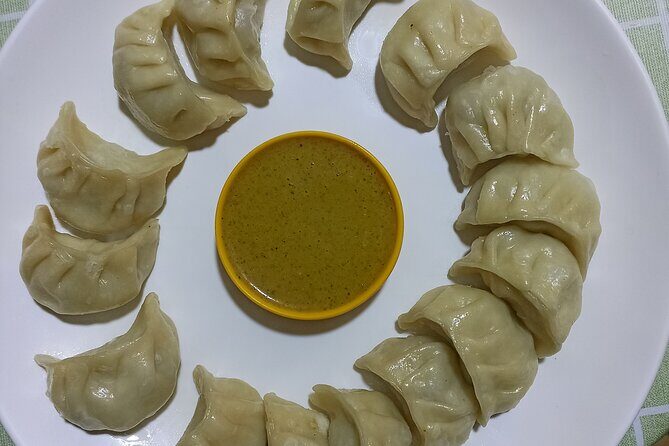
One of the scheduled stops is Uma Maheshwor Temple. Temples like this are often where you get a clearer sense of local faith and daily practice, because people aren’t just posing for photos—they’re there for something routine and meaningful.
The practical benefit: a temple stop is usually an easy culture block. It’s not overly technical, and it doesn’t require long transfers or complicated logistics. You get context, you can observe respectfully, and you keep energy for the homestay portion later.
A small consideration: religious sites can involve stairs, uneven surfaces, and changing crowd levels. If you’re traveling with mobility limits, wear supportive shoes and expect a bit of walking. (The experience is described as most travelers can participate, but Kathmandu streets and temple grounds still have their own pace.)
Kathmandu Durbar Square: history you can see on the street
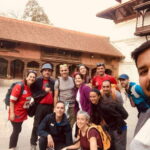
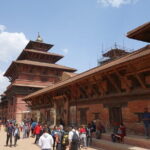
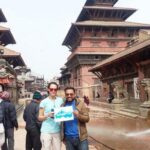
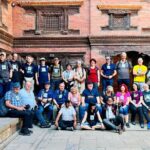
Next up is Kathmandu Durbar Square, a place that’s built into the city’s everyday movement. Unlike a museum where the story stays behind glass, a square like this has lived-in energy. You can often feel the layers of time because buildings, courtyards, and monuments sit right in the flow of Kathmandu life.
This stop pairs well with the cooking/homestay segment because it changes the sensory mode. One moment you’re outside and looking at architecture and ritual spaces; the next, you’re inside and working with food. That contrast keeps the trip from feeling one-note.
Potential drawback: Durbar Square can be busier than temple grounds. If you prefer quieter sightseeing, go with the mindset that it’s part of a cultural contrast day, not a serene escape. You can always focus on one detail at a time rather than trying to absorb everything at once.
Looking for Mount Everest views: what to expect on the clear-day plan
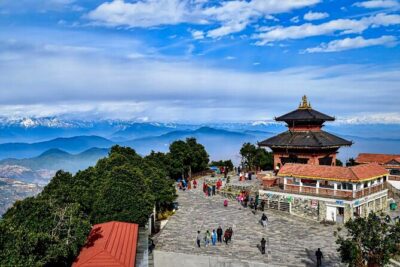
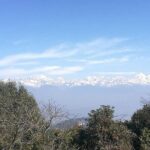
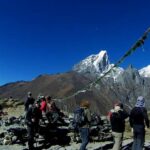
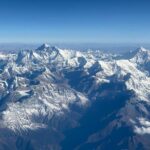
The program also includes a Mount Everest viewpoint stop. The key detail is in the description: you’ll enjoy Himalayan vistas right from the experience location on a clear day.
So here’s the honest planning mindset: you’re not guaranteed an Everest sightline. You’re going to a place where visibility is the variable. That still makes the stop worth it because when conditions are right, the sight can be unforgettable.
If you’re the type who hates weather uncertainty, this might frustrate you. But if you’re flexible—if you treat it like a chance rather than a promise—you’ll get the best experience from it.
A good tip for the view portion
Keep your expectations simple. Don’t plan for perfect photos. Plan for awe, a quiet moment, and time to look. Even partial skyline views can shift how you understand Nepal’s geography.
The homestay dinner experience: what inclusion really looks like
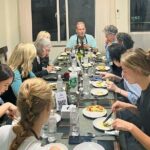
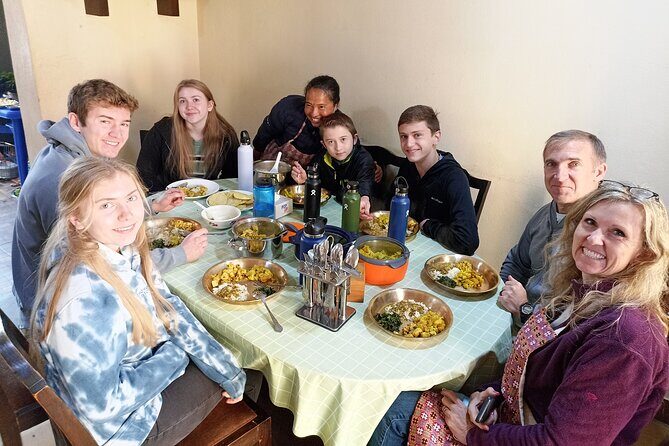
This is where the reviews shine, and you can feel why. The experience isn’t framed like a performance where you watch someone else cook, then you leave. It’s described as you getting involved with the family, sharing the meal together, and spending time in a way that feels welcoming.
That family connection is what turns a cooking class into a cultural exchange. Food becomes the bridge. Instead of treating Nepal as something you’re consuming, you’re participating in a normal domestic routine: cooking, eating, talking, and sharing time.
A big practical plus for groups is that it’s set up for your party only. That helps conversation flow. You’re more likely to get questions answered, learn small habits, and feel comfortable asking how something should taste.
Value check: is $30 fair for what you get?
Let’s be blunt: $30 per person can sound too low for accommodation and cultural activities. But here’s the math from what’s included.
Included in the experience:
- accommodation in the homestay
- breakfast and tea/coffee
- private transportation
- dinner pickup transportation
- meals connected to cooking and the homestay setting
Not included:
- return transport to your next destination
- alcoholic beverages or other drinks beyond what’s listed
- tips (you’re free to tip)
When you price out those pieces separately, the value makes sense. Accommodation for a night plus guided transport alone is often more than this amount in many cities. Add cooking instruction and a full shared meal, and the price starts looking like a solid deal—especially if you’re okay with a simple, home-style setup instead of luxury.
One caution: because return transport isn’t included, you’ll want to plan your next step so you’re not stuck arranging rides last-minute.
What to pack and how to get the most out of the cooking class
You’ll be cooking, walking around temple and square areas, and then settling in for the night. You don’t need fancy gear, but a few practical items will make the day smoother:
- comfortable closed-toe shoes
- a light layer (evenings can feel cooler)
- a small bag or pouch for phone/wallet while you’re moving between stops
- water and any basic snacks you like, just in case the schedule runs tightly
On the cooking side, keep your hands and sleeves in mind. Cooking often means steam, spice aromas, and food smells clinging to clothing. Dress in a way that’s easy to wipe or wash later.
Most of all, bring curiosity. The class is about learning. If you treat it like a hands-on workshop, you’ll get way more out of it than if you try to simply watch.
Who should book this homestay cooking experience
I’d recommend this if you want any of the following:
- a Nepali cooking class in Kathmandu that teaches a complete meal, not one dish
- a real cultural night with a local family and shared dining
- an efficient 2-day plan that covers temple culture plus a chance at mountain views
- a budget-friendly way to include accommodation and meals in the same package
You might skip it if:
- you want a long, multi-day sightseeing itinerary with lots of separate stops
- you need guaranteed Everest views regardless of weather
- you strongly prefer amenities like private hotel rooms and full resort-style service
Quick FAQ: the basics before you go
FAQ
How long is the Nepali cooking and cultural homestay experience?
It runs for 2 days, approximately.
What time does the experience start?
The meeting point start time is 4:15 pm.
What dishes will I learn to cook?
You’ll learn to cook a classic Nepali meal including Dal Bhat, with rice, lentil soup, mixed vegetables, pickle, and chicken.
What meals are included?
Breakfast and tea/coffee are included. You’ll also cook and share a meal as part of the homestay experience.
Is return transport to my next destination included?
No. Return transport to your next destination is not included.
Are alcoholic beverages included?
No. Alcoholic beverages are not included.
Should you book this Kathmandu homestay and cooking class?
I think it’s a smart book if you’re after a Kathmandu experience that feels lived-in. You get a hands-on Dal Bhat lesson, a night in a real homestay room, and a temple-and-square sightseeing mix that doesn’t waste your time.
Book it if you’re flexible on the Himalayan view and you’re happy trading some city convenience for a calmer, more personal day. Pass if you need guaranteed views or a longer, more comprehensive sightseeing schedule.