REVIEW · KATHMANDU
Patan Tour – Half Day Sightseeing in Kathmandu
Book on Viator →Operated by Himalayan Planet Adventures · Bookable on Viator
Patan feels like Kathmandu’s quiet twin. This half-day outing makes you comfortable fast, with hotel pickup and an English-speaking guide walking you through Patan’s big-name sights without the hassle of figuring out routes. You’ll connect the dots between old royal power and the daily religious life you see in stone, wood, and carved doorways.
I especially like the easy pickup and drop-off inside Kathmandu’s Ring Road area (including Boudha). I also love the way your guide turns the monuments into something you can actually follow, like Shanti’s clear explanations or Som’s help for spotting what matters as you move through the Durbar Square complex.
One thing to plan for: the main sights have an entry fee not included (around USD 10 per person), and the whole tour is short (about 2 to 4 hours), so it moves at a steady pace.
In This Review
- Key takeaways before you go
- Getting to Patan without the taxi stress
- Patan Durbar Square: temples, courtyards, and UNESCO context
- Patan Museum: a quick stop with real context
- Hiranya Varna Mahavihar: visiting the Golden Temple
- Krishna Mandir and Bhimsen Temple: the details you’ll miss alone
- Price and logistics: is USD 65 good value?
- What makes the guides matter here (Shanti and Som)
- Practical tips: dress code, timing, and where to focus
- Who should book this Patan half-day tour?
- Should you book this Patan half-day sightseeing?
- FAQ
- How long is the Patan tour?
- Is pickup included, and where does it cover?
- What are the main stops on the tour?
- Are entry fees included in the price?
- Do I need to pay for food or drinks?
- Is this tour private?
- What should I wear?
Key takeaways before you go
- Ring Road pickup, including Boudha: saves time and stress in traffic-heavy Kathmandu.
- English-speaking professional guides: make sense of Patan’s temples, courtyards, and carvings.
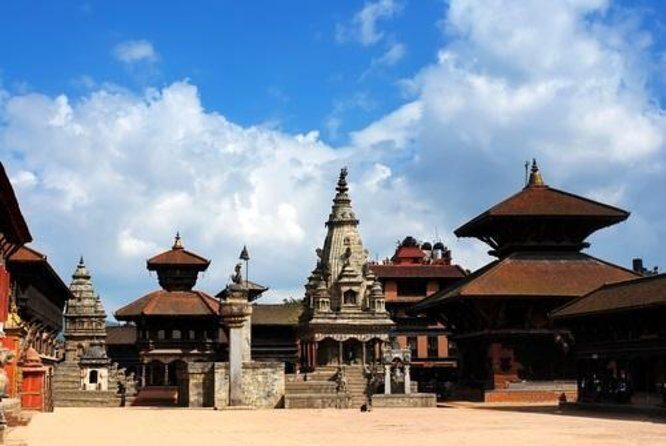
- UNESCO Patan Durbar Square focus: a concentrated look at the Malla-era royal core.
- Patan Museum stops smartly: you get context inside a palace-style setting.
- Golden Temple visit (Hiranya Varna Mahavihar): short but memorable, tucked near the main square.
- Entry fees not included: budget a little extra so you’re not surprised at the gate.
Getting to Patan without the taxi stress
Kathmandu traffic can turn a short plan into a long one. This tour solves that with hotel transfers from anywhere within Kathmandu’s Ring Road zone, including Boudha. If you’re staying near a less central neighborhood, this matters more than it sounds.
You travel by a private vehicle to the Patan area, and the guide is with you during sightseeing. That means less waiting around and more time actually looking at the monuments instead of negotiating transport.
There’s also a mobile ticket, which is handy if you like keeping everything in your phone. And because it’s a private tour/activity, it’s just your group, not a mixed crowd that changes the pace every few minutes.
You can also read our reviews of more tours and experiences in Kathmandu.


Patan Durbar Square: temples, courtyards, and UNESCO context
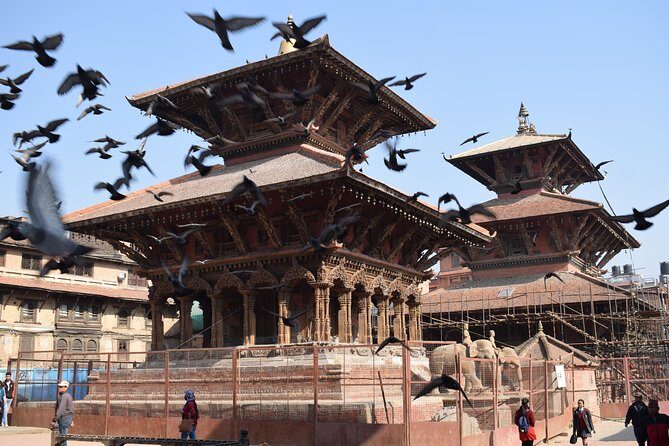
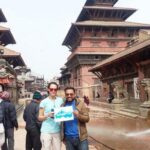
Your day centers on Patan’s Durbar Square, one of the Kathmandu Valley’s UNESCO World Heritage sites. This is the kind of place where the buildings don’t just look impressive from one angle—you get more by walking slowly and knowing what each temple or doorway is meant for.
Your route starts at the area you enter for the square and moves through key temple stops inside the complex. Expect lots of stops that are close together, so the guide can explain what you’re seeing without you having to guess.
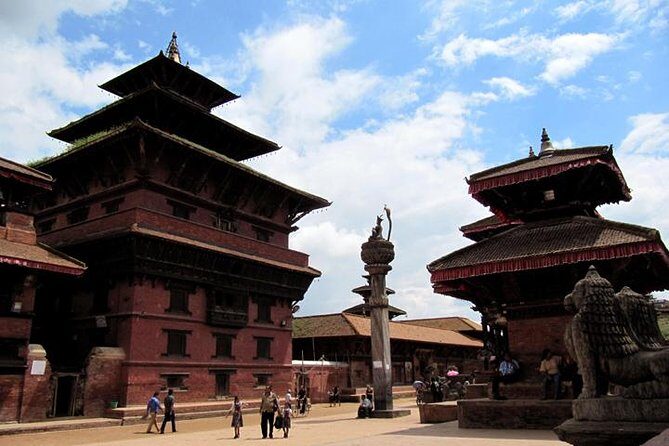
Some of the highlights in the square include the Krishna Mandir, the Bhimsen Temple, and other named structures in the surrounding area. The practical value of a guide here is huge: stone carvings, architectural styles, and religious purposes can look similar at first glance, and a good explanation helps you separate them quickly.
This tour keeps the focus on “what to notice” rather than turning Patan into a checklist. If you like architecture and religion—especially how the two mix in Nepal—you’ll likely feel like your guide makes the whole place click.
Patan Museum: a quick stop with real context
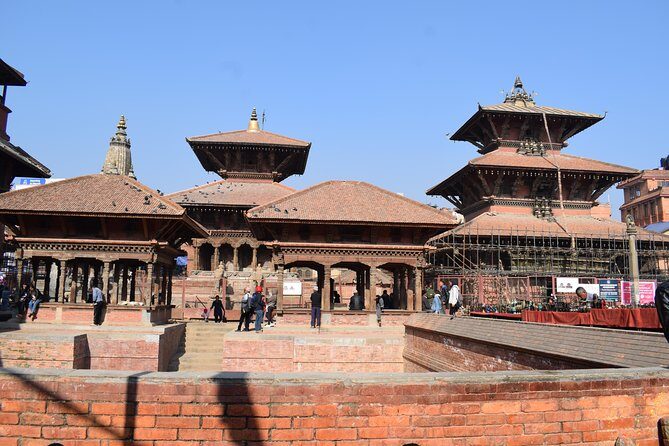
After Durbar Square, you head to the Patan Museum. The museum is widely regarded as one of the best collections in South Asia, and it’s not just a random building with artifacts. It’s housed in a palace area, which means the setting supports the theme of Patan’s royal and artistic life.
Your museum time is about 30 minutes, so you won’t see every piece. But that short window is a blessing if you want the key ideas: how Patan’s craftsmanship, religious objects, and historical influences connect to what you see outside in the courtyards.
If you’ve only been to museums where everything feels separate and numbered, this one is different. The museum helps you put Patan’s monuments into a bigger story, so later stops feel less like isolated photos and more like parts of the same cultural system.
Tip: wear shoes you can stand in for a bit. Even a “short” museum stop in a historic building can involve stairs and uneven flooring.
Hiranya Varna Mahavihar: visiting the Golden Temple
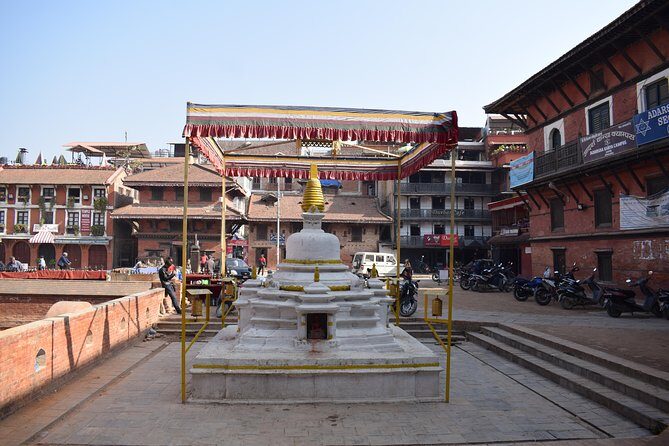
Next comes Hiranya Varna Mahavihar, commonly known as the Golden Temple. This is timed for a shorter visit (around 15 minutes), and that’s realistic. The point here isn’t to spend the entire afternoon; it’s to experience a key landmark with guidance so you understand what it is and why it matters.
Location-wise, it’s just north of Patan’s main Durbar Square area, so you don’t burn time crossing the city. The tour design keeps your energy where it should be: looking closely and learning what the site represents.
What I like about adding this stop to a half-day plan is the contrast. Durbar Square shows you a dense royal-temple environment. The Golden Temple gives you another mood—more focused, more symbolic, and easier to take in without rushing through a maze of courtyards.
Even though it’s a short stop, a guide can point out what’s worth your attention so you don’t leave with only a postcard memory.
Krishna Mandir and Bhimsen Temple: the details you’ll miss alone
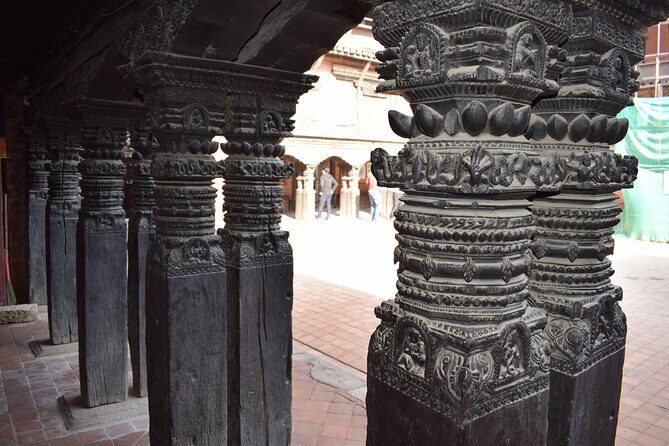
Back in the Durbar Square complex, the tour includes temple visits such as the Jaganath (Krishna) Temple area and the Bhimsen Temple. Some of these stops are listed as free admission, which is nice if you’re watching your budget—but the real value is the explanation.
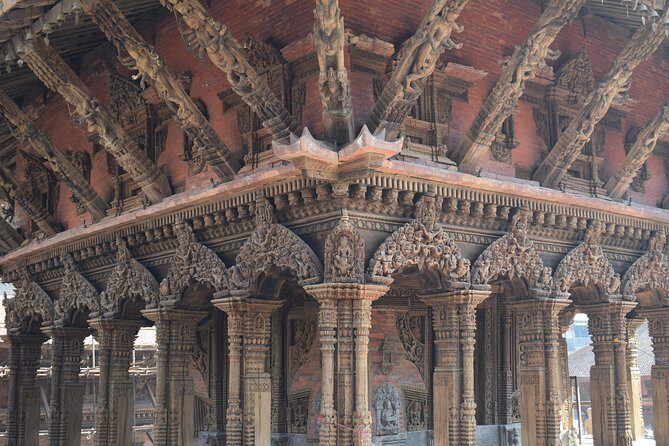
The Krishna Mandir is described as an architectural marvel inside the UNESCO site, and the name itself hints at the devotional focus. Without context, it’s easy to see it as just another ornate temple. With a guide, it becomes easier to notice what’s distinctive and why it’s revered.
Then comes the Bhimsen Temple, built in 1680. It’s a three-story pagoda design, and the structure is recognizable by its layered look. Again, the best part isn’t just the view—it’s knowing what to look for as you walk around.
For people who enjoy photography, this is where you can take the most useful shots. For people who just like learning, it’s where the guide’s storytelling makes the architecture feel purposeful instead of decorative.





Price and logistics: is USD 65 good value?
At USD 65 per person, this is positioned as a half-day tour with transport and a professional guide. The entry fees are not included, and the listing estimates about USD 10 per person for those. So your all-in cost is likely closer to the low-to-mid seventies depending on the actual fees collected.
For Kathmandu, where paying for taxis or getting stuck in traffic can eat up half your time, the value is in the schedule protection. You’re paying to remove guesswork: you get pickup and drop-off in the Ring Road zone, a private vehicle, and a guide who already knows the order and how to move you efficiently.
Also, the tour is a private experience for your group, with mobile ticketing and group discounts. That can make the price feel more fair if you have more than one person traveling together.
One possible drawback: because it’s 2 to 4 hours, you won’t have unlimited time at each stop. If you’re the kind of person who wants 45 minutes in one temple and a long lunch break, you might find the pace a bit tight.
What makes the guides matter here (Shanti and Som)
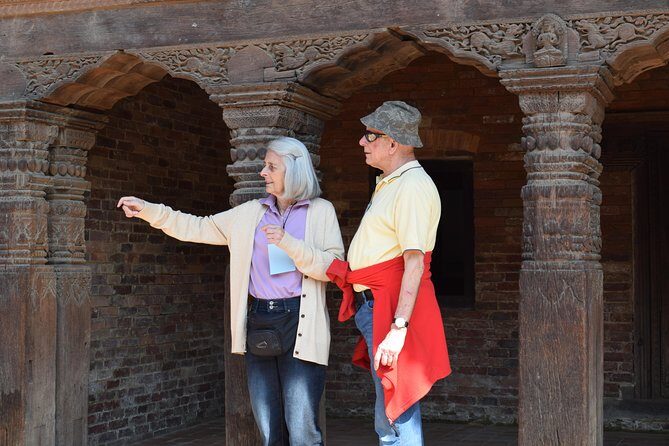
The guide is a big part of why this tour gets strong feedback. Names you’ll see mentioned include Shanti and Som, and the consistent theme is clear guidance: knowing where to walk, what to notice, and how each religious site fits into the wider picture.
I like that the tour is designed around explanation, not just transport. In places like Patan, where you’re surrounded by temples and carved details, a guide helps you avoid the “I saw it, but I don’t really know what it meant” feeling.
Som, for example, is noted for helping people understand how to move through the various buildings and temples. Shanti is noted for making the experience enjoyable while teaching about Kathmandu and Nepal.
If you want a half-day plan that feels like learning and not like sightseeing fatigue, this is the right format.
Practical tips: dress code, timing, and where to focus
The dress code is smart casual, so think comfortable clothes that still respect temple sites. You don’t need formal wear, but you should be ready for a cultural setting where people dress with care.
Timing is flexible within the approximate range of 2 to 4 hours, which helps if your schedule is tight. Because the stops are close together, you can keep your eyes on the main sights without spending long stretches in transit.
To get the most from this tour, I’d focus on two things:
- Watch the architectural differences between the temples as you move through the Durbar Square area.
- Let your guide explain the purpose or significance before you start photographing. You’ll end up taking fewer photos, but better ones.
And yes, food isn’t included. If you’re stacking this with other plans, plan for a snack or light meal afterward, especially if you’ll keep sightseeing later.
Who should book this Patan half-day tour?
This tour works best for you if:
- You want a structured Patan visit without navigating on your own.
- You enjoy religious sites and architecture, especially in the UNESCO Kathmandu Valley setting.
- You’re short on time but still want the key Patan highlights in one outing.
- You appreciate English-speaking guidance so you don’t miss what the monuments are about.
It’s also a good fit if you’re traveling with a small group and want something more controlled than a big bus tour. The private format keeps the pace aligned with your group.
If you’re a slow traveler who wants deep time at museums and temples, you might prefer a longer Patan day. But for a half-day reset into Patan’s royal core, this format is efficient.
Should you book this Patan half-day sightseeing?
I’d book it if you want smart planning and guided focus. The combination of UNESCO Patan Durbar Square, a visit to Patan Museum, and time at Hiranya Varna Mahavihar gives you a strong overview without overloading your day.
If you hate entrance fees or you want long, lingering free time at one site, you may feel rushed. Still, with the Ring Road hotel pickup and professional guiding, the schedule usually feels worth it.
If you want Patan to feel understandable—stone to story—this is a solid way to do it in one half-day.
FAQ
How long is the Patan tour?
It runs about 2 to 4 hours (approx.). The exact timing can vary based on the route and your pace.
Is pickup included, and where does it cover?
Yes. Hotel pickup and drop-off are included inside Kathmandu’s Ring Road zone, including the Boudha area.
What are the main stops on the tour?
You’ll visit Patan Durbar Square (a UNESCO World Heritage site), Patan Museum, Golden Temple (Hiranya Varna Mahavihar), and additional temple stops within the Durbar Square area such as Krishna Mandir and Bhimsen Temple.
Are entry fees included in the price?
No. Entry fees are not included, and the tour lists an approximate cost of about USD 10 per person.
Do I need to pay for food or drinks?
Food and drinks are not included.
Is this tour private?
Yes. This is described as a private tour/activity, meaning only your group participates.
What should I wear?
The dress code is smart casual.