REVIEW · KATHMANDU
Kathmandu: Food, Drink and Shopping Rickshaw Tour
Book on GetYourGuide →Operated by Maha Nepal Trips Pvt. Ltd. · Bookable on GetYourGuide
Thamel tastes like Kathmandu. In this 3-hour rickshaw food, drink, and shopping tour, you follow your guide through market streets and eat your way across classic Nepali flavors, with frequent chances to pause, point, and taste what’s actually local. If your guide is Deepak, expect dish-by-dish explanations that make the menu feel less random and more like a story you can follow.
What I like most is the hands-on mix of snacks you can name later: momos, samosas, panipuri, thukpa, sel roti, and more, plus drinks like masala tea and sugarcane juice with lemon. The other big win is the shopping side—bargaining help plus visits to fair-trade stores and local handicraft centers, so you’re not just buying souvenirs, you’re learning what’s authentic and how to negotiate without drama.
One drawback to plan for: the experience is food-first, shopping-next, and the group may split around the shopping portion. If you’re hoping for a perfectly even split of tasting time and shopping time, come with a clear idea of what you want to buy.
In This Review
- Key highlights worth your appetite
- Why this Thamel rickshaw tour works when you want both food and street sense
- 3 hours, one neighborhood, and a pace that keeps you comfortable
- The food lineup: momos, thukpa, panipuri, and the classics you’ll want to repeat
- How to handle spice and portion anxiety
- Drinks that reset your palate: masala tea, coffee, and sugarcane juice
- Shopping with a guide: bargaining help that keeps it friendly
- Bring cash and bring clarity
- Where the shopping time goes: Thamel, handicraft centers, and fair-trade stops
- The rickshaw ride: easy city orientation without committing to a long sightseeing day
- Price and value: what $28 buys you in real-world terms
- Who this tour fits best (and who might want another plan)
- Should you book this Kathmandu rickshaw food and shopping tour?
- FAQ
- How long is the Kathmandu food, drink and shopping rickshaw tour?
- Where does the tour pick up?
- Are there different drop-off locations?
- Does the price include the rickshaw ride and tastings?
- What kind of food and drinks are included?
- Is there shopping, and do I get help negotiating?
- What items are you likely to shop for?
- Do I need cash?
- What languages is the live guide available in?
- Is the tour wheelchair accessible and does it include a cancellation option?
Key highlights worth your appetite
- A focused Thamel route built around multiple tastings, not just one big meal stop
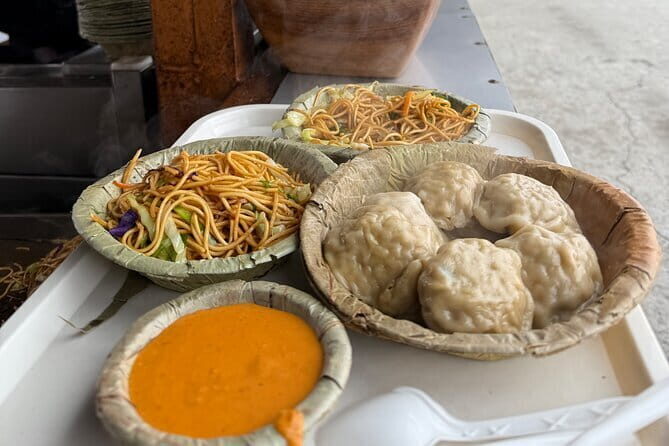
- Street-food hits you can track like momos, panipuri, thukpa, sel roti, and bara
- Sugarcane juice with lemon, plus the fun of seeing the cane pressed
- A guided shopping tour with price help, including tips to spot authentic goods
- Shopping targets that stay specific: pashmina shawls, wooden masks, Thangka paintings, and more
- Cash-friendly shopping since not every vendor takes cards
Why this Thamel rickshaw tour works when you want both food and street sense
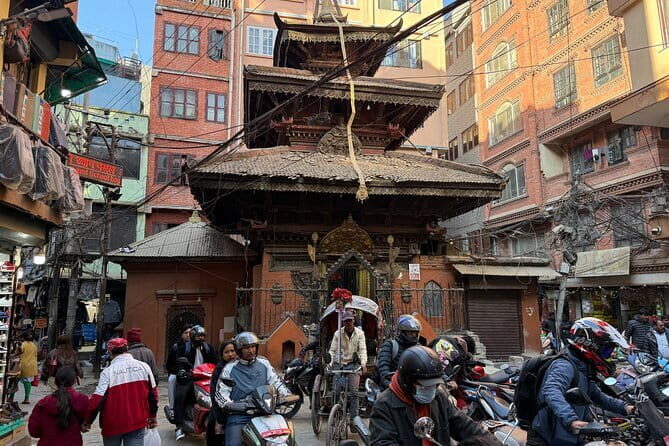
Kathmandu can feel like sensory overload when you land. This tour is a smart way to get oriented without spending your first day guessing what to eat or where to shop. You’re walking through the kinds of streets locals use every day, and the rickshaw ride gives you quick context for how the neighborhood connects.
I also like that the tour keeps you moving. You’re not stuck in one restaurant waiting for the next course. You hop between small eateries and street stalls, so you learn how Nepali food changes from place to place—dumplings here, noodle soup there, crunchy snacks between, and a drink break that resets your palate.
And you do get real shopping value. The tour isn’t just a wander where you buy whatever catches your eye. You get help negotiating prices and guidance on distinguishing authentic Nepali items from tourist traps. That matters in Thamel, where there are plenty of souvenirs, but quality and pricing can vary a lot.
You can also read our reviews of more food & drink experiences in Kathmandu
3 hours, one neighborhood, and a pace that keeps you comfortable
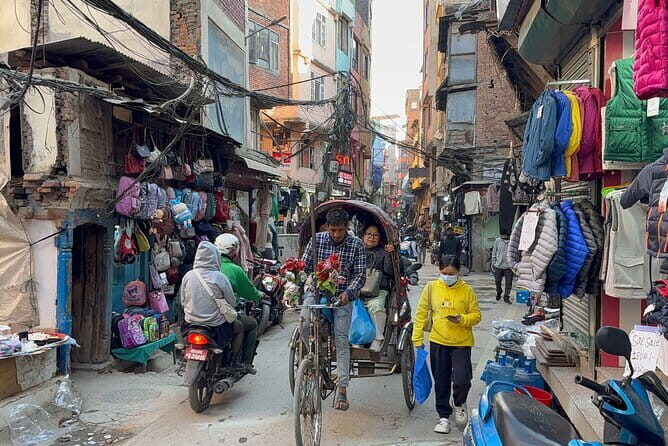
This is a 3-hour outing, and it’s designed for “come hungry” energy. You’ll walk through busy market areas, so comfortable shoes are a must. Even if you’re a quick walker, plan on stopping often—tastings take time, and so do the little photo and sightseeing moments.
Pickup is included, with two options listed: Kaiser Library is one of them, and you may also have a pickup option in Kathmandu. Drop-off is also flexible, with Kathmandu and Kaiser Library listed as return points.
Expect a quick setup before you start—there’s a safety briefing mentioned in the tour flow. Then you’ll combine walking, short breaks, and a guided rickshaw ride, so you’re not doing all sightseeing on foot.
Two practical notes:
- Bring cash. The tour info specifically recommends cash because not all vendors may accept credit cards.
- If you’re sensitive to spice, you’ll want to tell your guide you prefer mild. Some dishes can be quite hot, and you’re tasting a range, including items described as spicy in the food list.
The food lineup: momos, thukpa, panipuri, and the classics you’ll want to repeat
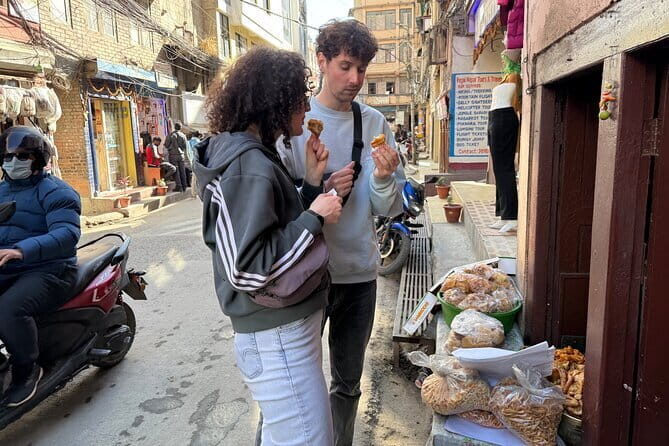
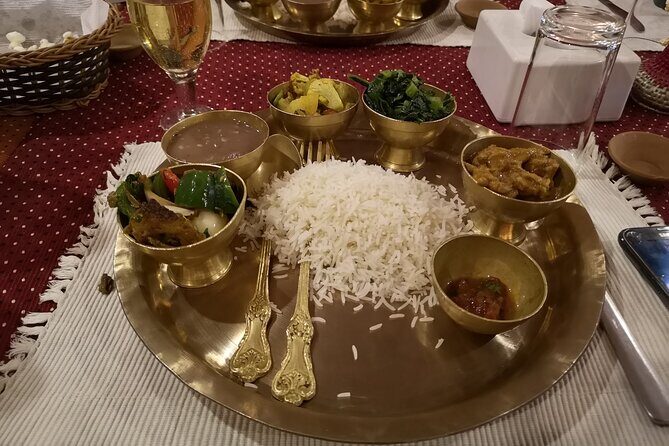
The heart of this tour is the food tasting. You’ll sample a range of Nepali street favorites, with both vegetarian and meat options. In one full run, the menu included enough variety for a proper sampler feel—think steaming dumplings, crunchy snacks, and noodle bowls rather than one repetitive plate.
Here are some of the specific foods you should expect to taste along the way:
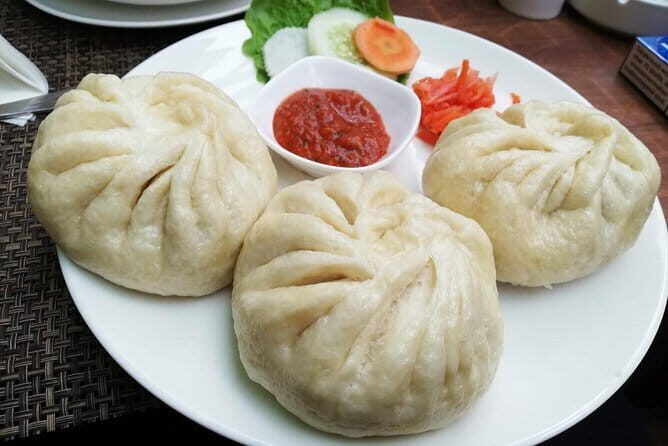
- Momo dumplings (including a chicken steamed momo)
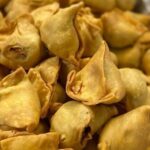
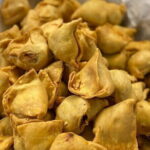
- Spicy samosas
- Plain bara and other bara variations
- Thukpa (a noodle soup, with many people calling it a favorite on this style of tour)
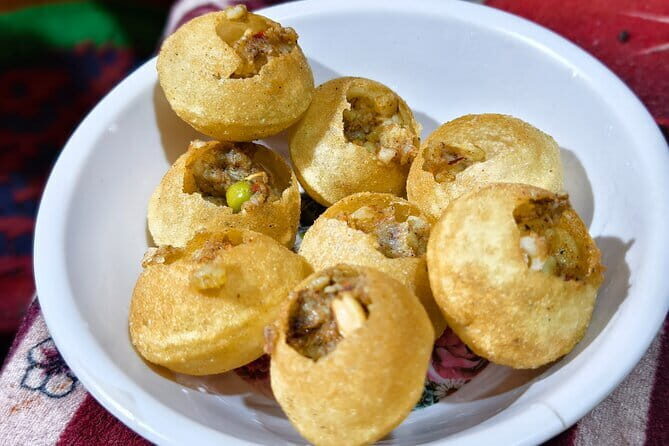
- Panipuri (the classic crisp shell with flavorful filling)
- Chatamari (a savory Nepali dish you may not see everywhere outside Nepal)
- Khajuri / Thekuwa (a sweet, crispy snack)
- Sel roti (a round Nepali fried bread with a distinct taste and texture)
- Noodles with soup, plus additional desserts and local snacks
The best part of a structured food tour is that someone else handles the “Where do I go?” problem. You don’t have to choose between three crowded places with menus you can’t read. Your guide helps you hit multiple stops, and you get to compare flavors side by side.
How to handle spice and portion anxiety
Because you’re tasting many items, it helps to go in with a strategy:
- Take small bites first. Then decide if you want more of a dish later.
- If you’re worried about heat, ask for mild versions early. The tour includes a mix of vegetarian options too.
- Pace yourself with the drinks. The tour includes tea and coffee breaks, which makes it easier to handle spicy items without feeling overwhelmed.
Drinks that reset your palate: masala tea, coffee, and sugarcane juice
Food is only half the comfort. The drinks are what keep you sane during a busy market walk.
You can expect stops for traditional and popular drinks such as:
- Masala tea (including Nepali-style masala milk tea in the tastings list)
- Locally brewed coffee
- Sugarcane juice with lemon
One especially memorable detail is the sugarcane juice moment. You don’t just drink it—you see the sugarcane pressed, and the result is a cool, refreshing sweet flavor cut with lemon. It’s a perfect “stop-and-breathe” break when the street gets hot and loud.
If you’re the type who usually skips sweets, the drink side can change your mind. The tour’s drink mix helps balance the fried and spicy items, so you finish feeling satisfied instead of stuffed.
You can also read our reviews of more tours and experiences in Kathmandu

Shopping with a guide: bargaining help that keeps it friendly
This tour isn’t just about eating. You also get a guided shopping tour with assistance negotiating prices. That’s valuable because markets can be confusing fast: signage, quality differences, and pricing tactics all show up at once.
You’ll learn practical skills like:
- How to distinguish authentic Nepali goods from tourist traps
- What to ask for when you’re comparing items
- How to negotiate prices with vendor-friendly confidence
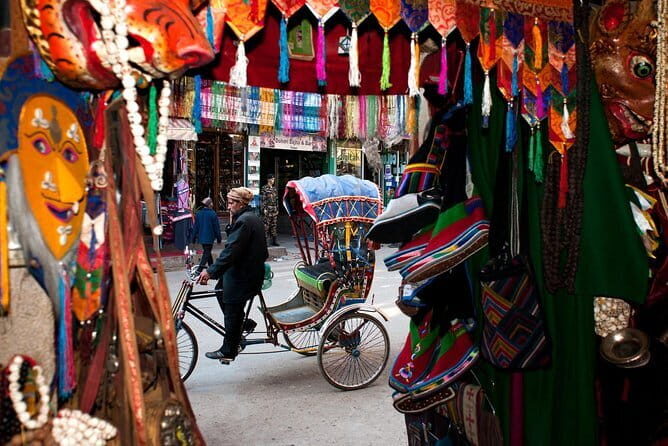
You’ll also shop for items that match Kathmandu’s craft reputation, including pashmina shawls, wooden masks, and Thangka paintings. The tour includes visits to local handicraft centers and fair-trade options, so you can focus your browsing on places designed around selling crafted work rather than generic knockoffs.
Bring cash and bring clarity
Shopping is where planning pays off. The tour info calls out that cash is recommended, and that means you should arrive ready to pay on the spot.
Also, come with an idea of what you want to buy. The tour experience can include more than one shopping segment, and you don’t want to waste your one guided window figuring out your tastes from scratch.
If you want a simple plan, do this:
- Pick 1–2 categories you care about (for example, textiles and art).
- Decide your rough budget before you arrive.
- Be ready to compare quality in your own hands—fabric weight, stitching, and finishing details matter.
Where the shopping time goes: Thamel, handicraft centers, and fair-trade stops
The tour includes a visit to Thamel district, plus stops connected to local handicrafts. You’ll spend time in places like handicraft centers and fair-trade stores, and your guide helps with the shopping flow.
The benefit of this structure is that you’re not jumping randomly between shops. You’re guided through an intentional sequence:
- browse with context,
- ask questions without awkwardness,
- and get negotiation help when prices vary wildly.
One thing to note for your expectations: the food part and shopping part can feel like separate phases. That’s not bad—it just means you should enjoy the food portion fully, then shift your mindset to shopping when it starts.
The rickshaw ride: easy city orientation without committing to a long sightseeing day
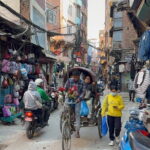
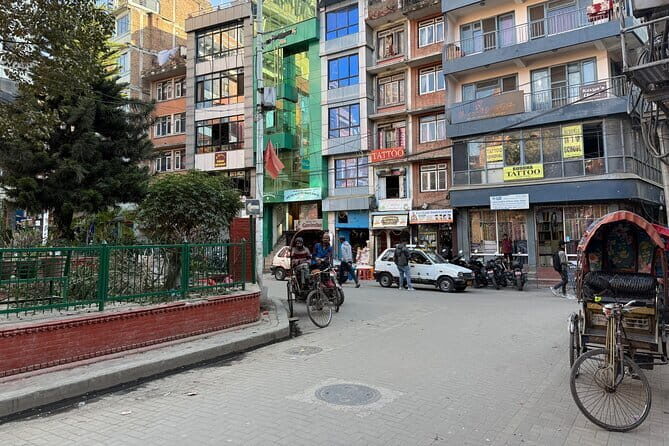
The rickshaw ride is short, fun, and practical. A typical run includes a ride portion—around 30 minutes has been mentioned in the tour experience—so it’s enough to feel like a proper Kathmandu intro, not just a quick photo stunt.
You’ll ride through street scenery while your guide keeps the group moving and connects what you’re seeing to what you’re eating and shopping. If you’re arriving tired, jet lag can make you want to sit down. This lets you move without doing all the work on foot.
Practical tips:
- Wear shoes you’re comfortable walking in afterward.
- Keep your camera accessible, but don’t treat the whole ride like a photoshoot.
- Hold onto personal items; it’s a city street ride, even when it’s calm.
Price and value: what $28 buys you in real-world terms
At $28 per person for about 3 hours, this tour can be good value—mostly because it bundles several things you’d otherwise pay for separately.
What’s included:
- Guided rickshaw ride
- Guide shopping tour
- Visit to Thamel district
- Visit to local handicraft centers
- Visit to fair-trade stores
- Assistance in negotiating prices
- Local food and drinks
What’s not included:
- Transportation to and from the meeting point
- Personal expenses
The value logic is simple. You’re paying for a guide who coordinates multiple tastings, takes you through several food spots, and handles the shopping and price side. If you’re a first-timer, that’s a win because time in Kathmandu is precious, and a good guide helps you avoid wasting it.
Also, the tour can hit a lot of distinct foods. One full run described tastings across eight different eateries, which is a meaningful sampling spread. That kind of variety is hard to replicate on your own if you don’t know where to go.
Who this tour fits best (and who might want another plan)
This works especially well if:
- You want a short, guided start in Kathmandu that mixes food, drinks, and shopping
- You like street-level experiences but don’t want to guess where to eat
- You want bargaining support rather than figuring it out alone
- You’re dealing with jet lag and want a structured day with breaks and variety
You might skip this (or switch to a different tour) if:
- You hate walking through busy markets
- You’re very spice-sensitive and don’t want any spicy items at all
- You already know exactly which souvenirs you want and prefer independent shopping
The biggest practical constraint is cash. If you plan to pay everything by card, bring a backup plan.
Should you book this Kathmandu rickshaw food and shopping tour?
I’d book it if your goal is a smart first impression of Kathmandu—one where you eat a lot, drink your way through the heat, and shop with real guidance. The combination of tastings plus negotiation help makes it feel efficient, not chaotic.
It’s also a solid choice when you want culture in your hands and stomach, not just on a checklist. You’ll come away knowing how to recognize better-quality Nepali goods and how to navigate the market mood.
Book it with one expectation in mind: the day is designed around phases. You’ll eat first, then you’ll shop. If that fits your style, you’ll leave happy and full—plus with a few souvenirs that feel chosen, not bought.
If you want me to tailor a quick recommendation, tell me your travel dates and whether you’re more into food, shopping, or both, and I’ll suggest how to make the most of the 3 hours.
FAQ
How long is the Kathmandu food, drink and shopping rickshaw tour?
It lasts 3 hours.
Where does the tour pick up?
Pickup options include Kaiser Library and Kathmandu.
Are there different drop-off locations?
Yes. Drop-off locations include Kathmandu and Kaiser Library.
Does the price include the rickshaw ride and tastings?
Yes. The tour includes a guided rickshaw ride, local food and drinks, and a guided shopping portion.
What kind of food and drinks are included?
You can expect local Nepali street foods and drinks such as momos, samosas, panipuri, thukpa, sel roti, and drinks like masala tea and sugarcane juice (with lemon).
Is there shopping, and do I get help negotiating?
Yes. The tour includes a guide shopping tour and assistance in negotiating prices.
What items are you likely to shop for?
Common souvenir categories include Pashmina shawls, wooden masks, Thangka paintings, and other handicrafts.
Do I need cash?
Cash is recommended, since not all vendors may accept credit cards.
What languages is the live guide available in?
The guide is listed as available in English, Nepali, Hindi, Chinese, Russian, Japanese, Korean, Spanish, German, and French.
Is the tour wheelchair accessible and does it include a cancellation option?
Wheelchair accessibility is listed. Free cancellation is available up to 24 hours in advance for a full refund.