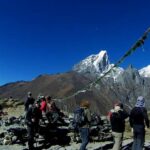
Everest Base Camp is the kind of trip that changes your brain. This private 14-day plan links Kathmandu comfort with Lukla flights and steady acclimatization stops in Sherpa country, with guides handling the paperwork so you can focus on the trail.
I also like that accommodation is covered in Kathmandu and on the route, so you’re not hunting down places to sleep after hard days. One key consideration: this trek depends on mountain conditions. The trip requires good weather, and the overall experience is built around getting you up to high altitude safely.
In This Review
- Key highlights worth your attention
- How this private Everest Base Camp trek actually runs
- Kathmandu arrival: where you sleep matters more than you think
- Day 2: Kathmandu to Lukla, then into the Dudh Koshi corridor
- Days 3 and 4: Namche Bazaar acclimatization (and the bridge-and-market combo)
- Days 5 to 7: Tengboche monasteries, Dingboche altitude checks, Sherpa culture on the move
- Days 8 and 9: Lobuche to Gorak Shep, then true Everest Base Camp
- Day 10 to 12: Kala Patthar and the long descent rhythm back toward Namche and Lukla
- Days 13 and 14: 40 minutes back to Kathmandu, then farewell dinner and certificates
- Price and logistics: what $1,600 buys you (and what it doesn’t)
- Who this trek suits best (and who should rethink it)
- Should you book this Everest Base Camp private trek?
- FAQ
- Is this trek private or shared with other groups?
- Does the price include the Kathmandu and on-trek accommodations?
- Are airport transfers and the Lukla flights included?
- Who carries heavy gear?
- Are permits and entrance fees included?
- What happens if weather is poor?
Key highlights worth your attention
- Private door-to-door transfers in Kathmandu, plus domestic flights organized end to end
- Porters arranged for heavy gear, so you can hike with less weight
- English-speaking guide support and day-to-day pacing that helps you stay comfortable
- All permits and entrance fees handled, including the usual Everest paperwork
- Iconic waypoints: Namche Bazaar, Tengboche, Dingboche, Lobuche, Everest Base Camp, and Kala Patthar
- Kathmandu downtime built in, including 2 nights in a 3-star hotel with breakfast
How this private Everest Base Camp trek actually runs
This is a true private tour, meaning it’s built around your group only. That matters on a trek like Everest Base Camp, where your pace and comfort matter as much as the final destination.
You’ll get a guide plus porter support for heavy items, and you’re not expected to coordinate permits, lodge logistics, or entrance fees yourself. You also get a Kathmandu pre-trip base with two nights in a 3-star hotel and breakfast, which is a smart buffer before you start climbing at high altitude.
The trip is priced at $1,600 for a 14-day experience. In a practical sense, you’re paying for the “invisible” work: domestic flight logistics (Kathmandu–Lukla–Kathmandu), permit handling, consistent accommodation, and meal coverage across many days—not just the guide walking with you.
You can also read our reviews of more private tours in Kathmandu
Kathmandu arrival: where you sleep matters more than you think
Day 1 is straightforward: you’re welcomed by the team and transferred to your hotel. If you arrive by air, the airport representative explains how the program works, then you sleep in Kathmandu and reset after travel.
The included part here is the quality-of-life buffer: two nights in a 3-star hotel with breakfast. After days of air travel and jet lag, this kind of setup makes the difference between starting the trek sharp versus starting it stressed.
This day is also your moment to get your packing organized for the trek. Since the plan arranges porters for heavy gear, you can think in terms of a lighter day-to-day load while bigger items move with the support team.
Day 2: Kathmandu to Lukla, then into the Dudh Koshi corridor
Day 2 kicks off with the scenic flight from Kathmandu to Lukla—about 40 minutes. You land at Tenzing Hillary Airport, and then the trekking begins from Lukla on day one of the trail.
From there, the first walking day goes through the Cha… route described in the itinerary and connects you to the river valley system that defines this part of the Khumbu region. The main idea: you’re not instantly “in Everest mode.” You’re easing in, building rhythm, and getting your body used to sustained uphill walking.
In my view, Lukla flights plus an immediate trail start are a big part of why Everest Base Camp is memorable. You feel the shift from city to mountains fast, but the early days are still structured for gradual adjustment.
Days 3 and 4: Namche Bazaar acclimatization (and the bridge-and-market combo)
Day 3 takes you toward Namche Bazaar via the northern bank of the Dudh Koshi River. You cross many suspension bridges, including the Hillary Suspension Bridge. If you like the “big scenery, big effort” feeling, this day delivers it early.
You’ll also be moving through classic Khumbu territory where monasteries, villages, and suspension bridges constantly remind you that this is Sherpa country—not just a hiking corridor.
Then Day 4 is the smart pause: acclimatization in Namche Bazaar itself. The plan recommends exploring the town, and it’s a practical stop. Namche has WiFi-linked cafes and restaurants, plus souvenir and gear shops. It’s also where you can sanity-check your supplies and settle into altitude routines without trekking every single day.
The possible drawback of this style of acclimatization stop is simple: you’re high already, so the day isn’t a vacation. Namche is comfortable compared to the trek, but it’s still thin air—plan to take it easy and save your effort for later.
Days 5 to 7: Tengboche monasteries, Dingboche altitude checks, Sherpa culture on the move
Day 5 heads to Tengboche. The itinerary notes ups and downs and forests along the way, which is exactly what you want at this stage: legs working, but not a relentless grind straight uphill. Tengboche is also a cultural highlight in the route—Tengboche is famous for monasteries and spiritual life in the Khumbu area, and the itinerary leans into that Sherpa cultural thread.
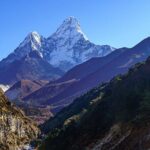
Day 6 continues to Dingboche, passing chortens and mani walls plus small villages like Pangboche. One specific mountain reference is included: from Pangboche you can enjoy views of Mt. Ama Dablam. That kind of landmark view helps break up the monotony of “just walking higher.”
Day 7 repeats the Dingboche stop, but it’s not the same day twice. This is another acclimatization day, with a walk up a ridge above Dingboche to keep you active while letting your body adjust to altitude. The goal here is to stay busy without exhausting yourself.
If you’re sensitive to altitude, this is where your guide’s experience counts. One of the most reassuring themes from past feedback is that guides are attentive and responsive when people struggle, including cases where someone didn’t finish due to altitude sickness. The trip plan can’t erase altitude risk, but it can keep you supported and realistic.
You can also read our reviews of more hiking tours in Kathmandu
Days 8 and 9: Lobuche to Gorak Shep, then true Everest Base Camp
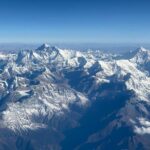
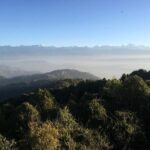
Day 8 goes to Lobuche. The itinerary description emphasizes breathtaking Himalayan views as the day starts, then notes the walk becomes difficult at first and the valley narrows as you approach Dusa. At this stage of the trek, your effort starts to feel more “hiking expedition” than “scenic walk,” and that’s normal.
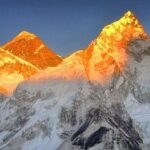
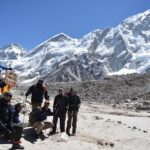
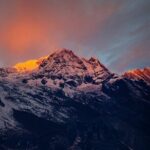
Day 9 is your big milestone: Everest Base Camp. The itinerary highlights trekking across the lateral moraine of the Khumbu Glacier, then arriving at Gorak Shep, a small village surrounded by snow-capped mountains.
This is the moment most people remember, because it’s the closest you can practically get to the myth. It’s not just the destination—it’s how the route funnels you there through thick altitude, river crossings, and Sherpa communities.
The practical advice I’d give here is boring but important: don’t treat Base Camp day like a “go-go-go” day. Your body has been climbing for days. Spend your energy on the view, the photos, and the short walks, then save your legs for whatever comes next.
Day 10 to 12: Kala Patthar and the long descent rhythm back toward Namche and Lukla
Day 10 is centered on Kala Patthar. The itinerary says you wake early after a night at Pheriche, have breakfast, and then trek down after that route segment. It also mentions passing across the Imja Khola bridge and through juniper forests, plus rhododendron forests. Translation: you’ll likely feel both wind and cold changes, and the trail is a mix of forest shade and exposed sections.
Day 11 continues the descent pattern back toward Namche Bazaar. The itinerary again references rhododendron forests, the Imja Khola bridge, and juniper forest terrain. This day is more about managing your knees and keeping your steps steady than it is about chasing views.
Day 12 brings a shorter trek toward Phakding and follows the Dudh Koshi River with suspension bridges along the way, then you finally reach Lukla. Since Day 13 is your return flight to Kathmandu, this day is your “finish line logistics” day. You’ll likely feel the fatigue, but it’s a good kind of tired because the end is real.
Days 13 and 14: 40 minutes back to Kathmandu, then farewell dinner and certificates
Day 13 is the return flight—about 40 minutes—from Lukla to Kathmandu. The itinerary frames it as relaxing, and that’s accurate: after hours of trekking, you’ll appreciate even a short flight.
Day 14 is a farewell dinner organized by the trekking company, plus successful trek certificates. The plan also gives you space to share what you loved and what you’d change, which is useful. It’s also a chance to decompress with your guide and porter team after a physically intense 14 days.
From past feedback, it’s clear that the team culture is a point of emphasis. Guides have been praised by name—people have mentioned guides like Kalyan Gurung, Parkhidhan Tamang, Romeo, and support team members such as porters including Minmar and Ram. The common thread is respectful care and good organization, not just technical guiding.
Price and logistics: what $1,600 buys you (and what it doesn’t)
At $1,600 for 14 days, the big value isn’t only the guide. It’s the full package structure:
- Airport pick up and drop in Kathmandu via private vehicles
- Domestic flights Kathmandu–Lukla–Kathmandu, including airport tax
- English-speaking guide plus porter support (for two trekkers)
- Accommodation in Kathmandu and lodges/tea houses during the trek
- All necessary permits and entrance fees
- Meal coverage listed across multiple days (breakfast 12, lunch 10, dinner 10)
- Farewell dinner plus trek certificate
- Mobile ticket included
What’s not included is also important: personal expenses and travel insurance. For a trek with altitude exposure, insurance isn’t a “nice-to-have.” It’s a way to protect yourself if weather or health issues force a change of plans.
Also, the experience requires good weather and has a minimum number of travelers. That doesn’t mean the trip is unreliable; it means the Himalaya calls the shots. Your best bet is to travel with flexibility.
Who this trek suits best (and who should rethink it)
This tour is listed for people with moderate physical fitness. That’s a reasonable match for Everest Base Camp as a concept, but the trek still asks for consistent walking day after day.
You’ll probably love it if you want:
- A private format with your own group and pace
- A guide who handles permits, lodging, and route logistics
- Porter support for heavy gear so you can focus on walking
- An itinerary that includes real acclimatization pauses like Namche and Dingboche
You might want to reconsider if you know you tend to struggle with altitude, or if you have limited stamina for repetitive 5-ish hour trekking days through steep or uneven trail sections. Altitude problems can happen even to prepared people, and the itinerary is designed with acclimatization stops to help, not to guarantee results.
Should you book this Everest Base Camp private trek?
If you want a well-run, private, logistics-light Everest Base Camp trek, this one is worth serious consideration. The included structure is strong: Kathmandu lodging, flight support, permits, a guide, and porter help, plus a clear day-by-day route through the classic Khumbu sequence.
I’d book it if you value smooth organization and you prefer to spend your energy on the trail instead of paperwork. I’d also feel better booking this route because past feedback highlights named guides and a consistent theme of careful attention to people’s needs—especially when altitude becomes an issue.
I’d pause before booking if your schedule is rigid or you can’t handle potential weather-related disruptions. This trip depends on mountain conditions, and that’s part of the real Everest experience.
FAQ
Is this trek private or shared with other groups?
It’s listed as a private tour/activity, so only your group participates.
Does the price include the Kathmandu and on-trek accommodations?
Yes. Accommodation in Kathmandu is included (two nights in a 3-star hotel with breakfast), and during the trek you’ll use lodges or tea houses.
Are airport transfers and the Lukla flights included?
Yes. You get airport pick up and drop in Kathmandu by private vehicles, plus domestic air fare for Kathmandu–Lukla–Kathmandu including airport tax.
Who carries heavy gear?
The itinerary includes a porter for two trekkers, so you don’t have to carry all heavy items yourself.
Are permits and entrance fees included?
Yes. The trip includes all necessary permits and entrance fees during the trekking.
What happens if weather is poor?
The experience requires good weather. If it’s canceled due to poor weather, you’ll be offered a different date or a full refund.