REVIEW · KATHMANDU
16 Day Private Manaslu Circuit Trek from Kathmandu
Book on Viator →Operated by Himalaya Guide Nepal · Bookable on Viator
Manaslu feels remote, even on a prepared trek. This private trek with Himalaya Guide Nepal keeps the focus on hiking, while handling permits and logistics from Kathmandu.
I like that the package includes a down jacket and a sleeping bag, so you can travel lighter and worry less. I also like the licensed guide setup plus a medical kit that includes an oximeter, which helps you stay level-headed if altitude concerns show up.
One thing to plan for: Kathmandu lodging isn’t included. Also, parts of the route use public transport, so you should expect a few long, bumpy segments.
In This Review
- Key things to know before you go
- Price and logistics: what $1,135 really buys
- Starting in Kathmandu: Thamel plus heritage, with an easy rhythm
- The long drive days: from Kathmandu toward Gorkha and Sotikhola
- Jagat permit checkpoint: starting the restricted-country trek properly
- Jungle walk to Namrung and Manaslu’s first big views
- Samagaun: Birendra Lake and that “stay and look” feeling
- Short walking days (days 11–12): why the itinerary eases up
- Larkya Pass day from Larkya Bhanjyang: the toughest clock on the map
- Tilche and rhododendron jungle walks: finishing with softer terrain energy
- Back to Kathmandu: public buses, real timing, and a final reset
- Guide support and the team: small details that prevent big headaches
- Included gear and practical comfort: what you can pack less of
- Food, nights in lodges, and what a 14-day meal plan really means
- Who should book this Manaslu Circuit trek, and who should rethink it
- Should you book Himalaya Guide Nepal for the 16-Day Manaslu Circuit?
- FAQ
- How long is the Manaslu Circuit trek?
- What does the $1,135 per person price include?
- Are Kathmandu hotel nights included?
- What trekking permits are included?
- What equipment is provided for the trek?
- How do the transport parts work on this trip?
- What meals are included?
- What is not included in the price?
- When and where does the trip start and end?
- Is there free cancellation?
Key things to know before you go
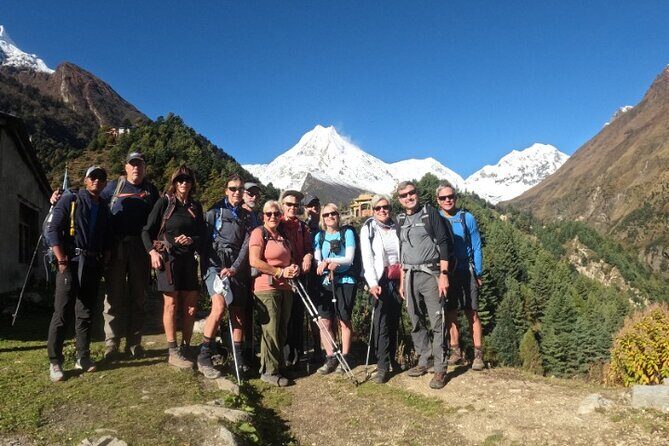
- Permits are handled for the restricted Manaslu area and conservation areas, so you’re not stuck chasing paperwork on your first Nepal days.
- Down jacket and sleeping bag are included, which can save money and packing stress.
- A licensed guide and first-aid kit with an oximeter give you real safety-minded support in the mountains.
- Lodge accommodation plus 14 breakfasts, lunches, and dinners keeps your days simple once you start trekking.
- The itinerary balances longer hiking days with shorter recovery walks, including a pass-day that’s still a serious push.
Price and logistics: what $1,135 really buys
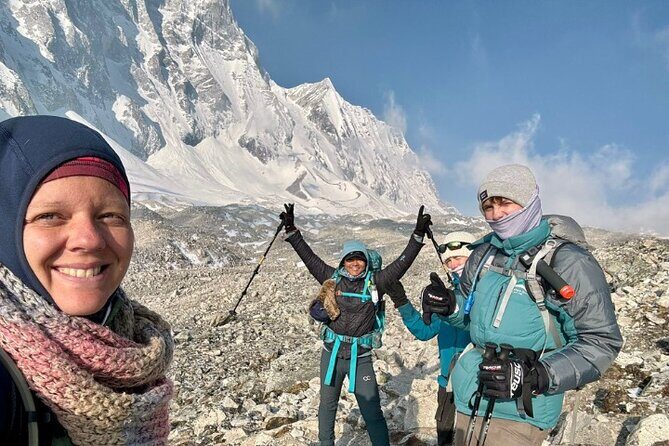
At $1,135 per person for about 16 days, this trek is priced like a “managed adventure.” You’re not just paying for a route map. You’re paying for the unglamorous stuff that can make or break a mountain trip: guides, permits, meals, and key gear.
What’s included matters. You get airport pickup and drop, plus transfer into your Kathmandu hotel. During the trek, you get lodge accommodation, and 14 breakfasts, lunches, and dinners are included. You also get MCAP permit, Manaslu restricted area permit, and ACAP, with VAT handled.
There’s also real value in the included cold-weather kit: a down jacket and sleeping bag. If you’ve ever bought a sleeping bag for one trip and then regretted it later, you’ll appreciate this.
What isn’t included is equally important. Kathmandu lodging is not included, and travel insurance isn’t included (especially important in trekking country). Drinks like soda and bottled water aren’t included, and personal costs like charging batteries, laundry, and shower fees are on you. Tips are expected.
You can also read our reviews of more private tours in Kathmandu
Starting in Kathmandu: Thamel plus heritage, with an easy rhythm
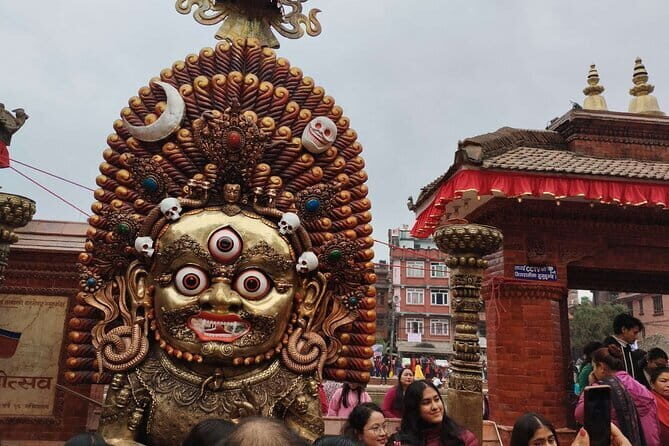
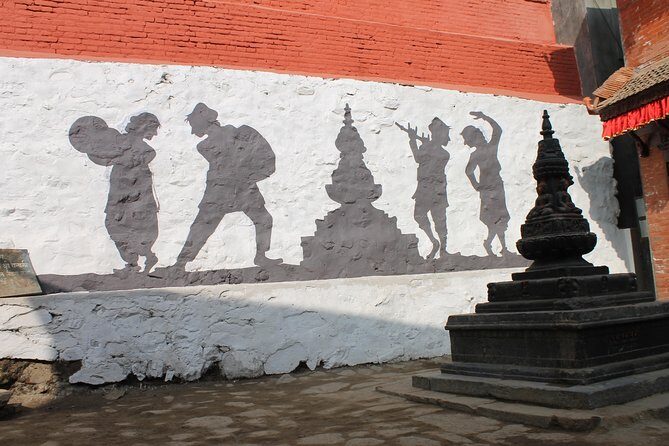
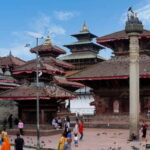
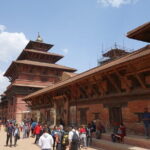
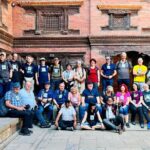
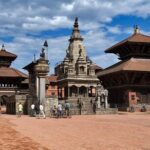
Your trip begins in Kathmandu with a straightforward orientation. Day 1 focuses on the city itself and its World Heritage sites, with a short time block so you can get oriented without burning jet lag energy. Day 2 shifts to Thamel, the busy tourist area that’s practical for getting a few essentials (and absorbing Nepal’s city energy).
What I like about this start is the pace. You’re not immediately thrown into a long trekking hike on day one. Instead, you get time to settle, meet the team, and get your bearings.
One small caution: if you arrive with big plans for independent exploring, keep it light on day 1–2. You’re going to spend the next days moving into the trekking rhythm, and you’ll want to save energy for the road and the first walking day.
The long drive days: from Kathmandu toward Gorkha and Sotikhola
Once the city portion ends, the itinerary leans into the “getting there” part of Himalayan trekking. On day 3, you travel about 6–7 hours by road from Kathmandu toward Sotikhola. It’s a long first contact with Nepal’s valleys, and it’s also your first chance to understand that this trek is not just steps on a trail. It’s also time in vehicles.
Day 4 is your first actual walking day in the Manaslu region. With about 6 hours of walking, this is where your legs start learning the pattern: steady uphill effort, frequent pauses, and that calm concentration that only comes when you’re walking at altitude.
This is also a good day to check your gear fit and comfort. The included down jacket and sleeping bag help for later cold nights, but for daytime you’ll still want layers that you can adjust fast. Nepal weather can change quickly, even when the trail looks calm.
Jagat permit checkpoint: starting the restricted-country trek properly
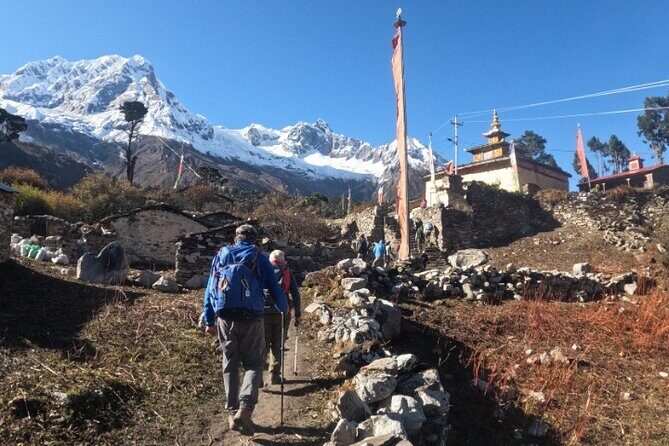
Day 5 brings the moment that makes Manaslu different from many other circuits: a formal permit check area. You’ll spend about 6 hours walking, and you pass through the Jagat area where the trek’s permit process is part of the journey.
Why this matters: when you’re in restricted or regulated areas, permits aren’t a paperwork nuisance. They’re part of keeping the trek legal and supported. And because the necessary permits are included, you’re not scrambling to sort them after you’ve already started.
One practical tip for this day: keep your documents and any requested trek paperwork organized and easy to reach. Your guide handles the process, but you’ll still move through checkpoints faster if you’re not digging through bags.
Jungle walk to Namrung and Manaslu’s first big views
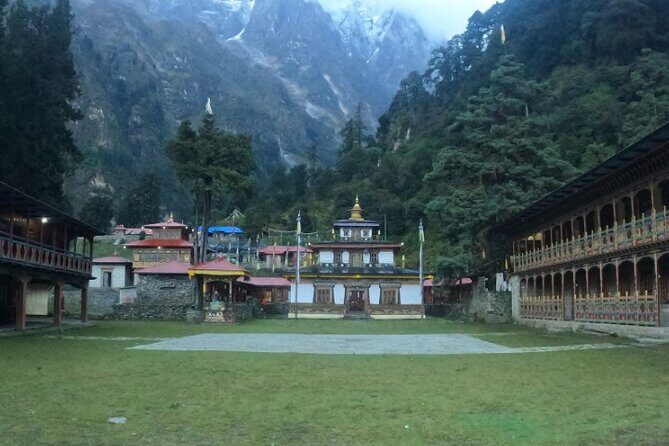
Days 6–8 are about variety and build-up.
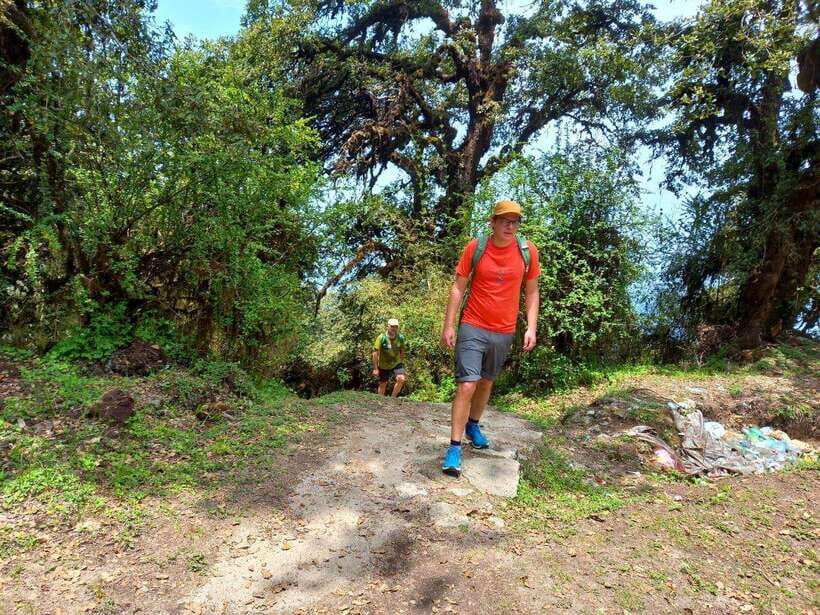
Day 6 is described as a jungle walk with about 7 hours of hiking. Expect that stretch where the path feels active and the air can feel cooler under tree cover. It’s a good counterpoint to the more open views you’ll get later.
Day 7 takes you to Namrung, a village stop with about 7 hours. Village days like this are where you feel the circuit rhythm: you walk into a community, see how daily life adapts to the trail season, and then settle in for the night with mountain views and lodge routines.
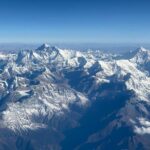
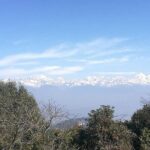
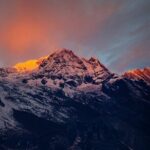
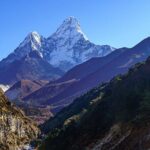
Day 8 is where the trek gives you a payoff. You get your first view of Mt. Manaslu, with about 6 hours of walking. Even on days that don’t look impressive on a map, this is the kind of moment that changes how you feel about the whole route. The mountain stops being a concept and becomes a presence.
You can also read our reviews of more hiking tours in Kathmandu
Samagaun: Birendra Lake and that “stay and look” feeling
Day 9 arrives at Samagaun, described as one of the best places for trekkers. You hike about 4 hours, and the big advantage is that you can see Mt. Manaslu from your hotel, plus Birendra Lake.
This is a smart design choice in the itinerary. A shorter hiking day gives you time to rest, hydrate, and actually enjoy the view instead of just passing through. If you’ve ever rushed through a spectacular place and then felt annoyed later, you’ll understand why this matters.
Day 10 is your hike day connected to the Manaslu Base Camp area or Phungen monastery and Birendra Lake, with about 4 hours walking. That mix is valuable because it gives you options depending on how you feel that day and what you want to prioritize: a base-camp style destination vibe or a monastery-focused cultural stop.
And because Birendra Lake is tied into both days, you don’t feel like you’re doing the same thing twice. The lake becomes a steady reference point as your acclimatization and rhythm progress.
Short walking days (days 11–12): why the itinerary eases up
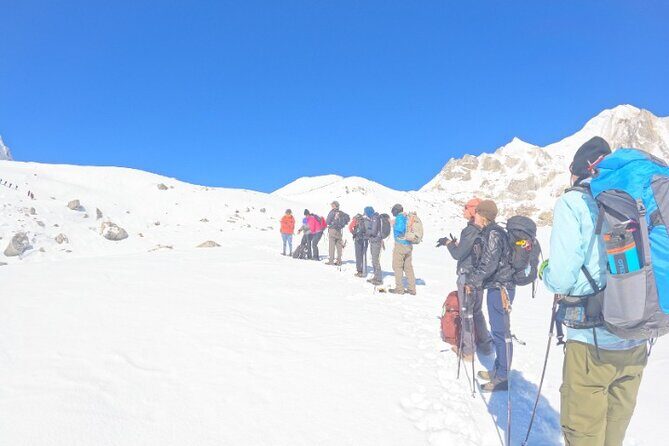
Days 11 and 12 are both shorter, each around 4 hours of walking. The stops are still in the Manaslu area, but the schedule is intentionally lighter.
This is one of the more underrated features of the trek. Long days can be mentally tiring, even if your legs manage them. Shorter days help you recover so you can handle the big effort later—especially the pass day.
If you’re traveling with moderate experience, these lighter days can be the difference between “I survived the trek” and “I enjoyed the trek.” If you’re experienced, you’ll still appreciate the time to stretch, eat properly, and make sure your footing feels steady before the hardest segments.
Larkya Pass day from Larkya Bhanjyang: the toughest clock on the map
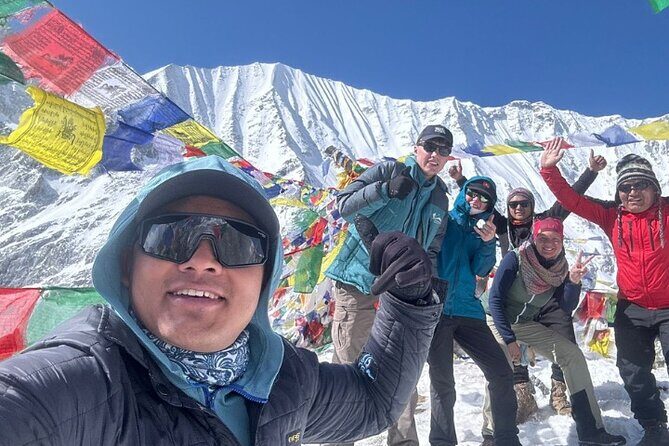
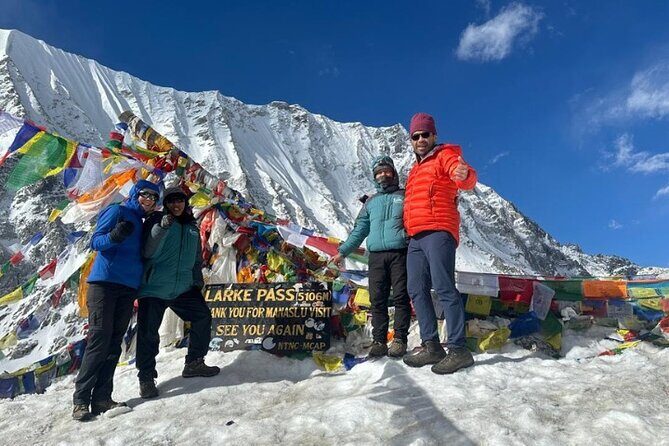
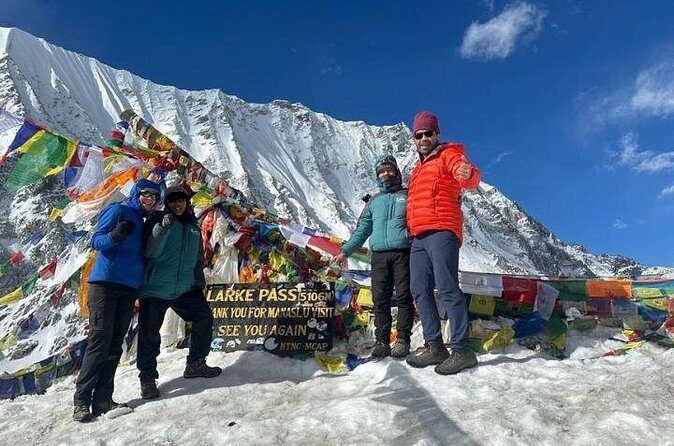
Day 13 is the long one: about 9 hours walking on the Larkya Pass day, starting from Larkya Bhanjyang.
This is the day you plan around. It’s not just about moving; it’s about managing pacing so you don’t burn out early. Your guide’s job matters most here—keeping you on the right effort level and helping you stay focused when the climb feels relentless.
One reason pass days can feel harder than they should: you’re not just climbing. You’re also dealing with cold air, wind exposure, and the mental strain of a long day goal. That’s where the practical safety-minded parts of the package become reassuring, especially the fact that your kit includes a medical box with an oximeter.
Tilche and rhododendron jungle walks: finishing with softer terrain energy
After the pass, Day 14 goes to Tilche with about 7 hours walking. The description calls out a rhododendron jungle walk to Tilche Gurung Village.
This matters because it changes the atmosphere. Pass day is sharp and demanding. The rhododendron walk tends to feel more sheltered and, emotionally, less like a grind. Plus, ending near a Gurung village keeps the cultural connection strong. You’re moving through communities that live alongside the trail, not just passing mountain terrain.
Day 15 shifts you toward Besisahar. You do about 1 hour of walking, then 4–5 hours of driving. The total time sits around 6 hours, with a real sense that you’re transitioning out of trekking country and back into Nepal’s transport network.
Back to Kathmandu: public buses, real timing, and a final reset
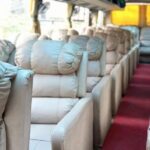
Day 16 returns you to Kathmandu via public bus, taking about 6–7 hours (total around 7 hours on the schedule). This is another place where expectations matter. Public transport means less control over comfort than a private vehicle, but it also means you’re traveling like many locals and trekking groups do.
If you’re the type who hates delays, you’ll need patience. If you’re the type who can read, listen to music, or just watch the road unfold, you’ll likely handle it fine.
When you get back, the trek ends back at the meeting point. That makes your arrival day feel clean and simple—no complicated last-minute navigation.
Guide support and the team: small details that prevent big headaches
Even with permits and meals handled, the mountains still run on human help. This is where the guide and support team quality becomes a major part of the experience.
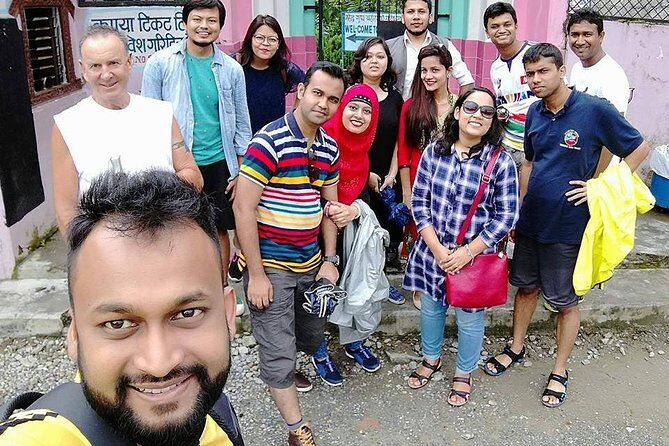
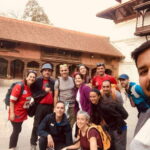
Names that show up with strong praise include Kumar and Bashu as guides, along with team members like Dinesh, Prabin, Binod, Hom, Salman, and Saurab in support roles. The common thread is preparedness and encouragement—especially on days that are longer or feel tougher than the plan looked on paper.
I also like that the package includes the guide’s support structure in the “included” list: their salary, equipment, insurance, lodging, and food. That’s not a small detail. It usually means fewer surprises for you, and more stability behind the scenes.
Included gear and practical comfort: what you can pack less of
The trekking kit included here is genuinely helpful for value. You get a down jacket and a sleeping bag, which can cut down on weight, rental costs, or last-minute purchases.
Still, don’t treat this as a reason to show up unprepared. You’ll still need day layers, trekking socks, and footwear you trust. Because the trek includes cold-weather gear, you’re better off focusing your packing on comfort while walking and reducing blisters rather than chasing warmth for every layer.
Also included is a trekking and city map, plus a trekking duffle bag if you need it. A duffle can help if you’re traveling with a main suitcase and want a clean “grab and go” packing system. If you already have a sturdy bag, you may not need it, but it’s there.
Finally, there’s a small but smart touch: a first-aid box with an oximeter, plus some dry and fresh fruits during the trek, and a farewell dinner with Nepali food. Those little additions help the whole experience feel cared for.
Food, nights in lodges, and what a 14-day meal plan really means
Lodge trekking sounds simple on paper. In reality, the main win is predictability. This trip includes 14 breakfasts, 14 lunches, and 14 dinners, and lodge accommodation is included during the trek.
That means less time wondering where to eat and what it will cost. It also means you can plan your effort around meals instead of building your day around searching for food.
If you’re sensitive to hydration or have a picky relationship with drinks, you’ll still need to handle your own preferences, since hot and cold drinks like bottled water and soda are not included. Personal expenses are also your responsibility, so budget for charging, shower costs, and any extra snacks you want.
Who should book this Manaslu Circuit trek, and who should rethink it
This trek is a strong match if you want a private experience with a licensed guide, real village days, and a structured plan that covers permits and most logistics. It’s also a good fit if you don’t want to manage gear rentals, because key cold-weather equipment is included.
It’s listed for people with moderate physical fitness. That doesn’t mean it’s easy. There are long segments, including a 9-hour pass day, plus multiple 6–7 hour walking days. The short 4-hour days help, but you still need stamina and smart pacing.
Reconsider if you:
- hate long transport days and potential discomfort from public buses/jeeps,
- don’t want to budget separately for Kathmandu lodging,
- can’t manage trekking at a moderate fitness level for multiple days.
Should you book Himalaya Guide Nepal for the 16-Day Manaslu Circuit?
Yes, if you want a well-run package that reduces the boring risks. The price makes sense when you factor in permits, lodge stays, meals, airport transfers, and included gear like a down jacket and sleeping bag. The inclusion of a medical kit with an oximeter is also the kind of detail that makes you feel taken care of before things get serious.
But book with eyes open. Kathmandu accommodation isn’t included, drinks and personal costs aren’t included, and some legs use public transport. If that doesn’t bother you, you’ll likely find the itinerary hits a nice rhythm: village life in places like Namrung and Tilche Gurung Village, big views of Manaslu, lake time around Birendra Lake, and a real pass challenge at Larkya.
FAQ
How long is the Manaslu Circuit trek?
The duration is about 16 days.
What does the $1,135 per person price include?
It includes international airport pickup and drop, public transport segments (Kathmandu to Sotikhola and Dharapani to Besisahar, plus the return by public bus), lodge accommodation during the trek, a licensed guide, trekking equipment (down jacket and sleeping bag), required permits, maps, meals (14 breakfasts, lunches, and dinners), some fruits, a first-aid medical box with an oximeter, and a farewell dinner with Nepali food.
Are Kathmandu hotel nights included?
No. Accommodation in Kathmandu is not included.
What trekking permits are included?
The package lists legal documents including MCAP permit, Manaslu restricted area permit, and ACAP.
What equipment is provided for the trek?
You receive a down jacket and a sleeping bag. A trekking duffle bag is provided if you need it.
How do the transport parts work on this trip?
You start with airport pickup and hotel drop in Kathmandu. For the trek route, the plan includes public bus travel from Kathmandu to Sotikhola, and a public jeep from Dharapani to Besisahar. You then take a public bus back to Kathmandu near the end.
What meals are included?
Breakfast, lunch, and dinner are included for 14 days each during the trek period.
What is not included in the price?
Not included are Kathmandu accommodation, travel insurance during the trek, hot and cold drinks (like Coke or mineral water), and personal expenses such as laundry, telephone, battery charging, shower costs, and boiled water. Tips are also expected.
When and where does the trip start and end?
It starts at Tribhuvan International Airport in Kathmandu (Ring Rd area) and ends back at the meeting point.
Is there free cancellation?
Yes. Free cancellation is available, with a full refund if you cancel up to 24 hours in advance of the start time, based on local time. If you cancel less than 24 hours before, the amount paid is not refunded.