REVIEW · KATHMANDU
Kathmandu: Local Lead Nepali Cooking & Momo Making Class
Book on GetYourGuide →Operated by Kathmandu Cooking Academy · Bookable on GetYourGuide
You fold the momo and steam it right away. This Kathmandu class is interesting because you shop for ingredients first, then cook with a real chef’s pacing and technique, with momo and dal bhat at the center. I love the market stop because you actually pick ingredients you can recognize later. I also love the step-by-step teaching style, including getting the folds right. One thing to consider: the class is focused on a couple of core dishes, so if you want a huge sampler of every Nepali specialty, this may feel a bit concentrated.
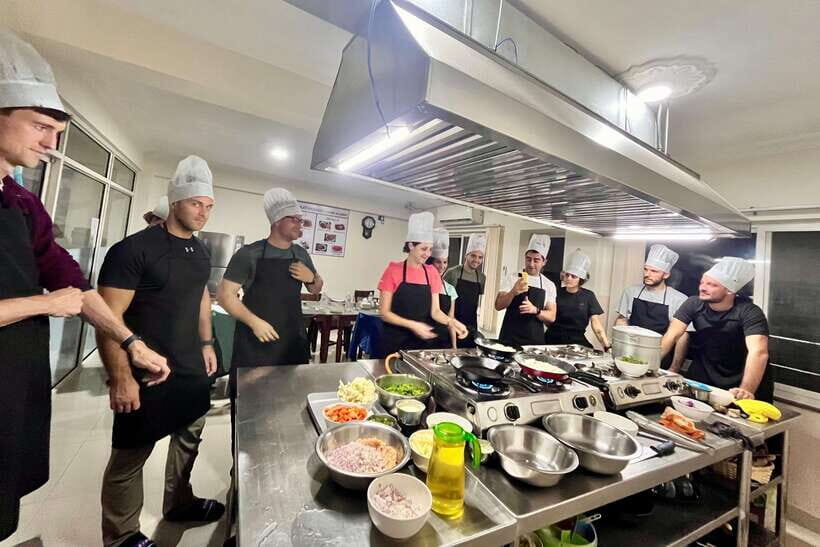
The vibe in the kitchen is friendly and practical, not showy. In the feedback I read, instructors like Vikram and hosts like Niche were praised for clear English and patient guidance while you cook (especially during momo folding).
It’s also set up for real life in Kathmandu. You can walk from Thamel to the Kathmandu Cooking Academy in about 10 to 15 minutes, and pickup is an optional add-on if you don’t want to deal with directions on foot.
In This Review
- Key Highlights You’ll Feel in the First Hour
- Kathmandu Cooking Academy: Where the Class Starts (and Why It Matters)
- The Market Walk: Learn Ingredients Before You Heat a Pan
- Choosing Your Menu: It’s Not Just Momo and Dal Bhat
- Momo Making: Folding Techniques You Can Actually Reproduce
- Dal Bhat: The Meal You Learn to Comfortingly Recreate
- Tasting Session: Eat What You Made (with Masala Tea)
- Timing and Pace: How a 3 to 4 Hour Class Fits Your Day
- Small Group Energy: Why Up to 10 People Changes Everything
- Price and Value: How $4 Can Feel Like More Than a Snack
- Practical Tips So You Leave With Skills, Not Just Photos
- Who This Cooking Class Fits Best
- Should You Book This Kathmandu Momo and Dal Bhat Class?
- FAQ
- Where is the meeting point for the class?
- What dishes will I learn to make?
- How long does the cooking class last?
- Is hotel pickup included?
- Is the class taught in English?
- How big is the group?
- What should I bring to the class?
- Is the class wheelchair accessible?
Key Highlights You’ll Feel in the First Hour
- Market/shop tour for fresh ingredients so you cook with what you chose
- Hands-on momo and dal bhat with step-by-step guidance
- Small group size (up to 10) for more attention as you work
- Masala tea included with the meal you cook
- Multiple dish options beyond the two core courses, depending on what you pick
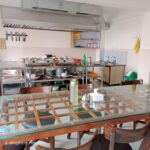
- Clean, well-equipped kitchen that supports active participation
Kathmandu Cooking Academy: Where the Class Starts (and Why It Matters)
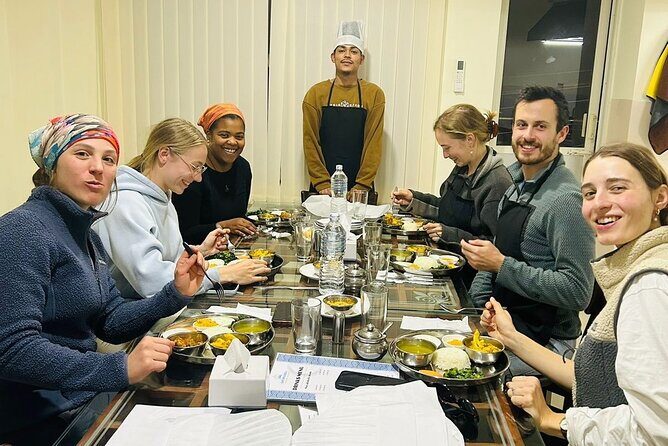
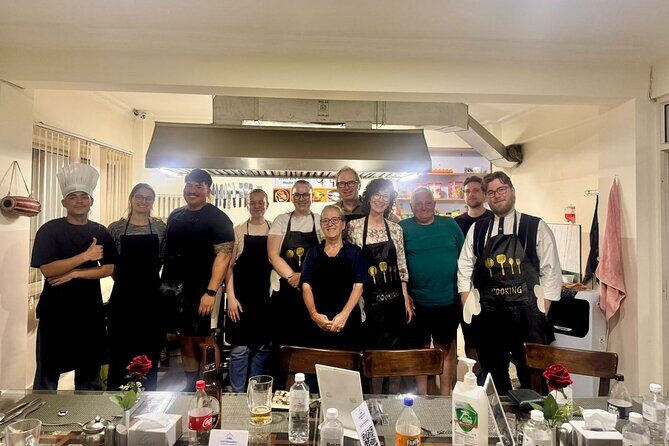
Most cooking classes in big cities start in a studio kitchen. This one starts in Kathmandu at the Kathmandu Cooking Academy, in the heart of the city near Thamel. The meeting point is easy to find on foot if you’re staying around Thamel—just plan on a 10 to 15 minute walk.
If you’d rather not navigate streets on your own, pickup is available from within Kathmandu Valley. That matters because you’re coming for a timed, hands-on experience—getting there smoothly helps you start cooking without feeling hurried.
Also, the class is in English, and the group is kept small (limited to 10 participants). That combination—English plus small group—changes everything when you’re learning knife work, mixing, and especially momo folding.
You can also read our reviews of more cooking classes in Kathmandu
The Market Walk: Learn Ingredients Before You Heat a Pan
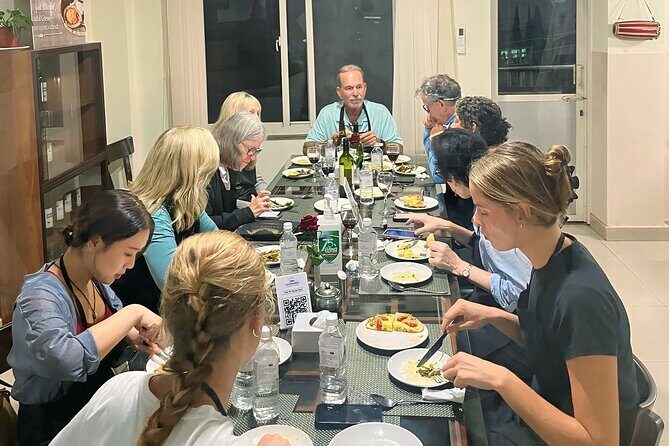
The class includes a market or shop visit where you select ingredients with guidance from the chef. This is one of the best parts because it turns Nepali cooking from a list of steps into something you understand.
Instead of blindly buying packaged items, you get to look, choose, and hear what goes into the dishes you’ll cook. You also get a better sense of the flavor base that makes Nepali food taste like itself—spices, aromatics, and key staples that show up in both momo and dal bhat.
In practical terms, this also helps you later. When you’re back home trying to recreate the dishes, it’s much easier to find ingredients if you remember how they were discussed and what they were used for.
One small note: there’s a lot happening in a short window. Wear comfortable clothes for walking and cooking, and bring a camera if you want photos of ingredients and the setup.
Choosing Your Menu: It’s Not Just Momo and Dal Bhat
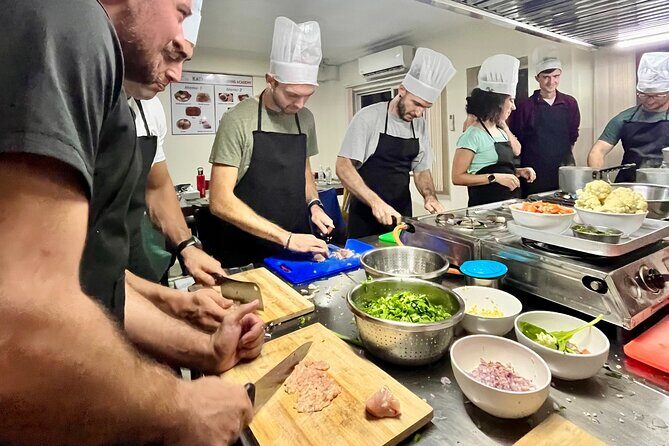
The class centers on two iconic dishes—momo and dal bhat—and those are the anchor points of the lesson. But you usually get flexibility to choose additional dishes from a menu of traditional options.
In the notes from past participants, people mentioned cooking multiple dishes like bara and yomari alongside momo. Others reported making three dishes of their choice. That’s a big deal if you’re the kind of person who doesn’t want a one-note experience.
Here’s how to think about it: you’re learning core skills through the main courses, then you’re allowed to expand your practice through extra dishes. So you leave not only with food you liked, but with a clearer idea of what changes from one Nepali recipe to another.
If you have dietary restrictions or preferences, tell the academy in advance so they can tailor the class to your needs.
Momo Making: Folding Techniques You Can Actually Reproduce
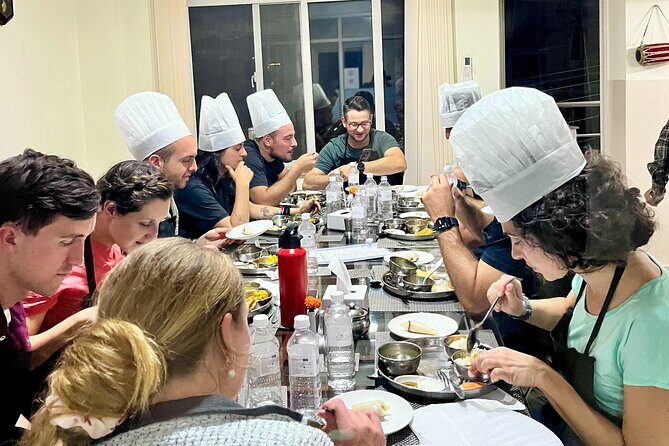
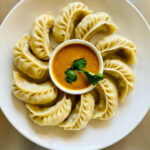
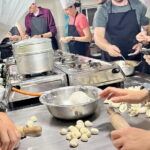
Momo is the star here, and you’ll spend real time making it, not just watching. The class is hands-on, with step-by-step instruction that includes how to assemble and shape dumplings.
A common challenge with momo everywhere is the folding. Here, the teaching focuses on getting the pattern right—slow enough that you can follow, and guided enough that you don’t feel lost. In one set of feedback, participants specifically praised how patient the chefs were while helping them learn to fold mo mo pastry.
What you should expect in the kitchen:
- Mixing or preparing components used for dumplings
- Getting the dough and filling working together correctly
- Practicing folding until it makes sense
- Cooking/serving so you can taste the results immediately
This format is valuable because you’re learning technique through repetition. One dumpling that looks imperfect still helps you build muscle memory for the next.
Dal Bhat: The Meal You Learn to Comfortingly Recreate
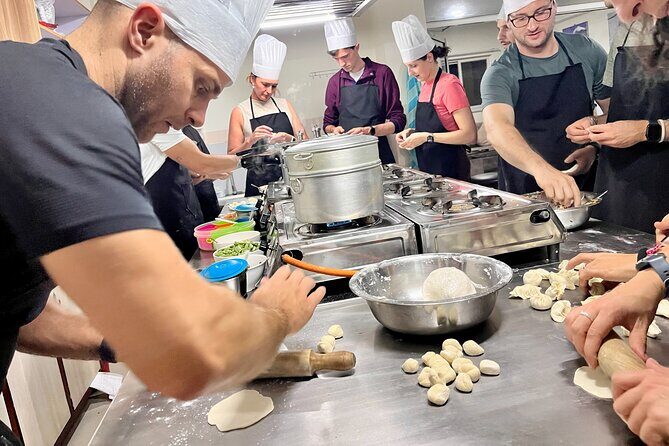
Dal bhat is the other core you’ll make, and it’s not just a side dish lesson. In Nepali cooking, dal bhat is a foundational comfort meal, and cooking it gives you a practical view of how flavors and texture come together.
What makes this part useful for you:
- You’ll learn how dal behaves as it cooks and thickens
- You’ll understand the role of spices and aromatics rather than memorizing a recipe blindly
- You’ll get a meal you can imagine serving to friends back home
Even if you think you already know dal from other cuisines, this teaches you the Nepali approach. And because the class includes tasting the food you make, you can adjust in your mind what you liked—more spice, different balance, or simply the right consistency.
If you’re a foodie who wants more than just dumplings, dal bhat anchors the experience in everyday Nepali flavor.
You can also read our reviews of more tours and experiences in Kathmandu
Tasting Session: Eat What You Made (with Masala Tea)
After cooking, you sit down for a tasting session with the meal you prepared. The class typically includes two main courses plus a dessert, and you get complimentary Nepali masala tea.
This part sounds simple, but it’s crucial. When you taste your own momo and dal bhat, the teaching clicks. You can connect what the chef said during prep to what you’re experiencing on your plate.
Also, masala tea is a nice finish for a cooking session because it complements spice notes and adds a local touch. You’re not just leaving with recipes—you’re leaving with a flavor memory tied to the work you did.
One practical tip: go hungry. Several participants mentioned arriving with an appetite and feeling that the food was plentiful.
Timing and Pace: How a 3 to 4 Hour Class Fits Your Day
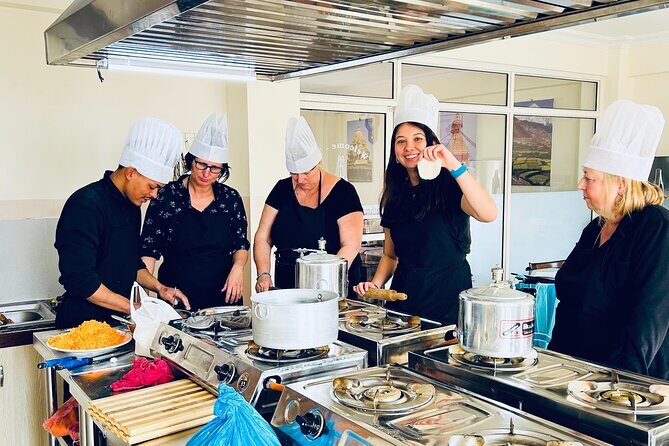
The experience lasts about 3 hours, with a range listed as 3 to 4 hours depending on start times and options. The cooking section is where time is tight, so it’s best to plan your day with some breathing room.
Arrive at least 15 minutes early. That buffer matters because you need time to check in at the academy and get settled before the chef starts moving the group through steps.
The pacing is also why the class works for small groups. You’re not waiting around for long stretches. If you like active learning, this will fit your style.
Small Group Energy: Why Up to 10 People Changes Everything
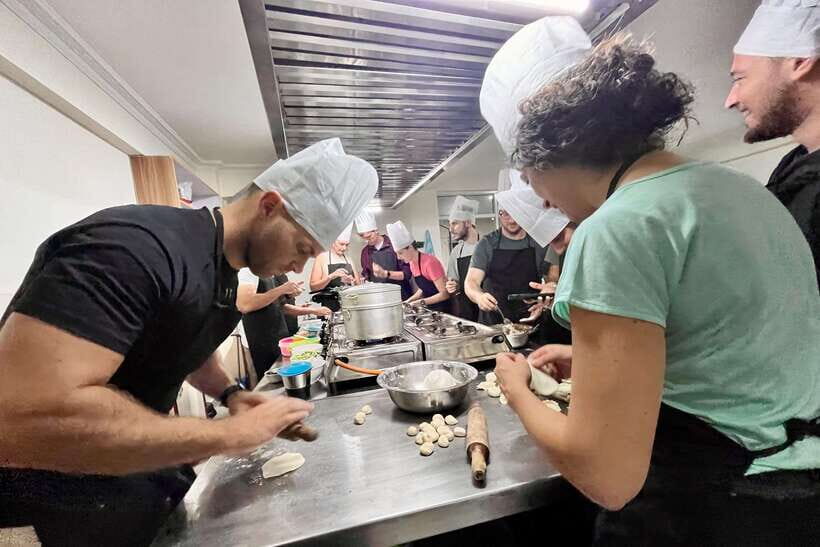
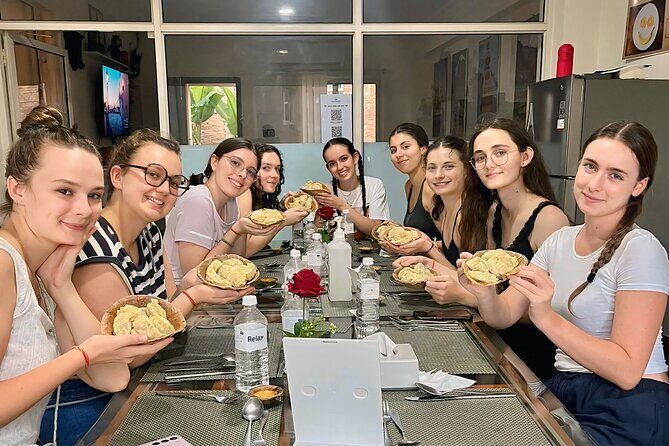
This isn’t a massive class where you watch from the back. Group size is limited to 10 participants, and you can feel the difference when you’re actually shaping dumplings and cooking.
Past experiences highlighted that chefs and assistants were welcoming and helpful, and that instruction stayed clear even for people learning for the first time. Several participants also mentioned patient guidance—especially during momo folding—plus encouragement that kept the lesson moving at a friendly pace.
If you’re traveling solo, this small group format still feels personal rather than chaotic. If you’re with friends, it’s easy to share the work and compare your dumpling shapes like a fun side quest.
Price and Value: How $4 Can Feel Like More Than a Snack
The listed price is $4.00 per person, and that’s where the value argument becomes real. For that amount, you’re getting:
- Hands-on cooking instruction
- Market/shop tour for ingredients
- Use of cooking equipment and accessories
- A meal you cook (two main courses plus dessert, typically)
- Complimentary Nepali masala tea
Even without comparing to specific competitors, this is a lot of structured time and food for a very low entry price. It’s also a value play if you like learning by doing. You’re paying for coaching and an outcome: you take home something you can repeat.
What isn’t included matters too. Specialty drinks and alcoholic drinks aren’t included, and professional photos or videos cost extra if you want them. If you want to document the experience, bring your own camera.
Practical Tips So You Leave With Skills, Not Just Photos
Here’s how to set yourself up for a smooth class and better results:
- Bring a camera if photos matter to you. The academy explicitly suggests bringing one.
- Wear comfortable clothing. You’ll be actively participating in cooking and handling ingredients.
- Don’t show up late. Arrive about 15 minutes early so you don’t miss the market-to-kitchen flow.
- Tell them about dietary restrictions or preferences beforehand so they can tailor what you cook.
- Consider going with an empty stomach mindset. You’ll be tasting the food you make, and people have consistently pointed out that the portions are satisfying.
If you’re curious about learning multiple Nepali dishes, check what options you can pick during booking. The class is flexible, but it’s still centered on momo and dal bhat.
Who This Cooking Class Fits Best
You’ll likely enjoy this class if:
- You love food and want a practical skill you can repeat at home
- You like small-group lessons where you can ask questions while working
- You’re excited to learn how Nepali staples come together, not just sample them
- You want a Kathmandu activity that feels hands-on rather than sightseeing-only
It may be less ideal if:
- You’re looking for a huge multi-country cooking buffet style class with lots of unrelated recipes
- You want a lot of downtime or purely observational time
It’s listed as wheelchair accessible, and it’s not suitable for children under 5 years or people over 95 years. English is used for instruction, which helps if you don’t speak Nepali.
Should You Book This Kathmandu Momo and Dal Bhat Class?
If you want one simple, high-impact Kathmandu experience—cook, taste, learn, and leave with confidence—this is a strong choice. The combination of market ingredient picking, hands-on momo folding, and a meal that includes dal bhat plus dessert makes it feel like real learning, not a short food show.
Book it especially if you enjoy interactive classes and you want a chef-guided way to understand Nepali flavors. If your priority is a wide spread of Nepalese dishes with lots of variety beyond the core courses, confirm your extra dish options while booking so the menu matches your expectations.
FAQ
Where is the meeting point for the class?
The meeting point is at the Kathmandu Cooking Academy, in the heart of Kathmandu near Thamel. It’s an easy walk, about 10 to 15 minutes, and you should look for a signboard outside the building.
What dishes will I learn to make?
The class focuses on momo and dal bhat as the main courses. You also have options to choose additional traditional Nepali dishes depending on what’s available.
How long does the cooking class last?
The experience is about 3 hours, and the duration is listed as 3 to 4 hours depending on the start time and your selected option.
Is hotel pickup included?
Hotel pickup and drop-off are optional. If you choose the pickup option during booking, you’ll be picked up from within Kathmandu Valley and then dropped back after the class.
Is the class taught in English?
Yes. The instructor provides instruction in English.
How big is the group?
The group is kept small, limited to 10 participants.
What should I bring to the class?
Bring a camera if you want photos. Wear comfortable clothing since you’ll be actively cooking.
Is the class wheelchair accessible?
Yes, it’s listed as wheelchair accessible.