REVIEW · KATHMANDU
Everest Base Camp Helicopter Tour
Book on Viator →Operated by Travel Pinto · Bookable on Viator
A helicopter ride is the fastest way to see Everest up close. I like that this tour can include a landing at Base Camp or Kalapatthar (depending on helipad conditions), and I love the clear flyover views of Everest’s neighbors like Lhotse, Nuptse, Pumori, and the route out to the Lukla area. You also get a real morning in the mountains, not just a quick aerial photo stop.
The main thing to consider is that weather and helipad conditions control exactly how close you get in that moment. Even though the schedule is tight, fog, cloud cover, or landing limitations can shift where you land and what you get to do on the ground.
In This Review
- Key things to know before you go (fast, practical)
- Everest Base Camp by helicopter: what you’re really buying
- Price and value: why $1,700 might make sense (or not)
- The 7:15 am start in Kathmandu: logistics that affect your experience
- Kathmandu → the Everest-area flyover → Lukla fuel stop
- Pheriche and the window-seat strategy for the Base Camp part
- The Everest Base Camp moment: flyover views and possible landing
- Syangboche Marg and Hotel Everest View breakfast (weather permitting)
- Return to Kathmandu: direct or via Lukla
- What you need to bring: warmth, identity copy, and weight limits
- Who should book this (and who should skip it)
- How the operator experience tends to feel in practice
- Should you book the Everest Base Camp helicopter tour?
- FAQ
- How long is the Everest Base Camp helicopter tour?
- How much time is actually spent flying?
- What time does the tour start and do you offer pickup?
- What group size is this tour?
- Are window seats guaranteed?
- Is breakfast included at Hotel Everest View?
- Are there extra fees besides the $1,700 price?
- What’s the weight limit and what documents do I need?
Key things to know before you go (fast, practical)
- Aircraft used: You’ll fly on an Airbus H125 (Eurocopter 350 also mentioned), usually for very short in-air segments.
- Small group size: This runs as a sharing tour with a max of 6 travelers plus a pilot.
- Window-seat planning: When the group is split at Pheriche, the goal is to guarantee window seats for the Base Camp part (split into 2 people then 3, for some group sizes).
- Multiple landings: Expect stops that include Kathmandu, Lukla (fuel), Pheriche, and a breakfast landing area at Syangboche Marg.
- Optional breakfast costs extra: If weather allows, breakfast at Hotel Everest View is typically USD 31 per person.
- Fees on top of the tour price: Plan for roughly USD 50 for national park, airport tax, and Khumbu village development fees.
Everest Base Camp by helicopter: what you’re really buying
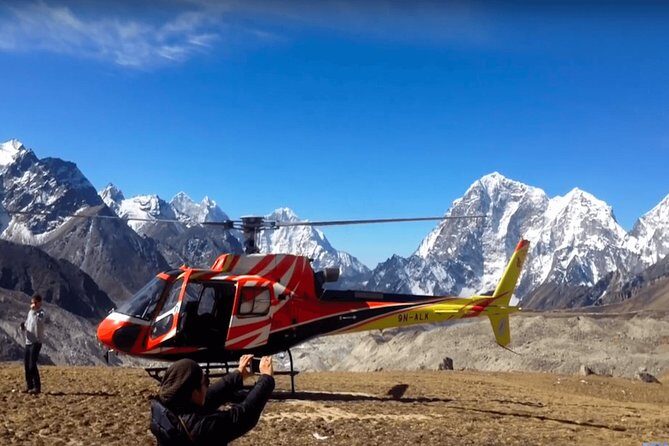
This isn’t a long trek substitute. It’s a short, high-impact flight that tries to get you from Kathmandu into the Everest Base Camp region fast—without days of hiking. The tour duration is listed as 4 to 6 hours, while the total airborne time is only about 1 to 2 minutes, spread across short segments with landing points.
What makes it interesting is the mix of aerial viewing plus brief ground moments. You’re not just looking down from a seat for the whole experience. You’ll also have small time blocks at key places like Lukla (fuel) and a landing/breakfast stop near Syangboche if conditions allow.
You should also understand the vibe: it’s more like a carefully timed scenic flight day than a relaxed sightseeing tour. The morning starts early, and it moves.
You can also read our reviews of more tours and experiences in Kathmandu
Price and value: why $1,700 might make sense (or not)
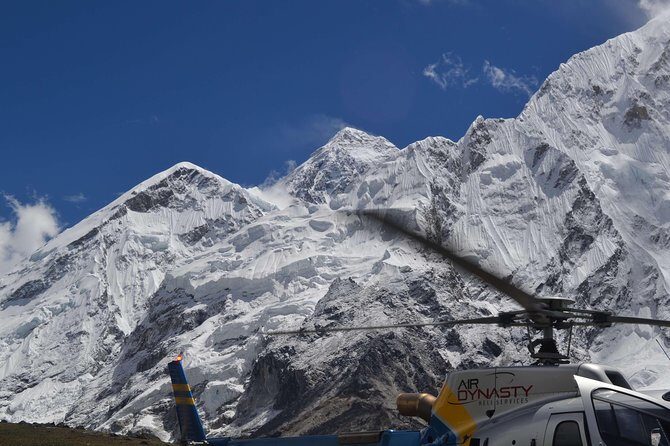
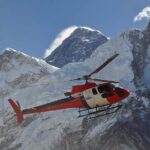
At USD 1,700, this is a splurge. The value comes from two areas you can’t easily recreate yourself: the ability to access Everest Base Camp-area airspace quickly, and the structured plan to maximize views on the flight segments.
Here’s how the cost breaks down in practical terms:
- Most major pieces are included: hotel pickup/drop-off, the helicopter flight plan as a sharing group (5–6 people), and multiple landing points for views.
- You should budget extra for required fees: national park, airport tax, and Khumbu village development fees are listed as around USD 50.
- There’s an optional add-on: breakfast at Hotel Everest View (when weather allows) is typically USD 31 per person.
If you’re trying to justify this price, ask yourself one question: do you want the Everest area experience to be measured in hours, not days? If yes, the cost starts to feel more rational.
If you’re mainly chasing the cheapest way to see Everest, this isn’t it. But if you want that once-in-a-lifetime vertical scale of the Khumbu region with very little time on your feet, it’s the kind of luxury that actually changes the day.
The 7:15 am start in Kathmandu: logistics that affect your experience
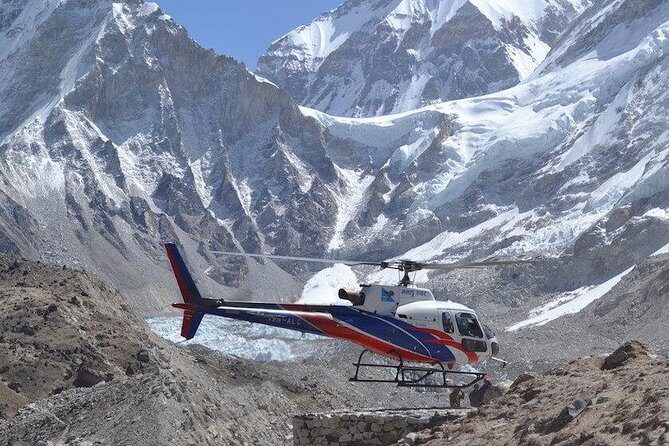
The tour meeting time is 7:15 am, and pickup is offered from your hotel (you share your hotel name and address so they can assign the pickup time). This matters because weather can change quickly up in the mountains, and helicopter operations have a tight schedule.
You’ll also be in a setting close to public transportation, so if you’re curious about flexibility, it’s easier to reach the area around the airport and pickup zone. Still, plan to be ready early and stay light with your morning routine.
This is one of those tours where your best travel superpower is patience. You’ll be following instructions, waiting for short segments, and staying ready for changes based on the weather and landing availability.
Kathmandu → the Everest-area flyover → Lukla fuel stop
You begin at Kathmandu airport. From there, the plan is to fly toward the Everest Base Camp area with a flyover of the highest viewpoint of the Base Camp area, then continue toward Lukla airport by helicopter.
There’s a built-in reason you’ll see Lukla early: it’s described as the airport where many trekkers land to start their Everest trek. You’ll have a short stop to drop fuel—listed as about 10 minutes—before continuing onward.
A quick practical thought: this is one reason the “time in the air” can feel small. The helicopter day works as a chain of short legs. Even with minimal airborne time, you’re still getting the key aerial beats plus brief stops.
Pheriche and the window-seat strategy for the Base Camp part
After Lukla, you stop at Pheriche for about 25 minutes. The tour notes that this is an “old splitting place” when more people are flying together.
Here’s the part I’d highlight for you: if there are more than 3 people, the group can be split so that all participants get window seats for the Everest Base Camp portion only. The pattern described is: 2 people fly first, then 3 people. It’s a smart operational trick for something that’s usually hard to control in a shared helicopter.
The tradeoff is simple: your timing shifts a bit because the split changes how the legs are flown. If you’re the kind of person who hates uncertainty, this is where you’ll feel it.
If you’re the kind of person who cares most about photos, window views, and not staring at a teammate’s shoulder, this is one of the most thoughtful parts of the plan.

The Everest Base Camp moment: flyover views and possible landing
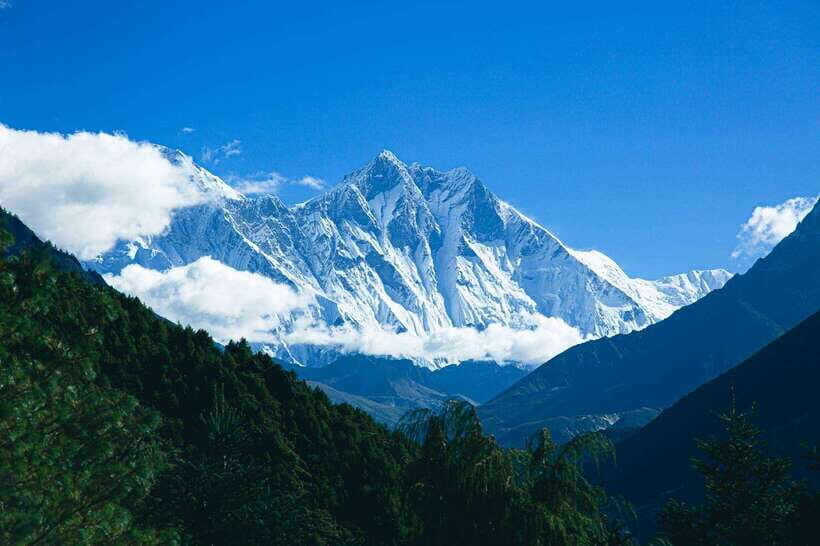
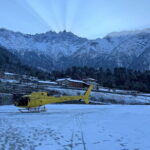
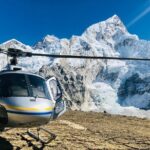
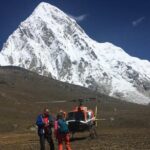
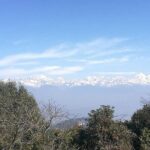
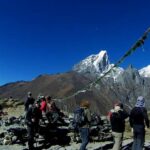
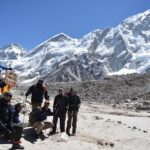
This is the main event. The tour is designed around seeing Everest and the surrounding high peaks very clearly, with views of Mount Pumori, Lhotse, Nuptse, and Mount Everest. It’s specifically framed as a chance to take videos and photos during the flyover.
The tour also states you can land in Base Camp or Kalapatthar depending on helipad conditions. That’s a big deal, because “landing” changes the whole feeling of the day. Photos through glass are nice. Stepping into a landing moment is different.
Keep your expectations grounded: the exact outcome is weather-dependent. But even without a landing, a well-timed Everest-area flyover can still give you the scale that the Everest trek photos never fully explain.
If you’re hoping for that wow factor, aim to stay focused during the approach and the flyover segment. Don’t get stuck checking your phone settings. Look out the window first, then record.
Syangboche Marg and Hotel Everest View breakfast (weather permitting)
Next comes Syangboche Marg, described as a landing breakfast point during the flight. If weather allows, you stop at Hotel Everest View, usually for about 1 hour.
Breakfast is optional and not included. The tour suggests carrying USD 31 per person for a set breakfast, and it’s explicitly tied to weather conditions.
This stop is valuable even if you don’t eat. The reason is simple: it breaks up the day. You get a stretch of time on the ground, and you can look around before the ride back starts.
The caution here is also weather. If the day is cloudy, you might lose the ideal views and the landing/breakfast plan may not happen the way you expect. The company’s overall approach is clear: they plan for it, but they’re not in control of the mountain.
Return to Kathmandu: direct or via Lukla
After the Base Camp-area portion, you fly back toward Tribhuvan International Airport with landing back in Kathmandu. The return is listed at about 1 hour, but the exact route can vary.
The captain can fly via Lukla or directly, depending on the fuel situation. That route choice is one more reminder that this tour is operationally flexible.
If you’re taking this as a single-day “best possible Everest experience,” I’d treat the return routing as part of the process—not a sign the company is cutting corners. Short legs and fuel planning are normal for this kind of aviation day.
What you need to bring: warmth, identity copy, and weight limits
Even in summer, the Everest-area conditions can be cold. The tour notes warm dress recommendations with temperatures around -5°C in summer and -10°C in winter for higher points only. That means layers, a hat, and gloves aren’t optional if you want to enjoy the landing moments rather than endure them.
You also need an ID/passport copy. A picture on your phone works; you don’t need to carry the original passport.
Then there’s the weight rule. The tour lists a maximum total passenger weight of 95 kg (209 lbs). If you’re over 100 kg, it says you need to pay extra. This is a safety and capacity issue, so you should check your status early and be honest in your booking details.
Who should book this (and who should skip it)
This is best for people who:
- Want a fast Everest Base Camp area experience without trekking days
- Care about the views and want multiple short landing opportunities
- Are okay with a shared group setup (max 6 people)
- Have moderate physical fitness needs, but understand this is still a cold-mountain environment during landings
This may not be the best fit if:
- You hate any plan that depends on weather. Even with a solid itinerary, helipad conditions can shift what you get.
- You’re traveling with someone who doesn’t fit the minimum age note. It’s not recommended for children under 10.
- You’re significantly above the weight limit listed, since extra payment may apply and space can be limited.
How the operator experience tends to feel in practice
Travel Pinto positions this as a flexible option with both sharing and private possibilities, depending on what you want and your budget. The same organization has shown up in other Nepal planning feedback with strong communication and guide support, including names like Devendra, Dipendra, Bishal, Bashu, and Mohan—people praised for helping make Kathmandu and the Everest region feel real, not just photographed.
For you, the takeaway is simple: if you value clear coordination and a guide who can explain what you’re seeing, this operator has a track record in that direction. Just remember: with helicopters, the mountain still makes the final call.
Should you book the Everest Base Camp helicopter tour?
Book it if you want Everest in a short, high-impact format and you’re okay with the weather-driven tradeoffs. It’s not cheap, but it can be one of the most time-efficient ways to get truly close to the Everest area—and the combination of flyovers plus potential landings is the reason this price tag can feel worth it.
Skip it if you can’t handle uncertainty about landing conditions, or if you’d rather invest that budget into a longer trek experience. This tour gives you the “see it now” moment. A trek gives you “feel it day by day.” Choose based on what kind of memory you want.
If you do book, go in with a simple mindset: be ready early, dress warm, and prioritize looking out the window during the Everest-area segments. Your best photos will come from being present, not from perfecting the camera.
FAQ
How long is the Everest Base Camp helicopter tour?
The duration is listed as about 4 to 6 hours, including short flight segments and on-ground stops.
How much time is actually spent flying?
The flight time is listed as about 1 to 2 minutes total.
What time does the tour start and do you offer pickup?
The tour starts at 7:15 am, and hotel pickup and drop-off are included. You share your hotel name and address to get the pickup time.
What group size is this tour?
It’s a joining group sharing format with 5–6 passengers and a pilot, with a maximum of 6 travelers.
Are window seats guaranteed?
The tour notes a splitting plan at Pheriche when there are more than 3 people, aiming to guarantee window seats for the Base Camp portion only.
Is breakfast included at Hotel Everest View?
Breakfast is not included. If weather permits and you want it, there’s a set breakfast at Hotel Everest View and you should plan for USD 31 per person.
Are there extra fees besides the $1,700 price?
Yes. You should budget around USD 50 for national park, airport tax, and Khumbu village development fees.
What’s the weight limit and what documents do I need?
The listed maximum is 95 kg (209 lbs), and if you’re over 100 kg an extra payment may be required. You need a passport copy; a picture on your phone is acceptable, and you don’t need the original passport.