REVIEW · KATHMANDU
Kathmandu: Private/Group Unesco Heritage Sites Guided Tour
Book on GetYourGuide →Operated by Welcome Nepal Treks P.Ltd · Bookable on GetYourGuide
Temple hopping in Kathmandu gets personal fast. This full-day UNESCO Heritage tour strings together Patan culture, hilltop Swayambhunath views, and the big religious centers of Pashupatinath and Boudhanath, with a live English guide plus English audio support. I especially like the way the guide explains what you’re seeing in plain language, and I like the chance to spin the prayer wheels at Boudhanath and take in the 4-direction symbolism.
One consideration: the pace is busy and it’s not suitable for people with mobility impairments, so plan for walking and temple ground that can be uneven.
In This Review
- Key highlights you’ll actually feel
- A 6-hour UNESCO plan that doesn’t waste your day
- The order of stops: why this route works (and what to watch for)
- Patan’s culture stop: more than a “quick photo”
- Swayambhunath (Monkey Temple): views that make the climb worth it
- Pashupatinath and the Bagmati River: sacred space with real intensity
- Boudhanath stupa: prayer wheels, symbolism, and calmer time
- Price and value: $40 makes sense, if you plan for entrances
- What’s included vs. not included: the small stuff that matters
- Guides and drivers: what you can expect from the people side
- Timing realities: traffic, punctuality, and getting the most photos
- Who should book this Kathmandu UNESCO guided tour?
- Should you book it?
- FAQ
- FAQ
- How long is the Kathmandu UNESCO Heritage Sites guided tour?
- Where does the pickup happen?
- Which UNESCO sites are visited on this tour?
- Is the tour private or group?
- What language is the tour guide?
- What’s included in the price?
- Are entrance fees included?
- What should I bring with me?
- Is the tour suitable for people with mobility impairments?
Key highlights you’ll actually feel
- Patan first, then temples: you start with city culture and art before the big UNESCO religious stops
- Swayambhunath’s hilltop views: the Monkey Temple area gives sweeping looks over Kathmandu Valley
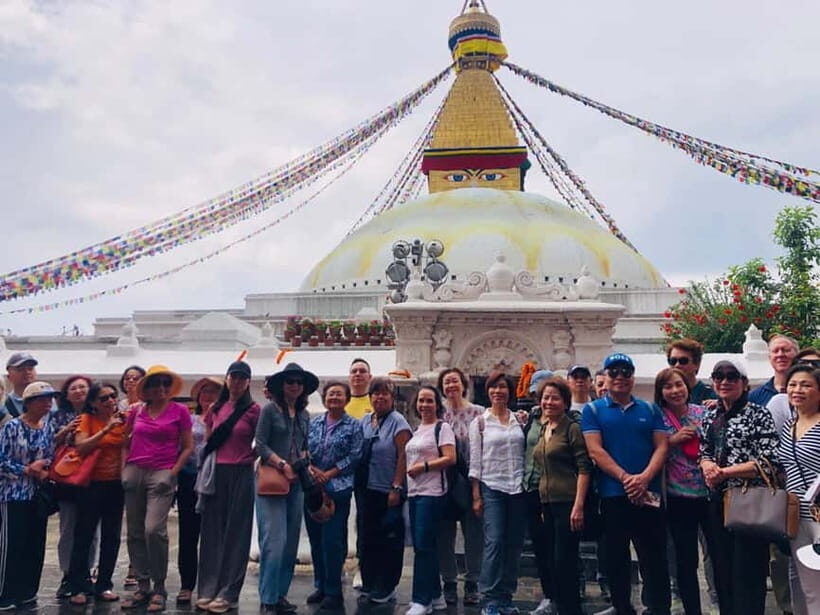
- Boudhanath’s prayer wheels: spin the wheels and notice the stupa’s famous watchful eye pairs
- Pashupatinath + Bagmati River context: you’ll get the spiritual meaning behind Hindu rituals there
- Pickup included from Kathmandu, Lalitpur, Bhaktapur: saves time and stress in the city
- English guide + English audio: helps you follow the story without getting lost
A 6-hour UNESCO plan that doesn’t waste your day
Kathmandu can feel like information overload. This tour helps because it gives you a tight loop of meaningful sites, not a random list of monuments. The timing is built around reality: hotel pickup, a few focused walks, photo stops, and breaks, all wrapped into about 6 hours.
The value is also practical. You’re paying for an AC vehicle, bottled water, and a professional English-speaking guide. That matters because moving between Kathmandu Valley sites can be a hassle on your own—traffic, parking, and figuring out what’s worth your time.
If you’re on a short trip, or you want to understand what you’re looking at (instead of just snapping pictures), this itinerary is designed for that.
You can also read our reviews of more guided tours in Kathmandu
The order of stops: why this route works (and what to watch for)
The day runs in a logical flow: start high and scenic, then work your way through Kathmandu Valley’s spiritual hubs, finishing at Boudhanath and Pashupatinath. The sequence also helps with the mood. You begin with Swayambhunath’s open hill views, then shift into denser, more ritual-heavy places.
Expect a mix of:
- guided time (so you learn what matters)
- photo stops (so you can actually take usable pictures)
- short free time (so you can browse or regroup)
- a couple breaks (because temple visits add up fast)
One small timing note: the tour setup allows for a few minutes of delay due to traffic or coordination with other guests. It’s usually minor, but it’s smart not to schedule a tight next appointment right afterward.
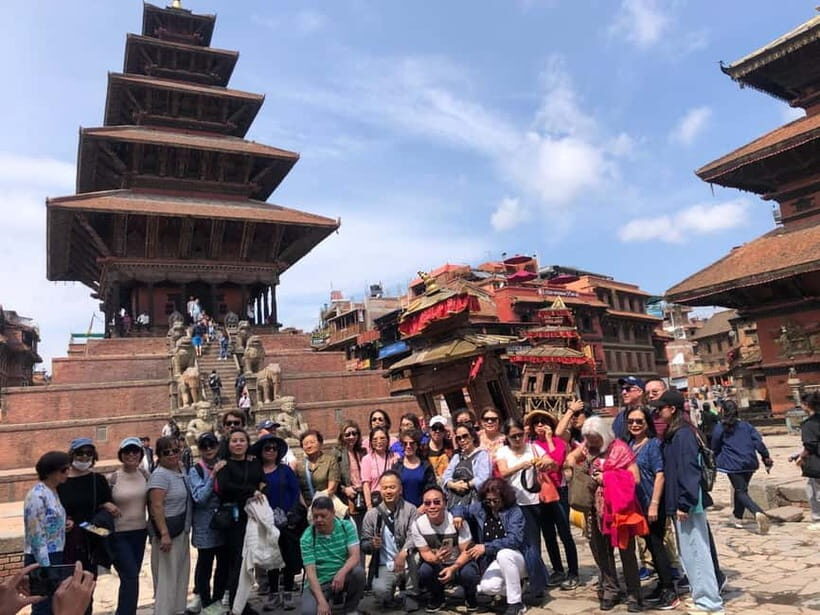
Patan’s culture stop: more than a “quick photo”
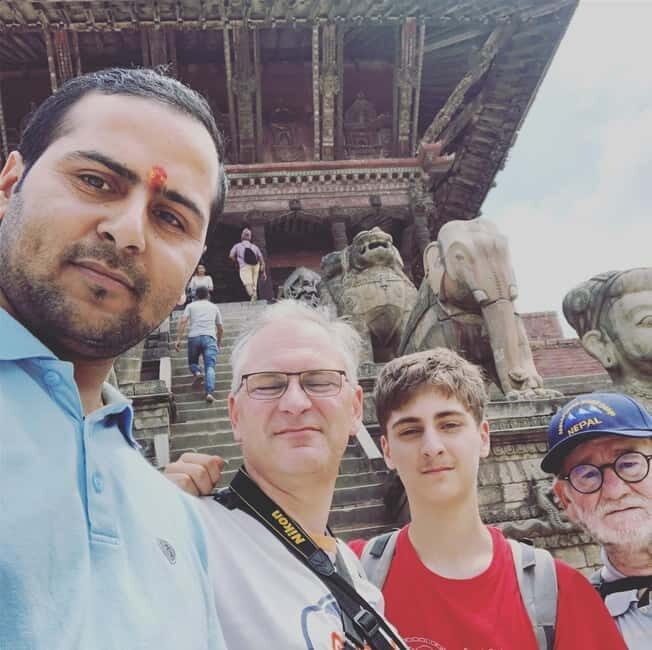
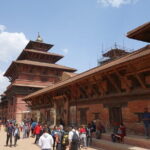
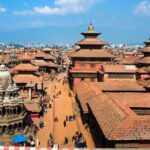
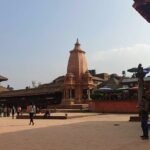
Patan (Lalitpur) is where you can slow down and notice craft and architecture. On this tour, you’ll get about 1.5 hours for a photo stop and guided visit, with some free time mixed in.
What I like about putting Patan early is that it helps you understand Nepal’s artistic language before you hit the major Hindu and Buddhist sites. You’re not just traveling from one big landmark to the next. You’re seeing how local talent and building traditions show up across the valley.
This is also a good moment for practical orientation. Ask your guide what to look for—door frames, stonework, and the way structures relate to the street. Even if you’re not a “museum person,” Patan’s details make the rest of the day easier to read.
Swayambhunath (Monkey Temple): views that make the climb worth it
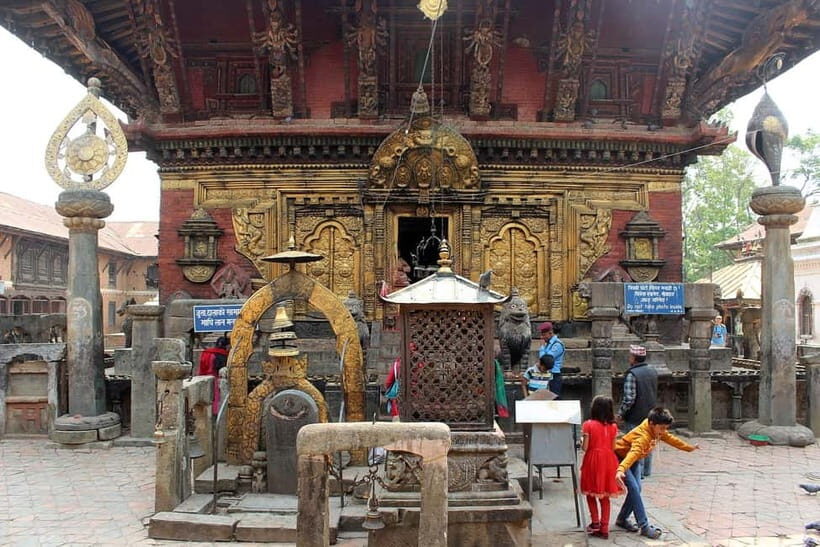
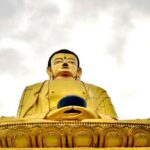
Swayambhunath is the hilltop start that many people remember most. You’ll spend about 1.5 hours here, including guided time and sightseeing.
The big payoff is the viewpoint. From Swayambhu’s height, you get classic “how big is Kathmandu Valley?” perspective. This is the part where the city stops being a blur and starts looking like a place with geography—temples in clusters, neighborhoods wrapping around the basin, and the sense that everything is layered.
Also, Swayambhunath is often called the Monkey Temple for a reason. You may see monkeys around the site, and that adds a little street-level energy to a pilgrimage atmosphere. It’s not just photo ops—it’s a working religious place.
Pashupatinath and the Bagmati River: sacred space with real intensity
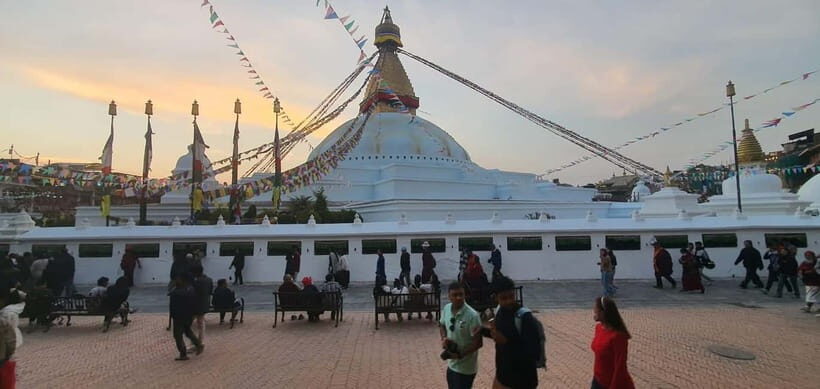
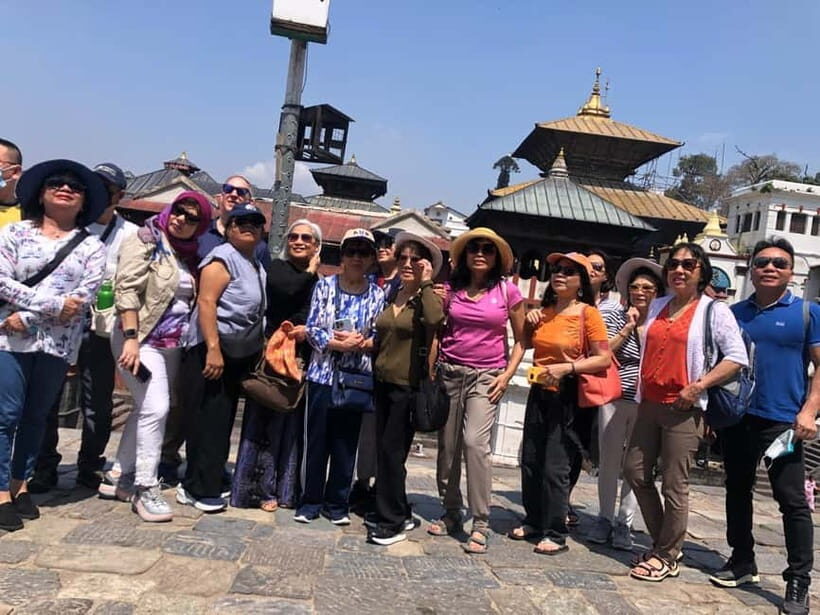
Next comes Pashupatinath, one of the most famous Hindu shrines in the world. You’ll get about 1.5 hours, with break time built in.
This stop has a different feel than the hilltop. Here, the symbolism is direct, and the atmosphere can feel intense. Your guide will explain Lord Shiva’s importance in Hinduism and the spiritual meaning of the area. The tour description also points to the Bagmati River as a place people believe can wash away sins—so you’re not just watching rituals. You’re learning the why behind what’s happening.
Practical advice: keep your pace respectful. Stay aware of where ceremonies are taking place, and don’t assume every moment is a “look and photograph” moment. Ask your guide what’s appropriate if you’re unsure. That’s one of the easiest ways to turn a confusing scene into a meaningful one.
You can also read our reviews of more private tours in Kathmandu


Boudhanath stupa: prayer wheels, symbolism, and calmer time
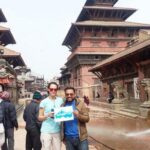
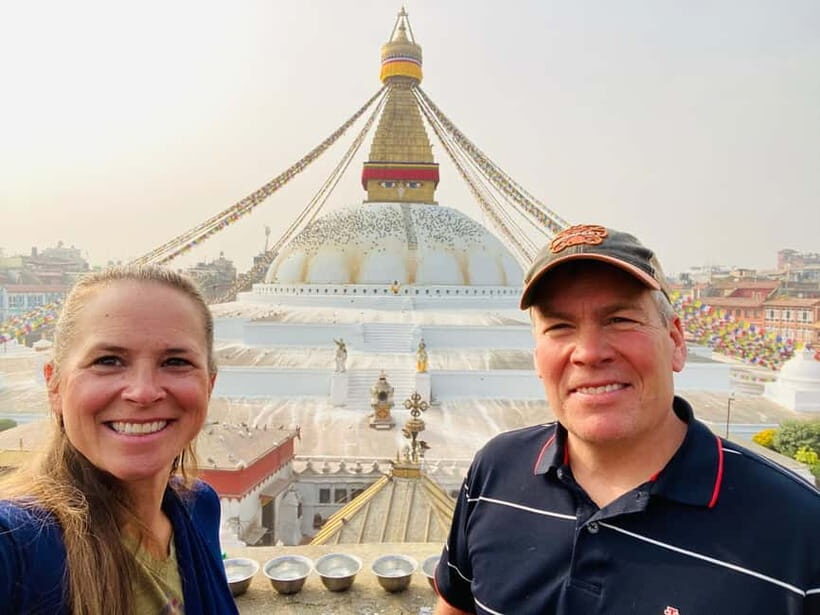
Boudhanath is a strong finish. You’ll spend roughly 1.5 hours here too, including guided time plus free time and shopping opportunities.
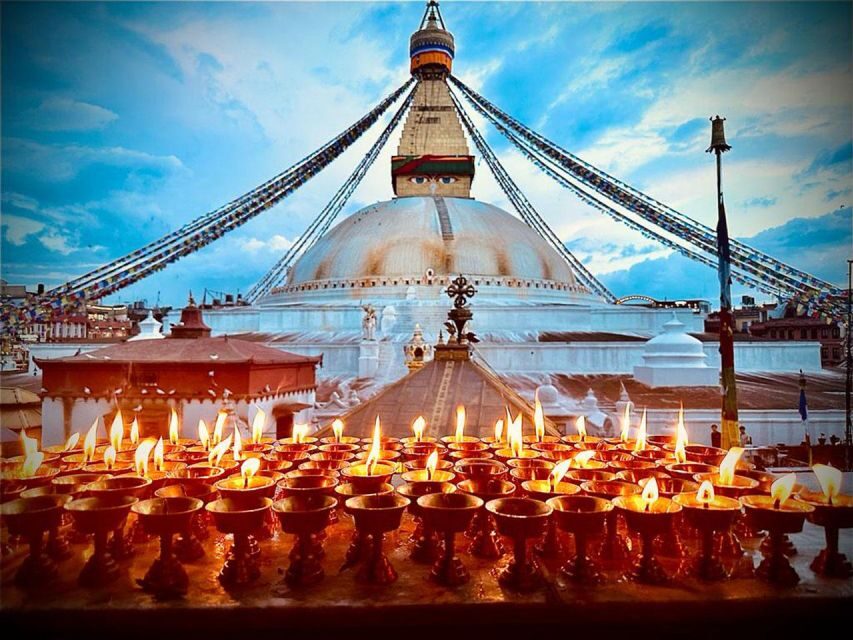
This is where the Buddhist symbolism becomes easy to spot. The stupa is known for its 4 pairs of eyes facing four directions—an idea your guide can tie into the theme of being watched over from all sides. Then you get the hands-on moment: you can spin the prayer wheels. It’s one of those actions that feels simple, but it gives you a body-level connection to the place.
Boudhanath also works as a mental reset. After Pashupatinath’s intensity, the stupa’s space encourages you to slow down. You can take pictures without feeling rushed, and you can use the free time to wander at your own speed.
If you’re traveling with someone who loves structure and meaning, this is the stop that usually gets smiles because it’s both beautiful and participatory.
Price and value: $40 makes sense, if you plan for entrances
The price listed is $40 per person for a 6-hour guided tour with:
- hotel pickup and drop-off
- a professional guide
- air-conditioned transportation
- bottled water
- government tax and service charge
Entrance fees are where things can change depending on which option you choose. The tour notes that entrance fees for the heritage sites total about USD 43 (NPR 5,800) per person. It also says monument entrance fees are included if all-inclusive option selected.
So here’s the value logic I’d use:
- If entrance fees are included for you, this is a pretty efficient deal—transport plus guide plus access.
- If not, you’re basically paying for logistics and interpretation, while the sites’ entrance costs sit on top. Still reasonable, but budget for it.
Either way, you’re not paying extra for an “extra-long day.” You’re paying for a guided route that hits multiple UNESCO highlights in one shot.
What’s included vs. not included: the small stuff that matters
Included:
- hotel pickup/drop-off (from Kathmandu, Bhaktapur, or Patan/Lalitpur)
- professional guide
- AC private transportation
- bottled water
- entrance fees only if you select the all-inclusive option
- government tax and service charge
- live English tour guide and an English audio guide
Not included:
- food and drinks
This is good to know because it affects how you plan your day. You can either bring snacks or plan to eat lunch on your own. The tour description mentions lunch of local cuisine during the Patan portion, but the “food and drinks not included” note means you should still plan as if you’ll pay yourself.
Also: the tour asks you to bring passport or ID card and cash. That’s your clue that there may be some on-site payments if you’re not in the all-inclusive option.
Guides and drivers: what you can expect from the people side
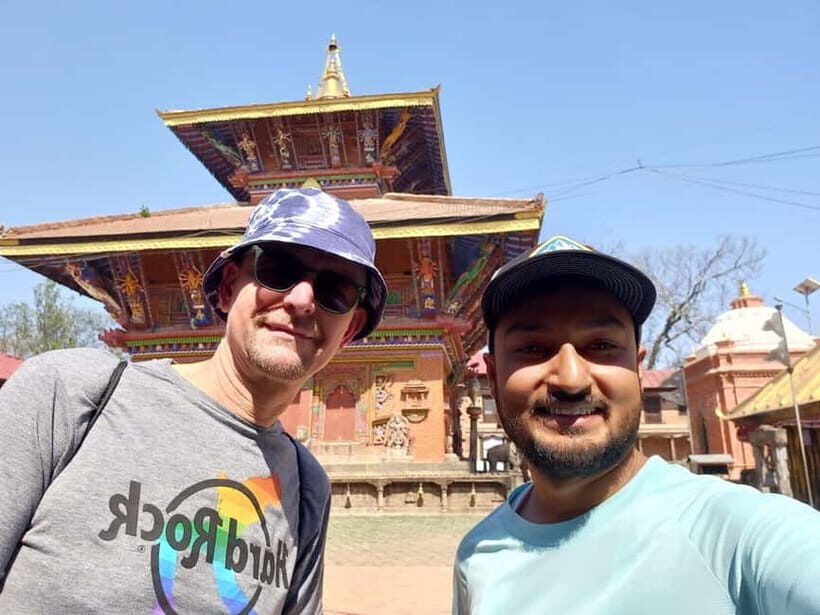
The biggest reason this tour earns strong ratings is the human element: the guides are described as polite, attentive, and genuinely informative.
You might meet:
- Manoj KC, praised for deep cultural knowledge and helpful recommendations for where to eat and shop, plus willingness to adjust time at stops
- Rabina, described as a female guide who can be especially comfortable if you’re traveling solo as a woman, with attention to your interests
- Nerry, working with a driver known as Chotu (Shawshank Kumar), both noted for being attentive and kind
What this means for you: you’re not stuck with a script. If you have a question—why something looks the way it does, what a symbol means, or what’s worth lingering on—your guide can steer you.
And because the tour offers English audio support too, you’re less likely to miss key explanations if you’re busy taking photos or navigating crowds.
Timing realities: traffic, punctuality, and getting the most photos
Kathmandu traffic can be chaotic. The tour’s stated buffer of 3–5 minutes acknowledges that reality. Still, the day is compact enough that you don’t want to lose momentum.
A smart photo strategy:
- at viewpoints (Swayambhu), take 1-2 wide shots first, then focus on details
- at stupa moments (Boudhanath), slow down so you can capture people spinning wheels without constantly stepping in front of others
- near Pashupatinath, expect activity. Watch your angle and ask your guide when you’re allowed to move closer
Also remember: this isn’t a “wander all day” tour. It’s a guided plan, so if you want longer shopping time or extra photo time, bring that up early.
Who should book this Kathmandu UNESCO guided tour?
This tour fits best if you:
- want UNESCO sites with context, not just sightseeing
- prefer a guided route that handles pickup, transport, and timing
- like religious history and want explanations tied to Hinduism and Buddhism
- want an efficient half-day + full-day style experience within a 6-hour window
It may not fit if you:
- have mobility impairments (it’s noted as not suitable)
- need a slow pace with lots of independent wandering
If you’re traveling with kids, it can work if everyone can handle walking and short bursts of instruction. If you’re an accessibility-first traveler, you’ll probably be happier with a more custom plan.
Should you book it?
Yes—if you want a straightforward way to see Kathmandu Valley’s biggest spiritual highlights with a guide who can explain what’s going on. The best value comes from combining transport + expertise + access in one day, especially if entrance fees are covered under your selected option.
Book it if you’ll enjoy:
- learning the meaning behind what you see
- spinning prayer wheels and getting hilltop city views
- a route that stays focused and doesn’t drag
Skip it (or choose something else) if mobility limits or a super-slow pace are your priorities.
FAQ
FAQ
How long is the Kathmandu UNESCO Heritage Sites guided tour?
The tour duration is 6 hours, with check availability for starting times.
Where does the pickup happen?
You can be picked up from hotels in Kathmandu, Bhaktapur, or Patan (Lalitpur). The drop-off is also available in those same areas.
Which UNESCO sites are visited on this tour?
The tour includes visits to Swayambhunath, Patan (with its cultural and artistic heritage), Pashupatinath Temple, and Boudhanath Stupa.
Is the tour private or group?
Private group availability is offered, and the activity is described as Private/Group.
What language is the tour guide?
The live tour guide is in English, and an English audio guide is also included.
What’s included in the price?
Included are hotel pickup and drop-off, a professional guide, air-conditioned private transportation, bottled water, government tax and service charge, and monument entrance fees only if the all-inclusive option is selected.
Are entrance fees included?
Entrance fees for heritage sites are approximately USD 43 (NPR 5,800) total. They are included if you choose the all-inclusive option; otherwise you should plan to pay separately.
What should I bring with me?
Bring a passport or ID card and cash.
Is the tour suitable for people with mobility impairments?
No. The tour is not suitable for people with mobility impairments.