REVIEW · KATHMANDU
Kathmandu: Private/Group Tour to 7 UNESCO Sites with Lunch
Book on Viator →Operated by Himalayan Social Journey · Bookable on Viator
Seven UNESCO stops, one smooth Kathmandu day. This tour strings together the Kathmandu Valley highlights you usually spread across multiple trips: Durbar squares across Kathmandu, Patan, and Bhaktapur, plus the big Buddhist and Hindu landmarks like Swayambhu, Boudhanath, and Pashupatinath. It’s a tight route with real cultural contrast, from stupa viewpoints to temple-lined river banks.
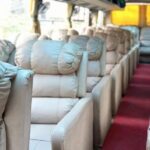
I love how easy the logistics feel: hotel pickup and drop-off, shared transport, and an English-speaking guide who keeps the day moving without leaving you guessing what to do next. I also like the built-in break time with a simple included snack spread and bottled water, so you’re not scrambling at busy entrances.
One thing to plan for: entrance fees are not included for the sites you visit, and that can change the total cost a lot compared with the $50 tour price. If you hate adding surprise charges at the gate, this is the one consideration to keep in mind.
In This Review
- Key things to know before you go
- How the 7 UNESCO Sites Day Actually Works
- Price and entrance-fee reality check
- Stop 1: Swayambhu (Swayambhunath) and the monkey-temple viewpoint
- Stop 2: Kathmandu Durbar Square in the heart of old Kathmandu
- Stop 3: Patan Durbar Square (Lalitpur), where Buddhist and Hindu art mix
- Stop 4: Changu Narayan Temple on the hilltop near Bhaktapur
- Stop 5: Bhaktapur Durbar Square and the medieval architecture hours
- Stop 6: Pashupatinath Temple by the Bagmati River
- Stop 7: Boudhanath Stupa and the Tibetan-style atmosphere
- Lunch and breaks: what you actually get (and how to use it)
- Group size, pace, and comfort: sharing transport without losing the day
- Who should book this UNESCO Kathmandu Valley route
- Should you book this tour?
- FAQ
- Which UNESCO sites are included on this tour?
- How long is the Kathmandu UNESCO tour?
- Is hotel pickup and drop-off included?
- Is lunch included?
- Are entrance fees included in the tour price?
- What is the cancellation policy?
Key things to know before you go
- Seven UNESCO sites in one day across Kathmandu, Patan (Lalitpur), and Bhaktapur, plus major stupa and temple stops
- Pickup and drop-off included, with a maximum group size of 25 on shared transportation
- English-speaking guide and clear communication, which matters when sites have rules and crowds
- Snack-style lunch included (croissant, muffin, danish, cookies, banana, juice) and bottled water
- Entrance fees are extra, with different pricing depending on the site
- Staying flexible helps since the schedule depends on travel time between stops and good weather
How the 7 UNESCO Sites Day Actually Works
This is built for people who want the Kathmandu Valley “greatest hits” without spending your whole week shuffling between neighborhoods. The day runs about 7 to 8 hours, and the time you see at each site is balanced against travel between them. In practical terms, you’ll get a meaningful look at each place, but it’s not the kind of itinerary where you can wander for hours in every courtyard.
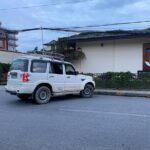
You start with hotel pickup and drop-off, then you’re on shared transportation through the valley. The group size cap is 25 travelers, which usually keeps things workable: you hear the guide’s instructions, you can find the group again fast, and you’re not dealing with a busload that turns every photo stop into a traffic jam.
Two details I appreciate for day trips like this: you get a mobile ticket, and the tour includes bottled water plus that snack-style lunch. When you’re walking between temple compounds and durbar squares, those small things matter more than you’d think. Your energy budget has to cover stairs, sun, and time standing in line for entry.
The route includes major Buddhist and Hindu sites, so you’ll go from symbolic architecture to very different religious spaces. The guide helps you connect what you’re seeing—why these places matter, how they function, and what to respect as you move through.
You can also read our reviews of more private tours in Kathmandu

Price and entrance-fee reality check
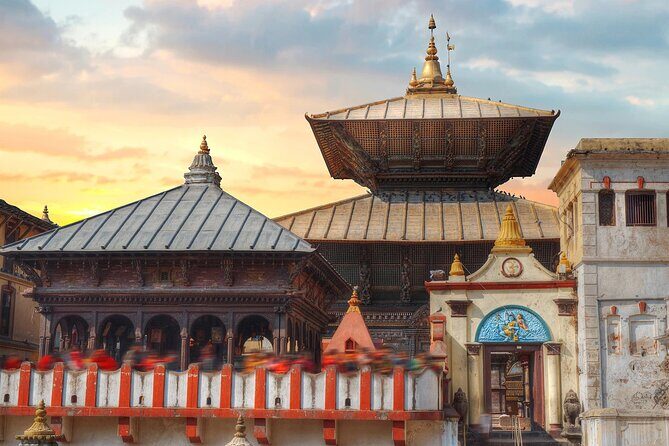
The tour price shown is $50 per person. On paper, that sounds like a great deal—especially because pickup, drop-off, an English guide, government tax/service charges, and transportation are included.
But here’s the part you should calculate before you commit: entrance fees are not included, and they’re split by site:
- 4 spots have entrance fees of $20 per person
- 3 spots have entrance fees of $24 per person
For your budget math, that’s $152 total in entrance fees per person if you visit all seven. Add the $50 tour price and you’re looking at about $202 per person for the full day. That still may be good value if you compare it to paying for private guides and separate tickets one by one—but it’s best to enter the day knowing what the all-in cost will likely feel like.
What you do get for that $50: your guide, transport, and the included snack lunch. That snack lunch isn’t a full restaurant meal, but it can tide you over between sites, especially if you’re the type who prefers not to hunt for food during a busy sightseeing route.
Stop 1: Swayambhu (Swayambhunath) and the monkey-temple viewpoint
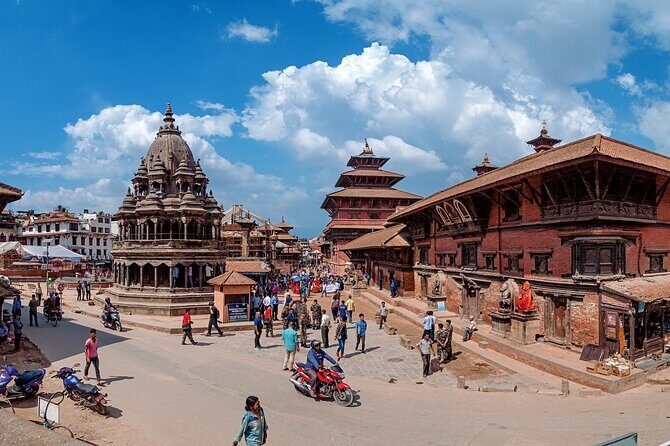
Swayambhunath is one of the most iconic “look over the valley” stops in Kathmandu. You’ll visit the Swayambhu Mahachaitya, a Buddhist stupa said to be about 2,600 years old. It’s commonly called the Monkey Temple because of the many monkeys that live around the complex.
Expect a mix of viewpoint energy and careful attention. This stop is timed at about 35 minutes, so it’s more of a quick orientation plus photos and a short walk through the stupa area than a deep, hour-long exploration.
A few practical tips that save you time here:
- Wear shoes you can slip on and off easily if you’re asked to remove footwear in certain spaces.
- Keep your belongings secure. Monkeys are part of the experience, and you’ll want your bag to stay boring.
- If it’s sunny, plan your photos early in the stop before your patience gets cooked by the heat.
Even with a short visit, the payoff is the panoramic sense of place. You’re literally above the Kathmandu Valley, seeing how the urban sprawl sits around temple zones.
Admission for this stop is not included, so this is one of the gate moments to have cash or payment readiness for later.
Stop 2: Kathmandu Durbar Square in the heart of old Kathmandu
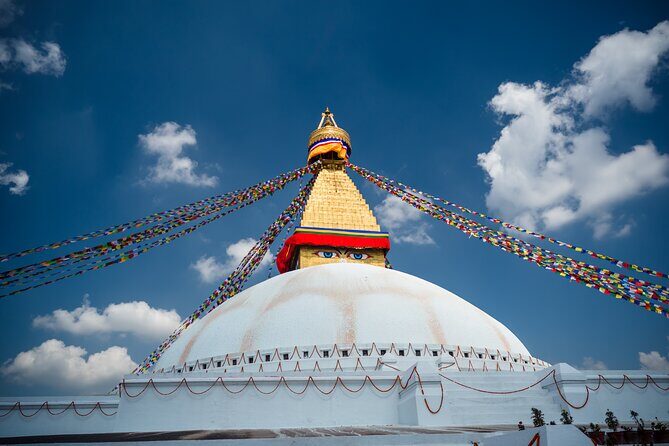
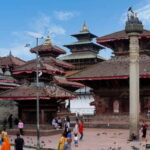
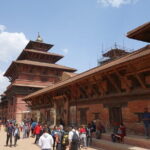
Next up is Kathmandu Durbar Square, located in the center of old Kathmandu city. The idea here is straightforward: you’re stepping into a historic core filled with palaces, courtyards, and temples.
Your time on this stop is about 1 hour. That length is long enough to get oriented and walk through a few key areas without feeling rushed. You’ll also notice how the space works as a living cultural site rather than a museum set behind glass. Courtyards and temples can create small pockets of noise and crowds, so the guide’s pacing helps you keep moving while still getting the meaning.
This is also a good place to slow down a bit for photos and details. Durbar squares have that layered feel—carvings, stacked roofs, and narrow lanes that make you want to look at everything at once. You can’t see it all in one hour, but you can get a solid sense of why UNESCO recognized these zones.
Entrance fees are not included for this stop either. The tour keeps you on a schedule, so the group usually checks entry relatively quickly once you’re there.
Stop 3: Patan Durbar Square (Lalitpur), where Buddhist and Hindu art mix
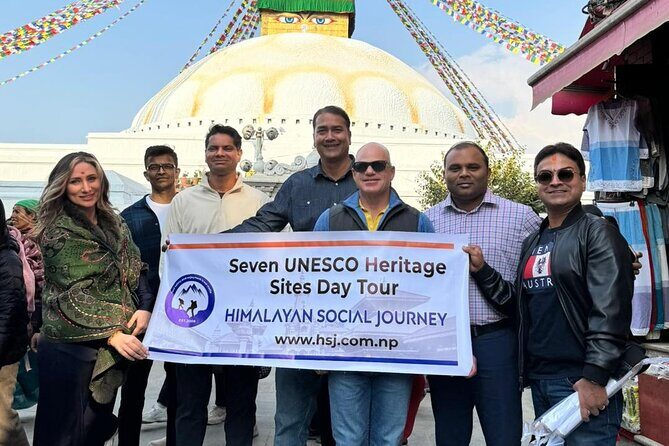
Then you head to Patan Durbar Square in Lalitpur, about 5 km away from Kathmandu. This stop runs about 1 hour 30 minutes, which is one of the longer blocks in the day—so it’s designed for deeper wandering.
Patan Durbar Square is described as a fusion of Buddhism and Hinduism, which you can see in how religious forms and decorative styles coexist in the same monumental space. This is the type of site where carvings and architectural details reward your attention, and the extra time makes it less stressful.
What you’ll like most here is the ability to compare styles across buildings. Even within a single durbar square, you can spot different design elements linked to different religious traditions. Your guide helps you connect those dots rather than leaving you with random facts.
Also, since this stop takes more time than most, it’s a great moment to manage your energy. If you’ve been walking since Swayambhunath, this extra 30-40 minutes can feel either perfect or too much, depending on your comfort level. Pace yourself and take short breaks when you can.
Again, admission is not included for this stop, so this is another entry point where you’ll want to be prepared.
You can also read our reviews of more tours and experiences in Kathmandu



Stop 4: Changu Narayan Temple on the hilltop near Bhaktapur
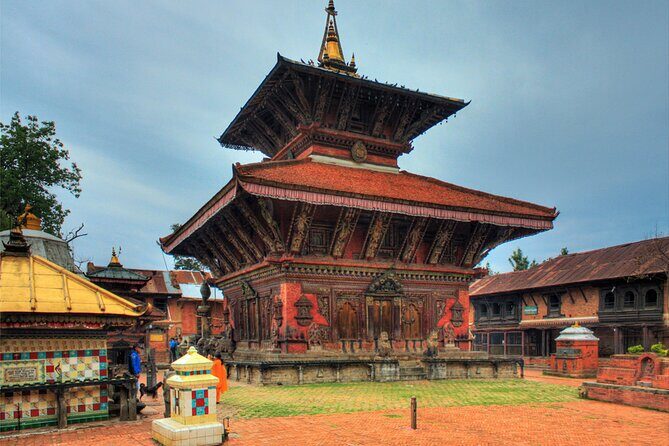
The itinerary includes Changu Narayan Temple, located on a hilltop in the village of Changu Narayan, near Bhaktapur. This temple is described as one of the oldest in Nepal, with roots in the 4th century during the Lichhavi dynasties (as described in the tour notes).
Your visit here is about 25 minutes, which makes it a “grab the essentials” stop: quick context, a walk around the temple area, and enough time to take in the hilltop position.
A hilltop temple comes with practical considerations:
- Expect stairs and uneven surfaces.
- Plan for a little extra effort for photos from different angles.
- Bring a hat or something for sun if the weather is clear.
Since it’s a short stop, the best way to get value is to listen closely when the guide explains what makes the temple historically significant, then use that knowledge to look for clues in the structure and setting.
Admission isn’t included for this stop either.
Stop 5: Bhaktapur Durbar Square and the medieval architecture hours
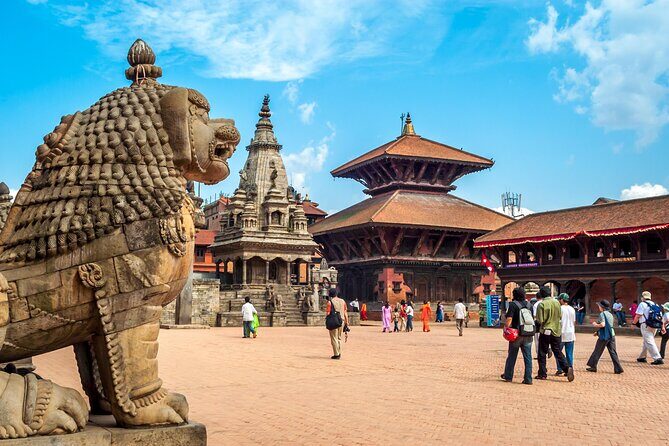
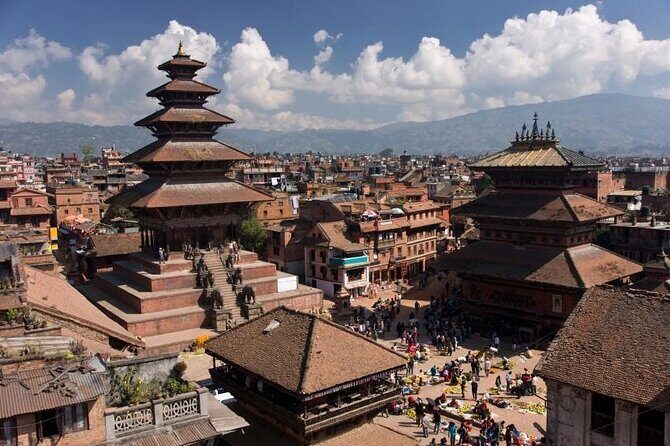
This is one of the big anchors of the day: Bhaktapur Durbar Square, with about 2 hours allotted. Bhaktapur is known for its well-preserved medieval architecture, including temples and palaces, and the time reflects that the square is not just a quick photo stop.
This is where you’ll feel the shift from Kathmandu-style streets to a more architectural, slower vibe in the durbar square compound. The space can feel more complete, as if the city’s historic core stayed intact. You’ll notice how temples and palace areas create a layered walking experience, with different viewpoints from different courtyards.
Two ways to get the most out of the 2 hours:
- Don’t try to see everything. Instead, pick a few buildings or courtyards and look at them carefully.
- If you’re tired, use the time to reset rather than rushing. The guide keeps the group on track, but you don’t need to sprint.
Your legs might complain a bit—Bhaktapur has that “walk, look, walk again” pattern. But this is also the stop where the day can feel genuinely worth the effort, because you’re given enough time to actually take it in.
Entrance fees are not included for this stop as well.
Stop 6: Pashupatinath Temple by the Bagmati River
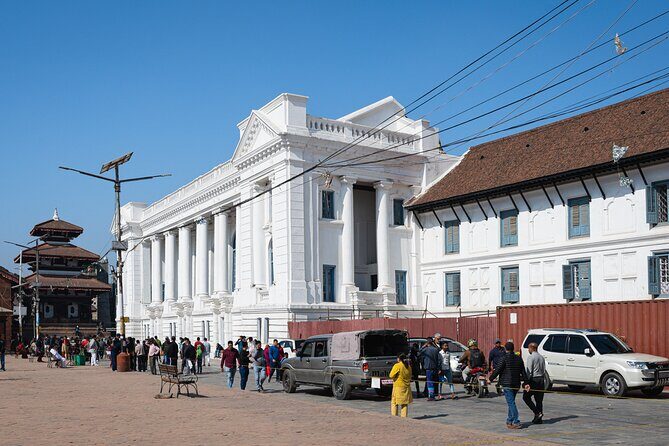
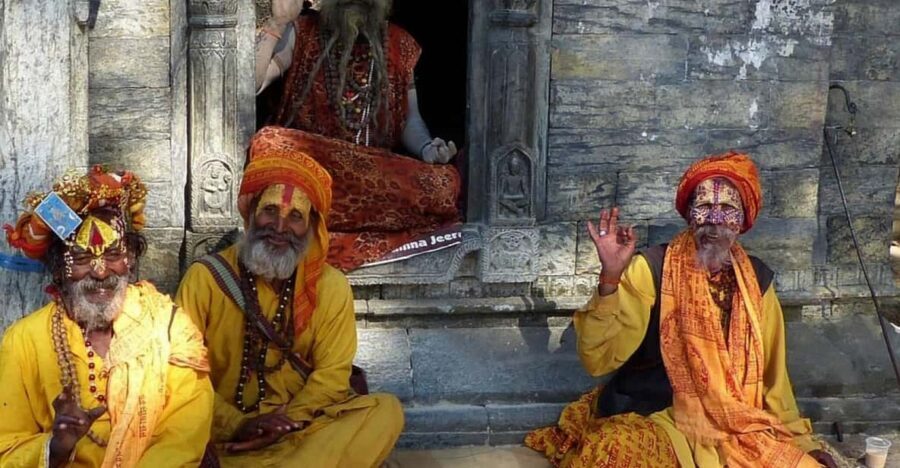
Next is Pashupatinath Temple, one of the must-see legendary Hindu temples. You’ll be on the bank of the Bagmati River, described as sacred and running down toward the Ganges.
This stop runs about 1 hour. It’s timed so you can appreciate the main elements of the temple area without the day getting too stretched. Pashupatinath can feel intense—visually, spiritually, and emotionally—so your guide’s direction helps you stay oriented and respectful about where to stand and how to move.
I’d keep expectations realistic: this isn’t a quiet stroll where you can wander freely in every direction. Temple zones often have rules and crowd flow. The value of a guided tour is that you don’t waste time figuring things out on the fly.
Admission fees are not included for this stop, so expect another entrance-fee stop in your budget.
Stop 7: Boudhanath Stupa and the Tibetan-style atmosphere
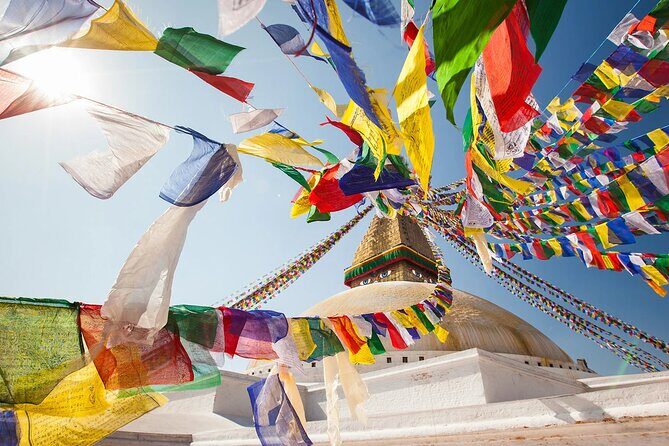
The final stop is Boudhanath Stupa, visited for about 40 minutes. It’s described as one of the largest stupas in the world, constructed back in the 4th century. The shrine area is also described as resembling a Tibetan village, with monasteries nearby.
This stop is a great way to end because the atmosphere differs from the durbar squares and Hindu temple. Stupa spaces often invite slower attention: you watch the architecture, notice movement around the shrine area, and absorb the religious atmosphere.
Even in 40 minutes, you can get the main idea:
- The scale of the stupa matters. It’s hard to understand size until you’re right there.
- The surrounding monasteries create a broader cultural context beyond just one building.
Like several other stops, entrance fees aren’t included here, so you’ll likely be paying at the gate again.
Lunch and breaks: what you actually get (and how to use it)
The tour includes lunch as a snack spread rather than a full sit-down meal. You’ll get items like croissant, muffin, danish, cookies, banana, and juice, plus bottled water.
This setup works best if you:
- Eat early before you’re tempted to skip and then get hungry during a long walk.
- Treat it as fuel for the middle of the day, not a replacement for breakfast.
- Keep it simple. If you’re sensitive to sweets, grab the banana and juice and pass on some of the pastries.
It’s also smart to time your water intake. With temple steps and courtyard walking, dehydration can sneak up fast. Having water included removes one stress point from the itinerary.
Group size, pace, and comfort: sharing transport without losing the day
With a maximum group size of 25, this tour should feel manageable. Shared transportation can mean you wait a little for people or you drive around a bit collecting travelers. The good news is that the schedule accounts for travel time, and the core stop times still add up to a full day.
That said, you should expect some “line and wait” moments:
- Entry lines at popular sites
- Crowd flow around temples and stupa areas
- Movement through narrow areas where the group needs to stay together
If you’re the kind of traveler who wants total freedom to linger for an hour in one courtyard, this itinerary may feel strict. If you’re the kind of traveler who wants a strong overview and then plans return visits later, it’s a strong match.
Also, the route includes a hilltop temple (Changu Narayan) and stupa areas with steps, so comfortable shoes aren’t optional. This tour is for most people, but the terrain isn’t flat.
Who should book this UNESCO Kathmandu Valley route
I think this tour fits best if you:
- Are short on time and want to see all seven UNESCO sites in one day.
- Prefer a plan you can follow without spending extra energy on navigation.
- Appreciate context from an English-speaking guide rather than just taking photos and hoping you got the story right.
- Like the idea of a structured route plus included snacks and water.
You might skip or choose a different option if you:
- Want slow, deep time at each site rather than quick orientation visits.
- Are sensitive to stairs and hilltop walking.
- Hate entrance-fee budgeting and want a fully bundled price.
Should you book this tour?
If your goal is a smart overview of Kathmandu Valley’s UNESCO sites, this is an easy “yes” to consider. The structure is tight, the guide support helps you make sense of what you’re seeing, and the included snacks remove a common day-trip pain point.
Just do your homework on the one big variable: entrance fees are extra. If you add those into your budget upfront, the $50 tour price looks like what it is—a service fee for transport and guiding, plus the convenience of a day that doesn’t fall apart.
Also, keep an eye on weather. This experience requires good weather, and if conditions are poor, you should expect the itinerary to shift or be refunded under the tour’s weather rules.
If you want a single-day highlight reel across Kathmandu, Patan, and Bhaktapur—Swayambhunath to Boudhanath—book it and then plan a slower return to the sites you love most.
FAQ
Which UNESCO sites are included on this tour?
The tour covers Swayambhu Mahachaitya (Swayambhunath), Kathmandu Durbar Square, Patan Durbar Square, Changu Narayan Temple, Bhaktapur Durbar Square, Pashupatinath Temple, and Boudhanath Stupa.
How long is the Kathmandu UNESCO tour?
It runs about 7 to 8 hours, with the remaining time used for travel between the seven heritage sites.
Is hotel pickup and drop-off included?
Yes. The tour includes hotel pickup and drop-off.
Is lunch included?
Yes. The lunch is included as a snack set with items like croissant, muffin, danish, cookies, banana, and juice, plus bottled water.
Are entrance fees included in the tour price?
No. Entrance fees are not included. Four sites have entrance fees listed at $20 per person, and three sites have entrance fees listed at $24 per person.
What is the cancellation policy?
You can cancel for a full refund up to 24 hours before the experience starts. If it’s canceled due to poor weather, you’ll be offered a different date or a full refund.