REVIEW · KATHMANDU
Kathmandu: 15-Day Everest Base Camp Trek with Guide
Book on GetYourGuide →Operated by Outshine Adventure Pvt Ltd · Bookable on GetYourGuide
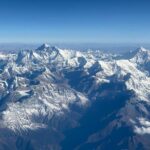
The mountains start teasing you on day one. This 15-day Everest Base Camp trek from Kathmandu pairs big Everest-region views with a small-group itinerary and a licensed, English-speaking Sherpa guide who brings the trail to life. I especially like the way the plan mixes trekking days with acclimatization stops and culture-heavy moments in Sherpa country.
There’s a lot to love here, but one reality check matters: Lukla flights can be weather-sensitive, and that can change your schedule. It’s worth going in with a flexible mindset, especially if your dates fall during rough weather.
In This Review
- Key Things You’ll Appreciate
- Kathmandu Setup: Getting Oriented Before the High Country
- Kathmandu Highlights: Durbar Square, Swayambhunath, and the Big Temples
- The Lukla Flight and First Trek Steps Toward Phakding
- Sagarmatha National Park: Monasteries, Forests, and Sherpa Encounters
- Namche Bazar Acclimatization: Views, Rhododendrons, and an Everest Rhythm
- Tengboche to Dingboche: Monastery Views and Sherpa Villages in Sequence
- Chhukung Valley Day Trip: A Big Taste of the High Country
- Lobuche and Gorakshep: Frozen Lake Country and the Base Camp Approach
- Kalapathar Morning: Why This Sunrise Push Is Worth It
- Back Down to Lukla and Homeward to Kathmandu
- Guides, Care, and What the Best Ones Actually Do
- Price and Value: What $675 Actually Covers
- Who This Trek Fits Best (and Who Should Reconsider)
- Should You Book This Everest Base Camp Trek?
- FAQ
- How long is the trek?
- Where does the trip start and end?
- Is Kathmandu hotel and sightseeing included?
- Are permits included for Everest and trekking?
- Is airfare included from Kathmandu to Lukla?
- What accommodation style do you get during the trek?
- What should I bring and is the trek wheelchair-friendly?
Key Things You’ll Appreciate
- Private Kathmandu transfers and hotel nights that keep your first days low-stress
- Licensed English-speaking Sherpa guidance focused on safety and cultural context
- Small-group pace with built-in acclimatization (rest and view hikes)
- Sherpa villages and monasteries along the way, not just high-altitude walking
- Permits handled (Everest National Park permits + TIMS), so you’re not scrambling
- Weather and visibility are never fully controllable in the Everest region
Kathmandu Setup: Getting Oriented Before the High Country
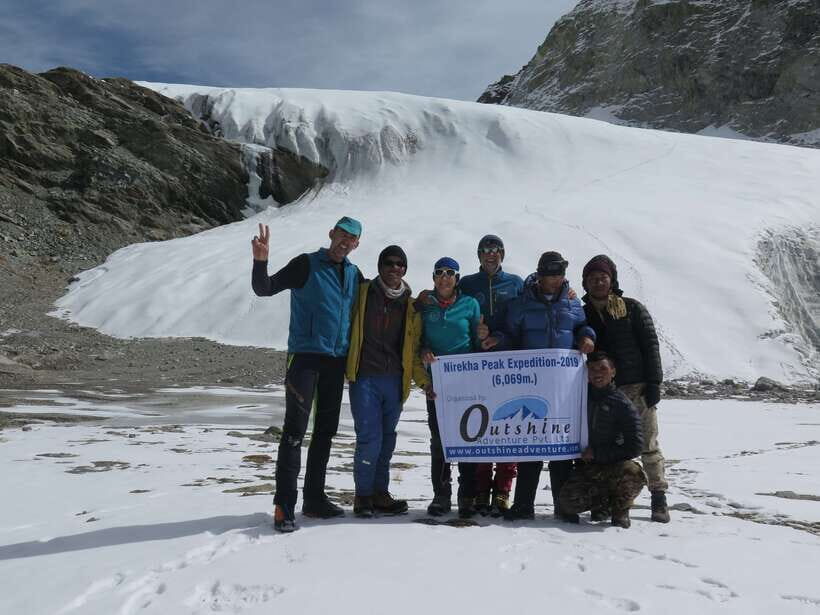
Your trip starts in Kathmandu with an airport pickup and a private car transfer to your hotel. That matters more than it sounds. After long flights, you want a clean handoff: check-in, trek briefing, and a clear idea of what comes next.
You also get three nights in Kathmandu with standard hotel accommodation included. On your first full day, you’re not immediately tossed into the mountains. You get to settle, absorb the city, and meet your guide properly so the trekking days feel like a continuation instead of a jump.
If you’ve ever felt confused about what to carry or how to prepare, this is where the trip helps. In at least a couple of experiences tied to this route, the team supported trekkers with getting the right gear before the trek proper. That kind of help is practical in real life, especially if you’re arriving without the correct clothing or sleep setup.
And yes, there’s also time for your body to start adjusting. You’re still at lower elevation in Kathmandu, but your routine shifts fast once you start trekking.
You can also read our reviews of more guided tours in Kathmandu
Kathmandu Highlights: Durbar Square, Swayambhunath, and the Big Temples
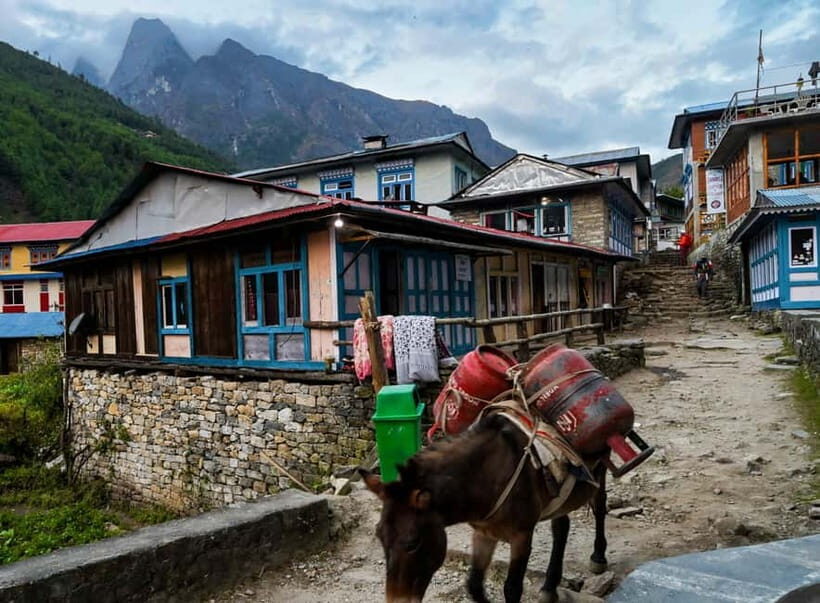
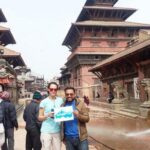
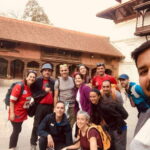
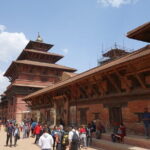
Before you chase Everest on foot, you’ll tour Kathmandu by private car with your guide. The route includes Kathmandu Durbar Square, Swayambhunath, Boudhanath, and Pashupatinath (the Cremation Temple).
Why this part is worth your attention: it gives you a frame for what you’ll see later. When you reach monasteries and village life in the Khumbu region, it’s easier to understand what you’re looking at when you’ve already spent time with Kathmandu’s spiritual sites.
This also helps with the emotional tone of the trip. Everest can feel huge and distant before you even start hiking. A day like this brings the experience back to human scale—architecture, rituals, and the day-to-day reality of Nepalese culture.
The Lukla Flight and First Trek Steps Toward Phakding
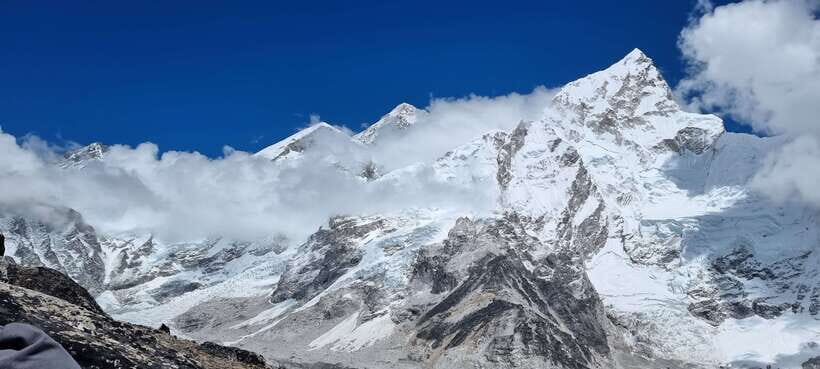
On day 3, you fly from Kathmandu to Lukla. Then you begin with an easy trek to the upper area of Phakding, where you’ll sleep.
This first walking day is intentionally gentler. You’re not trying to win fitness points on day one of trekking. You’re letting your body wake up to the rhythm: uphill and downhill stretches, steady steps, and learning how your legs feel when the altitude starts creeping upward.
One important note: Lukla is also where weather can throw a wrench. If flights don’t line up, your plan might change. That’s not a failure of the trek itself; it’s just the Everest-region reality. Build in patience and keep your expectations grounded in flexibility.
Sagarmatha National Park: Monasteries, Forests, and Sherpa Encounters
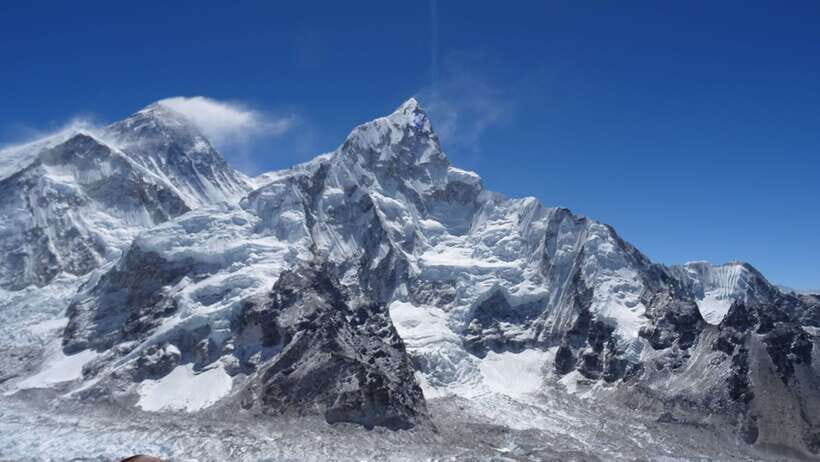
In the days around Phakding, you’ll spend time exploring the Sagarmatha National Park, a World Heritage Site. You’ll see Buddhist monasteries up close and meet Sherpa people along the route.
This is one of the best parts of the overall experience because it isn’t only about reaching a marker. The park and the villages make the trek feel lived-in. You see how people adapt to the altitude, how trails connect communities, and how religious sites sit naturally within daily movement.
Also, the route gives you chances to slow down. When you’re walking in colder, higher air, those small pauses matter. You get a break from constant climbing while still feeling like you’re progressing.
Namche Bazar Acclimatization: Views, Rhododendrons, and an Everest Rhythm
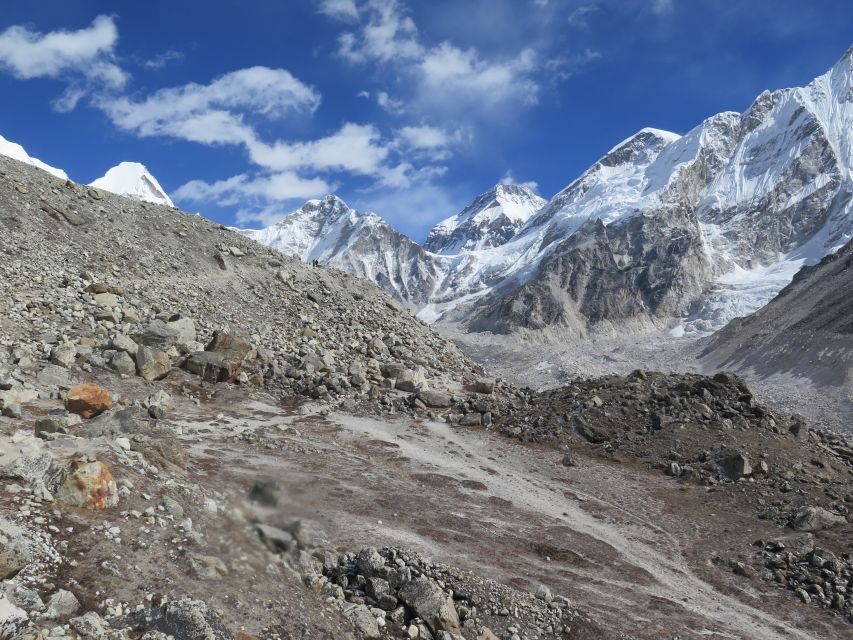
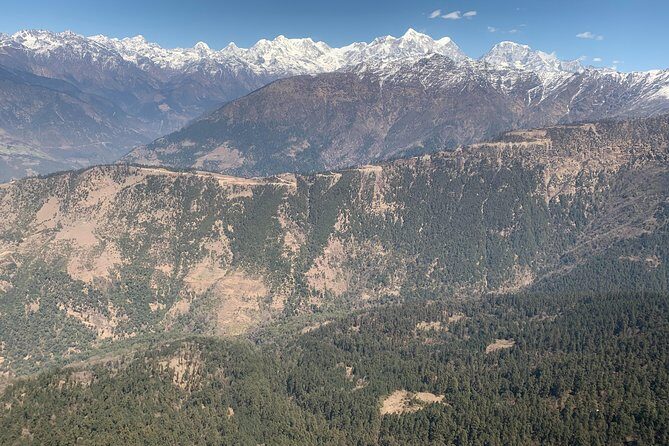
Day 4 is the climb to Namche Bazar, following the Dudh Koshi valley. You’ll work your way upward to a place that feels like a hub for trekkers and local Sherpas alike. Along the way, you pass rhododendron forests and snow-capped peaks.
Day 5 is a rest day in Namche for acclimatization. Then you hike up to Hotel Syangboche at 3,850 meters for better adjustment before continuing.
This is a classic Everest strategy, and it’s built into the itinerary for a reason. You don’t just go up and hope for the best. You give your body a chance to adapt before it’s asked to climb further.
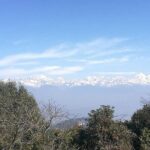
Namche also tends to be where your expectations start matching reality. You can’t ignore the mountains here. The view gives you a payoff for the effort, but it also reminds you what’s coming next.
You can also read our reviews of more hiking tours in Kathmandu
Tengboche to Dingboche: Monastery Views and Sherpa Villages in Sequence
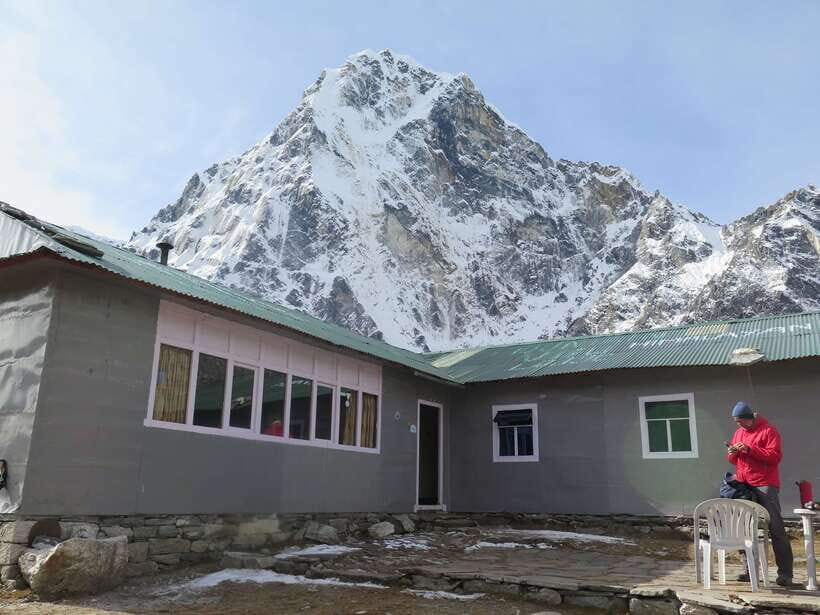
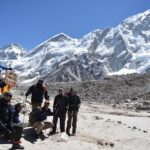
Day 6 treks to Tengboche, with a climb through high altitude and chilly conditions. After about two hours of ascent, you reach Thyangboche Monastery at 3,867 meters. It sits on a ridge, which is exactly why it’s such a meaningful stop: you feel the scale of Sagarmatha from an elevated, open position.
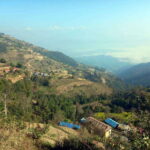
Day 7 moves toward Dingboche. This section passes villages like Imja Khola, Pangboche, and Pheriche. You also get a close look at Sherpa village life and culture as you pass through these communities.
And then you move toward the Khumbu glacier area before reaching Dingboche. That’s where the trek starts feeling more dramatic—ice, colder air, and the sense that you’re getting closer to Everest’s world, not just the Everest region.
Chhukung Valley Day Trip: A Big Taste of the High Country
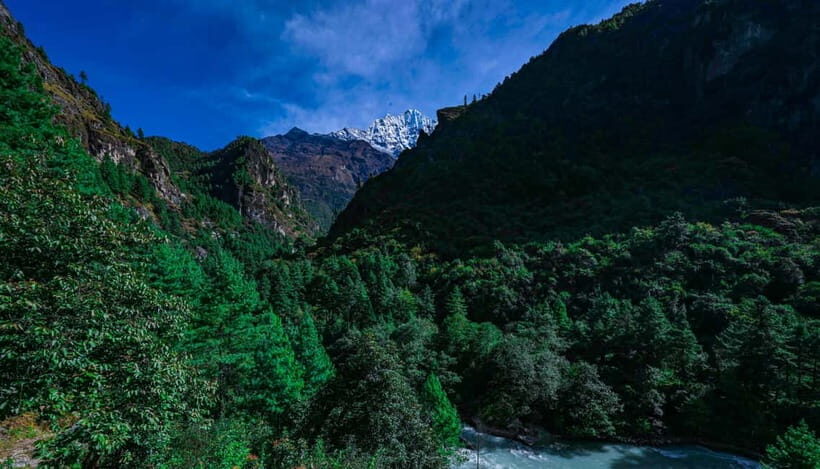
Day 8 is a day trip to Chhukung Valley and back to Dingboche.
This kind of “day excursion” is a smart way to add variety without turning the whole trek into nonstop grinding. You get a different angle on the scenery, and you get to strengthen your trekking routine at high altitude while still returning to your base in Dingboche to sleep.
Chhukung is often described as one of the world’s best hikes, and that reputation is easy to understand once you’re already acclimatized enough to enjoy it. It’s the kind of day that gives you the feeling of the Himalaya as a place you’re moving through, not just a backdrop you’re staring at from one viewpoint.
Lobuche and Gorakshep: Frozen Lake Country and the Base Camp Approach
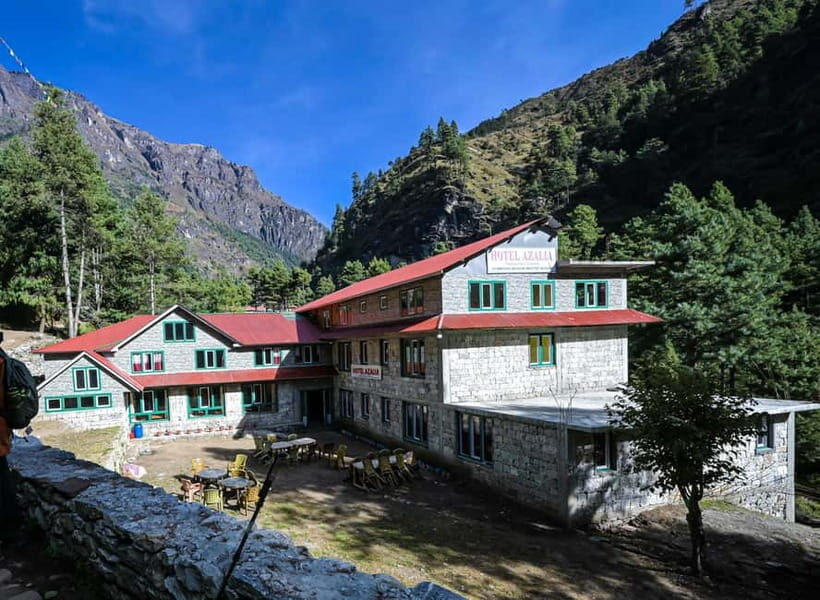
Day 9 heads to Lobuche. You’ll rest more and admire nature’s design. It’s a day that helps you settle into the higher stretch.
Day 10 is the hike from Lobuche to Gorakshep, a small settlement on the shores of a frozen lake. Gorakshep is important because it’s your departure point toward Everest Base Camp.
Even if the walking feels similar day to day, these are the segments where the emotional weight shifts. Each step feels more like a deliberate approach. The air tends to feel sharper. The distance to Everest becomes more real.
Kalapathar Morning: Why This Sunrise Push Is Worth It
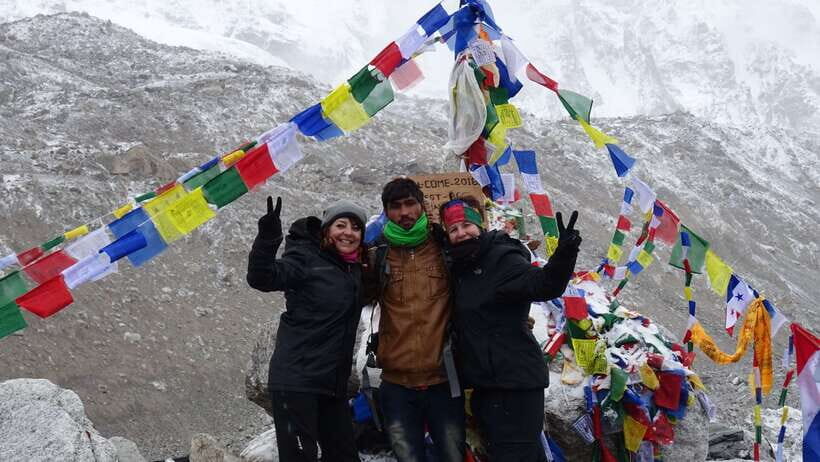
Day 11 includes an early morning hike to Kalapathar, then returning toward Pheriche.
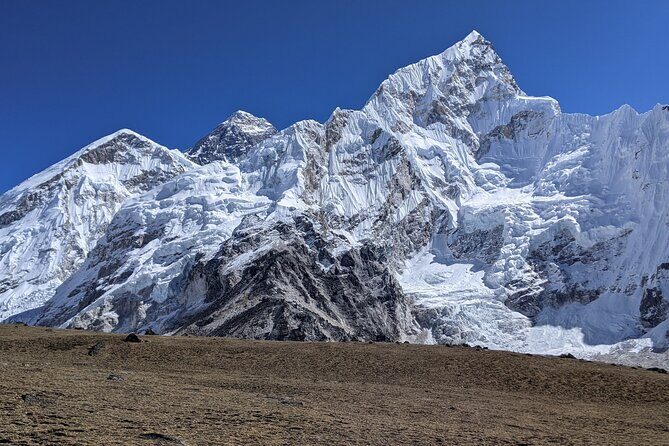
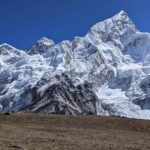
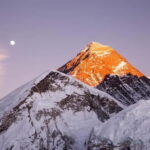
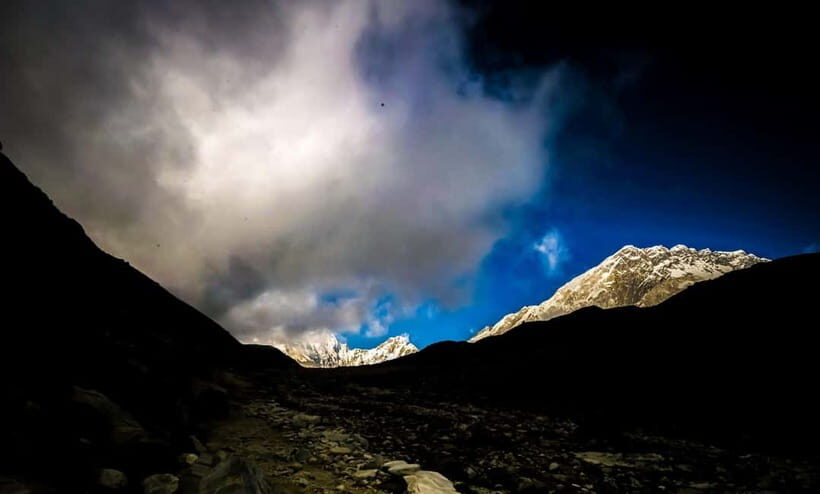
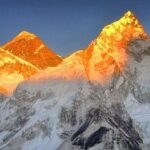
Kalapathar is famous for a reason. You get up early because the best light often comes early in these high-altitude zones. When skies cooperate, the view can be the payoff for weeks of effort.
Not every morning will be crystal-clear. One experience tied to this trek described days with cloudy and rainy weather that hid views at key times. Still, even with imperfect visibility, those early starts can make the trip feel like it’s delivering its own version of the story.
Day 12 brings a trek back down to Namche Bazar, with stops to help acclimatize again before continuing the descent to Lukla.
Back Down to Lukla and Homeward to Kathmandu
Day 13 treks back to Lukla. It’s a longer walking day, but it’s also the moment you start feeling like the journey is finishing on your terms.
Day 14 is your flight back to Kathmandu, followed by a hotel night to recover. Day 15 is the transfer to the international airport for your final departure.
This structure is underrated. Many trekking plans forget the value of a decompression day in Kathmandu. Here, you get it. After altitude, cold mornings, and consistent effort, you’ll be grateful for time to sleep, eat normally again, and reset your legs.
Guides, Care, and What the Best Ones Actually Do
The strongest praise tied to this trek centers on the people running it—especially the guides. Names that came up include Kale Prakash, Kali, Kumar, Santos, and Dillisher Katuwal.
What stands out is less about big speeches and more about specific, practical support:
- When someone got sick, the guide provided careful attention and support.
- The team helped keep logistics moving, from Kathmandu pickups to managing your return to Kathmandu after trekking.
- Guides were credited for mountain experience that helped trekkers feel safe step by step.
That safety piece isn’t just comfort. On a trek like this, you want someone who understands how altitude, weather, and pace affect you, and who can respond calmly if things shift.
So when you’re choosing this trek, look at the guide quality as part of the value, not a side bonus.
Price and Value: What $675 Actually Covers
At $675 per person for a 15-day trek, the value comes from what’s included versus what you pay separately.
Included highlights that matter in real budgeting:
- Kathmandu private airport pickup and drop-off
- Hotel accommodation in Kathmandu for 3 nights
- Guided Kathmandu city tour in a private car
- Guesthouses during the trek
- Licensed English-speaking Sherpa guide
- Everest National Park permits and TIMS
- Staff costs and insurance/medicine/equipment
- Down-filled jacket and sleeping bag if needed
- All government taxes
What’s not included (and you should plan for early):
- Airfare for the Kathmandu (Ramechhap) – Lukla – Kathmandu routing. The option exists to reserve/book flights on request, but it isn’t automatically included.
- Meals (breakfast, lunch, dinner) during the trek
- Porters (optional; shared with two people if you add them)
- Alcohol and drinks
For me, the fair way to think about the price is this: you’re paying for coordination, permits, guiding, and trail logistics, while meals and flights are separate moving parts. If you’re okay budgeting for your own food and you’re flexible about flight timing, the included structure looks strong for a multi-day mountain trek.
Who This Trek Fits Best (and Who Should Reconsider)
This itinerary is designed to accommodate various fitness levels, mainly because acclimatization is built in. You also get rest points and view hikes rather than a nonstop push.
You’ll likely enjoy this trip if:
- You want a classic Everest Base Camp route with monasteries, Sherpa villages, and national-park walking
- You prefer small-group energy instead of feeling lost in a crowd
- You want a guided experience where permits and key logistics are handled
It’s not suitable for wheelchair users, based on the activity info.
Should You Book This Everest Base Camp Trek?
I’d book it if you can handle two things: altitude days that require patience, and the possibility of flight disruption around Lukla. When the weather cooperates, the trek delivers the full Everest-region experience—Namche acclimatization, monastery views at Tengboche, and the high-country approach toward Base Camp.
But if your schedule is extremely rigid and you can’t tolerate route changes due to flight weather, you should think twice. One experience connected to this itinerary involved difficulty reaching Everest Base Camp because of Lukla weather, and the plan shifted instead.
If you’re reading this, though, you probably want the mountains more than a checkbox. With that mindset, this trek has a lot going for it: permits handled, English Sherpa guidance, and a pacing plan that respects acclimatization.
FAQ
How long is the trek?
It’s scheduled for 15 days.
Where does the trip start and end?
You start with pickup at Kathmandu International Airport and you finish with a transfer to the international airport for departure.
Is Kathmandu hotel and sightseeing included?
Yes. You get 3 nights of hotel accommodation in Kathmandu and a guided city tour by private car covering Kathmandu Durbar Square, Swayambhunath, Boudhanath, and Pashupatinath.
Are permits included for Everest and trekking?
Yes. Everest National Park permits and TIMS (trekking permits) are included.
Is airfare included from Kathmandu to Lukla?
No. Airfare for Kathmandu (Ramechhap) – Lukla – Kathmandu (Ramechhap) is not included, but flights can be reserved or booked on request.
What accommodation style do you get during the trek?
You stay in best available guest houses during the trek.
What should I bring and is the trek wheelchair-friendly?
You should bring comfortable shoes and sunglasses. It is not suitable for wheelchair users.