REVIEW · KATHMANDU
Everest Base Camp Trek with Helicopter Return to Lukla – 10 Days
Book on Viator →Operated by Luxury Holidays Nepal Pvt. Ltd. · Bookable on Viator
The helicopter return changes the whole Everest Base Camp plan. This trek trades some long downhills for a Gorakshep to Lukla flight, so you still get the dramatic high-altitude wins without having to hike every single leg. I also like that you’re not left to guess logistics: you travel with a licensed English-speaking guide and standard guesthouses along the classic Everest route.
One thing to weigh: this trip depends on weather for flights. If conditions are poor, schedules can shift, and the experience is designed around having good mountain weather.
In This Review
- Quick hits on this Everest Base Camp trek
- Why helicopter return is the smartest way to cut the trip
- Kathmandu prep and the Lukla launch
- Namche Bazaar, Tengboche, Dingboche: breathing room at altitude
- Everest Base Camp and Kala Patthar sunrise: the heart of the hike
- Gorakshep to Lukla by helicopter: views and tradeoffs
- What $799 includes, and the costs you still need to plan for
- Guide team, gear, and health: how this trek stays manageable
- Should you book this Everest Base Camp trek with helicopter return?
- FAQ
- Where does the trek start, and what time does it begin?
- What flights are included in the package?
- Is the helicopter ride included?
- What permits are included?
- What kind of lodging do I get on the trek and in Kathmandu?
- Are meals included?
- FAQ
- Is this trip dependent on weather?
- Do I need travel insurance?
Quick hits on this Everest Base Camp trek
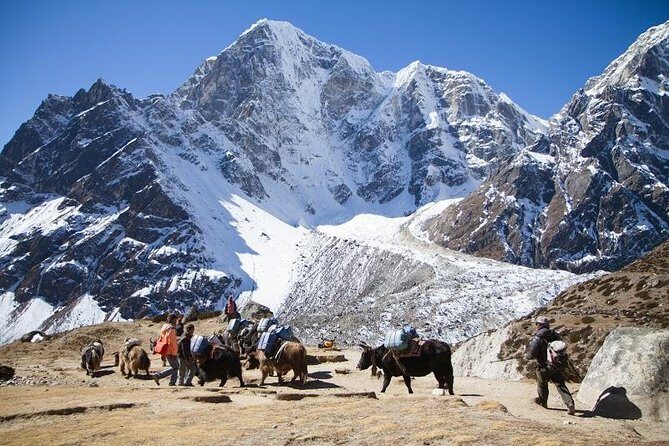
- Helicopter from Gorakshep to Lukla cuts the “back down” grind and gives a high-level view of the route.
- Permits handled for Sagarmatha National Park, TIMS, and Pasang Lhamu Entry.
- Practical guide support is a recurring theme, with names like Ram and Rupak showing up in past team feedback.
- Acclimatization stops include Namche Bazaar, Tengboche (including monasteries), and Dingboche.
- Kala Patthar for sunrise is built in, so you plan for the big light at high altitude.
- Kathmandu farewell dinner includes Nepali food and a cultural show after you’re done hiking.
Why helicopter return is the smartest way to cut the trip
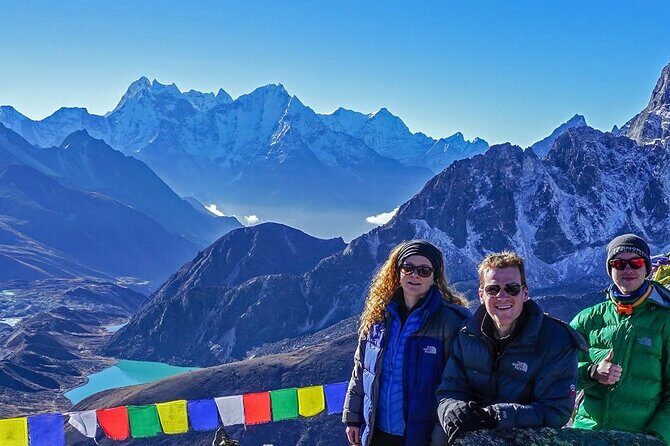
The headline here is simple: you’re doing the hard part (the climbing and altitude pacing) but you’re not hiking your way back out. The included helicopter ride from Gorakshep to Lukla is the big-value switch, because it saves time and energy right when most people are ready for a break.
That changes how you should think about the trek. Instead of treating it like an all-hike endurance event, think of it as a guided high-altitude journey where the last stretch is rewarded with an aerial view. You’ll still walk to the Everest sights that matter—Everest Base Camp and the sunrise hike to Kala Patthar—and then you step out of the equation.
The one practical consideration is that helicopter and Lukla air connections live in the same reality as mountain weather. The trek is written for good weather, so keep flexibility in mind if the air schedule doesn’t cooperate.
You can also read our reviews of more hiking tours in Kathmandu
Kathmandu prep and the Lukla launch
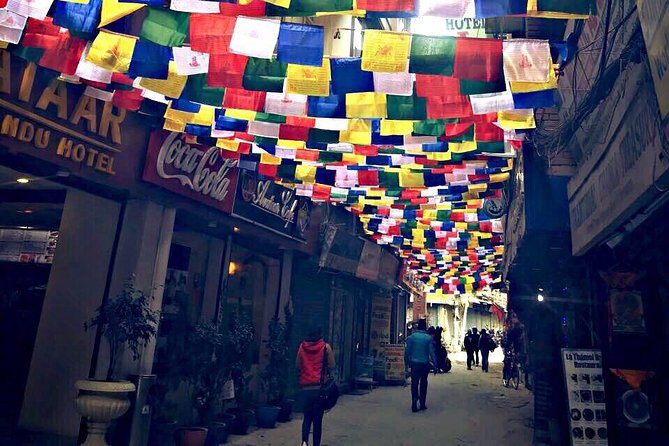
You start in Kathmandu, with pickup by private vehicle and a 3-star hotel with breakfast. That matters more than it sounds: the first night in Nepal can be jet-laggy, and having a solid base with breakfast helps you show up to the next day’s flights already fueled.
Permits are included too—Sagarmatha National Park, TIMS, and Pasang Lhamu Entry—so you’re not chasing paperwork while you’re thinking about altitude. You’ll also fly Kathmandu/Manthali to Lukla and back, which compresses travel time that would otherwise take days on the ground.
Then comes the “classic start” feel. From Lukla you trek through Sherpa villages and past forests and the Dudh Koshi River, gradually climbing as you go. This is where your pacing strategy matters. The route is designed to help you move upward without rushing straight into the highest elevations.
On logistics, you’re not on your own. The package includes a medical first aid kit and trekking support gear: a duffel bag, sleeping bag, T-shirt, and map. That can make a difference if you’re traveling with limited space or don’t want to hunt down gear after you land.
Namche Bazaar, Tengboche, Dingboche: breathing room at altitude
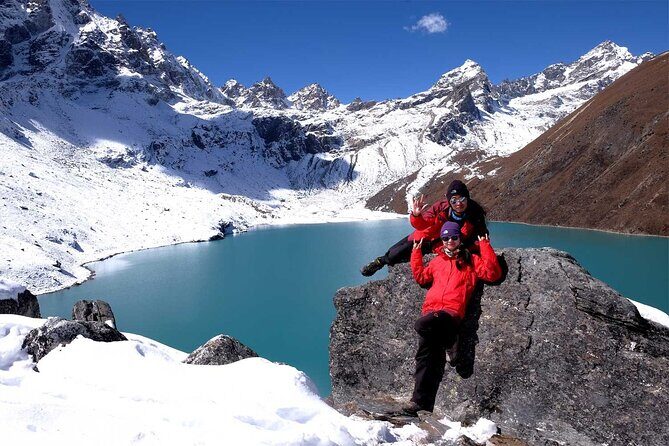
This trek’s best idea is that it doesn’t just march upward. It builds in the familiar high-altitude stepping stones: Namche Bazaar, Tengboche, and Dingboche. You’ll pass through Sherpa communities, tea-house rhythm, and viewpoints that help you understand the terrain before you reach the extreme parts.
Namche Bazaar is a key morale stop. It’s where the trail feels like a place with human scale—shops, cafés, and a real sense of mountain culture. When altitude climbs faster than your body likes, you want time to adjust while still feeling engaged.
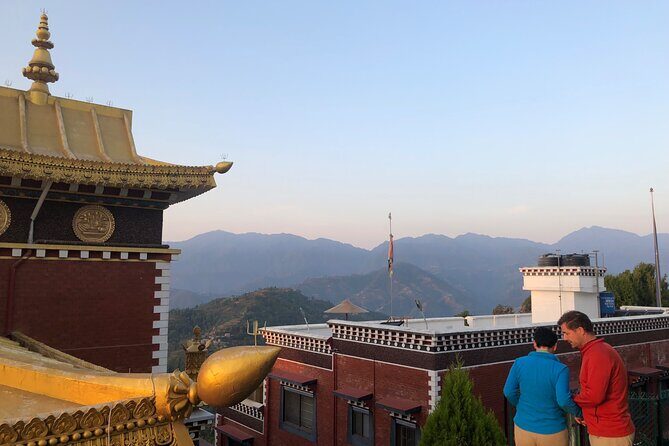
Tengboche brings a different flavor: monasteries and the spiritual side of the Everest region. Even if you’re not religious, monasteries give you a calm pause during a physically demanding day.
Dingboche is where acclimatization becomes more than a word. You’re actively adjusting, which should help you handle later efforts like the Everest Base Camp push and the Kala Patthar sunrise hike. The guide’s role here is practical: pacing, checking in on how you feel, and keeping the group moving safely.
A big “how this feels in real life” detail: the trek uses standard guesthouses. So you’ll experience the classic mountain lodging style—basic rooms, shared spaces, and the slow boil of time at altitude.
Everest Base Camp and Kala Patthar sunrise: the heart of the hike
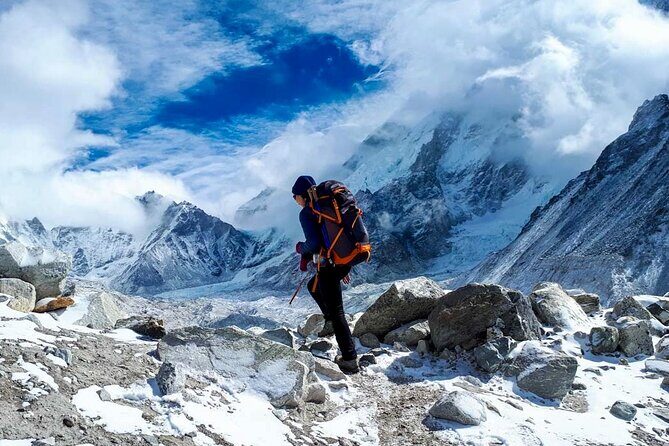
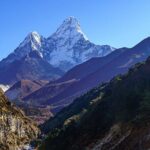
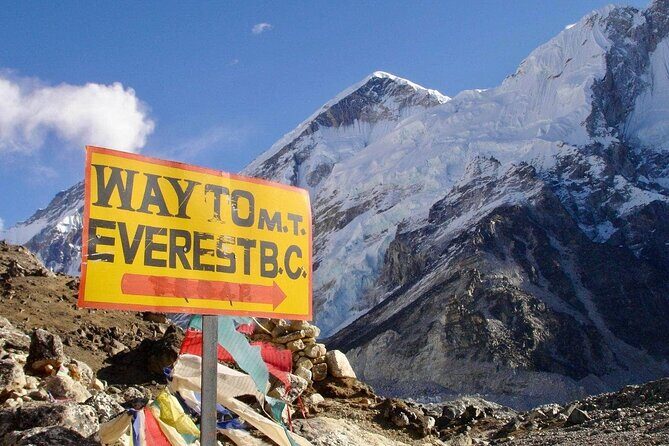
This is the part you’re paying for. You reach Everest Base Camp to see Everest’s massive face in person. After days of climbing and acclimatizing, Base Camp is the moment where the route’s effort snaps into focus.
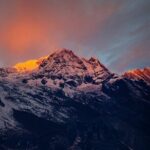
Then comes Kala Patthar, planned specifically for sunrise views. I like that this is included as an intentional event rather than an optional side trip, because sunrise hikes force you to plan ahead: you go when it’s cold and the world is still waking up, and you earn the light that makes those peaks look almost unreal.
Here’s how I’d approach it mentally. Treat the sunrise hike as “work for the view,” not a sightseeing stroll. Your guide is built into the equation—your job is to follow the pace, hydrate, and communicate if you feel off. One recurring theme in team feedback is that guides (often including Ram and Rupak) are praised for keeping the group steady, including helping people across different ages and fitness levels.
One more practical note: your “big moment” days often come with a high chance of plain, everyday discomfort. Expect wind, temperature swings, and fatigue. The included medical kit and a trained guide can help you handle those realities with better judgment.
Gorakshep to Lukla by helicopter: views and tradeoffs
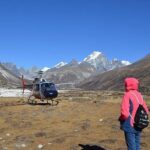
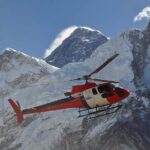
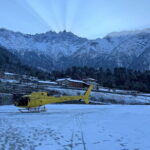
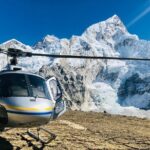
After Everest Base Camp and the Kala Patthar sunrise, you head toward Gorakshep—and then the package cashes in the unique part: the included helicopter ride from Gorakshep to Lukla.
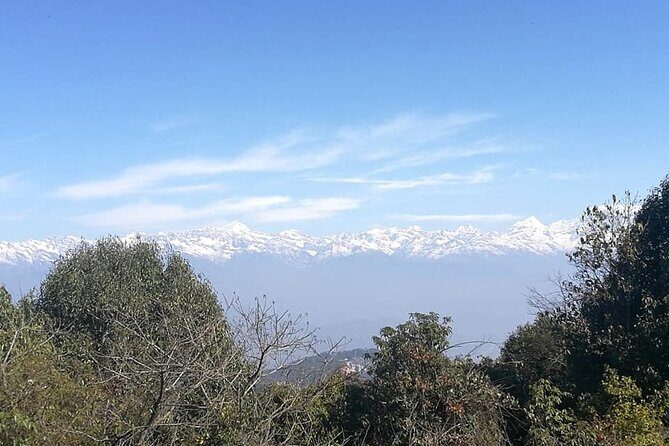
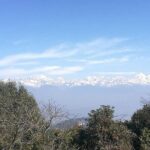
This is where you get something you don’t get with a full hike: an aerial view of the entire trek route. You’ll get a “from above” understanding of how the valleys, ridges, and climbs connect, which is a nice way to emotionally close the loop.
It also changes the physical accounting. Many treks feel like they start as an adventure and end as a long series of sore legs. The helicopter makes the final chapter more about recovery than demolition.
Do keep your expectations grounded. Like the Lukla flights, the helicopter depends on weather, so the “when” can be less rigid than a city tour. That’s not a deal-breaker, but it is the trade you’re choosing for the energy savings.
Back in Kathmandu, you’re not left hanging either. The experience includes a farewell dinner with Nepali cuisine and a cultural show, so you can celebrate in a way that fits Nepal rather than just going home quietly.
You can also read our reviews of more tours and experiences in Kathmandu
What $799 includes, and the costs you still need to plan for
At $799 per person, the best way to judge value is to look past the number and compare what’s handled for you. This price includes:
- Kathmandu hotel (3-star) with breakfast
- Domestic flights to and from Lukla (round-trip)
- Helicopter from Gorakshep to Lukla
- Licensed English-speaking guide
- Trek lodging in standard guesthouses
- Permits for Sagarmatha National Park, TIMS, and Pasang Lhamu Entry
- Included trekking gear: duffel bag, sleeping bag, T-shirt, and map
- Medical first aid kit
- Farewell dinner with Nepali food and cultural show
- Taxes and official fees
- Arrival/departure private vehicle transfers
- Mobile ticket
What’s not included is also important:
- International flights to Nepal
- Nepal visa (you obtain it on arrival)
- Meals: lunch and dinner in Kathmandu, and all meals during the trek
- Insurance (it must cover medical and high-altitude evacuation)
- Optional porter service
- Personal expenses like snacks, drinks, laundry, and tips
So the real budget question is food and insurance. If you already have solid trip coverage that includes high altitude evacuation, you’re in a better spot. If not, this trek can get more expensive fast, and you shouldn’t treat that as optional.
Guide team, gear, and health: how this trek stays manageable
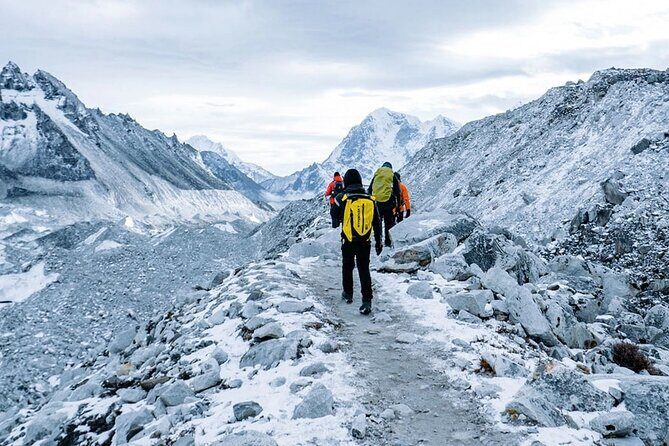
A trek like Everest Base Camp isn’t just about the miles. It’s about decision-making at altitude, and that’s where the guide really matters. This package includes a licensed English-speaking guide, plus an emphasis on keeping logistics smooth (permits, luggage support, and the day-to-day structure).
In the feedback I’ve seen from this operator’s teams, a few names come up again and again—especially Ram, and also Rupak—and the common thread is patient support and practical problem-solving. People also credited additional team members such as Dambar and Naren for taking care of details and morale.
Gear support is included, which can reduce stress immediately after landing. Getting a sleeping bag and a duffel bag means you’re not scrambling to buy or rent gear on short notice. You’ll still want layers and personal items, but the “big lift” is handled.
Fitness-wise, the experience is described as suitable for people with moderate physical fitness. That’s consistent with what you feel on the trail: you’ll hike daily, and altitude will do part of the work even when the path seems straightforward. The helicopter back doesn’t remove the fact that you’re going high, but it does make the end of the trek kinder on your body.
Finally, note the group size: maximum 15 travelers. A smaller group usually means your guide can spend more time on check-ins, pacing tweaks, and helping the slower hikers avoid feeling rushed.
Should you book this Everest Base Camp trek with helicopter return?
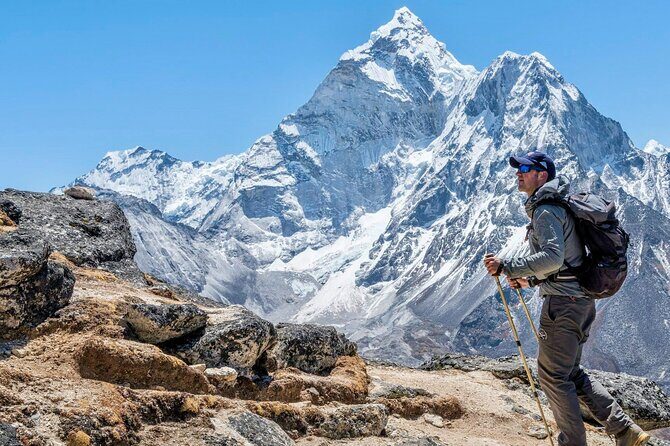
If you want the Everest Base Camp experience but you don’t want the full “walk every direction” grind, this is a smart choice. The helicopter return is the main value play, and it pairs well with the included guide support, permits, and guesthouse lodging.
I’d book if you can handle high-altitude trekking at a moderate fitness level and you’re ready to plan your own meals and insurance. I’d think twice if you’re counting on tight schedule certainty, since air connections require good weather.
If your goal is: hike to the big sights, then get a dramatic aerial finish with less time suffering sore legs, this 10-day plan fits that goal very well.
FAQ
Where does the trek start, and what time does it begin?
The meeting point is Tribhuvan Airport, Kathmandu, Nepal, with a start time of 9:00 am.
What flights are included in the package?
Domestic flights are included for Kathmandu/Manthali to Lukla round-trip.
Is the helicopter ride included?
Yes. The package includes a helicopter ride from Gorakshep to Lukla.
What permits are included?
Permits included are Sagarmatha National Park, TIMS, and Pasang Lhamu Entry.
What kind of lodging do I get on the trek and in Kathmandu?
In Kathmandu, you get a 3-star hotel with breakfast. During the trek, lodging is in standard guesthouses.
Are meals included?
No. Lunch & dinner in Kathmandu are not included, and all meals during the trek are not included. Breakfast at the Kathmandu hotel is included.
FAQ
Is this trip dependent on weather?
Yes. This experience requires good weather, and if it’s canceled due to poor weather, you’ll be offered a different date or a full refund.
Do I need travel insurance?
Yes. Your insurance must cover medical needs and high-altitude evacuation.