REVIEW · KATHMANDU
Everest Base Camp trek with Helicopter return 9 days
Book on Viator →Operated by Adventure Master Trek · Bookable on Viator
Everest Base Camp in nine days is a fast pass. This trek takes you up the classic Everest route toward Kala Patthar, then sends you back down by helicopter so you can spend more time seeing Everest and less time stuck in long descent logistics.
What I like most is the built-in safety and structure. You’ll have an oximeter and a first aid kit, with oxygen and pulse checks twice a day, and you’ll hike with an experienced guide team that people often name for making the process smooth (Raj and Ramesh are two guide names that come up often). The main drawback: the time-saver also means less margin for slow acclimatization, and the trail above Dingboche can turn remote and steep—so you’ll want true moderate fitness and a calm, steady pace.
In This Review
- Quick hits
- Why the 9-day Everest Base Camp with helicopter return works
- Price and logistics: what $3,888 per person really covers
- Day 1 in Kathmandu: arrival help that removes stress
- Day 2: Kathmandu to Lukla by flight, then your trek begins
- Day 3: Namche Bazaar route day through bridges and forest paths
- Day 4: Namche acclimatization plus the Everest View Hotel side trip
- Day 5: Kyangjuma day—big views and steady uphill rhythm
- Day 6: Tengboche early sunrise, then the descent through rhododendron
- Day 7: Walking along the Khumbu Glacier after Dingboche
- Day 8: Gorak Shep—rocky walking and the long push toward the viewpoint day
- Day 9: Kala Patthar sunrise views, then helicopter return
- What “moderate difficulty” means in real life here
- The small details that can make or break your experience
- Should you book this Everest Base Camp heli-return trek?
- FAQ
- How long is the Everest Base Camp trek with helicopter return?
- What is the difficulty level?
- Do you get airport pickup in Kathmandu?
- How do the flights work for Lukla?
- When does the helicopter return happen, and where is it from?
- Do you reach Kala Patthar?
- What’s included for meals and health checks?
- What costs extra, and is there a refund if plans change?
Quick hits
- Helicopter return that saves days: 7 full days in the mountains, then a helicopter flight back on the last day
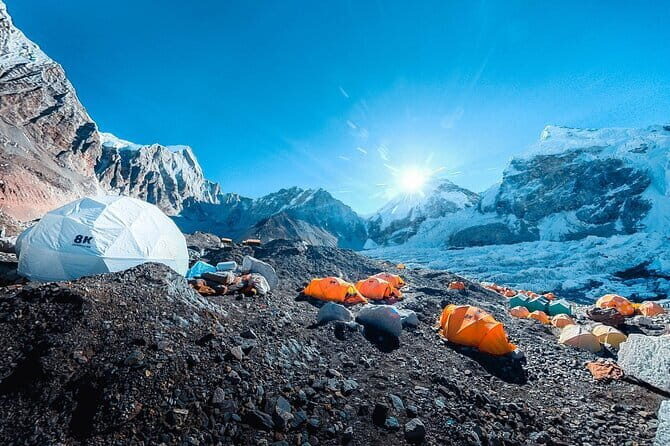
- Kala Patthar viewpoint goal: up to 5,644 m / 18,519 ft for Everest-area views
- Altitude checks twice daily: oximeter monitoring plus a first aid kit
- Classic altitude route: Lukla flights, Namche acclimatization, then Khumbu Glacier walking
- Porter support: one porter for every two people to lighten the load
- Private ground transport in Kathmandu: pickup and transfers by car
Why the 9-day Everest Base Camp with helicopter return works
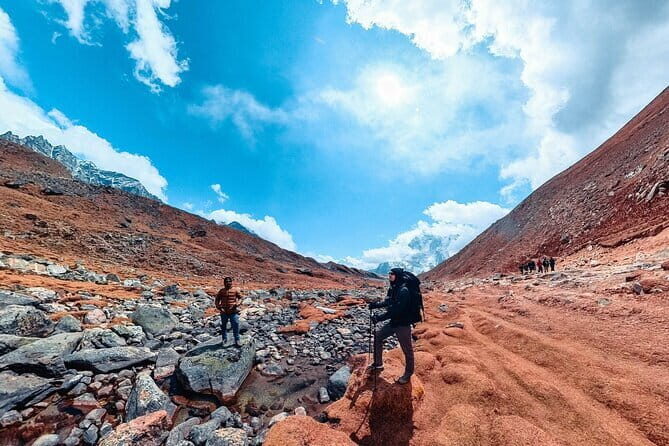
The draw here is simple: Everest Base Camp is famous, but the classic trek takes time. This version gives you the core experience—Lukla, Namche, Dingboche-area altitude, the Khumbu Glacier section, and the big view from Kala Patthar—without stretching into a multi-week slog.
I also like how the plan still respects altitude. You don’t jump straight to high camp vibes. The route gradually climbs, and you get a dedicated acclimatization rest day around Namche, which matters because the air gets thin fast.
The helicopter element is the big value play, too. Once you’ve done your hardest scenic walking (and you’ve earned that early-morning mountain sunrise), the return ride keeps the trip from turning into a long, exhausting “just get me back down” finish.
You can also read our reviews of more hiking tours in Kathmandu
Price and logistics: what $3,888 per person really covers
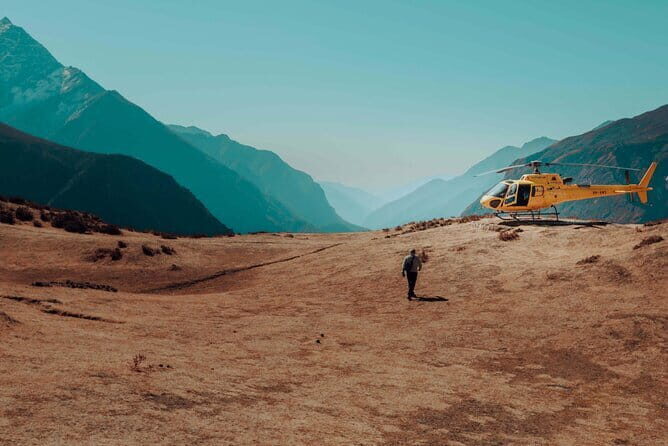
At $3,888 per person, you’re paying for a high-cost bundle: flights, guided hiking, and the helicopter return. You’re not just buying a few days of trekking—you’re buying a full, managed system that covers the hard-to-plan parts (routes, permits, and flight/heli coordination).
Here’s what you’re getting that’s directly relevant on the ground:
- Private car transfers in Kathmandu, including help on arrival
- Flights Kathmandu ⇄ Lukla
- A guide whose food, lodging, insurance, and salary are covered
- Helicopter flight from the Everest area down toward Lukla (part of getting you back to Kathmandu fast)
- Permits and official fees included
- A first aid kit and oximeter, with checks twice daily
- Meals included during the trek (8 breakfasts, 8 lunches, 8 dinners)
- One porter for two people
Now, the trade-offs and extra costs to expect are clear:
- Visa and travel/medical insurance are not included
- Kathmandu meals (lunch and dinner) aren’t included
- Tea houses may charge for hot showers and phone charging (listed as about $2 to $5)
- Tips are expected for guide/porter/driver
- Alcohol and extra drinks are not included
If you’re someone who wants maximum Everest per day, this pricing can make sense. If you’d rather slow-travel and spend more nights on the trail without helicopter logistics driving the budget, you’ll feel that premium quickly.
Day 1 in Kathmandu: arrival help that removes stress
Day 1 is all about making you comfortable and organized before the big flight. The airport team waits for you at the international terminal, helps with check-in, and carries your bags to the hotel.
This is a practical touch. Everest treks live or die by early mornings. When you start Day 1 with smooth logistics, you’re less likely to lose sleep—or lose time—on arrival.
Day 2: Kathmandu to Lukla by flight, then your trek begins
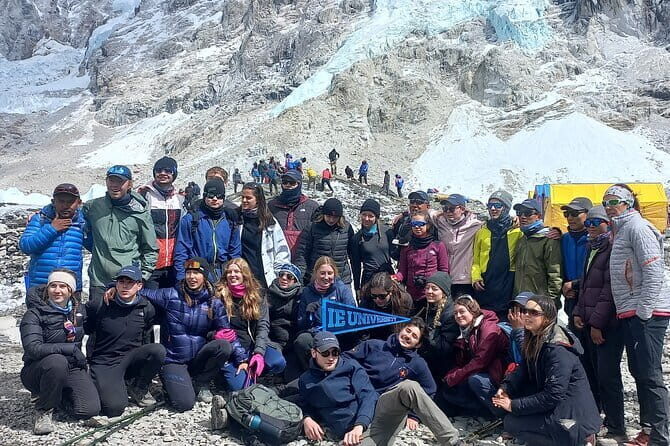
The key moment is the flight from Kathmandu to Lukla. It’s short, and the views are a real perk, but the real purpose is what it unlocks: you’re starting the mountain journey quickly.
After landing at Tenzing Hillary Airport, you’ll connect with porters and begin trekking from the Phakding-area direction. This day is usually more about settling into routine—pack weight, footwear rhythm, hydration—than about “pushing hard.”
What to watch: Lukla flight days can feel rushed. You’ll do best by traveling light, double-checking your essentials, and keeping your day plan simple.
Day 3: Namche Bazaar route day through bridges and forest paths
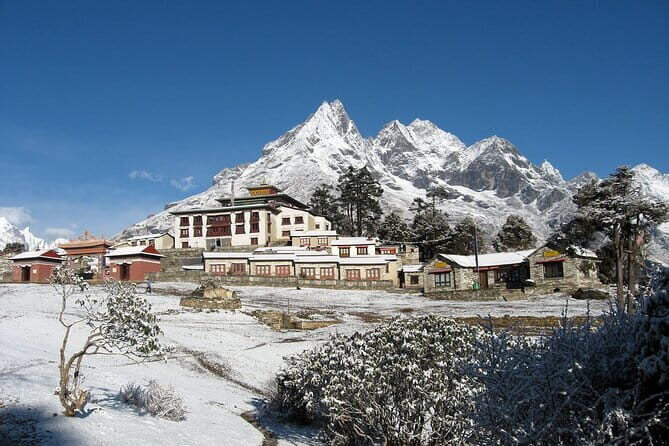
Your hike heads toward Namche Bazaar. Along the way, the route passes through rhododendron and magnolia forests and includes river crossings via bridges.
You’re building altitude and breathing a little thinner, but it’s not an all-out grind. This is exactly the kind of trail day that helps you get your pacing right before the real high-altitude time.
Practical tip: treat water like it’s your job. Even when the weather feels mild, altitude and exertion drain you faster than you expect.
You can also read our reviews of more tours and experiences in Kathmandu
Day 4: Namche acclimatization plus the Everest View Hotel side trip
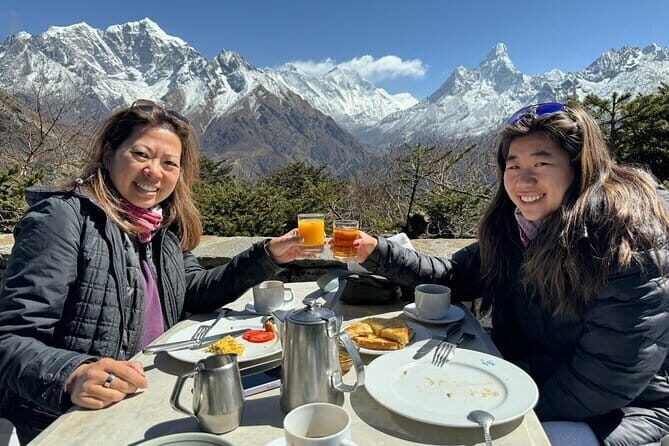
This is a smart day. You rest in Namche so your body can adapt. Then you take a route up via the Syangboche Airstrip to the Everest View Hotel area.
This is valuable because it gives you high-altitude views and keeps you moving without the stress of a long day’s ascent. It’s also a mental win. You’ll look at bigger peaks with less frantic energy.
If you tend to get anxious about altitude, this day helps you settle in. Slow down, breathe, and let the mountains work on your schedule.
Day 5: Kyangjuma day—big views and steady uphill rhythm
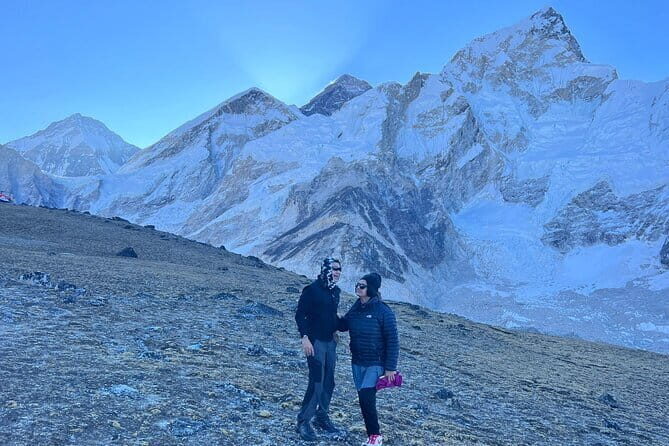
Today you head up from Namche toward Kyangjuma (3,550 m). The route goes uphill along green foothills, and mountain views pop along the way.
The pattern on days like this is usually: gain elevation, enjoy the scenery, then keep your effort consistent. This is also a good day to test your layers—since you’ll likely get morning cool and afternoon sun.
Potential drawback to keep in mind: because this trek is short, you may feel more pressure to stay on pace than you would on longer versions. The upside is that you aren’t stuck on the trail for weeks.
Day 6: Tengboche early sunrise, then the descent through rhododendron
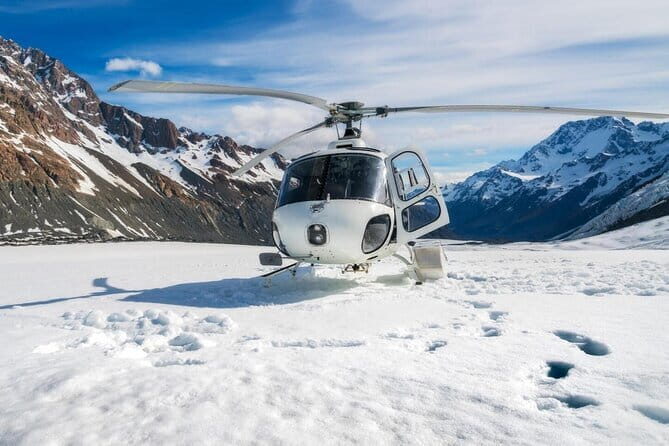
You rise early for sunrise in the Tengboche area, then leave after breakfast. From there, you hike down through rhododendron forests to Deboche (3,320 m).
The wildlife chances listed for this section—like musk deer and blue sheep—are a nice reminder that the Khumbu isn’t only about Everest photos. It’s also living mountain ecology, depending on conditions and timing.
This day can feel like a “break” because of the descent. But don’t treat it like a vacation day. Your legs still work, and you’re setting yourself up for the bigger altitude push later.
Day 7: Walking along the Khumbu Glacier after Dingboche
Most of the day is spent trekking along the Khumbu Glacier. After leaving Dingboche (which is around the altitude where the route gets more remote and steep), you climb through a ridge and continue in that glacier-walk zone.
This is one of the trek’s signature stretches. Glaciers bring a different kind of scenery—more stark, more open, more dramatic—than forest trail days. You’ll also see peaks like Cholatse and Tawache, depending on visibility.
What I like here is the clarity of the day. It’s not a “maybe we’ll see a view” day. You’re in Everest terrain for real.
Day 8: Gorak Shep—rocky walking and the long push toward the viewpoint day
This is a big day. You leave Lobuche and follow a wide valley up to Gorak Shep. The trail is rocky and, as elevation rises, it gets steeper.
Gorak Shep is where many people feel the altitude. Even if the walking time looks manageable on paper, the effort can feel heavier. The good news: you’re not doing something random today. You’re positioning for Kala Patthar, the highlight payoff.
A practical approach: keep your pace slow and boring. If you get “caught up” trying to keep up with everyone else, altitude can punish you.
Day 9: Kala Patthar sunrise views, then helicopter return
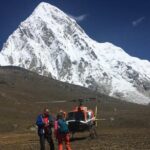
This is the day you can’t skip. You don’t leave the Everest area until you see the view from Kala Patthar (5,644 m / 18,519 ft).
The Kala Patthar trail starts above Gorak Shep and is described as well-used and easy to follow—meaning you’re dealing with steepness and cold, not getting lost. Early sun helps with those classic gold-light mountain photos, and even in less-than-perfect weather, you’ll feel like you reached something meaningful.
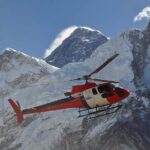
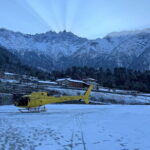
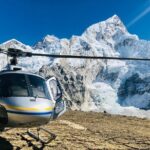
After the viewpoint, the plan brings you into the return by helicopter (the included helicopter flight is routed from the Everest area down toward Lukla, as part of getting you back to Kathmandu on the last day). That quick cut matters when you want Everest but not a long “staying power” test.
What “moderate difficulty” means in real life here
Moderate doesn’t mean easy. On this trek it means:
- You’re hiking high altitude for multiple days (7 full days in the mountains)
- The route gradually ascends, then turns more remote and steep above Dingboche (4,410 m)
- Your body needs time to adjust, especially if you don’t live at altitude
The main safety support is built in. You get a first aid kit and oximeter checks twice daily. That’s a real comfort because it turns altitude monitoring from guesswork into routine.
Still, you should plan for cold nights, dry air, and fatigue. Even if the trek is shorter than the classic version, you’re still doing serious hiking work. If you’re the type who stops moving as soon as you feel uncomfortable, work on a steady pace mindset before you go.
The small details that can make or break your experience
A few things in the plan are easy to overlook until you’re on the mountain:
1) Tea house costs
Hot showers and phone charging are listed as typically costing about $2 to $5. That’s normal for many tea house-style treks, but it’s smart to carry some small cash for those comforts.
2) Meals are included, but Kathmandu isn’t
Lunch and dinner in Kathmandu aren’t included, so plan for that in your budget. On the trek days, you’re covered with breakfasts, lunches, and dinners.
3) Porter support is real value
One porter for two people can make a noticeable difference on steeper sections. You’ll still carry essentials, but it helps your hiking feel less like punishment.
4) Tips are expected
Tipping for the guide, porter, and driver is expected. If that makes you uncomfortable, it’s worth budgeting early so it doesn’t sting later.
5) You’re in a private group setting
The trip is private, meaning it’s only your group, not a mixed crowd.
Should you book this Everest Base Camp heli-return trek?
I’d book it if you want a straightforward Everest highlights program: Lukla flights, Namche acclimatization, the Khumbu Glacier walking day, Kala Patthar at 5,644 m, and a helicopter return that protects your time and energy. The safety setup—oximeter monitoring twice daily—also makes it feel more “managed” than a DIY plan.
I’d pause if you love slow travel, want maximum time on the trail for deep acclimatization, or know you prefer lots of extra buffer days if weather turns. This trek can move at a steady pace because it’s designed for the 9-day Everest experience.
If you’re booking, I’d focus on three things before you go: train for steady uphill effort, plan your packing so you can hike comfortably (porter support helps, but you still carry your essentials), and accept that above Dingboche the trail gets more serious. If that sounds like your style, this is a great way to make Everest happen without losing your whole month to logistics.
FAQ
How long is the Everest Base Camp trek with helicopter return?
The trip runs about 9 days.
What is the difficulty level?
The Everest Base Camp trek with helicopter return is described as moderate, with a requirement for travelers to have a moderate physical fitness level.
Do you get airport pickup in Kathmandu?
Yes. A private car pickup is offered to get you from the international airport to your hotel, and the team helps with check-in and carrying your bags.
How do the flights work for Lukla?
The plan includes flights from Kathmandu to Lukla and then back to Kathmandu.
When does the helicopter return happen, and where is it from?
The helicopter flight is included from Gorakshep to Lukla as part of returning on the last day of the trek, with the overall trip returning to Kathmandu on that final day.
Do you reach Kala Patthar?
Yes. The trek includes a route to Kala Patthar, listed at 5,644 m / 18,519 ft.
What’s included for meals and health checks?
The trek includes 8 breakfasts, 8 lunches, and 8 dinners. It also includes a first aid kit and an oximeter, used to check pulse, oxygen saturation, and heart rate twice a day.
What costs extra, and is there a refund if plans change?
Visa and travel medical insurance are not included, and Kathmandu lunch and dinner are also not included. Hot showers and phone charging at tea houses cost about $2 to $5, and tipping is expected. You can cancel up to 24 hours in advance for a full refund.