REVIEW · KATHMANDU
From Kathmandu: Private 14-Day Everest Base Camp Trek
Book on Viator →Operated by Cordial Trek Pvt. Ltd. · Bookable on Viator
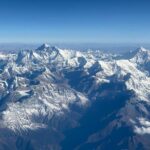
Your eyes will lock on Everest quickly. This private trek routes you through Sherpa heartland and classic viewpoints like Namche Bazaar and Kala Patthar, with the big payoff at Everest Base Camp. I like that the pace builds in acclimatization days, not just nonstop hiking, and that you’re supported by an experienced guide and Sherpa porter who actively watch how you’re doing—names like Raj Tamang and Prakash (plus porter Surendra in one story) show up in what people appreciate most. One thing to consider: Lukla flights and the trek itself depend on weather, and the plan is designed around that reality.
You also get practical logistics handled early: airport pickup in Kathmandu, domestic flights KTM–LUA–KTM, permits/park fees, and the core gear like a down jacket and sleeping bag. In other words, you don’t have to reinvent the trip at the last minute. My only caution is simple: this is high-altitude trekking at elevations that can challenge even decent fitness, so you’ll want to take the included acclimatization days seriously.
In This Review
- Quick highlights you’ll feel on this trek
- Kathmandu to Lukla: the real start of your Everest Base Camp trek
- Lukla flight logistics and why the timing matters
- Phakding to Namche Bazaar: your first major altitude jump
- Namche Bazaar acclimatization day: the day that saves your summit story
- Deboche: when forested lower Khumbu starts to feel different
- Dingboche and another acclimatization day: steady climbing beats sprinting
- Lobuche to Gorakshep: the approach toward the EBC bowl
- Kala Patthar: the hard early hike with big rewards
- The return: Namche Bazaar and Tengboche in reverse order
- Namche to Lukla and back to Kathmandu: finishing like a pro
- Gear, guide support, and the value of not guessing
- Price and what $1,650 actually buys you (and what it doesn’t)
- Fitness reality check: moderate fitness, serious altitude
- Who should book this private Everest Base Camp trek?
- Should you book this Kathmandu to Everest Base Camp trek?
- FAQ
- What is the duration of the Everest Base Camp trek from Kathmandu?
- Does the price include flights to Lukla and back?
- What trekking gear is included?
- Are permits and national park fees included?
- Is travel insurance included?
- Is this trek private?
- What can cause the experience to be canceled?
Quick highlights you’ll feel on this trek
- Lukla airport experience: the short flight is part of the drama and the dream.
- Namche Bazaar acclimatization: a dedicated rest day helps you adjust before going higher.
- Everest View Point day: a direct shot at big Himalayan scenery from the Sagarmatha area.
- Tengboche monastery stop: culture and mountain views in the same slice of time.
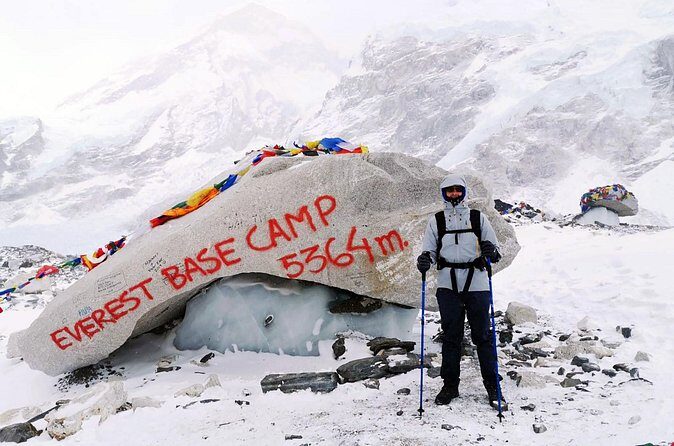
- Everest Base Camp at 5,364 m: the main finish line inside Sagarmatha National Park.
- Kala Patthar at 5,545 m: a hard-earned early hike with views people remember for years.
Kathmandu to Lukla: the real start of your Everest Base Camp trek
This trip begins in Kathmandu, and that matters more than people think. You land at Tribhuvan International Airport, get met by a Cordial Trek representative, and then transfer into your hotel with your first organized “done for you” step. For many hikers, the first day is about lowering stress so you can focus on the climb ahead.
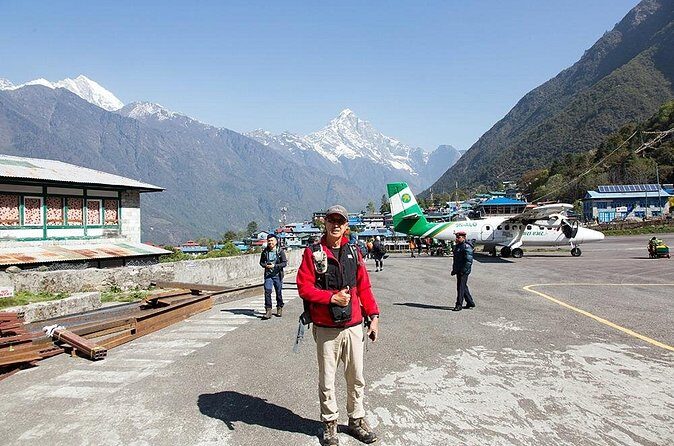
The next day, the trek turns from city life into mountain life fast. You’ll fly about 30 minutes from Kathmandu to the Tenzing Hillary airstrip at Lukla, one of the most challenging airports in the world. Even if you’ve read about Lukla before, it’s still the point where the whole trip feels real.
You can also read our reviews of more private tours in Kathmandu
Lukla flight logistics and why the timing matters
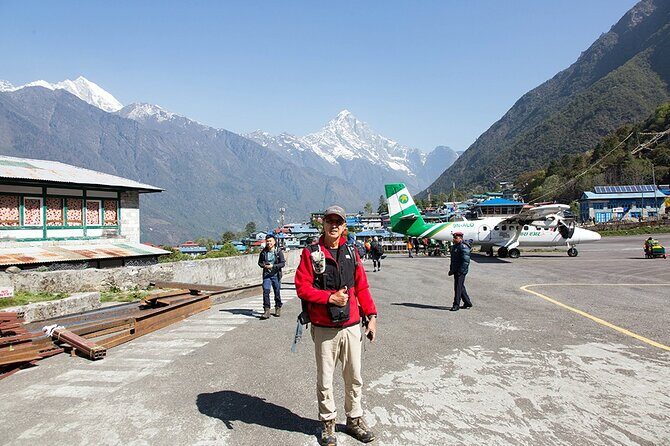
The itinerary is built around domestic flight tickets KTM–LUA–KTM and includes airport transfers on both ends. That’s a big value piece because the Everest region is one of those places where flights can make or break your schedule.
Weather is the main variable. The experience is explicitly described as requiring good conditions, which means you should expect that the plan can shift if skies don’t cooperate. The good news: the operator’s approach is described as attentive—people talked about efforts to get direct flights between Kathmandu and Lukla, even when it’s difficult for the season.
Practical takeaway: plan to stay flexible in Kathmandu and pack like someone who might need to wait a day. At these elevations, your body also needs patience, so flexible days are not wasted days.
Phakding to Namche Bazaar: your first major altitude jump
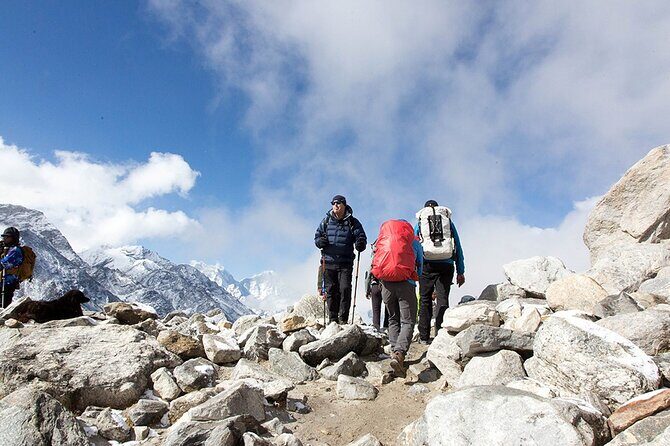
From the Lukla area, the trek moves toward Namche Bazaar via a classic route that starts with Phakding. Expect a hike of around 6 hours, with a maximum altitude around 3,438 m (11,280 ft). This is one of those “work, then recover” days where you’re building breathing control more than conquest.
Namche Bazaar is the key staging town for the Khumbu region. On this segment, you’ll explore local areas and villages around the route (including the Manjo village area mentioned in the plan). The point isn’t just scenery; it’s getting used to the Sherpa-world rhythm of tea houses, prayer flags, and that constant mountain awareness.
Namche Bazaar acclimatization day: the day that saves your summit story
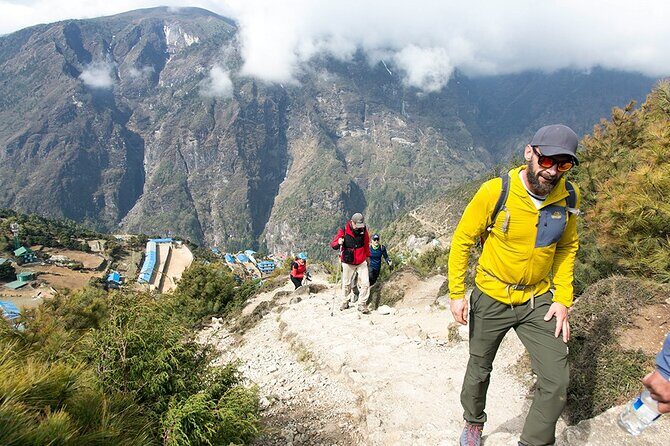
Day 4 is a dedicated acclimatization day in Namche Bazaar at about 3,438 m. That matters because jumping too fast is how hikers end up sick, frustrated, or forced to slow down later.
What I like here is that this plan doesn’t treat acclimatization as a vague concept. You’ll be guided on what to do and where to go, and then you’ll spend time absorbing the town. Namche is also where you can get a feel for local life, grab a bite, and notice how other hikers are handling the altitude.
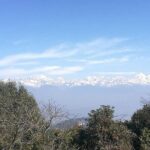
This is also where the itinerary includes a short excursion to an Everest View Point area within Sagarmatha (Everest) National Park. There’s a specific reference to Hotel Everest View, a property opened in 1971, known for wide views of the peaks. It’s a smart use of the day: you get big sightlines without turning acclimatization into a suffering contest.
Deboche: when forested lower Khumbu starts to feel different
After Namche, you trek to Deboche, a route of about 6 hours with a maximum elevation around 3,820 m (14,305 ft). This is part of how the Khumbu landscape changes as you gain altitude—air gets thinner, views sharpen, and the overall vibe becomes more “high mountain” than “village trekking.”
You’ll pass through scenery and settlements along the way, with time allocated to explore along the route. This kind of mid-level day is also where your guide’s pacing matters. If you go out too hot, the altitude will correct you. The structured approach people highlight in guide stories often shows up right here: slow enough to feel steady, fast enough to stay upbeat.
You can also read our reviews of more hiking tours in Kathmandu
Dingboche and another acclimatization day: steady climbing beats sprinting
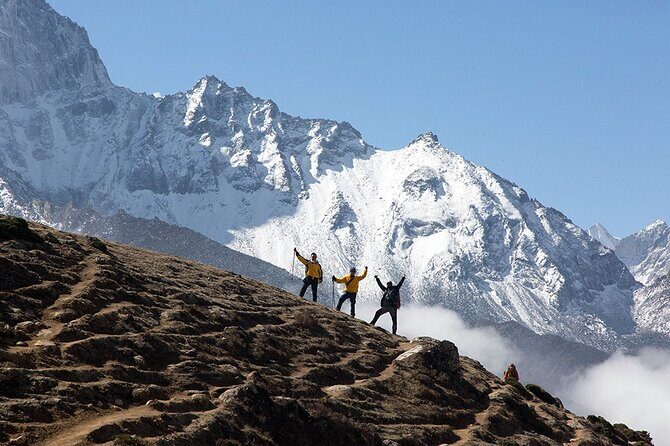
Day 6 takes you from Deboche to Dingboche, about 5 hours, topping around 4,360 m (14,305 ft). The plan includes passing the Lobuche river area, then continuing into a higher settlement zone. Dingboche is one of the best “feel the altitude” towns on the classic Everest route because you can look up and see what you’ll deal with soon.
Then you get a full acclimatization day in Dingboche (Day 7). The idea is to adjust your body before pushing higher toward Lobuche and Gorakshep. The plan states you’ll be guided on an acclimatization activity (the exact target is cut off in the details you provided, so I won’t pretend it’s a specific named peak). Still, the purpose is crystal clear: you’re not just resting; you’re training your altitude tolerance.
A smart habit you can use: treat this day like an equipment and energy day. Hydrate well, eat the meals that are offered, and don’t assume that “I feel okay” means “I’m ready.” This is where guides often save you from a mistake you can’t undo later.
Lobuche to Gorakshep: the approach toward the EBC bowl
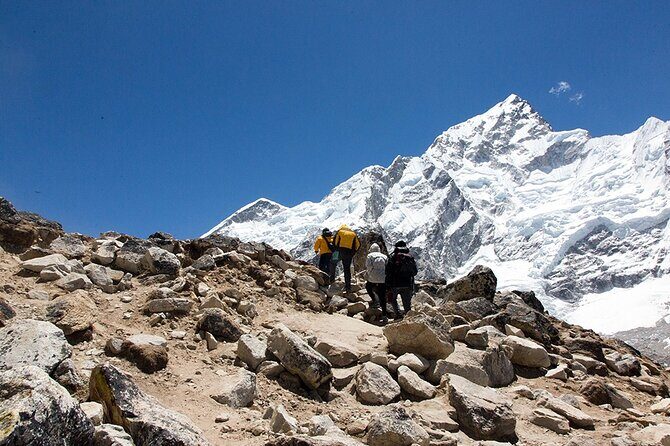
On Day 8, you trek from Dingboche to Lobuche in about 4–5 hours, reaching a maximum around 4,940 m (16,208 ft). The plan notes Lobuche’s proximity to the Khumbu Glacier, which helps you understand why the environment feels raw and high. The air is thinner, the views are larger, and the ground starts to feel more “final approach.”
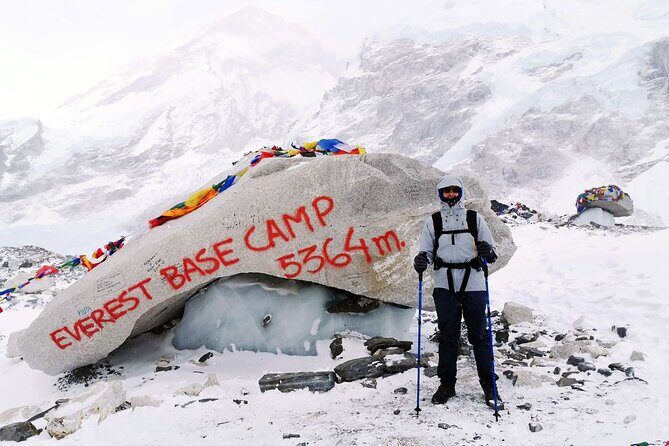
Day 9 is a big day: you trek from Lobuche to Gorakshep (about 5,164 m / 16,942 ft) and then continue to Everest Base Camp at 5,364 m (17,598 ft). The itinerary lists the EBC segment as about 1 hour in the plan details, which suggests it’s more about reaching the base area after getting your bearings near Gorakshep than a long multi-hour exploration.
What you should expect here is emotional. Everest Base Camp is busy compared with the lower trekking towns. But it’s still a powerful place: you’re inside Sagarmatha National Park, and you’ve climbed to the edge of the Everest world without needing technical climbing gear. It’s a trekking destination, not a mountaineering stunt.
Kala Patthar: the hard early hike with big rewards
Day 10 starts early, with a 3-hour round trip to Kala Patthar, via Gorakshep. The plan puts the maximum elevation around 5,545 m (18,193 ft)—higher than the base camp itself. This is often the day people remember most because it combines effort, thin air, and a view that makes the entire trek feel like it added up.
Kala Patthar is described as a notable landmark on the south ridge of the area you’ve been approaching. The practical tip is not “push harder,” because altitude takes payment in small installments. The smarter play is to keep a consistent pace and focus on breathing rhythm. If your guide is doing the attentive, systematic style people mention (Raj Tamang and Prakash get referenced with that kind of care), you’ll feel it in how they manage your speed and breaks.
The return: Namche Bazaar and Tengboche in reverse order
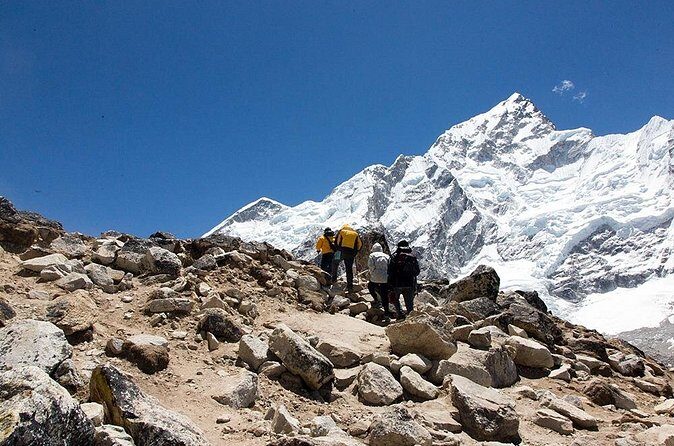
After Everest Base Camp and Kala Patthar, the route begins to unwind. Day 11 takes you from Pheriche through Tengboche to Namche Bazaar, about 6–7 hours. That reverse-direction day is often psychologically tougher than you expect because you’re not chasing altitude now—you’re chasing time and energy.
Tengboche gets a highlight mention in the plan, including Tengboche Monastery. This is where the trek becomes more cultural again. Monastery visits can feel quiet and grounding after days of glacier-adjacent terrain.
Once you reach Namche Bazaar, the itinerary includes downtime to enjoy local pubs and cafés and an overnight stay. That’s not just for fun. It’s recovery. You’ll be glad to have a proper evening routine after so many long days.
Namche to Lukla and back to Kathmandu: finishing like a pro
Day 12 is Namche Bazaar back down toward Lukla via Phakding, about 7–8 hours. Going downhill can be easier on the heart but tougher on knees. Your body will tell you if you’re pushing stride length too far.
Then you fly to Kathmandu on Day 13. The plan includes free time in the evening after you check into your hotel, which is useful if you want to decompress, do a bit of shopping, or simply enjoy a meal that doesn’t involve altitude tea-house logic.
On Day 14, you get a Trip Certificate and a final airport drop roughly 3 hours before departure. That small formal ending is surprisingly satisfying after weeks of routines that revolve around weather, pack weight, and pace.
Gear, guide support, and the value of not guessing
This is where the “private” part of your trip can actually help, not just market itself. You get an experienced trekking guide and a Sherpa porter, plus accommodations and airport transfers. The included support matters on Everest routes because it’s not only about walking; it’s about managing pace, timing, and daily decisions.
The package also includes essential gear: a down jacket, sleeping bag, and duffle bag, all described as returnable. That can be a major cost saver if you don’t already own cold-weather gear that’s truly ready for high-altitude nights.
People also talk about the guide role in practical, human terms: checking on well-being, offering systematic recommendations based on conditions, and keeping things organized end to end. Names like Raj Tamang, Raj, Pratip, and Prakash show up in different accounts, along with a manager named Ramesh being mentioned as attentive.
One more practical inclusion: you get trekking permits, national park fees, and a trekking map. Those details reduce admin stress and keep your days focused.
Price and what $1,650 actually buys you (and what it doesn’t)
At $1,650 per person, this package is priced to cover a lot of the big-ticket Everest essentials. Included items are substantial: domestic flights (KTM–LUA–KTM), permits/park fees, guide and Sherpa porter service, accommodations, and a large slice of meals (the plan lists 11 lunches, 12 dinners, and 13 breakfasts).
So the value equation looks like this: you pay for logistics, professional support, and the mountain essentials up front. You aren’t left trying to price out a guide separately, scramble for permits, or chase cold-weather gear late in the game.
What costs extra:
- Nepal visa
- Travel insurance (described as compulsory)
- Personal expenses
- Tips/gratitude for guide and porter
- Any unspecified meals
- A solo traveler surcharge (the plan lists one)
My advice: treat travel insurance as non-negotiable. This trek runs at high altitude and depends on weather. Insurance doesn’t make the mountain safer, but it helps protect your budget and planning if plans change.
Also, if you’re budgeting, don’t forget gratuities. The plan explicitly calls out gratitude for guide and porter as not included.
Fitness reality check: moderate fitness, serious altitude
The plan calls for moderate physical fitness. That’s believable, but altitude is its own opponent. The itinerary’s design—with acclimatization days in Namche and Dingboche, and a climb that steps up gradually—helps. Still, you should arrive prepared to hike for multiple days with long stretches and thin-air breathing.
The best strategy is consistency: sleep, hydrate, eat, move slowly, and follow your guide’s pace. Even a calm, organized route can turn exhausting if you treat altitude like it’s just distance.
If you’ve never hiked at altitude before, this is a good first Everest-class experience because the itinerary includes the key breathing-space days. If you have health limitations, you’ll want to review them carefully with a medical professional before committing.
Who should book this private Everest Base Camp trek?
This is a strong fit if you want the classic Everest Base Camp route with a structured acclimatization plan and a higher level of organization. It also fits people who appreciate a guide and porter partnership where decisions are handled for you each day.
It may not be the best match if you:
- Can’t be flexible about weather and possible schedule adjustments tied to flights
- Hate the idea of high-altitude trekking (you should be honest about this early)
- Are trying to keep costs ultra-low by skipping gear and support
If you want a private experience where logistics are handled, while still following a route that respects the mountains, this one makes sense.
Should you book this Kathmandu to Everest Base Camp trek?
I’d book it if you want a classic, well-paced Everest Base Camp itinerary with included flights, permits, core cold-weather gear, and real guide support. The price is reasonable for what’s included, especially if you’d otherwise have to buy gear, hunt down permits, and arrange flights on your own.
You should pause before booking if you can’t handle weather uncertainty or you’re not ready for altitude. A good trip plan won’t erase altitude, but it can help you manage it—and this itinerary is built around acclimatization as a real part of the schedule, not a marketing line.
If you’re aiming for the Everest Base Camp experience with less headache and more mountain time, this package is a solid choice.
FAQ
What is the duration of the Everest Base Camp trek from Kathmandu?
The trek is listed as 14 days (approx.), starting in Kathmandu and finishing back in Kathmandu.
Does the price include flights to Lukla and back?
Yes. The package includes domestic flight tickets for KTM–LUA–KTM.
What trekking gear is included?
The included equipment includes a down jacket, sleeping bag, and duffle bag (all described as returnable necessary equipment).
Are permits and national park fees included?
Yes. The package includes necessary trekking permits and national park fees.
Is travel insurance included?
No. Travel insurance is described as compulsory, but it’s listed as not included.
Is this trek private?
Yes. It’s listed as a private tour/activity, meaning only your group will participate.
What can cause the experience to be canceled?
The experience requires good weather. If it’s canceled due to poor weather, you’ll be offered a different date or a full refund, and free cancellation is allowed up to 24 hours in advance for a full refund.