REVIEW · KATHMANDU
Kathmandu: 7 UNESCO World Heritage Private Day Tour with Lunch.
Book on Viator →Operated by Travel with Ram · Bookable on Viator
Kathmandu can feel like a blur of temples and streets. This 7 UNESCO sites private day tour is built to help you cover the classics in about 8 hours, with a real local guide telling the stories behind the stones. I like that it mixes major squares and stupas with the softer, more spiritual stops that most shortcut tours skip, and I also like the convenience of pickup and drop-off plus air-conditioned private transport.
My favorite part is the human layer: the tour is led by Ram, a licensed local guide with 20+ years in Nepal tourism. He’s known for matching the pace of the group and paying attention to the small details that turn checkboxes into context.
One thing to consider: seven sites in a single day means each stop is time-boxed. If you want a slow, long wander in just one or two places, this itinerary may feel a bit tight.
In This Review
- Key highlights worth your attention
- Seven UNESCO sites in one day: smart for time, demanding for patience
- Ram the guide: why “private” feels different with the right person
- Private pickup, air-conditioned transport, and mobile tickets: the logistics you feel
- Lunch built for a temple day: what you get and why it helps
- Stop-by-stop: what each UNESCO site visit feels like
- 1) Kathmandu Durbar Square (Hanuman Dhoka) — about 1 hour
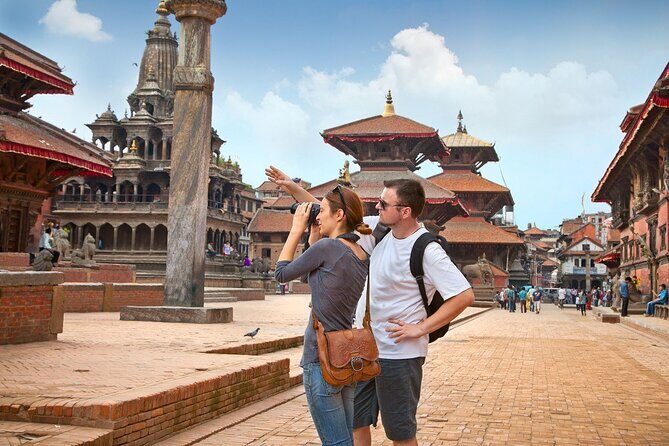
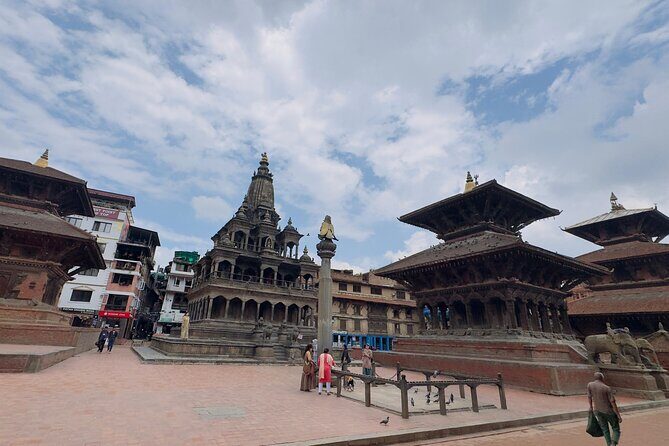
- 2) Patan Durbar Square — about 1 hour
- 3) Swayambhunath (Monkey Temple) — about 1 hour
- 4) Bhaktapur Durbar Square — about 2 hours
- 5) Boudhanath Stupa — about 1 hour
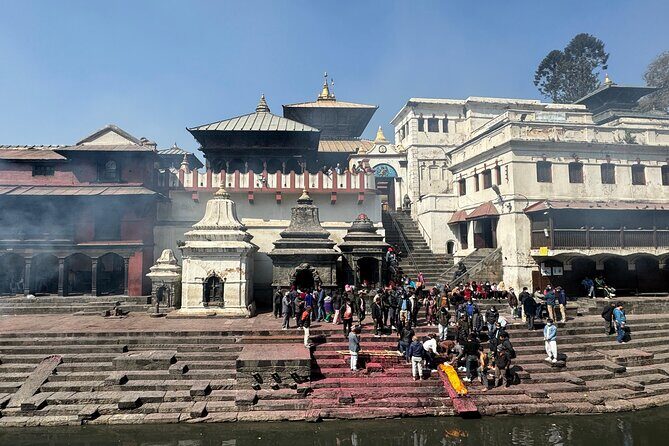
- 6) Pashupatinath Temple — about 1 hour
- 7) Changu Narayan Temple — about 40 minutes
- Entrance fees and the all-inclusive choice
- Value check: what the $10 per person setup is really doing
- Who should book this tour (and who should skip it)
- Should you book this Kathmandu UNESCO day tour?
- FAQ
- What is the duration of the Kathmandu UNESCO private day tour?
- Are pickup and drop-off included?
- Is the tour private or shared?
- What food is included with the tour?
- Are entrance fees included?
- What sites are included in the itinerary?
- Does the tour have an English-speaking guide?
- Is free cancellation available?
Key highlights worth your attention
- Ram’s local storytelling: licensed guide with 20+ years, focused on culture and spirituality, not just dates.
- Private, air-conditioned vehicle: you’re not sharing transport with strangers on a long day.
- Lunch that keeps you moving: box lunch includes bottled water, muffin, croson, fruits, and juice.
- Seven UNESCO stops, one route: Durbar Squares, two major Buddhist stupas, and top Hindu temple sites.
- Two ways to handle entrances: base tour doesn’t include admission, but the all-inclusive option can.
Seven UNESCO sites in one day: smart for time, demanding for patience
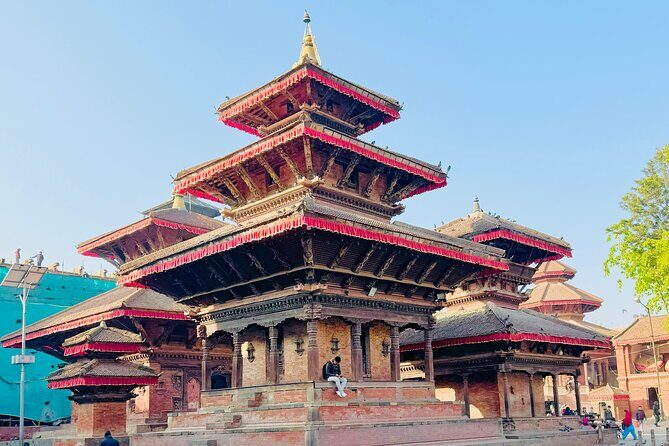
This is the kind of day tour you book when Kathmandu is on a clock. You get a packed circuit of the Kathmandu Valley’s most recognized UNESCO sites—royal palace complexes, major stupa worship areas, and major temple grounds—without needing to coordinate taxis, drivers, and separate guide arrangements.
The upside is obvious: you see a lot of Kathmandu Valley’s “greatest hits” in one day. The built-in structure matters, too. With only about 8 hours total, the private logistics reduce the time you’d lose figuring out routes and timing between scattered UNESCO locations.
The tradeoff is also real. With time capped at roughly 40 minutes to 2 hours per stop (depending on the site), you’ll be switching between locations frequently. That’s great if you like momentum. It’s less great if you tend to linger, shop slowly, or want lots of photo time without moving on.
You can also read our reviews of more private tours in Kathmandu

Ram the guide: why “private” feels different with the right person
The tour’s guide is Ram, described as a passionate, experienced, and licensed local. That matters because Kathmandu’s UNESCO sites aren’t just architecture. They’re living religious places and former centers of royal power, and the details can be easy to miss if you’re only looking at what’s in front of you.
The practical benefit of a guide like this is pace control. One group experience specifically called out that Ram responds to how fast you want to move—especially helpful when you don’t want the day to drag. Another key theme was attention to detail: the kinds of small clarifications that make a site feel less like a photo op and more like a place with meaning.
If you’re on your first visit, a guide also helps you “read” the city. Even if you’re not an expert on Nepal’s history, you’ll usually get a clean thread connecting what you’re seeing—palace squares, Buddhist stupas, and Hindu temple traditions—so the day doesn’t feel like a random series of stops.
Private pickup, air-conditioned transport, and mobile tickets: the logistics you feel
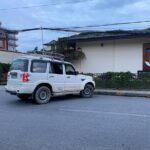
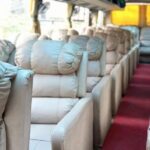
Kathmandu driving can be… exciting. The tour’s included air-conditioned private transportation is a big comfort win, especially for a full-day itinerary. It’s also simply easier for most visitors: you get picked up and dropped off at your hotel by private vehicle, so you’re not hunting meeting points all morning.
You also get a mobile ticket, which can reduce friction on the day itself. And because this is a private tour/activity, only your group participates. That usually means you can ask questions without competing for the guide’s attention.
One more value point: the tour notes group discounts. If you’re traveling with friends or family, it’s worth asking how the discount works for your group size. Even without that, private transport is often the part that saves you the most stress and time when you’re trying to fit a lot into one day.
Lunch built for a temple day: what you get and why it helps
This tour includes a box lunch, which is rare enough in day tours that it’s worth spotlighting. You get water (1 liter of bottled water), a muffin, croson, fruits, and juice.
That matters because some UNESCO stops are temples and stupas, where you don’t want to be scrambling for food. Having something packaged and ready keeps your energy steady, especially with limited time per site. It’s not a fine-dining lunch, and that’s fine. The goal here is to keep the day moving.
There’s also an all-inclusive option that includes food, entrance fees, and a Nepali Traditional Thali set. If you hate waiting in ticket lines or you just want one price to worry about, the all-inclusive route can make the day feel smoother.
Stop-by-stop: what each UNESCO site visit feels like
Here’s how the day flows, and what each stop contributes to the bigger Kathmandu picture. Note: for each listed UNESCO stop, the itinerary indicates admission tickets are not included in the standard setup.
You can also read our reviews of more historical tours in Kathmandu
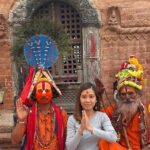
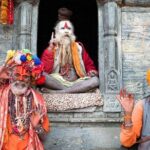
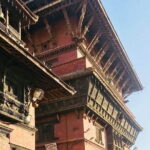
1) Kathmandu Durbar Square (Hanuman Dhoka) — about 1 hour
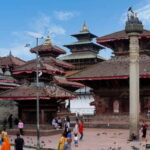
Kathmandu Durbar Square, also known as Hanuman Dhoka, is a historic royal palace complex and a UNESCO World Heritage Site. It was once the residence of Malla and Shah kings, so it’s not just a pretty square. It’s a window into the city as a former seat of power.
With about one hour, you’ll likely focus on the main palace-square highlights rather than an endless walk. The benefit of a time box here is that it keeps the day moving toward other major UNESCO sites. The drawback is you’ll want to return later if you want deeper exploration.
2) Patan Durbar Square — about 1 hour
Next is Patan Durbar Square in Lalitpur. This UNESCO site is described as a showcase of Newari art and architecture, and it was once the royal palace of the Malla kings. If you’re interested in craftsmanship and the way royal centers expressed culture through buildings, Patan is a strong contrast to the Kathmandu square.
Expect another focused visit at about one hour. It’s enough time to appreciate the layout and key works, especially with a guide translating what you’re seeing.
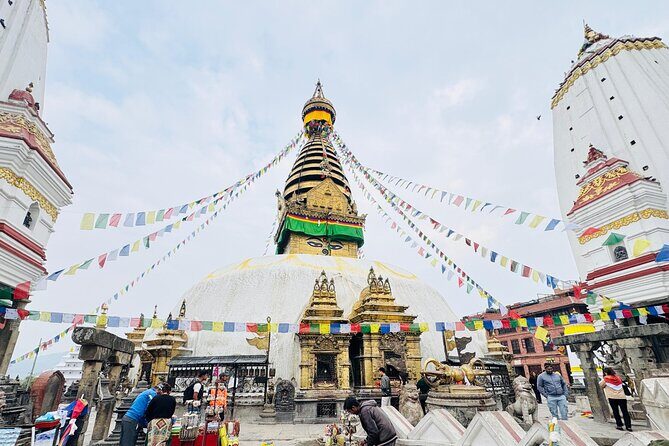
3) Swayambhunath (Monkey Temple) — about 1 hour
Swayambhunath, also called the Monkey Temple, is an old and sacred Buddhist site. Perched atop a hill, it offers panoramic views of the valley, which is one reason this stop is so popular.
This is the kind of location where time feels shorter than you think because the view pulls you in. With roughly one hour, you’ll get the main viewpoint experience and the core temple/stupa atmosphere, but it won’t be a long, slow climb.
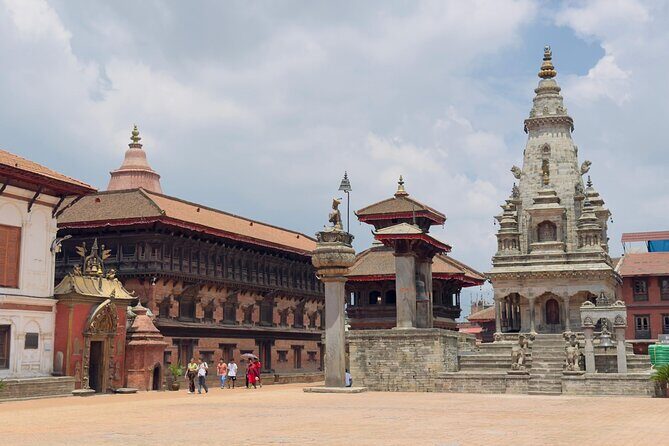
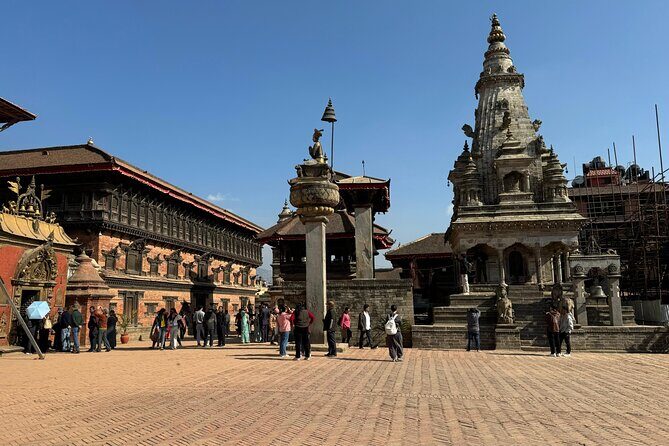
4) Bhaktapur Durbar Square — about 2 hours
Bhaktapur’s Durbar Square gets the most time: about two hours. It’s described as a beautifully preserved UNESCO site showing the culture, art, and architecture of the Newar civilization.
This longer slot makes sense because Bhaktapur often rewards lingering. If you find yourself wanting deeper detail and more time for photos and impressions, this is likely the stop where you feel the least rushed.
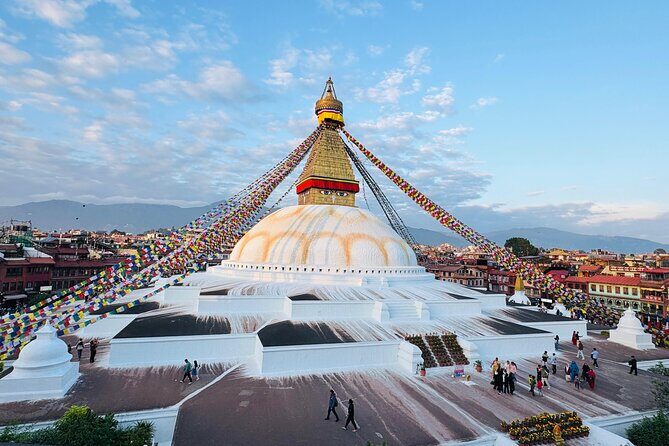
5) Boudhanath Stupa — about 1 hour
Boudhanath Stupa is one of the largest and most sacred Buddhist stupas in the world. It’s known for its massive white dome topped with golden elements, and it’s a UNESCO site that functions as a major spiritual center.
With about one hour, you can experience the scale and atmosphere without turning the day into a full half-day. This is also a great “reset” stop. After Durbar Square detail work, Boudhanath lets your brain shift from architecture to religious rhythm.
6) Pashupatinath Temple — about 1 hour
Pashupatinath Temple sits on the Bagmati River and is described as one of the holiest Hindu temples dedicated to Lord Shiva. It’s also noted for drawing thousands of pilgrims.
A one-hour visit can feel like a lot because the site has constant human energy. You’ll want to stay aware of the space as a functioning religious place, not just a sight. The guide helps by pointing out what matters and how to interpret the different areas you pass through.
7) Changu Narayan Temple — about 40 minutes
Finally, Changu Narayan Temple is on a hill above the Mandayi canyon and can be seen from Bhaktapur. The temple is described as one of Nepal’s ancient sacred Hindu temples and dedicated to Narayan.
This is the shortest stop at about 40 minutes, which is enough for a meaningful look and context, especially at the end of a full day. If you end up feeling stretched, this final stop is a good “finish strong” moment rather than your chance to go wide.
Entrance fees and the all-inclusive choice
The itinerary lists admission tickets not included for every UNESCO stop on the main routing. That doesn’t mean you’re stuck. It means you should expect to pay entrance fees separately unless you choose the all-inclusive option.
So how do you choose?
- If you like flexibility and want to pay as you go, the base option can work fine.
- If you’d rather simplify and avoid any add-on surprises, the all-inclusive option is built for that. It includes food, entrance fees, and a Nepali traditional thali set.
My practical take: if you’re a first-time visitor who doesn’t want to manage multiple tickets in a long day, the all-inclusive route usually feels less stressful.
Value check: what the $10 per person setup is really doing
The headline price is $10.00 per person, and the tour includes several things that matter most on a day like this: a licensed English-speaking city guide, air-conditioned private transportation, and pickup and drop-off from your hotel. You also get the box lunch.
Even if you only care about one or two of the UNESCO sites personally, the value comes from combining:
- Transport that handles the long route efficiently
- Guide time that ties the sites together
- Food that keeps your energy up
In other words, you’re not just buying entry into monuments. You’re buying organization, timing, and interpretation—things that are hard to DIY when you’re trying to cover seven UNESCO locations in a single day.
Who should book this tour (and who should skip it)
This tour is a strong fit if:
- You have limited time in Kathmandu and want a one-day UNESCO circuit.
- You like a plan, with enough freedom for the guide to adjust to how fast your group moves.
- You want a private setup so questions are easy and the day feels personal.
Skip it or consider a lighter plan if:
- You dislike rushed itineraries and prefer slow wandering.
- You only want to focus on one area and go deep without moving on.
- You’re trying to avoid any ticket payments, and you haven’t planned for entrance fees unless you choose all-inclusive.
Should you book this Kathmandu UNESCO day tour?
I’d book it if you’re the type who wants to see the main UNESCO highlights without turning your day into logistics. The combination of Ram’s licensed guidance, private air-conditioned transport, and a lunch you can actually eat on a temple schedule makes this a practical way to use limited days.
Choose the all-inclusive option if you want fewer decisions during the day and a more straightforward experience, especially since admission tickets are listed as not included for the UNESCO stops in the standard setup.
If your ideal Kathmandu trip is slow and reflective, then you might do better with fewer sites and more time. But for a focused one-day “see it all” mission, this tour is built for exactly that.
FAQ
What is the duration of the Kathmandu UNESCO private day tour?
It runs for about 8 hours (approximately).
Are pickup and drop-off included?
Yes. The tour includes pickup from and drop-off at your hotel by private vehicle.
Is the tour private or shared?
It’s private, so only your group participates.
What food is included with the tour?
The tour includes a box lunch with water (1 liter bottled water), a muffin, croson, fruits, and juice. An all-inclusive option can include additional food and a Nepali traditional thali set.
Are entrance fees included?
In the standard setup, admission tickets are listed as not included for the UNESCO stops. The all-inclusive option includes entrance fees.
What sites are included in the itinerary?
The tour covers Kathmandu Durbar Square, Patan Durbar Square, Swayambhunath, Bhaktapur Durbar Square, Boudhanath Stupa, Pashupatinath Temple, and Changu Narayan Temple.
Does the tour have an English-speaking guide?
Yes. An English speaking professional city tour guide is included.
Is free cancellation available?
Yes. You can cancel up to 24 hours in advance for a full refund. Canceling less than 24 hours before the start time is not refunded.