REVIEW · KATHMANDU
Kathmandu Food Tour
Book on Viator →Operated by Queermandu | Gay Tours Nepal · Bookable on Viator
Food plus temples is a smart combo. This Kathmandu Food Tour strings together classic bites like Yomari and Bara with landmark time in areas such as Asan and Basantapur, so you get both flavor and context in one 3-hour walk. I especially like the way the tour pairs hands-on eating with story time, and the food choices feel very Nepal-first, not tourist-afterthought.
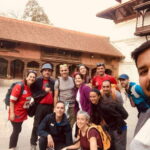
I also like the small-group feel, plus the fact you’re guided by an English-speaking tour guide with a Nepali-speaking guide supporting along the way. One thing to note: admission isn’t included, and the tour listings also say an admission ticket is not included for at least one part, so you may want a little extra budget for any ticket costs and taxes that come up.
In This Review
- Key highlights you should care about
- How a 3-hour Kathmandu food walk fits real life
- Asan market: where your stomach meets Kathmandu
- Basantapur Durbar Square: eating near Newar architecture
- Thamel: the easiest place to keep eating after the tour
- The snacks and flavors I’d plan around
- Guides, small groups, and the value of a good storyteller
- Price and logistics: is $32 a fair deal?
- What you should expect on the day
- Practical tips so you enjoy every bite
- Should you book the Kathmandu Food Tour?
- FAQ
- How long is the Kathmandu Food Tour?
- How much does the tour cost?
- Is pickup offered?
- Is a mobile ticket used?
- Are the tasting snacks included?
- Do I need to pay for admission tickets?
- What language will the guide speak?
- How big is the group?
- What’s the cancellation policy?
- FAQ
- When does the tour run?
- Is the tour suitable for most travelers?
- Are service animals allowed?
Key highlights you should care about

- Asan market food walking: a focused route through Kathmandu’s everyday eating scene
- Signature snacks in mind: Bara lentil pancakes, Yomari with molasses filling, and spicy Tibetan Laphing noodles
- Temple-area breaks: you pair meals with time around major heritage areas like Basantapur Durbar Square
- Tasty guidance, not just facts: the guide finds good spots and shares history plus personal perspective
- Small group size: capped at 15 people, which helps keep your pacing comfortable
- Simple comforts included: snacks, bottled water, pickup (if offered), and a mobile ticket
How a 3-hour Kathmandu food walk fits real life
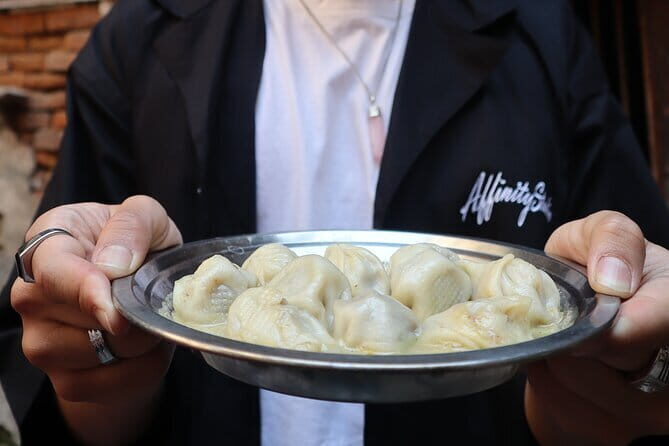
Kathmandu can feel like information overload on day one. This tour is built to slow that down: you move on foot through the parts of the city that actually shape daily life, and you stop to eat along the way. That mix matters because food in Kathmandu is not separate from culture. It’s part of the street scene, the market rhythm, and the way people gather around landmarks.
You’ll get a “taste then look” flow. Eat a bite, then you glance up and notice what surrounds it—architecture, courtyards, the atmosphere of markets, and the big heritage sites near Basantapur. It’s a practical way to get your bearings fast.
The other reason I like the 3-hour format is that it’s long enough to feel like a mini-adventure, but short enough that you won’t feel locked into a half-day plan. It also suits an itinerary where you want to save the rest of your time for slower wandering later.
You can also read our reviews of more food & drink experiences in Kathmandu
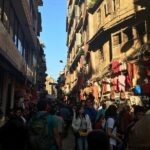
Asan market: where your stomach meets Kathmandu
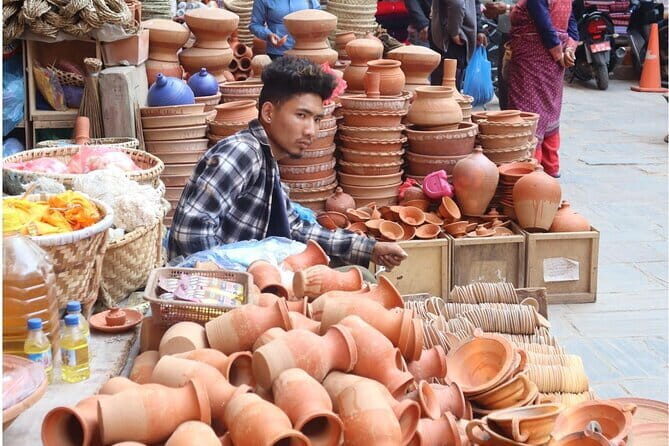
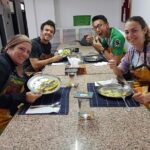
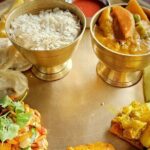
Asan is the kind of place where you can feel the city through sound and motion. This part of the tour centers on Kathmandu’s culinary scene, and it’s set up with multiple food stops for tasting during the walk. You can expect several small samples rather than one big meal, which is ideal for trying different flavors without getting stuffed too early.
Why this stop is worth your time: it’s the practical lesson in how Kathmandu eats. Markets are where you see what’s being prepared, what people buy for right now, and what flavors show up again and again. That makes your later snacks taste more meaningful, because you’re already reading the city’s food logic.
A few things to keep in mind as you go:
- Go with a light appetite. Snacks mean you’ll want room for round two and three.
- Expect real street-food energy. If you’re sensitive to strong smells or spice, pace yourself and use the bottled water.
- If you’re a spice lover, ask your guide what to order in the moment. The tour’s lineup includes spicy options like Laphing noodles, so you’ll likely get some heat.
Basantapur Durbar Square: eating near Newar architecture
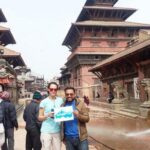
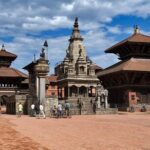
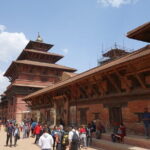
From the market energy, you shift into a heritage zone. Basantapur Durbar Square sits in central Kathmandu and is a UNESCO World Heritage Site. It’s known for intricate Newar architecture, and you’ll also be in the orbit of Hanuman Dhoka Durbar Square, which is famous in the same area.
What makes this stop smart for a food tour is the pause it creates. After tasting in a crowded food area, it’s refreshing to stand somewhere with clear architectural detail and take in the layout of the space. You get a better sense of why these old palace areas matter to Kathmandu’s identity—and why food stalls and market streets grew up around social life.
There’s also a practical catch: the tour information notes admission is not included, and listings explicitly say an admission ticket is not included for at least one stop. That means you should expect that you may need to pay for any entry ticket that applies while you’re near major sights. If you’re traveling on a tight budget, keep that in mind early so it doesn’t surprise you.
Thamel: the easiest place to keep eating after the tour
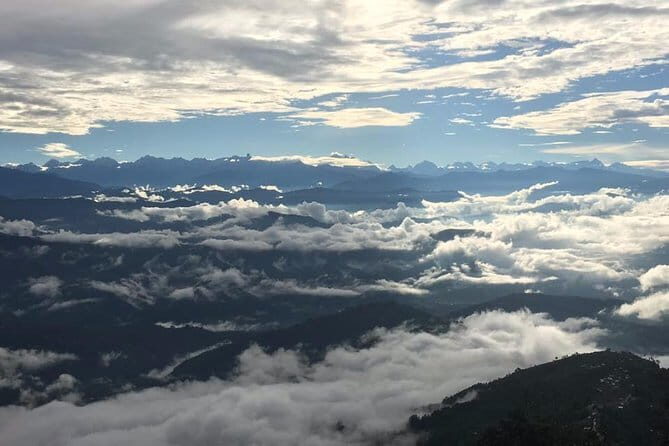
Thamel is Kathmandu’s go-to hub for shops, eateries, and everyday commerce. This stop rounds out the experience in an area where you can keep your momentum going—whether that means grabbing a second snack, browsing local stores, or simply watching how people move through the neighborhood.
I like Thamel as a finish for two reasons. First, it’s easy to return to once you’re done. Second, it gives you a chance to connect what you learned on the tour to what you’ll see later: the same kinds of snack culture show up again, just with more choice.
One consideration: Thamel can be more about shopping and scene than heritage detail. If you came for temples and architecture, enjoy the Thamel portion as a food-and-street wrap-up rather than expecting it to replace the Basantapur atmosphere.
The snacks and flavors I’d plan around
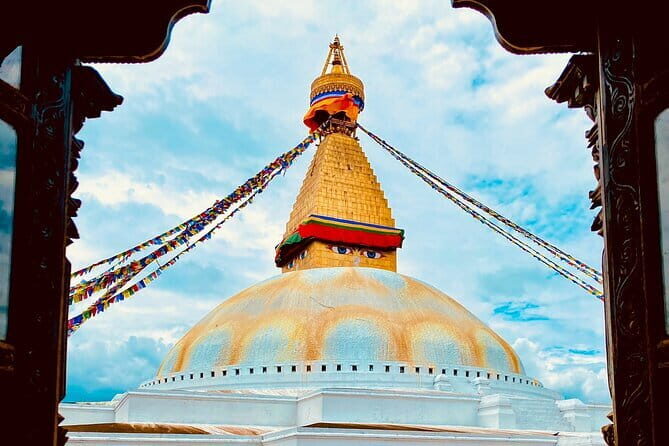
This tour is built around specific Nepali and Tibetan-inspired classics. Knowing what’s likely on your tasting menu helps you decide if this is the right kind of food tour for you.
Here’s what the tour is designed to showcase:
- Bara lentil pancakes: savory, filling, and a great starting point because lentils make the flavor feel grounded rather than just spicy.
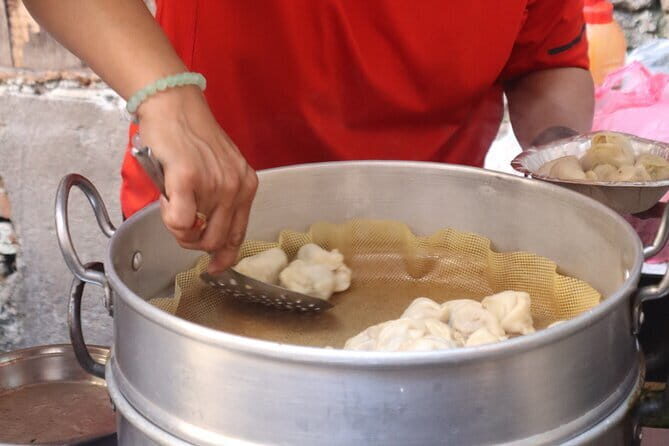
- Yomari: fig-shaped pastries filled with molasses, which adds sweetness and depth. This one is memorable because it’s not the typical cookie-sweet. It feels like a seasonal-style snack translated into street food.
- Laphing noodles: Tibetan-style noodles with serious flavor and spice. If you love heat, this is one of the highlights to anticipate.
- Chilly chicken momos: at least one review calls out chilly chicken momos as a personal favorite. Momos are Nepal comfort food, so this fits the tour theme perfectly.
How to get the most out of these tastings: treat them like a sequence, not separate meals. Take a small bite, then water, then another bite. If you’re trying Yomari and spicy noodles on the same tour window, your palate will shift quickly—your taste buds will thank you for pacing.
Also, this is a guided experience, not a free-for-all. If you have dietary restrictions or you’re unsure about a dish, ask your English-speaking guide what each item is before you commit. The tour is focused on real local flavors, so it’s better to know what you’re choosing than to guess.
You can also read our reviews of more tours and experiences in Kathmandu

Guides, small groups, and the value of a good storyteller
The guide experience is a big part of why this tour earns top marks. One review praises a guide who can spot excellent spots around the city while sharing history behind what you’re seeing, plus his own perspective. Another mentions doing the tour twice, which is a great sign: it usually means the route and explanations didn’t feel one-note.
Even more helpful is the guide setup. You’ll have an English-speaking tour guide, and the tour also lists a Nepali-speaking tour guide. That pairing suggests smoother communication and a better on-the-ground flow, especially when you’re moving through market areas and sightseeing zones.
The group size is capped at 15. In practical terms, that means you’re not stuck waiting while everyone takes selfies in the same narrow lane. It also tends to make it easier to ask questions about the food as you walk.
Pickup is listed as offered, plus you get a mobile ticket. Those small details matter because they reduce stress—especially if you’re still figuring out Kathmandu logistics.
Price and logistics: is $32 a fair deal?
At $32 per person for about 3 hours, this tour sits in a budget-friendly zone for a guided walking experience in a major city. What makes the price feel more reasonable is what’s included:
- snacks for tastings
- bottled water
- an English-speaking guide and Nepali-speaking guide support
- pickup offered (depending on your arrangements)
- mobile ticket
So you’re paying for guidance and structured tasting time, not just for walking past food stalls.
The main financial consideration is what’s not included. The tour data says all fees and taxes are not included, and admission tickets are also not included for at least one part of the route. If you end up paying for entry during a heritage stop, your final cost will be higher than the headline price.
My practical advice: treat the $32 as the base price for the guided food walk, and keep a small buffer for any admission-related costs that appear during the sightseeing portions.
What you should expect on the day
This is a walking-and-stopping tour. Expect a steady rhythm: walk a short stretch, stop to taste, then continue. That style works well when you want culture without long transit breaks.
Timing-wise, plan for roughly 3 hours. Also, the listed operating hours show Monday availability from 8:00 AM to 4:00 PM. If you’re aiming for a specific time window, confirm your exact departure when booking so you’re not guessing.
Asan, Basantapur Durbar Square, and Thamel are all part of Kathmandu’s core areas. That means you’ll likely see the city’s texture up close: market life, heritage architecture, and street commerce in the same half-day.
The tour is designed for most travelers, and service animals are allowed, which makes it more broadly workable than some strict walking experiences.
Practical tips so you enjoy every bite
A food tour lives or dies on details. These tips help you get more enjoyment from less effort:
- Wear comfortable walking shoes. You’ll be on foot most of the time.
- Bring an extra small amount of cash or payment method for admission or any additional fees that show up, since not all tickets are included.
- Pace yourself with water. Bottled water is included, so use it.
- If you have spice sensitivity, tell your guide early. The tour includes spicy items like Laphing noodles, so you’ll want control over your comfort level.
- Keep your mobile ticket ready for scanning, so you can move quickly when you arrive.
If you do those things, you’ll spend less time dealing with logistics and more time paying attention to what’s in front of you: food, architecture, and the way the city actually functions.
Should you book the Kathmandu Food Tour?
I’d book this tour if you want a guided way to taste key Nepali snacks and also see major areas like Asan and Basantapur without turning your day into a long, complicated route plan. The strongest reasons are the food lineup and the guide storytelling, especially the way the guide connects what you’re eating to what you’re seeing.
I’d think twice if you dislike spicy food, you’re not comfortable walking in crowded areas, or you’re very budget-tight and can’t add any possible admission fees. The tour is good value, but it’s not fully all-inclusive once you reach heritage entry points.
If your ideal Kathmandu day is part market snacks, part temple-area context, and part ending in a place where you can keep exploring on your own, this is a solid match.
FAQ
How long is the Kathmandu Food Tour?
The tour is about 3 hours.
How much does the tour cost?
It costs $32.00 per person.
Is pickup offered?
Yes, pickup is offered.
Is a mobile ticket used?
Yes, you’ll receive a mobile ticket.
Are the tasting snacks included?
Yes. Snacks are included, along with bottled water.
Do I need to pay for admission tickets?
Admission tickets are not included, and all fees and taxes are also not included.
What language will the guide speak?
The tour includes an English-speaking tour guide and also lists a Nepali-speaking tour guide.
How big is the group?
The tour has a maximum of 15 travelers.
What’s the cancellation policy?
You can cancel for a full refund if you cancel up to 24 hours in advance of the experience’s start time.
FAQ
When does the tour run?
The listed opening hours show Monday from 8:00 AM to 4:00 PM.
Is the tour suitable for most travelers?
The tour notes that most travelers can participate.
Are service animals allowed?
Yes, service animals are allowed.