REVIEW · KATHMANDU
Kathmandu Full Day Sightseeing Tour
Book on Viator →Operated by Happy Mountain Nepal · Bookable on Viator
Old streets, sacred sites, and quick stops. This Kathmandu tour is built for a satisfying day, moving you through UNESCO-listed Swayambhunath, Patan’s Malla-era heritage, and two heavyweight religious landmarks. What makes it feel worth your time is the tight pacing (about 5 to 6 hours) plus a guide who can explain what you’re actually seeing.
I especially like the combination of private transportation and an experienced guide. You get an air-conditioned vehicle, clear route order, and a guide who brings history and culture into focus—exactly the kind of context that turns photos into understanding. I also like that the company aims for sustainability, encouraging electric vehicles in Kathmandu Valley when possible.
One consideration: monument entrance fees are not included (NRP 2600 is listed), so you’ll want to budget for tickets on the stops that require them. Still, Swayambhunath is listed as free, which helps balance the cost.
In This Review
- Key highlights you’ll feel right away
- Why this Kathmandu loop makes sense in 5–6 hours
- Swayambhunath: UNESCO views and a fast, meaningful start
- Patan Durbar Square: Malla-era art, architecture, and power stories
- Pashupatinath Temple: Hindu worship, and what tourists can witness
- Boudhanath Stupa: the giant stupa experience in less time
- Price and logistics: what $5 per person really means
- Who this tour is for (and who should pick something else)
- Should you book the Kathmandu Full Day Sightseeing Tour?
- FAQ
- What’s included in the Kathmandu full day sightseeing tour?
- What monument costs are not included?
- How long is the tour?
- Is the tour private?
- Do you include pickup?
- Is free cancellation available?
Key highlights you’ll feel right away
- Private, customized day with only your group, not a crowded bus shuffle
- Experienced guiding that keeps the day interesting for hours, not just “look and go”
- UNESCO stop first at Swayambhunath, timed for views over Kathmandu Valley and the Himalayas
- Temple and cremation viewing context at Pashupatinath, where tourists can witness ceremonies
- Boudhanath’s giant stupa paired with nearby monasteries and market energy
- Electric-leaning transport approach plus air-conditioned comfort
Why this Kathmandu loop makes sense in 5–6 hours
Kathmandu can feel chaotic on your own. This tour solves that by doing the hard part for you: getting you between major sites with a driver experienced in local traffic and route navigation in the Kathmandu Valley. With pickup offered and a private vehicle, you don’t lose half the day figuring out where to start, how to time stops, or how to get back without wasting daylight.
The second reason I like this format is the pace. You’re not trying to “do everything in one day,” and the itinerary matches that. Swayambhunath gets a focused half-hour window, Patan Durbar Square is allowed a proper stretch, and then you move into Pashupatinath and Boudhanath with shorter, targeted visits. It’s the kind of schedule that works well if this is your first Kathmandu day—or if you’re trying to fit cultural stops around other plans.
You also get clarity on what costs what. The listed price is $5.00 per person, and it includes things like air-conditioned vehicle, experienced guide, and “all fees and taxes.” The big add-on is the monument entrance fees (NRP 2600), which are separate. That structure can be a good value because you’re not guessing how the money breaks down: you know what’s covered and what you’ll pay at the sites.
Lastly, the company positions itself around sustainability, saying it provides private & luxury transportation while encouraging electric vehicles and supporting sustainable tourism practices. Even if electric vehicles aren’t available for every minute of your day, the message matters: this isn’t a service pretending to be sustainable; it’s actively aiming in that direction.
You can also read our reviews of more tours and experiences in Kathmandu


Swayambhunath: UNESCO views and a fast, meaningful start
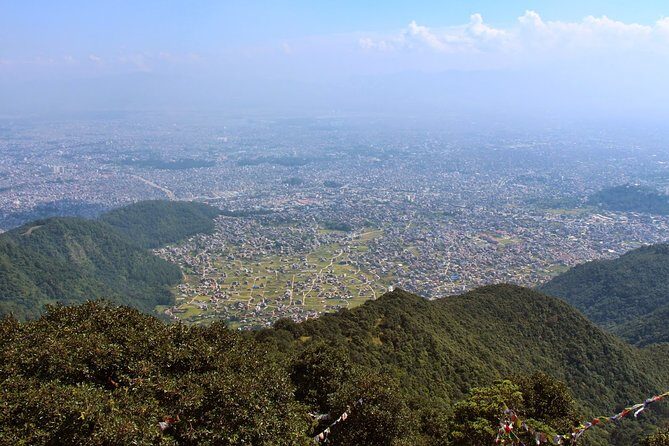
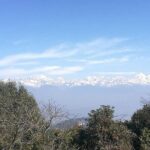
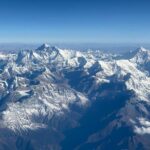
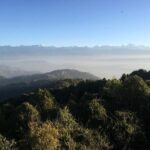
You begin at Swayambhunath, also spelled Swayambhunath/Swyambhunath in tour materials, a UNESCO site in the west part of Kathmandu. The reason this stop works as a start is simple: it gives you an instant orientation. The stupa complex sits above the city, overlooking Kathmandu Valley with views toward the Himalayas, so even before anyone explains anything, your brain starts mapping the city in space.
The itinerary gives you about 45 minutes, and it notes the area for its beautiful Buddhist stupa. You’re not rushed through a checklist. You can take time to look at the stupa setting, notice how the religious architecture dominates the hilltop, and get that “I’m in Kathmandu” sense of place. Even if you don’t memorize dates and names, the site communicates its importance fast.
Swayambhunath is also listed as admission ticket free. That’s not a small detail—on days like this, ticket costs can add up quickly, especially when multiple sites require separate entry. Starting with a free UNESCO stop helps keep the day feeling light on expenses.
One practical note: because this is a hilltop complex, you’ll likely deal with steps and uneven ground. The tour is private and guided, which helps you move efficiently, but it’s still wise to wear shoes that work for walking.
Patan Durbar Square: Malla-era art, architecture, and power stories
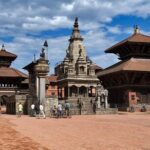
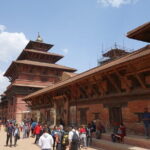
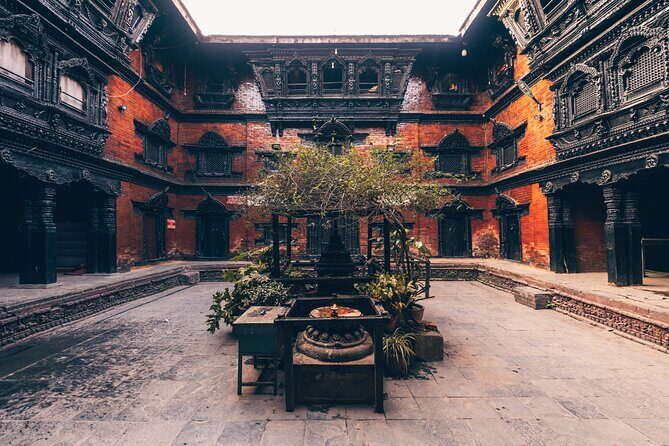
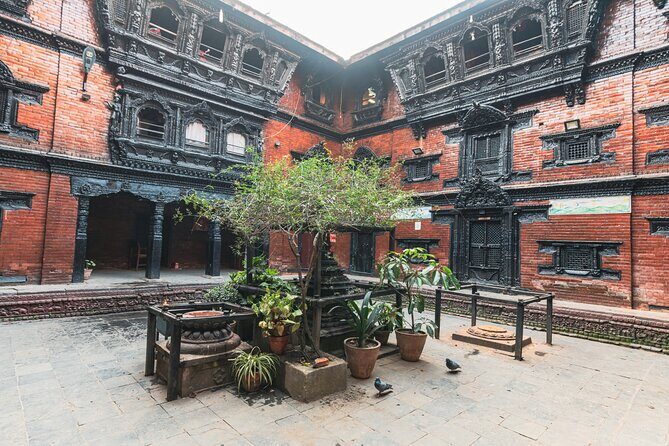
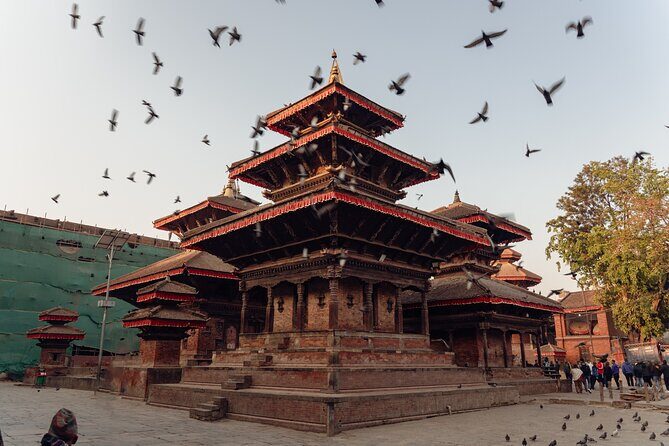
Next you’ll head to Patan Durbar Square, one of the three medieval city areas in Kathmandu Valley. The tour description frames it well: you’re there for art, culture, architecture, and history, tied to the ancient Malla kingdom. This is the kind of stop where a guide can make a huge difference. Without context, a durbar square can look like impressive stonework. With context, you start seeing how power, craft, and religious life shaped the city.
You’re scheduled for about 1 hour 5 minutes, and that’s a good length for this type of place. You’ll have time to slow down, watch how people move through the square, and notice details you might otherwise miss—ornamental stone, the way buildings relate to each other, and how the setting feels lived-in rather than museum-quiet.
A key point for your budget: Patan Durbar Square entrance fees are not included in the listed package. The tour materials don’t bury that in fine print, which I appreciate. Plan for the separate payment for monument access.
Possible drawback here is time pressure if you’re the sort of person who wants long wandering breaks. Patan Durbar Square is a place where you could spend much longer than an hour. But in exchange, you’re also visiting major sites later in the day, including a major Hindu temple and a famous Buddhist stupa.
If you want your day to feel balanced—history plus spiritual landmark, not just one theme—this stop hits the right middle.
Pashupatinath Temple: Hindu worship, and what tourists can witness
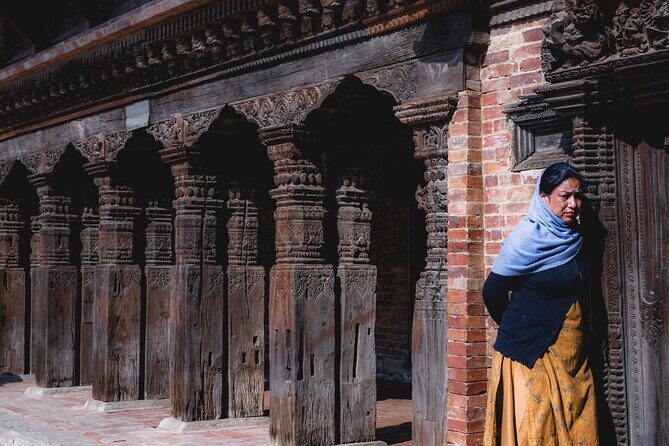
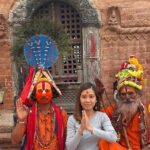
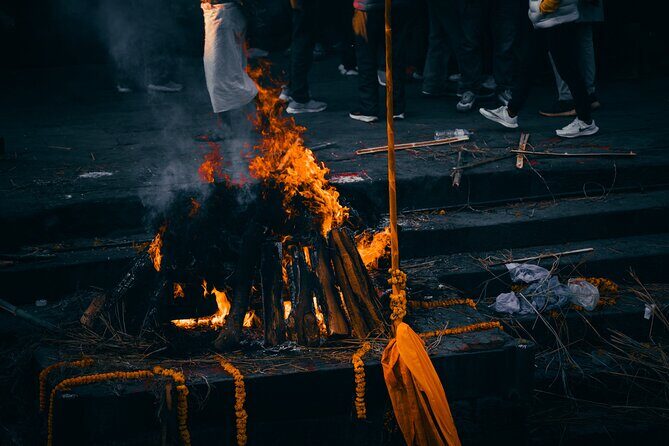
Then you shift to Pashupatinath Temple, one of Nepal’s most famous Hindu temple sites. The tour description is very clear about what you’ll see: the temple itself is allowed for Hindu people only, but tourists visit to witness the Hindu cremation ceremony. That makes this stop different from the others on the route. You’re not just looking at architecture—you’re seeing an important part of religious practice.
The scheduled time is about 1 hour, which works because it’s not only a viewing opportunity; it’s also a context opportunity. A good guide matters here because ceremonies and temple life carry deep meaning, and the tour can help you understand what you’re observing without turning it into a spectacle.
Like Patan, entrance fees are listed as not included for Pashupatinath. So factor that into your day’s spending.
A consideration: this is a place with strong religious purpose, so behavior and attention matter. You’ll likely want to be respectful and keep your focus on what’s happening around you. Even with a guide steering you, it helps if you’re ready for an emotionally serious atmosphere compared to the hilltop views at Swayambhunath.
When the tour is run well, this stop becomes one of the most memorable parts of Kathmandu—less about postcard shots, more about understanding how belief shows up in real life.
Boudhanath Stupa: the giant stupa experience in less time
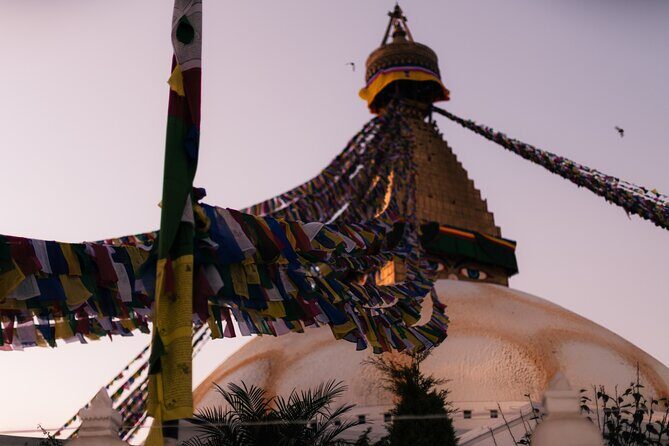
To close the loop, you visit Boudhanath Stupa, located on the eastern side of Kathmandu Valley. The description highlights it as one of the largest Buddhist stupas, and it also notes a “life changing experience” element. The tour materials add detail about the setting: the stupa is surrounded by market activity and monasteries, creating a scene where religious practice and daily street life sit side by side.
You’ll have about 35 minutes, which is short but not random. Boudhanath is visually powerful. If you’ve never seen a large Buddhist stupa in person, this is the kind of site that gives you an immediate sense of scale and symbolism. A guide also helps you read what you’re seeing—why the stupa layout matters, how the surrounding area supports the religious center, and what makes this place so significant for visitors.
Entrance fees for Boudhanath are also listed as not included. Still, the short timing helps you avoid the day dragging on. After Pashupatinath’s intensity, Boudhanath can feel like a different rhythm—more steady and ceremonial, with the hum of the nearby area.
Possible drawback: if you’re the type who wants time for slow wandering, the 35 minutes may feel like a taste rather than a meal. But in the framework of a 5–6 hour day that covers four major stops, this timing is exactly what keeps the schedule from collapsing.

Price and logistics: what $5 per person really means
The listed price is $5.00 per person, which sounds almost too low—so it’s worth looking carefully at what you’re actually paying for. According to the tour details, your price includes a lot of the moving parts that typically cost money in-city: pickup offered, private transportation, an air-conditioned vehicle, experienced tour guide, and all fees and taxes.
What’s not included is explicit: monument entrance fees (NRP 2600) and tips (expected). There’s also a note that mobile ticket is used, and that group discounts are available. There’s even a confirmation statement that you receive confirmation at booking time.
So what’s the value? You’re not just buying a ride—you’re buying a structured route, timing, and the ability to understand each site rather than standing in front of it with limited context. The reviews tied to this service strongly emphasize the guide experience. People mention guides such as Ray and Resham Raz, describing them as engaging, patient, and able to keep attention for long stretches. That kind of guiding is where low-cost tours often cut corners—but here, it sounds like it’s a key selling point.
There’s also a practical value in doing this privately. When it’s just your group, the pacing can match your energy. The tour materials even note customization and flexibility in how short-notice booking can still work smoothly, which is a real benefit in a city where plans can shift.
One more logistics note: the tour is listed as private, so you’re not sharing your vehicle or guide time with strangers. That can reduce stress and make it easier to ask questions at the exact right moment—especially helpful at a stop like Pashupatinath, where the meaning of what you’re seeing isn’t obvious at first glance.
Who this tour is for (and who should pick something else)
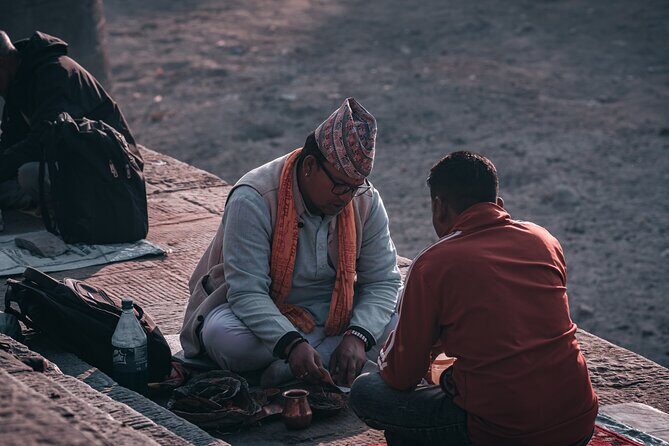
This tour is a smart fit if you want a first-day Kathmandu overview with major landmarks, and you don’t want to manage navigation or time planning on your own. If you like UNESCO sites, religious history, and city context more than long museum-style wandering, this route hits the sweet spot.
It also fits well if you care about comfort. The air-conditioned vehicle matters when Kathmandu weather is warm or when you’re moving between sites quickly. Plus, the company allows service animals and says most travelers can participate—useful if your group needs that accommodation.
If you’re the type who loves to linger for hours in a single place, you might find the schedule tighter than you’d prefer, especially at Patan Durbar Square and Boudhanath. And if you want only one religious theme, the day’s shift—from Buddhist UNESCO views to Hindu temple cremation viewing to Buddhist stupa atmosphere—might feel like a lot of emotional contrast in one stretch.
Should you book the Kathmandu Full Day Sightseeing Tour?
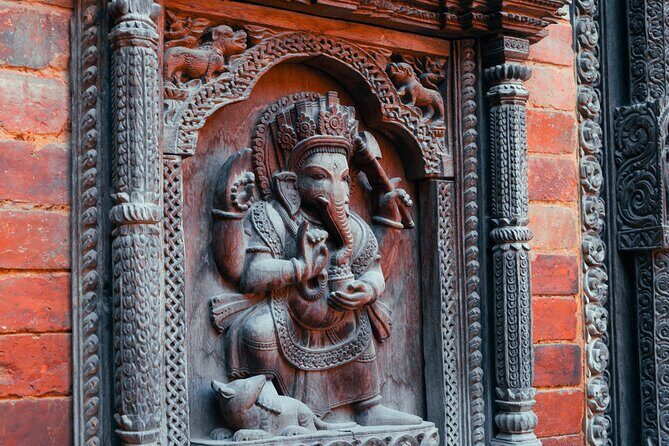
If you want a high-utility day—four big stops, organized timing, and a guide who can explain what you’re seeing—this is an easy yes. The value structure is clear: transport, guide, and core logistics are included, while monument fees are listed as a separate add-on. That transparency helps you plan, and you won’t get surprised mid-day.
I’d book it especially if you’re prioritizing UNESCO + major spiritual landmarks in one go, and you like learning from a local guide with deep cultural context. Names like Ray and Resham Raz show up in the service history, and the pattern is consistent: engaging guiding, patience, and a day that stays interesting for the full time window.
If your budget is tight and you can handle monument entrance fees (NRP 2600 is the stated figure), this tour makes financial sense. If you hate structured itineraries and prefer to roam alone for longer stretches, you may want a slower, single-neighborhood plan instead.
FAQ
What’s included in the Kathmandu full day sightseeing tour?
The tour includes an air-conditioned vehicle, all fees and taxes, an experienced tour guide, and private transportation.
What monument costs are not included?
Monument entrance fees are not included, listed as NRP 2600. Tips and gratitude are also expected.
How long is the tour?
The duration is approximately 5 to 6 hours.
Is the tour private?
Yes. It’s a private tour/activity, and only your group will participate.
Do you include pickup?
Pickup is offered.
Is free cancellation available?
Yes, you can cancel for a full refund up to 24 hours in advance of the experience start time.