REVIEW · KATHMANDU
Kathmandu: Momo Making Class with a Local Chef
Book on GetYourGuide →Operated by Epic Adventures Private Limited (EAPL) · Bookable on GetYourGuide
Momos are small work, big payoff. In Thamel, a 1-hour class at Nepal Cooking School teaches you to make dumplings from start to finish, using authentic momo-style ingredients and doing every step yourself. I like that it’s truly hands-on—you mix dough, build the filling, shape the dumplings, and then cook them.
One thing to keep in mind: it moves fast. In just an hour, you’ll learn the process and get a solid result, but you won’t become a momo-folding machine overnight.
In This Review
- Key things I’d watch for before you book
- Why a Kathmandu momo class is more than food entertainment
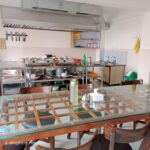
- Where the class starts in Thamel: Nepal Cooking School setup
- Your 1-hour itinerary: dough, filling, folding, cooking, then tasting
- 1) Start the class at Nepal Cooking School
- 2) Prepare the dough
- 3) Make the filling with common momo ingredients
- 4) Shape the dumplings
- 5) Cook the momos and taste what you made
- What authentic momo ingredients teach your cooking brain
- The hands-on part that makes it fun (and useful)
- Small group size (max 8) and why it improves your results
- What participants liked most—and what that signals for you
- Practical info that affects your day in Kathmandu
- What to bring
- Value: why 1 hour here can be worth more than a longer activity
- Who should book this momo class (and who might not)
- Should you book Kathmandu: Momo Making Class with a Local Chef?
- FAQ
- How long is the Kathmandu momo making class?
- Where does the class take place?
- Is the class offered in English?
- How many people are in the group?
- What will I learn to make during the class?
- What’s included in the class?
- What’s the cancellation policy?
Key things I’d watch for before you book
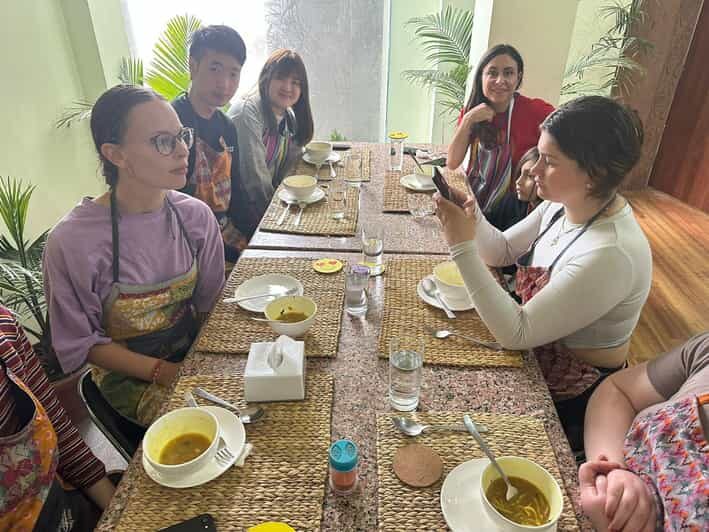
- Every step is hands-on: dough, filling, folding, and cooking are all part of the class
- Authentic ingredients, not shortcuts: flour, water, vegetables, and spices, with ground meat included if the recipe isn’t vegetarian
- You get to eat your own dumplings: the class includes a meal featuring what you made
- Small group size: limited to 8 participants, so you’re not lost in a crowd
- English instruction: the instructor explains in English throughout
- A real local-chef setup in Thamel: class runs out of Nepal Cooking School in the Thamel area
Why a Kathmandu momo class is more than food entertainment
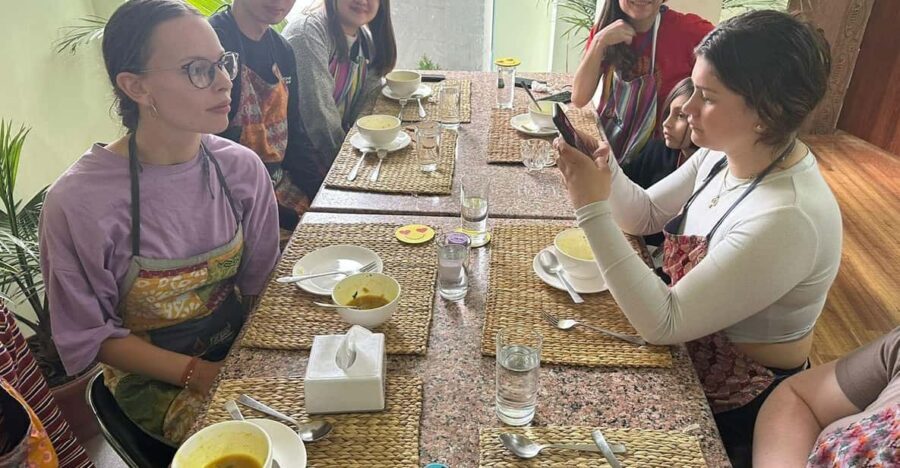
A cooking class like this is a smart way to connect with Nepal’s Himalayan comfort food without needing perfect knowledge of local cuisine. Momos are associated with Tibet, Nepal, and the wider Himalayan region—so you’re not just learning a snack. You’re learning a technique and a style of seasoning that shows up across the mountains and the valleys.
What makes this class practical is that it’s structured around the four core moves you’d want at home: making dough, building a filling, shaping dumplings, and cooking them. That sequence matters. If you’ve ever tried dumplings from a recipe online, the hardest part is usually the chain reaction—if the dough isn’t right, the filling leaks; if the filling is too wet, the folds won’t hold. Here, you get guided practice inside that whole workflow.
And yes, there’s a meal at the end, so you’re not just working your hands for nothing. When you taste your own dumplings, you can actually tell what changes you should make next time.
You can also read our reviews of more tours and experiences in Kathmandu

Where the class starts in Thamel: Nepal Cooking School setup
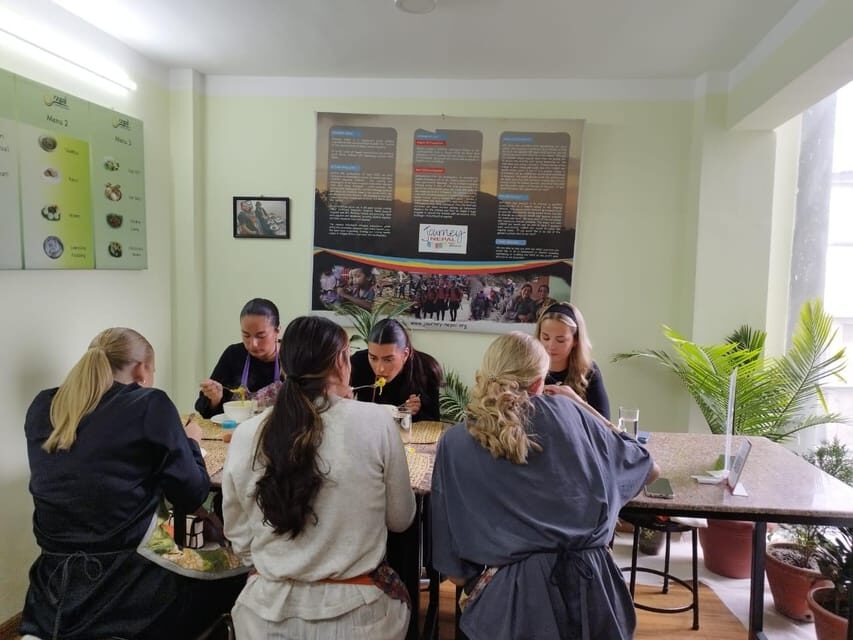
You’ll meet at Nepal Cooking School in Thamel. The listed meeting point is Paknjaol Marg, opposite the Ganesh Temple, in the building of the delicious pizza. It’s on the third floor.
This matters because Thamel streets can get confusing if you’re using a map and looking for a plain storefront. Having a clear landmark—opposite the Ganesh Temple—helps you arrive calmly. If you’re walking in, take a minute to confirm you’re at the right side of Paknjaol Marg before you head upstairs.
The session is short—about one hour—so plan to arrive on time and stay flexible with Kathmandu timing realities. If you’re late, you’ll miss the part where you start handling ingredients.
Your 1-hour itinerary: dough, filling, folding, cooking, then tasting
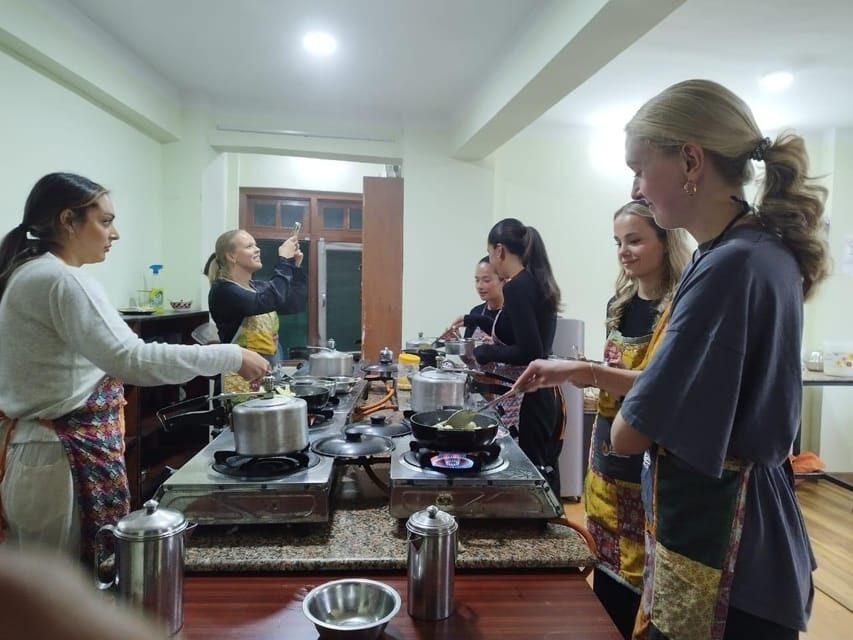
This is a tight, full-cycle cooking session. You don’t just watch; you participate from the first mixing step to the final cooking stage. Here’s what that looks like in plain terms.
1) Start the class at Nepal Cooking School
You’ll meet your experienced chef or instructor and begin right away. The class language is English, which makes a big difference in a hands-on activity. Food classes can get frustrating when explanations are unclear, especially when you’re trying to learn texture—too dry, too wet, too soft, too stiff.
2) Prepare the dough
You’ll work with flour and water to make the momo dough. Dough is where dumpling success starts. Even if you’ve eaten momos a thousand times, making dough tells you why some dumplings feel tender and others feel chewy or fragile.
Expect your instructor to guide you through what the dough should look and feel like as you mix. Because this is a short class, the goal isn’t theory—it’s getting you to a usable dough texture quickly.




3) Make the filling with common momo ingredients
Next comes the filling. The ingredients list includes vegetables and spices and seasonings. If the class filling isn’t vegetarian, it can also include ground meat.
This is one of the class’s biggest benefits: you’re not guessing what goes into the filling. You’re using ingredients that fit momo preparation in the Himalayan tradition—flavor built through spices and vegetables (and possibly meat).
4) Shape the dumplings
Then you fold. This is the step most people feel nervous about, because dumplings only look easy when someone else does them. Here, you get time and guidance to shape the dumplings properly using the dough and filling you created.
5) Cook the momos and taste what you made
Finally, the class cooks the momos. After that, you eat. The class includes tasting your creations and enjoying a meal featuring the dumplings you made, often with dipping sauces or sides.
That final meal is more than a reward. It helps you connect method to flavor. If something tastes off, you’ll know whether the dough felt thick, whether the filling was too loose, or whether the seasoning needed adjusting.
What authentic momo ingredients teach your cooking brain
One of the smartest parts of this experience is the ingredient focus. You’ll work with flour, water, vegetables, and spices and seasonings. If the filling isn’t vegetarian, you’ll also work with ground meat.
Even without getting fancy, this ingredient set teaches you how momo flavor is typically built:
- Dough provides structure: it needs enough elasticity and tenderness to hold the filling
- Vegetables bring moisture and bulk: that affects how the filling behaves and how the dumplings seal
- Spices and seasonings do the heavy lifting: momo flavor is usually about balanced seasoning, not just heat
If you’ve only ever eaten momos, this class helps you understand why they taste the way they do. It also gives you a foundation you can use if you want to cook again later in your own kitchen.
The hands-on part that makes it fun (and useful)
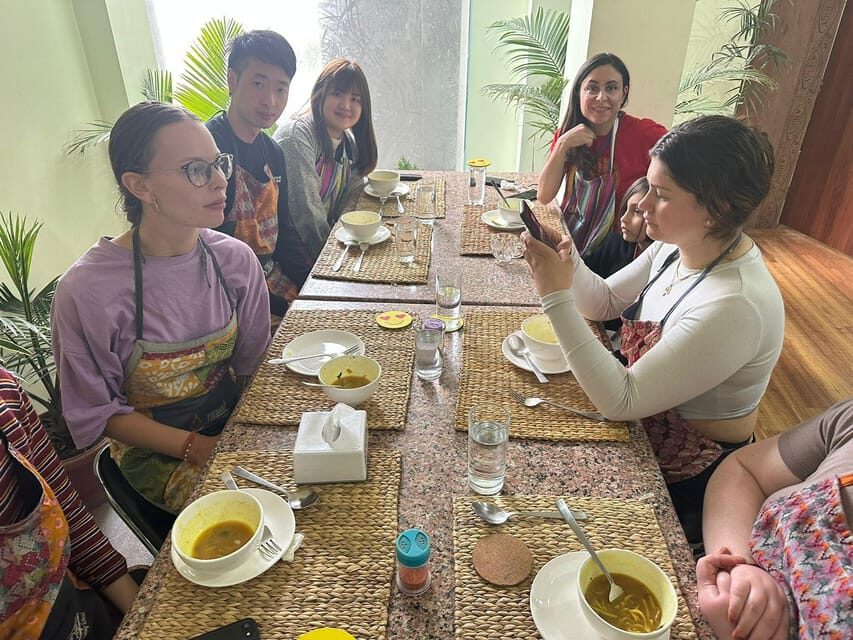
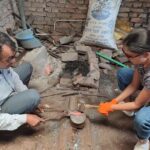
The class is designed around doing the work yourself. You get your hands dirty. You’re mixing, shaping, and cooking within a guided setup.
That matters because cooking from scratch is different from following a recipe in a vacuum. Here, you can see what changes when you handle the ingredients. If you make dough, you feel the texture shifts as ingredients combine. If you fold dumplings, you learn how much filling is enough before it becomes a sealing problem.
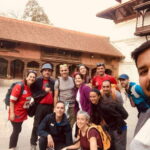
There’s also a social side to small-group cooking. With a group limited to 8 participants, the room doesn’t feel like a factory line. You’re more likely to get personal attention during the steps that trip people up.
Small group size (max 8) and why it improves your results
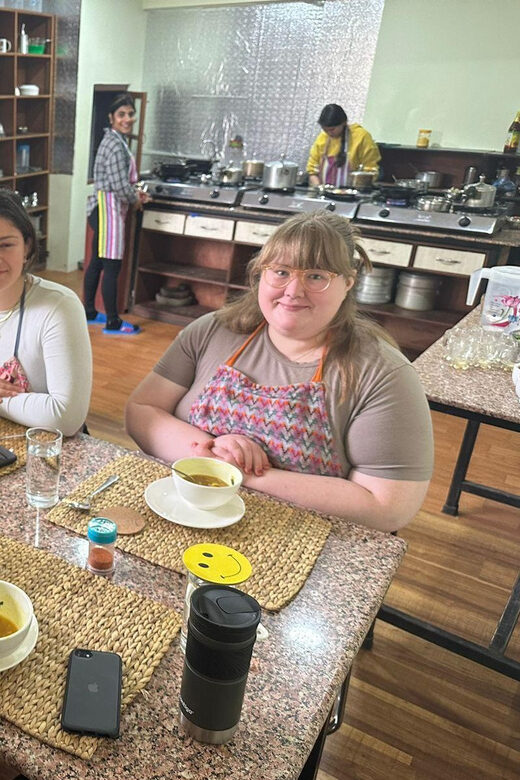
Small group cooking changes the experience more than you might think.
With up to 8 participants, your instructor can:
- notice when the dough texture isn’t right
- check that dumplings are sealing properly
- help with shaping so your batch comes out edible
It also means you’re not waiting around while someone else gets guidance. In a one-hour class, that time pressure is real. A small group helps keep momentum and keeps you from feeling stuck mid-step.
What participants liked most—and what that signals for you
The class has a 5/5 rating from 3 bookings. One participant, Tizia from Germany, said the cook explained a lot, was very helpful, and that she had a great time making the momos—and that they tasted very good.
Even without turning this into a brag fest, that feedback points to two things you should care about:
1) clear guidance (explanations that actually help while you’re working)
2) a satisfying final result (so the effort leads to something you want to eat)
If you’re going to spend an hour with flour on your hands, you want both.
Practical info that affects your day in Kathmandu
This class is in the Thamel area, and it runs for about 1 hour. The instructor is English-speaking, and you’ll be provided with ingredients for momo preparation.
What’s not included:
- transportation to and from the class
- personal expenses
So treat this as something you schedule tightly with your day. If you’re relying on a taxi, build in extra buffer time. If you’re walking, use the meeting point landmarks so you don’t lose 20 minutes to wrong turns.
What to bring
You’re advised to bring:
- comfortable clothes
- clothes that can get dirty
- ingredients
That last line might surprise you, but it’s explicitly listed. If you’re unsure what ingredients they mean, you can confirm ahead of time with the provider. For a hands-on cooking class, arriving prepared (clothes that won’t worry you) is the difference between enjoying it and stressing about laundry after.
Value: why 1 hour here can be worth more than a longer activity
There’s a reason short classes can feel more valuable than sightseeing. You’re paying for a concentrated skill. You’ll leave knowing the exact sequence of making dough, preparing filling, shaping dumplings, and cooking them.
Plus, your time is wrapped up with tasting what you made. You’re not just learning; you’re getting immediate feedback through taste. When you get good dumplings at the end of a class, you also get confidence. That confidence matters if you want to re-create the experience later.
In terms of included value, this session provides:
- a 1-hour momo making class
- an experienced chef or instructor
- ingredients for preparation
- the chance to taste your creations
That’s a lot packed into a small block of time, especially in a city like Kathmandu where your schedule can change quickly.
Who should book this momo class (and who might not)
This class is a great match if you:
- enjoy hands-on activities more than museum-style learning
- want a Nepal/Himalayan food experience you can repeat later
- like small-group instruction (max 8)
- want to eat right after making your food
It may be less ideal if you’re:
- looking for a long, slow cooking experience with lots of spare time
- hoping for a deep multi-hour culinary workshop (this is only 1 hour)
Also, if you hate getting your hands messy, this might feel less fun. The class is built around doing, not just watching.
Should you book Kathmandu: Momo Making Class with a Local Chef?
If you want a practical, tasty, do-it-yourself experience in Thamel, I think you should book it. It’s short, small-group, English-led, and centered on a full momo workflow—from dough to the plate. The final tasting turns the effort into something tangible.
Book it especially if you care about learning the process, not just taking pictures. And go in with the right mindset for a one-hour class: you’re here to learn the basics well, not to master every fold.
If you’re already a momo fan, this is the fastest way to understand why momos work—texture, filling behavior, and seasoning all in one.
FAQ
How long is the Kathmandu momo making class?
The class is 1 hour.
Where does the class take place?
It’s in Thamel at Nepal Cooking School. The meeting point is Paknjaol Marg opposite the Ganesh Temple, in the building of the delicious pizza (third floor).
Is the class offered in English?
Yes, the instructor teaches in English.
How many people are in the group?
The group is limited to 8 participants.
What will I learn to make during the class?
You’ll learn to make momos: prepare the dough, make the filling, shape the dumplings, and cook them.
What’s included in the class?
Included are the 1-hour momo making class, an experienced chef or instructor, ingredients for momo preparation, and the opportunity to taste your creations.
What’s the cancellation policy?
You can cancel up to 24 hours in advance for a full refund.