REVIEW · KATHMANDU
Cook and Eat: Cooking Class in Kathmandu near Thamel
Book on Viator →Operated by Shepherd Holidays · Bookable on Viator
Learn Nepal fast, with a spoon. In Kathmandu near Thamel, you cook three dishes you choose from the menu, guided step-by-step, and that’s one of the quickest ways to get real Nepali flavors on your plate. I also like that the chef teaches in clear English with a helper in the kitchen. One practical drawback: pickup and drop-off by private vehicle costs extra, and the class ends back at the meeting point.
You start with welcome tea/coffee and a staff introduction, then you pick your dishes, visit a local market for ingredients, and move into hands-on prep and cooking. The day finishes the way it should: you serve, eat, and then have tea/coffee again before you go.
In This Review
- Key highlights worth planning for
- Why This Kathmandu Cooking Class Near Thamel Is Such Good Value
- Meeting at Shepherd Holidays: Easy Start, Clear Ending
- Session One: Welcome Tea/Coffee, Staff Intro, and Picking Your 3 Dishes
- The Market Stop With a Guide: Seeing Nepalese Cooking Before the Pot
- Session Two: Cutting, Preparing, and Cooking With the Chef
- Session Three: Serving and Eating Your Three Dishes
- Tea/Coffee Before Departure: The Quiet Reset
- What You Should Choose From the Menu (So You Don’t Regret It Later)
- Who This Cooking Class Suits Best
- Should You Book This Kathmandu Cooking Class?
- FAQ
- How long is the cooking class in Kathmandu?
- What is the price per person?
- Can I choose what I cook?
- What’s included in the price?
- Is pick-up and drop-off included?
- What if the weather is bad or I need to cancel?
Key highlights worth planning for
- Choose any three Nepali dishes from the menu so you can match the class to your taste (spicy, mild, noodle-lover, dessert person).
- Market shopping with a guide means you’re not just cooking, you’re learning what goes into the food.
- Chef-led prep and cooking in a working kitchen with a helper so you’re never just watching.
- You eat everything you cook, plus tea/coffee at the start and before departure.
- Small groups (max 15) help keep it friendly and give you a better shot at asking questions.
- Staff support on the ground helps you wrap the activity smoothly back at the meeting point area.
Why This Kathmandu Cooking Class Near Thamel Is Such Good Value
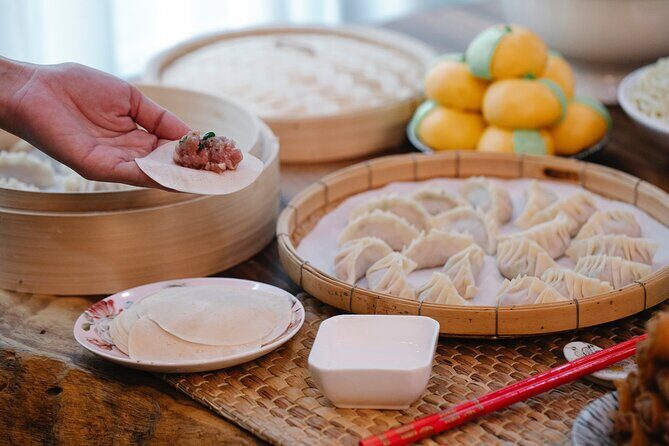
At $24 per person for about 3 hours, this class is priced like a budget experience—but it plays bigger than that because it’s built around real instruction and real output: you choose your dishes, you cook them, and you eat them at the end.
Here’s what makes the value work for you:
- Three dishes is the core deal. Many “food experiences” are mostly eating. This one is mostly making. Even if you’re a first-time cook, the structure helps you succeed.
- Ingredients and equipment are included. That removes the usual hidden costs of cooking classes where you still end up paying for basics.
- You get both food and drink during the class (the class includes tea/coffee at the beginning and at the end, plus the food you prepare). Beverages beyond that are not included, but you’re still getting what you need to stay comfortable during the session.
Where it may not feel like a win is if you’re far from Thamel or you want door-to-door transport. Private vehicle pickup/drop-off is an extra charge, and the activity ends back at the meeting point—so the class is easiest if you’re already in that neighborhood.
You can also read our reviews of more tours and experiences in Kathmandu
Meeting at Shepherd Holidays: Easy Start, Clear Ending
The class meets at Shepherd Holidays, Yapikhya Marg, Kathmandu 44600. It also ends back at the same meeting point, so you can plan your return without guessing where you’ll end up.
A couple of practical points I’d treat as “small but important”:
- Bring enough time to be there a few minutes early. This type of class moves from tea/coffee to choices to prep without lingering.
- If your hotel is outside Thamel, think about how you’ll get there and back. The tour mentions private pickup/drop-off is available for an extra charge, but it’s not part of the base price.
Also, you’ll receive a confirmation at booking time, and the tour uses a mobile ticket, which is handy in a city where you don’t want to hunt for printed documents.
Session One: Welcome Tea/Coffee, Staff Intro, and Picking Your 3 Dishes
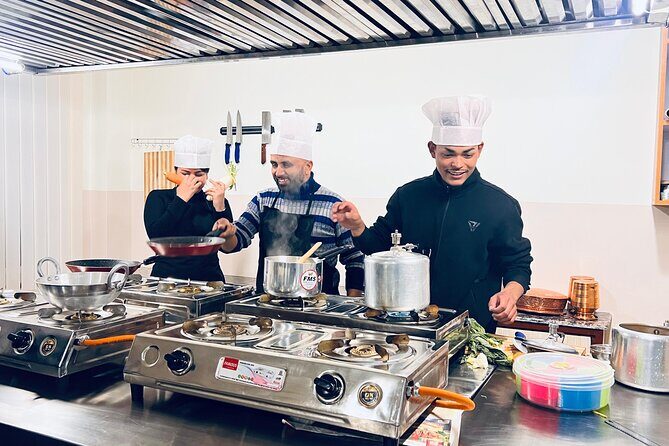
The first part is designed to get you relaxed fast. You start with tea/coffee, then you meet the staff and get oriented. After that, you choose three cuisines/items from the menu.
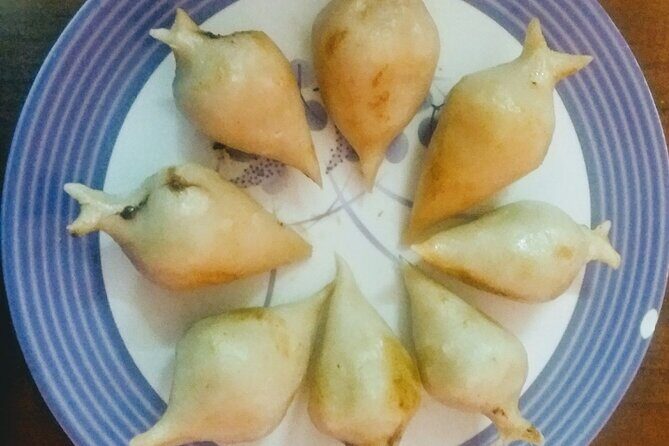
This choice matters more than it sounds. If you love dumplings, you might lean toward momos. If you want something filling and classic, you could go for dal bhat style meal components. If you like noodles, thukpa is an option that fits that craving. And if you want a sweet component, you may be able to select yomari, a Nepalese sweet often tied to traditional flavors.
From past participants, the menu has included dishes like:
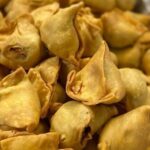
- Momos (dumplings; one reviewer called them amazing)
- Thukpa (noodle soup style)
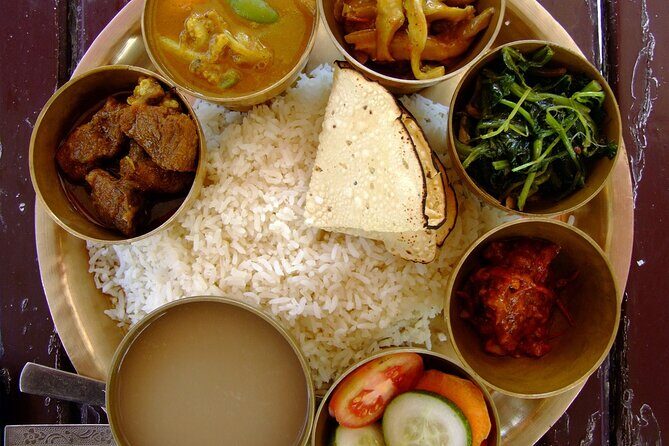
- Dal bhat (lentils and rice meal)
- Yomari (a Nepalese sweet)
What I like about this session is the pacing. You’re not dropped into chaos. You get the menu, you choose, and then the class builds around your selections.
One other detail: in Kathmandu, kitchens can be busy places. If you’re sensitive to heat or strong smells, pick something you’re excited to cook. You’ll be around the ingredients and spices longer than you would in a restaurant.
The Market Stop With a Guide: Seeing Nepalese Cooking Before the Pot
After your dish choices, you head to a local market with a guide to pick up ingredients. This isn’t just a “look around” stroll. The point is to connect what you buy to what you later cook.
This is where you start learning the logic behind Nepali flavors—how ingredients work together and what’s worth paying attention to when you’re shopping for specific items later.
Even if you can’t name every spice, you’ll come away with practical instincts like:
- what key ingredients look like in their raw forms
- how certain items differ from common substitutes you might find elsewhere
- why a recipe feels the way it does once you use the correct base
And yes, you’ll probably feel a little proud when you’re later back in the kitchen cutting and prepping the very things you saw on the market run.
Session Two: Cutting, Preparing, and Cooking With the Chef
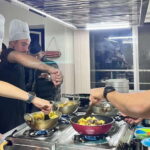
Once you’re back, you move into hands-on cooking. The flow goes like this:
- Begin cutting and preparing ingredients
- Cooking commences with the chef
- You follow the process through the main cooking steps
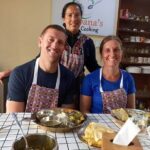
In at least one past class, the kitchen team included Chef Vikram and Kamal, and the instruction was delivered in excellent English. That’s a huge quality-of-life factor if you’re not fluent in Nepali culinary terms. You can actually understand what you’re doing and why.
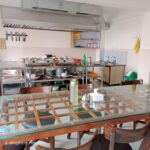
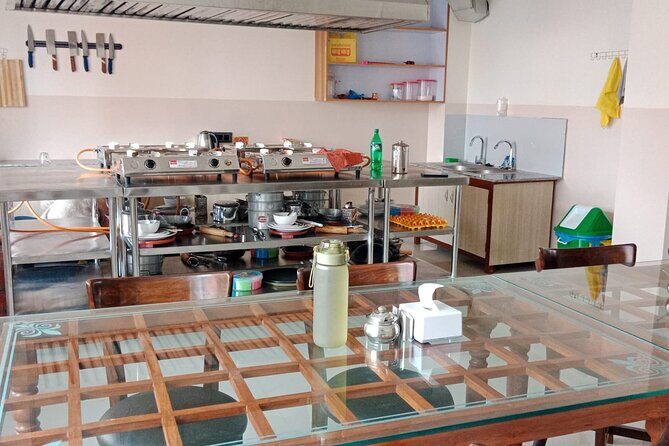
I’d expect the kitchen setup to feel professional. At least one participant described it as a clean, well-run environment with a professional chef. That matters because you’re not just tasting—you’re working with heat, tools, and timing.
A key tip: go in ready to be hands-on, but don’t feel forced. One participant liked that the class offered the option to be more hands-on or more hands-off. If you’re nervous with knives or unfamiliar with certain prep steps, ask for the best “safe and helpful” role.
You can also read our reviews of more cooking classes in Kathmandu
Session Three: Serving and Eating Your Three Dishes
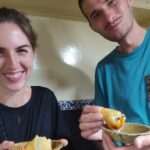
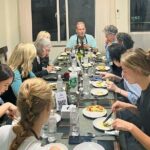
This is the reward portion of the day: you serve what you cooked and then savor the prepared cuisines. For many people, this is the moment when the class finally clicks—because you taste your work in a calm, sit-down setting.
From the dish examples people have chosen before, here’s what that can look like in practice:
- If you chose momos, you’re likely eating dumplings you helped prepare, not just a plate dropped in front of you.
- If you chose thukpa, you’ll taste a noodle-based comfort dish built through the steps you observed and followed.
- If you chose dal bhat, you’ll get a meal experience built around lentils and rice components.
- If you chose yomari, you’ll end with a more traditional sweet note rather than a purely savory finish.
One thing I really appreciate about this format: you don’t need to “figure out what to order” later. Your portion is already chosen by your own cooking decisions.
Also, portion sizes should feel aligned with a shared cooking class meal. You’re in there for about 3 hours total, so the food plan is typically designed to fit the time.
Tea/Coffee Before Departure: The Quiet Reset
Before you wrap up, you get tea/coffee again and then bid farewell. This final break is more than a courtesy. It gives you a chance to cool down, settle your stomach, and reflect on what you made while everything is still fresh in your mind.
Practical note: the class ends back at the meeting point. One past participant specifically noted that the manager made sure they got back to their hotel. That’s not the same thing as included private transport, but it does suggest the team stays engaged until you’re safely handled at the end of the session.
What You Should Choose From the Menu (So You Don’t Regret It Later)
Because you can pick any three items, the smartest approach is to balance your selections:
If you want a simple strategy:
- Pick one dumpling or snack option (momos is a common choice)
- Pick one main savory comfort dish (thukpa or dal bhat fits)
- Pick one dessert or lighter ending (yomari has shown up as an option before)
If you’re traveling on a schedule, choose in a way that prevents double-spice overload. Nepali cuisine can be wonderfully seasoned, but you don’t need three very spicy dishes in one sitting unless you know you handle it.
If you’re thinking of learning for home cooking later, ask the chef during the process which dish is easiest to replicate after you’re back. A past participant said the momo instructions made them confident cooking at home—so if your goal is “I want skills,” dumpling-focused choices can be a good bet.
Who This Cooking Class Suits Best
This experience fits best if you want:
- hands-on learning rather than just eating
- a kitchen setting where instruction is explained in English
- a Kathmandu activity that doesn’t require hiking, a long drive, or a full-day commitment
It’s also a solid option if you enjoy structure. You always know what comes next: tea/coffee, dish choices, market ingredient gathering, prep and cooking, then serving and eating.
You might want to consider another option if:
- you absolutely need door-to-door transport included in the price
- you can’t reliably get yourself to and from the meeting point area near Thamel
But if you’re already in that part of town, this is one of the more satisfying ways to spend a half-day.
Should You Book This Kathmandu Cooking Class?
I think you should book it if you want a short, practical class that turns Nepali food from something you order into something you actually understand. At $24 for about 3 hours with ingredients, equipment, chef instruction, and a full class meal, it’s one of the better values for a serious cooking experience near Thamel.
Skip it (or compare carefully) if transport convenience is your top priority, because private pickup/drop-off is extra and the class returns to the meeting point.
If your schedule is tight and you like the idea of cooking dumplings, noodles, a dal bhat-style meal, or a traditional sweet like yomari, this is a smart bet. You’ll walk away with skills you can reuse, not just a photo of your plate.
FAQ
How long is the cooking class in Kathmandu?
The class lasts about 3 hours.
What is the price per person?
It costs $24.00 per person.
Can I choose what I cook?
Yes. You can choose any three items from the menu.
What’s included in the price?
Included are ingredients and all equipment, an instructor and helper, and the food and drink that are prepared during the class (plus tea/coffee as part of the sessions).
Is pick-up and drop-off included?
No. Pick up and drop off by a private vehicle is available for an extra charge.
What if the weather is bad or I need to cancel?
Free cancellation is available up to 24 hours in advance for a full refund. The experience requires good weather, and if it’s canceled due to poor weather, you’ll be offered a different date or a full refund.