REVIEW · KATHMANDU
Kathmandu Food & Drink Walking Tour Taste Local Delicacies
Book on Viator →Operated by Shepherd Holidays · Bookable on Viator
Street food maps Kathmandu for you. On this 3-hour Kathmandu Food & Drink Walking Tour, I like the chance to try Newari and Nepali street food from local vendors, and I enjoy how the guide ties each bite to place and culture, especially around the Asan spice-market area. One heads-up: this walk depends on good weather, so rainy conditions can mean a reschedule or refund.
You start near Narsingh Chowk Marg by the Nepal Handloom Pashmina Traders, then cover a compact route through Thamel, Jyatha, Asan, Indrachok (near Kathmandu Durbar Square), and Chhetrapati. It’s an easy way to get your bearings fast—Thamel shows you the visitor-facing side of Kathmandu, while the later stops shift into quieter neighborhood food life.
What makes it work is the guide. In my experience-style notes, guides like Umesh and Ananta focus on explaining what you’re eating and why it matters, and they keep the pace friendly. One possible drawback is simple: you’re walking between food stops, so come ready for street crowds and uneven sidewalks.
In This Review
- Key Things to Know Before You Go
- A Kathmandu Food Walk That Reads Like a Street Map
- From Thamel to Jyatha: the Tour’s Pace and Personality Shift
- Asan Marketplace and the Spice-Market Stop: flavors with a source
- Indrachok near Kathmandu Durbar Square: temples, textiles, and snack stops
- Chhetrapati on the Return Loop: everyday food life near the historic core
- What You’ll Eat and Drink: Newari staples, Nepali classics, and local brews
- Your Guide Matters: Umesh and Ananta’s hands-on approach
- Value for $15: why this price can make sense in Kathmandu
- Practical Tips for a Smooth 3-Hour Walk
- Who Should Book This Kathmandu Food & Drink Walking Tour?
- Should You Book This Tour?
- FAQ
- How long is the Kathmandu Food & Drink Walking Tour?
- How much does it cost?
- Where does the tour start?
- Do they offer pickup?
- What’s the group size limit?
- What food and drinks are included?
- Do I need to pay admission for the stops?
- Who guides the tour?
- What happens if the weather is bad?
- Can I cancel and get a full refund?
Key Things to Know Before You Go
- Small group size (max 15) keeps it practical for questions and food choices.
- Local guide storytelling adds context, not just samples.
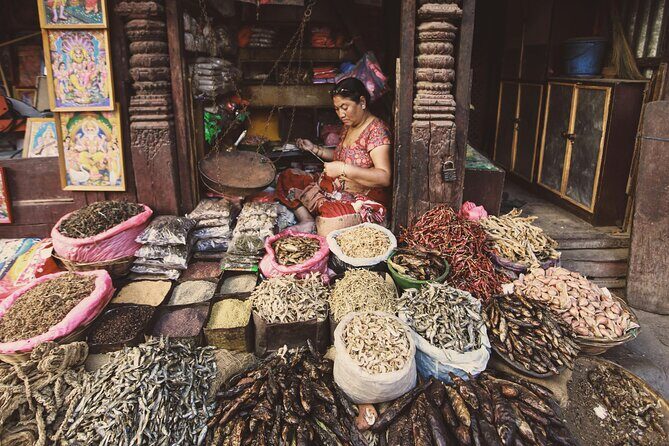
- Asan spice market stop gives you a “why this flavor?” moment for Nepali cooking.
- Newari and Nepali street food mix means you’re not stuck eating only one style.
- Locally brewed drinks and tea/coffee round out the tastings.
- Comfort with saying yes or no is part of the tour flow, not an afterthought.
A Kathmandu Food Walk That Reads Like a Street Map
If you’re in Kathmandu for the first days, street food can feel like a fun plan… until you realize you don’t know what’s safe, what’s traditional, or where the best stalls are hidden in plain sight. This tour helps by shrinking the city into a short route you can actually understand.
The format is built for focus. You spend about 3 hours on foot, with short breaks at each stop that are long enough to sample and learn, not long enough for decision fatigue. And because the group is capped at 15 people, you’re less likely to feel like you’re being herded.
Most of the value is in the guiding. Instead of just pointing at snacks, the local expert talks through the cultural significance behind what you’re trying. That matters in Kathmandu, where food often connects to ethnic traditions (especially Newari) and local market life. It turns a “taste tour” into a “taste-and-explain” tour, which is what most people are really after.
You can also read our reviews of more walking tours in Kathmandu
From Thamel to Jyatha: the Tour’s Pace and Personality Shift
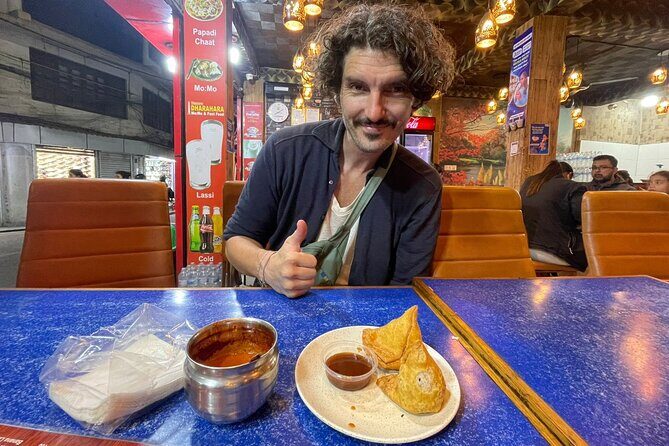
Thamel is where most short-term visitors naturally land. It’s loud, shop-heavy, and packed with cafes and street stalls. Starting there makes sense because it’s the easiest place to meet up, spot your group, and get comfortable with the rhythm of walking Kathmandu streets.
Then the tour moves to Jyatha, a calmer area near Thamel. This is the part I like most when I’m trying to understand a city beyond its main tourist strips. Jyatha’s food scene is smaller-scale: you’re more likely to notice neighborhood eateries and traditional shops rather than big menu signboards. The tour uses this shift well, moving you from “busy zone” energy to “local routine” energy while you’re still hungry and curious.
In practice, this pacing helps you compare what you’re seeing. You get contrast: more visitor-oriented stalls at the start, then more family-run feel in the quieter lanes. If you’re worried about feeling out of place, that gradual adjustment is a real plus.
Asan Marketplace and the Spice-Market Stop: flavors with a source
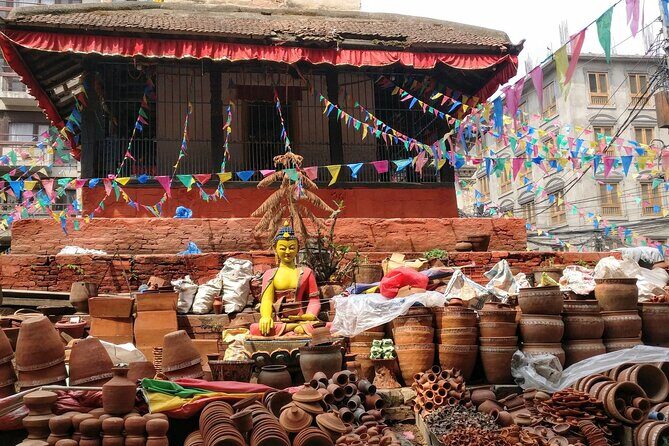
Asan is one of Kathmandu’s older and busier market crossroads, with multiple streets meeting at a key historic trading point. It’s the kind of place where you can feel layers of city life at once: commerce, everyday errands, and food culture all mixed together.
For your taste experience, the big win here is the spice-market angle. When you visit Asan and then sample foods linked to those ingredients, you stop guessing. You get to connect the flavors on your plate to what people buy and use locally. Even if you don’t know Nepali terms yet, the guide’s explanations make it easier to remember what’s what.
There’s also a second value: Asan gives you a chance to practice reading Kathmandu street life. You learn how markets operate, how vendors stock and sell, and why spices matter in daily cooking. That turns food into something more meaningful than a snack. It’s also a good checkpoint stop—after you’ve tasted earlier items, you’re now tuned in for deeper “why does this taste like that?” learning.
Indrachok near Kathmandu Durbar Square: temples, textiles, and snack stops

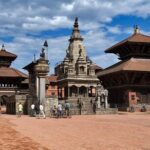
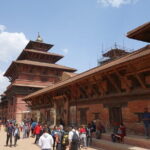
The tour continues to Indrachok (often spelled Indra Chowk or Indrachowk), an old square near Kathmandu Durbar Square. This stop brings cultural weight into the walking loop. You’ll see old temples nearby and you’ll also pass local textile shops and vendors.
Why I like this part is the balance. Some food tours only focus on eating; this one mixes in environment, so the snacks land in a stronger context. As the guide explains cultural significance behind dishes, the surrounding heritage sights help you understand how food fits into the daily life of Kathmandu, not just into “tourist food entertainment.”
Also, this area tends to feel like a working crossroads rather than a dedicated attraction-only zone. That’s exactly what you want if your goal is authentic street food discovery. You’re not just sampling—you’re watching how the city actually moves while people go about buying, selling, eating, and chatting.
Chhetrapati on the Return Loop: everyday food life near the historic core
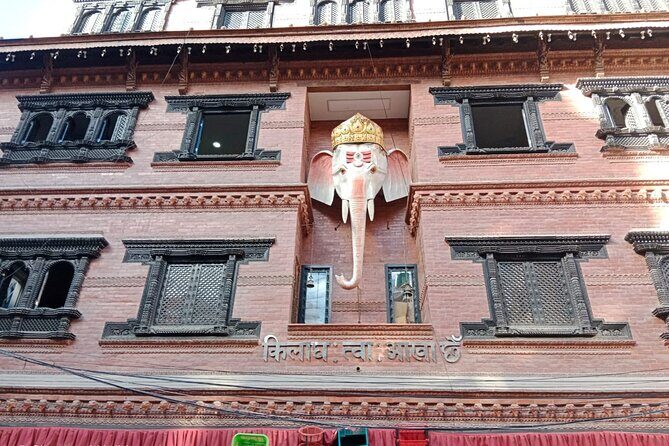
The final stop, Chhetrapati, sits as a busy intersection and neighborhood that borders Thamel and points toward Kathmandu’s historic parts. This is often where the tour can feel most “real-world” to me, because you’re no longer only seeing a transition zone or market staging area. You’re seeing how people live and eat in a place that isn’t trying to perform for visitors.
It’s a practical last tasting stop too. After walking several areas, you’re ready for a final round of flavors and a bit of closure with the guide’s help in wrapping up what you’ve learned. And because it leads back toward the meeting area, the logistics feel clean: you end where you started.
If you’re short on time and want the most Bangkok-style “street food sampler” effect without needing a private driver, this kind of route makes sense. It concentrates key neighborhoods into one loop.
You can also read our reviews of more food & drink experiences in Kathmandu


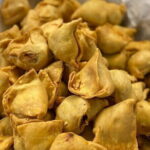
What You’ll Eat and Drink: Newari staples, Nepali classics, and local brews
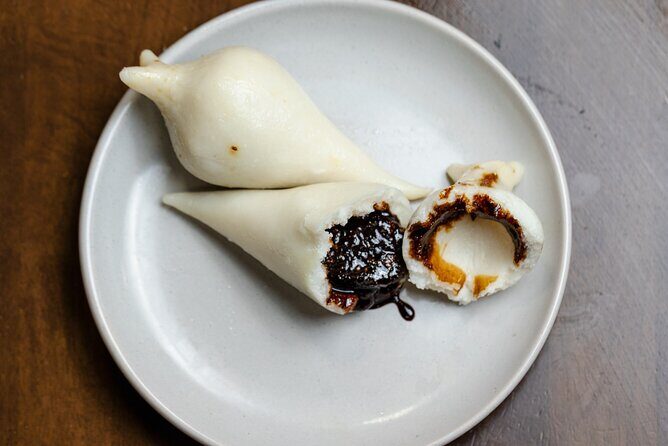
The menu on a Kathmandu street food tour can be unpredictable—sometimes that’s exciting, sometimes it’s frustrating. The good news here is that the tour is designed around authentic Newari and Nepali street food, not international stand-ins.
You can expect:
- Street food samples from local vendors
- Traditional delicacies paired with explanations
- Locally brewed drinks
- Coffee and/or tea, plus bottled water
- A mix of snacks and meal-style tastings across the stops
This is also one of the most important practical parts of the tour: the guide helps you interpret what you’re eating. That’s not just trivia. When you understand the basics of ingredients and cultural context, you’re more likely to enjoy the flavors and remember them later.
From the experiences I’m drawing on, guides like Umesh and Ananta are patient with questions and don’t pressure people to eat something they don’t want. That matters on street food tours, because the most common disappointment is feeling forced into trying a dish simply to “be polite.” Here, the tone stays comfortable.
One more practical note: this tour includes a lot of food. Even though the day’s length is only about three hours, you’re not doing “one bite, next stop” the whole time. Plan to finish the tour comfortably full, and don’t schedule a huge meal immediately afterward.
Your Guide Matters: Umesh and Ananta’s hands-on approach
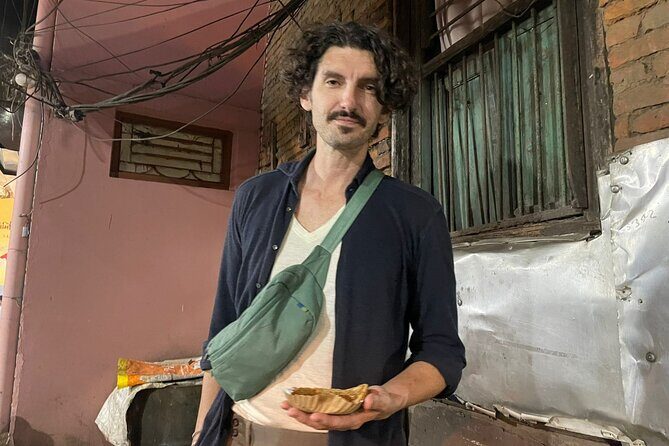
The difference between a good street food tour and a great one is the guide’s role in three areas: choosing vendors, translating food, and managing the walking pace.
In the experiences shared, Umesh came through as a guide who stayed upbeat and helped people try things they wouldn’t have noticed on their own. Ananta was praised for being warm, knowledgeable in a practical way, and for linking the tasting experience to history and culture.
The best part, though, is how they handle comfort. When the group walks into small spots and humble eateries, you might worry about awkwardness—like whether the food will be too strong, too odd, or too much. The guides keep it calm. People reported not feeling rushed or pressured, and that patience makes a big difference when you’re dealing with unfamiliar foods.
So if you care about learning while you eat, this tour is built around that goal. You’re not just following a route—you’re using a guide as your interpreter for Kathmandu’s everyday food culture.
Value for $15: why this price can make sense in Kathmandu
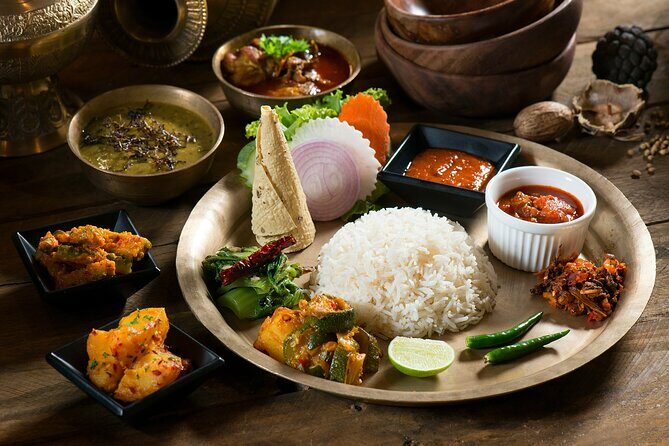
At $15 per person for about three hours, this tour is priced like a “budget-friendly but not bare-bones” option. The value isn’t only the route. It’s what’s included.
You get:
- A local experienced guide
- Bottled water
- Coffee and/or tea
- Snacks and multiple food tastings
- Group support for navigating markets and vendor locations
When you add up what street snacks and drinks cost if you’re buying them one by one, the price can start to look fair fast—especially since the guide is helping you choose and understand what you’re eating. It’s also a good deal if you want a plan with structure. In Kathmandu, the hardest part for many first-timers isn’t finding food—it’s finding the right places confidently without spending time wandering.
Another value point: admission at stops is listed as free, so you’re not hit with surprise entrance fees while you’re already paying for the food experience.
Practical Tips for a Smooth 3-Hour Walk
A few things will make your time easier and more enjoyable.
First, take the weather seriously. This experience requires good weather. If rain comes in, don’t plan on “just pushing through.” Build flexibility into your day.
Second, wear shoes you don’t mind getting a little dirty. You’ll be moving on foot through multiple neighborhoods and intersections, including market areas and older-city spaces.
Third, come with a simple food attitude. Street food tours work best when you treat samples as exploration. If there’s something you don’t want, tell your guide. The tour flow is set up to be understanding and patient, so your comfort matters.
Finally, group size matters for logistics. With a maximum of 15 people, you’re less likely to lose track of the group or get left behind during quick transitions between alleys and vendor stalls.
Who Should Book This Kathmandu Food & Drink Walking Tour?
This tour fits best if you:
- Want a short, organized way to sample Newari and Nepali street food
- Enjoy learning the “why” behind food, not only tasting it
- Prefer a small group format over large crowded tours
- Are excited by market areas like Asan and historical squares like Indrachok
- Want locally brewed drinks and tea/coffee included, not paid for separately
It might be less ideal if you only want a polished sit-down meal and don’t like walking between street stalls. This is a walking-and-tasting format with real neighborhoods at street level.
Should You Book This Tour?
I’d book it if you want an efficient way to eat your way through Kathmandu with local guidance and clear explanations. The biggest strength is the combination of food variety and context—you taste, then you understand what you’re tasting. Add in the small group size and the guide’s patient approach, and the tour feels like a practical win.
If you’re in Kathmandu on a flexible day and the weather looks good, this is one of the easiest ways to experience Kathmandu cuisine without guessing your way through markets.
FAQ
How long is the Kathmandu Food & Drink Walking Tour?
The tour lasts about 3 hours.
How much does it cost?
It costs $15.00 per person.
Where does the tour start?
It starts at NEPAL HANDLOOM PASHMINA TRADERS, Narsingh Chowk Marg, Kathmandu 44600, Nepal.
Do they offer pickup?
Yes, pickup is offered.
What’s the group size limit?
The tour has a maximum of 15 people.
What food and drinks are included?
The experience includes coffee and/or tea, snacks, bottled water, and food/meals across the stops, plus authentic street food and local drinks.
Do I need to pay admission for the stops?
Admission at the listed stops is marked as free.
Who guides the tour?
You’ll have a local, experienced, helpful guide. Names mentioned include Umesh and Ananta.
What happens if the weather is bad?
This tour requires good weather. If it’s canceled due to poor weather, you’ll be offered a different date or a full refund.
Can I cancel and get a full refund?
Yes. Free cancellation is available, with a full refund if you cancel at least 24 hours in advance. If you cancel less than 24 hours before, the amount is not refunded.