Momos taste better when you fold them yourself. This hands-on momo cooking class in Kathmandu turns a famous Nepalese comfort food into a real skill you take home, starting from dough prep and ending with a plate you made. You’ll do it at a host family’s kitchen, not a showroom, so the whole thing feels personal from minute one.
What I like most is the friendly, patient teaching. In the class setup, people of different ages can join in, and you’re guided through each stage without feeling rushed. I also love that you can make veg and non-veg momos (including chicken and buffalo), so it’s not a one-size-fits-all dumpling lesson.
One consideration: this isn’t listed as gluten-friendly, and it’s specifically noted as not recommended for travellers with gluten allergies. If you’re dealing with gluten, don’t assume ingredients or tools will be separate—ask questions before booking.
In This Review
- Key Things You’ll Notice Right Away
- From Sorakhutte Chowk to a Local Kitchen
- The 2.5 Hours That Actually Teach You Something
- Kneading Dough Like a Dumpling Pro
- Filling Prep: Chicken, Buffalo, and Veg Options
- Folding Momo: The Skill That Feels Like Magic
- Cooking the Momos and Getting That First Bite
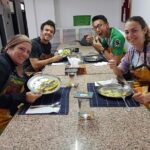
- Sharing a Meal With the Host Family
- Price and Value: What $35 Buys You
- Who This Momo Class Suits Best
- Practical Tips Before You Go
- Should You Book This Momo Cooking Class?
- FAQ
- Where does the momo cooking class start?
- How long is the cooking class?
- How much does it cost?
- What will I learn to make?
- Can I make veg momos and non-veg momos?
- Is this a private tour?
- Is there a translator available?
- Is it near public transportation?
- Is it suitable for gluten allergies?
- What is the cancellation policy?
Key Things You’ll Notice Right Away
- A local home kitchen setting in Kathmandu, where the cooking happens around real family life
- Step-by-step momo making, from kneading dough to folding dumplings to cooking them
- Options for veg and non-veg momos, including chicken and buffalo
- A warm welcome and a sit-down tasting with the host family afterward
- Small, private group format, with only your group participating
From Sorakhutte Chowk to a Local Kitchen
This class starts near Sorakhutte, at People’s Dental College & Hospital (Sorakhutte Chowk, Kathmandu 44600). If you’re already spending time in central Kathmandu, this is the kind of meeting point that makes your day easier to plan. It’s also near public transportation, which matters because Kathmandu traffic can turn any “quick trip” into a slow one.
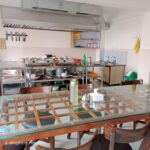
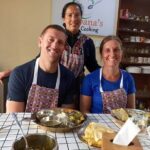
Once you’re met, you’ll head to the host’s kitchen for the full cooking session. That’s a big part of the value here: you’re not just watching someone cook. You’re learning in the same space where the meal-making actually happens—smells, sounds, and all.
Also, it’s a private tour/activity. That means your group is the only group in the class experience, so you’re more likely to get hands-on attention instead of competing with a larger crowd.
You can also read our reviews of more cooking classes in Kathmandu
The 2.5 Hours That Actually Teach You Something
The experience runs about 2 hours 30 minutes. That timing is long enough to learn the workflow—without dragging on. You’ll move through the core momo steps in a logical order:
You start by getting the dough going (kneading), then you prepare the filling ingredients. After that comes the part most people remember: folding the momos. Finally, you cook what you made, so the lesson ends with the results, not just the process.
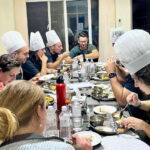
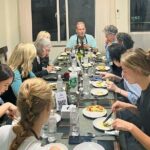
And then there’s the extra piece: once your momos are ready, you sit with the host and family to enjoy them together. That “eat and chat” moment turns a cooking lesson into a cultural one, because you’re talking while you’re eating, not only listening while standing.
Kneading Dough Like a Dumpling Pro
Kneading dough sounds simple, but it’s where a lot of dumpling texture is decided. In this class, you’ll start here, and that’s one of the smartest ways to teach momos. You can’t fold properly if the dough is wrong, and you can’t fix a dough problem later without starting over.
What I’d watch for as you knead:
- Aim for dough that feels consistent, not patchy or dry.
- Don’t rush; dough benefits from a bit of time and repeated handling.
- Pay attention to any adjustments the instructor suggests, because momo dough isn’t treated like bread dough or pizza dough—it’s its own thing.
The good news: the instruction style here is described as friendly and patient. That’s important, especially if you’re not “the kitchen type.” You’re not expected to have a momos background. You’re expected to learn.
Filling Prep: Chicken, Buffalo, and Veg Options
You’ll prepare ingredients for different momo styles, including chicken, buff (buffalo), and veg options. Having multiple filling types is more than variety for variety’s sake—it changes the way you think about the dumpling.
When you work on fillings in a guided way, you learn how to:
- Get the right consistency for stuffing (so it doesn’t leak).
- Portion in a way that makes folding easier.
- Keep the dumpling shape intact during cooking.
If you’re booking as a group, this is a helpful feature too. People can choose veg or non-veg, and your table can end up with a mix of styles rather than everyone eating the same dumpling.
Folding Momo: The Skill That Feels Like Magic
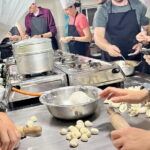
Folding is the moment when many people go from watching to doing. It’s also where dumpling-making becomes fun. Even if your first few folds look imperfect, you’re learning technique—not perfection.
In the reviews, folding is specifically called out as part of the lesson, and that makes sense: it’s the hands-on centerpiece. A folding technique teaches you how much filling to use, how to seal properly, and what shape works best for cooking.
Practical tip: keep an eye on how the instructor handles the edges. Sealing matters, because the dumpling needs to hold together once it’s cooked. If you’re unsure, ask right away while you’re still at the folding stage. Waiting until the cooking stage usually means it’s too late to fix.
You can also read our reviews of more tours and experiences in Kathmandu
Cooking the Momos and Getting That First Bite
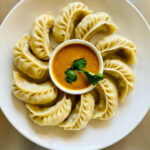
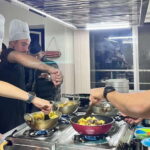
Once the dumplings are folded, the class moves to cooking. This is where the lesson earns its keep: you don’t just make dumplings for the sake of making dumplings. You cook them and eat them as part of the experience.
You’ll likely leave with two things:
- A clearer understanding of how the process comes together.
- The confidence that you can reproduce it later at home.
Also, cooking while you’re in a local kitchen helps you calibrate expectations. The pace feels real and practical. You learn how to think about timing and doneness rather than following a vague recipe.
Sharing a Meal With the Host Family
After your momos are prepared, you sit with the host and family to enjoy your dumplings and conversation. This is one of the most praised parts of the experience for a reason: it turns food into a real interaction, not just an activity.
This format can be especially nice when:
- You want something social that isn’t a full-on tour of monuments.
- You like learning through conversation.
- You want a more human view of Kathmandu life.
In at least one booking described in the reviews, a translator was involved, and the class still worked well for both kids and adults. That’s a good sign for families and mixed groups, as long as you’re open to hands-on participation.
Price and Value: What $35 Buys You
At $35.00 per person, this class is priced like an activity, not a fancy restaurant meal. But the value comes from what’s included: you’re taught multiple steps, you’re using a local kitchen, and you get to eat what you make with the host family.
Compared to paying for a meal alone, the difference is obvious. You’re buying skills and a shared experience:
- Ingredient prep and technique time
- Folding practice
- Cooking time
- A sit-down tasting afterward
Also, private group format matters. If you’re traveling with friends or family, a private setup often feels less chaotic than group classes where attention gets split.
If you’re trying to get one “learn something real” day in Kathmandu without spending all day in transit, this is a strong candidate.
Who This Momo Class Suits Best
This is a great fit if you:
- Want a fun, hands-on Kathmandu experience beyond walking streets and temples
- Like food activities where you actually do the work
- Travel with kids, since the teaching style is described as friendly and patient
- Want both veg and non-veg options in the same class flow (including buffalo and chicken)
It may be a poor fit if you:
- Have a gluten allergy and need guaranteed separation (it’s specifically noted as not recommended for gluten allergies)
- Want a strictly quiet, sit-and-watch activity (this is mainly a doing experience)
Practical Tips Before You Go
- Plan on using your hands. You’ll knead dough and fold dumplings, so bring a mindset that this is part practice, part fun.
- Think about what you’ll do after. Once you’ve eaten, you may not want a heavy second meal right away.
- Ask about dietary needs early if you have allergies. The course is clearly labeled not recommended for gluten allergies, so don’t assume accommodations exist for other issues.
- Wear clothes you don’t mind getting a little flour on. Cooking classes are messy by nature.
- Go in hungry. You’ll cook and eat your momos at the end, and that first bite is the reward for your work.
Should You Book This Momo Cooking Class?
Yes, if you want an easy-to-book Kathmandu experience that’s practical, hands-on, and food-focused. The combination of step-by-step teaching, a local family kitchen setting, and the chance to eat together makes it more than a short cooking demonstration.
Book it especially if you’re traveling with family or friends and you’d rather spend a couple of hours learning a skill than just looking at one more attraction. It’s also a solid pick for groups that want veg and non-veg options.
Skip it if gluten is an issue for you, since it’s explicitly not recommended for gluten allergies and you can’t count on gluten-safe handling based on the info provided.
FAQ
Where does the momo cooking class start?
It starts at People’s Dental College & Hospital, Sorakhutte Chowk, Kathmandu 44600, Nepal.
How long is the cooking class?
The class runs about 2 hours 30 minutes.
How much does it cost?
It costs $35.00 per person.
What will I learn to make?
You’ll learn to make Nepali momos, including the process from kneading dough and preparing ingredients to folding and cooking the momos.
Can I make veg momos and non-veg momos?
Yes. Both veg and non-veg momos are part of the experience, including chicken and buffalo.
Is this a private tour?
Yes. It’s a private tour/activity, and only your group participates.
Is there a translator available?
In at least one booking described in the reviews, a translator was included. You may want to confirm language support when you book.
Is it near public transportation?
Yes, it is near public transportation.
Is it suitable for gluten allergies?
No. It is not recommended for travellers with gluten allergies.
What is the cancellation policy?
You can cancel for a full refund if you cancel at least 24 hours before the experience’s start time. If you cancel within 24 hours, the amount paid isn’t refunded.