REVIEW · KATHMANDU
Women Empowerment Project(Nepali cooking class & jewelry workshop
Book on Viator →Operated by Human welfare committee · Bookable on Viator
Two days, one purpose, and plenty of food. I love the hands-on momo-making and the way the project turns your cooking time into real support for women in Nepal. You’ll also get a friendly, low-pressure vibe in the room, so even if social stuff feels a bit awkward, it usually doesn’t last long. One thing to consider: the schedule is fixed, so you should plan your Kathmandu day around it and come ready to get a little messy.
I also like that you don’t just watch from the side. You prep, fold, cook, and then actually eat what you make—chai first, dumplings next, lunch at the end. And the second day swaps the kitchen for a jewelry workshop where you create something wearable with guidance, not guesswork. The meeting point is in Paknajol, and the activity runs in a small, private setup (only your group).
In This Review
- Key things to know before you go
- Women’s empowerment that doesn’t feel like a lecture
- Day 1 at Human welfare committee: chai, pakoda, and getting momo-proud
- A realistic drawback for day one
- The dumpling lunch: why eating your own momos changes everything
- Day 2 jewelry workshop: make something you can actually wear
- What to expect from the vibe
- Meeting point in Paknajol: small details that save time
- Price and value: $50 for two hands-on days that feed you and teach you
- Who pays attention to value and who won’t
- Who should book this in Kathmandu (and who might not)
- Should you book this Kathmandu workshop?
- FAQ
- Where is the meeting point for the Women Empowerment Project workshop?
- How long is the experience?
- What will I cook on day 1?
- What do I do on day 2?
- Is lunch included?
- Is it a private activity, and is it suitable for most people?
- Can I cancel and get a refund?
Key things to know before you go
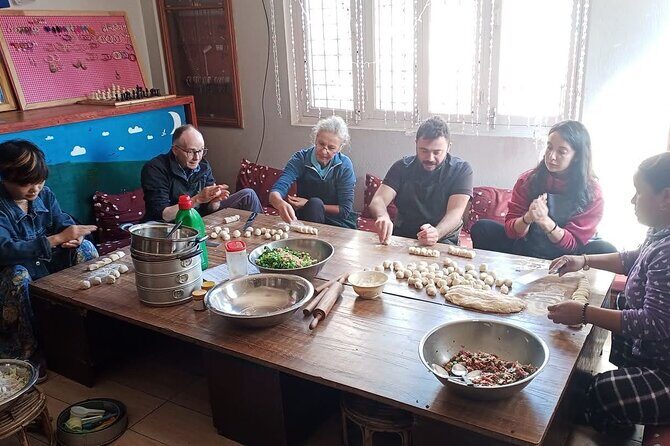
- Masala chai starts the day: you begin with a traditional cup of chai, made from scratch as part of the class rhythm.
- Momo lessons with real confidence: you’ll learn how to shape and cook popular Nepalese dumplings, with coaching that makes it feel doable.
- Fillings you can look forward to: expect variety like buff-style momos plus veg options, and you may also make potato and veggie fillings.
- Lunch is part of the deal: you’ll sit down with the momos you cooked, turning the class into a full meal moment.
- Jewelry workshop on day two: you craft your own jewelry with help, suited for beginners and repeat learners alike.
- Guides use names you’ll remember: people talk about teachers like Aastha and the Momo Queen Syanbi, plus instructors named Buddha and Tara in the chai/momo flow.
Women’s empowerment that doesn’t feel like a lecture
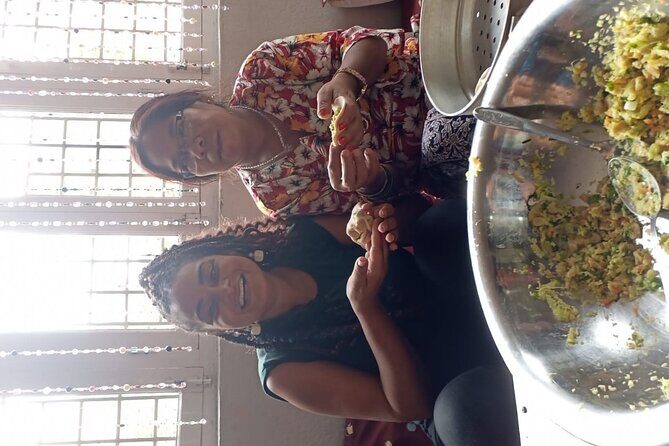
This is one of those Kathmandu experiences where the purpose sits quietly underneath the fun. You’re learning food culture and craft skills, but the money goes toward supporting women’s voices through a project run by a local welfare organization.
What I like most is that it doesn’t turn into a sales pitch. Instead, you see the mission through the details: patient teaching, a warm atmosphere, and a team that keeps the day moving without rushing you. It’s the kind of activity that makes you feel like your participation actually matters.
The best part for many people is the social comfort factor. Several participants highlight that it doesn’t feel awkward, even if you’re not naturally chatty. That matters in Nepal, where some people arrive thinking they’ll be put on the spot—and instead, you get a normal, friendly group energy.
You can also read our reviews of more cooking classes in Kathmandu

Day 1 at Human welfare committee: chai, pakoda, and getting momo-proud
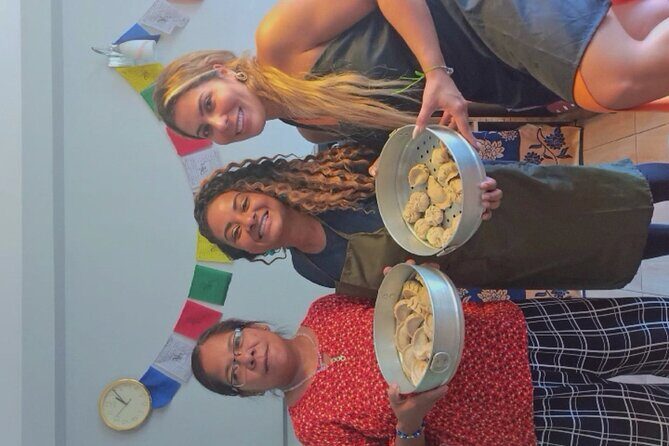
Day one is built like a Nepalese snack-to-meal story.
First comes the masala chai. You’re not just sipping something warm; you’re making it as the class starts. This sets the tone fast. Chai is also a cultural shortcut: it helps you feel grounded in Kathmandu while you learn the core “how things are done” rhythm—measure, taste, adjust, keep going.
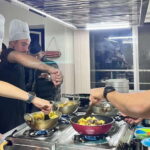
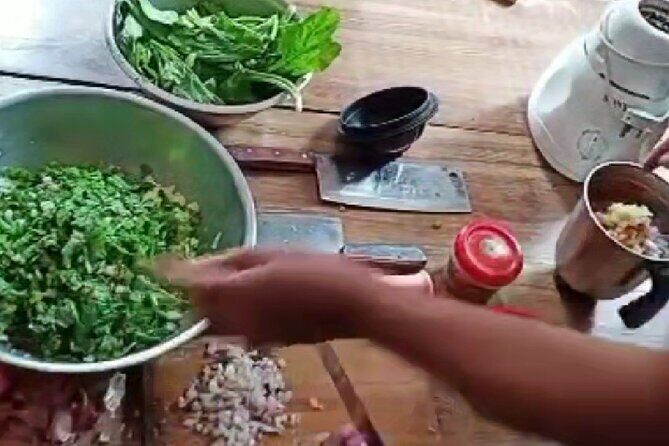
Then you move into Nepali snacks, including pakoda. Expect a practical cooking pace. You’ll likely learn how Nepalese-style snack batter behaves and how to manage the frying/cooking step without panicking.
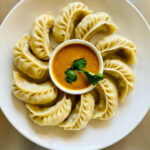
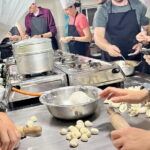
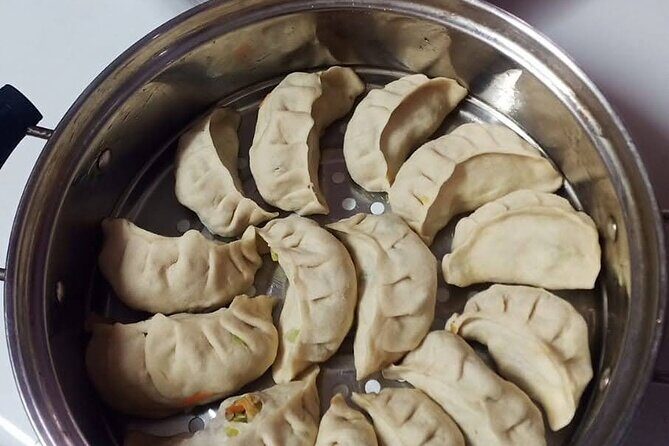
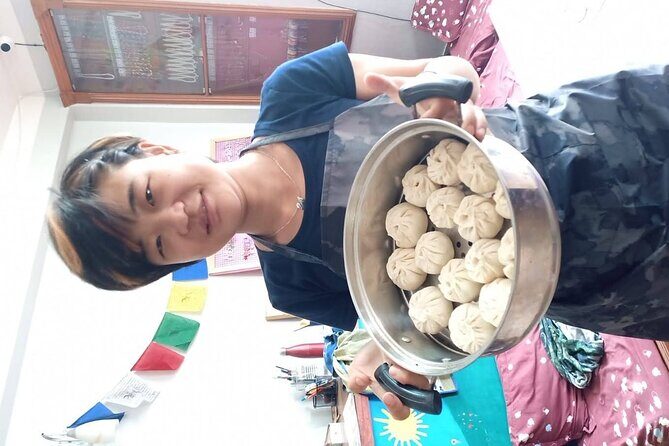
Next is the main event: momos. You’ll cook buff momo and veg momo, and you may also run into other fillings like potato-based and veggie varieties depending on what the class flow includes that day. The teaching centers on shaping—getting dumplings that hold together, cooking them properly, and ending up with something you’d actually want to eat again later.
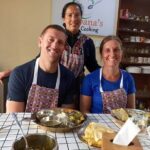
A standout detail from participants is the way instruction is delivered by instructors like Aastha and the Momo Queen Syanbi, with very clear coaching. That’s exactly what you want in a dumpling class. Momos look simple until you’re holding dough and folding by hand, so good guidance makes the difference between a fun result and a frustrating one.
A realistic drawback for day one
This is hands-on cooking, not a sit-and-smile demo. You should be okay with getting a little flour or dough on your hands and staying focused for a few hours. Also, the pace can feel quick if you’re not comfortable cooking in general.
The dumpling lunch: why eating your own momos changes everything
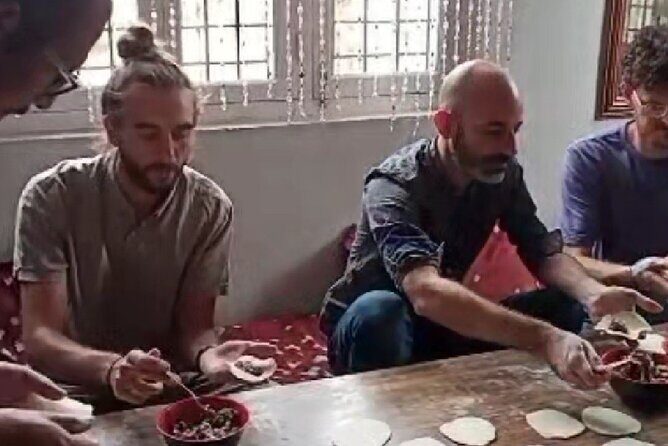
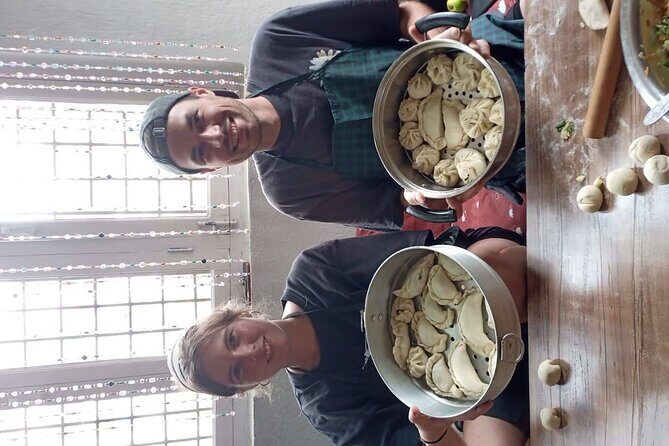
After you cook, you get to eat your momos as part of lunch. This is where the whole experience clicks into place.
It’s not just about taste, though that’s obviously the point. Eating what you made does two helpful things:
- You learn faster. When you bite into your own dumplings, you immediately understand what worked and what you’ll tweak next time.
- You feel included. It turns the workshop into a shared meal instead of a one-way lesson.
Many people also note that the lunch atmosphere is relaxed and communal, and in at least some cases, the meal extends beyond the classroom into a broader family-and-project setting. Even when that part isn’t happening in the way you expect, you should still plan for lunch to be a genuine eating moment, not a quick snack stop.
If you’re the kind of traveler who gets tired of yet another plate of noodles after sightseeing, this kind of meal break can feel like a reset.
Day 2 jewelry workshop: make something you can actually wear
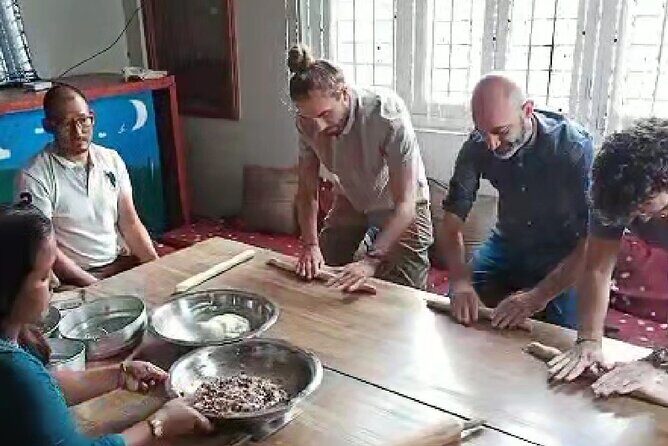
Day two trades the kitchen for a craft table.
You’ll create your own jewelry in an immersive workshop led by people who guide you step by step. The wording in the experience details suggests it’s beginner-friendly, meaning you don’t need prior skills to have something real at the end of the session.
Even without a full breakdown of every technique, the value here is clear: you’re doing a hands-on making task that’s different from cooking. And in a place like Kathmandu, where you might otherwise only look at jewelry in shops, this gives you a practical appreciation for how pieces come together.
You can also read our reviews of more tours and experiences in Kathmandu
What to expect from the vibe
From the overall tone described for the program, the workshop is meant to be fun and creative. People also describe it as social in a good way—easy conversation while you work. If you’re worried you’ll feel out of place with other participants, the program’s energy seems designed to prevent that.
One more small consideration: since the jewelry details aren’t fully listed in what you provided, you should treat it as a guided craft session rather than something you can fully pre-plan in your head. Wear comfortable clothes and plan to leave with something you made, not just a keepsake photo.
Meeting point in Paknajol: small details that save time
You’ll start at We handicraft Paknajol, Kathmandu 44600, Nepal and the activity ends back there.
Two planning tips that matter:
- It’s near public transportation, so you’re not stuck figuring out a private driver just to get there.
- This is a private tour/activity. Only your group participates, so the experience tends to feel less chaotic and more personal than a big public class.
The opening hours listed are Monday to Wednesday, 10:00 AM to 6:00 PM (for the overall date range shown). In Kathmandu, where traffic and timing can get unpredictable, having a clear window helps you build a calm day. Also, you’ll receive confirmation at booking time, which is useful if you’re juggling multiple activities.
If you’re doing this alongside sightseeing, I’d keep the rest of your day flexible. You’ll be using your hands, eating lunch, and then creating craft items—so save yourself from a packed, rushed schedule right after.
Price and value: $50 for two hands-on days that feed you and teach you
At $50 per person for a two-day experience, the value comes from what you actually get to do.
You’re paying for:
- A day of cooking that includes masala chai, pakoda, and momos with lunch built in.
- A day of making your own jewelry in a guided workshop.
- An admission ticket included in the experience.
In practical terms, you’re not buying a ticket to watch. You’re buying participation in two different Nepalese skill experiences. That’s why it can feel worth it even if $50 sounds like a lot for one activity in many countries.
Is it expensive compared to a free walking tour? Sure. But it’s also not just a tour. It’s food education plus craft time, with your meal included. And the empowerment angle gives the money a direct purpose beyond your personal souvenir.
Who pays attention to value and who won’t
- If you like classes, this is a strong fit because you’ll leave with skills and items.
- If you only want passive sightseeing, you might find it too hands-on and time-specific.
Who should book this in Kathmandu (and who might not)
This works best if you want a break from the “look, read, repeat” rhythm.
I’d point you here if you:
- want a real Nepalese food experience focused on momos and chai
- like learning by doing (hands-on cooking, shaping, and craft work)
- appreciate experiences tied to meaningful local support
- enjoy small, friendly group energy, especially if you’re not sure how you’ll feel socially
You might choose something else if:
- you hate structured activities with set start times
- you’re looking for a purely sightseeing day with zero kitchen or craft mess
- you’re only interested in food and not in the jewelry workshop portion
Should you book this Kathmandu workshop?
Yes, if you want a hands-on day that mixes comfort food with purpose, and then follow it up with a creative jewelry-making session. The strongest reasons to book are the mix of clear, step-by-step teaching around momos and the fact that the day ends with eating what you cooked—no letdown.
If you’re in Kathmandu mid-week (Monday to Wednesday) and you want something that feels local, practical, and human, this is a solid pick.
If you’re short on time, the two days can be a commitment. But if you can fit it, it’s the kind of activity you’ll remember later when you’re trying to recreate chai or momos at home and realizing you actually learned how.
FAQ
Where is the meeting point for the Women Empowerment Project workshop?
You’ll meet at We handicraft Paknajol, Kathmandu 44600, Nepal, and the activity ends back at the same meeting point.
How long is the experience?
The experience is listed as 2 days approximately. Each day’s activity is described as 3 hours.
What will I cook on day 1?
Day 1 includes making traditional masala chai, cooking Nepali snacks like pakoda, and making dumplings (momos), including buff momo and veg momo. Lunch is included.
What do I do on day 2?
On day 2, you craft your own jewelry in a workshop, guided for both beginners and people looking to refine their skills.
Is lunch included?
Yes. Day 1 ends with lunch that includes the momos you made.
Is it a private activity, and is it suitable for most people?
Yes. It’s private, meaning only your group participates. It also says that most travelers can participate, and it’s near public transportation.
Can I cancel and get a refund?
Free cancellation is available up to 24 hours in advance of the experience start time for a full refund. If you cancel less than 24 hours before, the amount paid is not refunded.