REVIEW · KATHMANDU
8 Days Private Guided Trekking in Annapurna Circuit with Pickup
Book on Viator →Operated by Bold Himalaya Treks and Travels Pvt Ltd · Bookable on Viator
A high pass and real village rhythm. That mix is what makes this Annapurna Circuit trek feel worth planning: you get the big scenery moments and the everyday mountain life in places like Dhikur Pokhari, Upper Pisang, and Manang. Two things I really like: the logistics are handled for you with permits and meals included, and the guides adjust pacing to you (I’ve seen this highlighted by multiple guide names like Sobit, Sirjan, Garap, and Ramesh). One drawback to consider: this is still a serious hike because you’re working your way to Thorong La Pass at 5416m, so you’ll need moderate fitness and a sensible attitude toward altitude.
If you want an Annapurna Circuit that feels structured but not rushed, this 8-day format is a good fit. You’ll do the jeep-to-trail transitions, take a proper acclimatization stop in Manang, and then finish with a scenic drive from Jomsom to Pokhara.
In This Review
- Key points worth knowing before you go
- Why this 8-day Annapurna Circuit trek feels focused (not chaotic)
- Pickup and the jeep links: the trek starts before your first step
- Day 1: Besisahar to Chame the easy way (plus a reality check)
- Day 2: Dhikur Pokhari forests, Lower Pisang, and the climb into Upper Pisang
- Day 3: Ngawal views to Manang, with time to actually settle
- Day 4: Manang acclimatization and the optional Gangapurna Lake hike
- Day 5: Yak Kharka by way of Letdar, into alpine terrain
- Day 6: The climb to Thorong High Camp (4450m) for the real pass day
- Day 7: Over Thorong La (5416m) to Muktinath, then down to Jomsom
- Day 8: Jomsom to Pokhara by jeep, with the vacation feeling returning
- What’s included: the stuff that saves your time and nerves
- Guides and pacing: why the human part matters on Thorong La
- Price and value: what $260 covers (and what you still plan yourself)
- Who this trek suits best (and who might want a different plan)
- Should you book this Annapurna Circuit trek with pickup?
- FAQ
- How long is the Annapurna Circuit trek?
- Is this tour private or shared?
- What’s included for permits and official documents?
- Are meals included?
- Do I need to bring trekking poles and a sleeping bag?
- What is included in transportation?
- What is not included in the price?
Key points worth knowing before you go
- Private group experience: you’ll trek with only your group, even though some transfers are shared.
- Altitude built into the schedule: a Manang rest day helps you acclimatize before the Thorong La push.
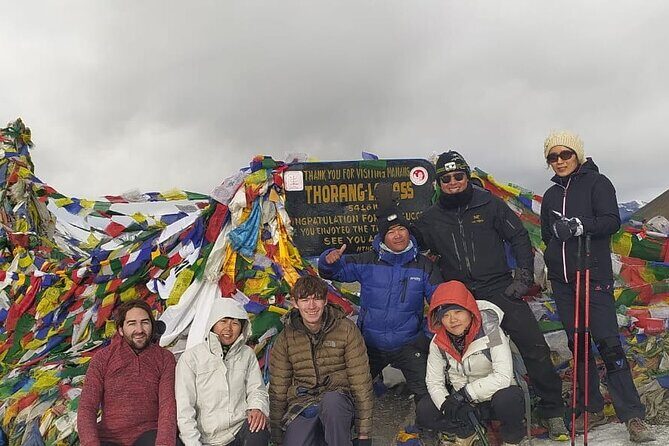
- Thorong La Day is the centerpiece: early start from Thorong Phedi, pass at 5416m, then down to Muktinath.
- Permits and TIMS are included: Annapurna Conservation Area permit and TIMS card are covered.
- Food and basics are handled: breakfast, lunch, dinner across the trek days, plus first aid medicine.
- Guide support matters in real time: multiple reviews mention help during altitude sickness and strong pacing.
Why this 8-day Annapurna Circuit trek feels focused (not chaotic)
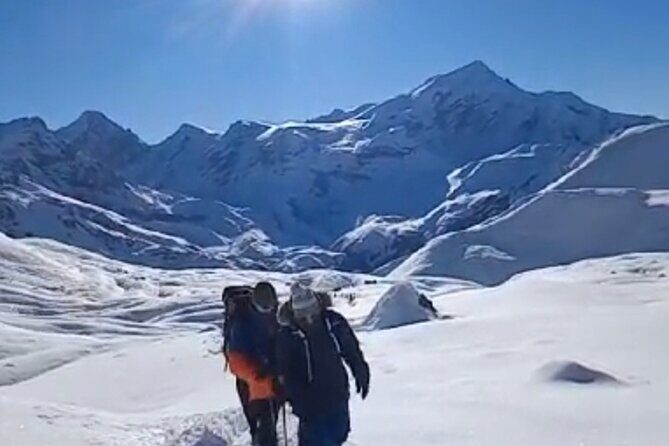
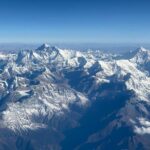
The Annapurna Circuit has a reputation for being long, rugged, and easy to over-plan. This version keeps the focus on the core experience: high mountain passes, classic villages, and a finish that gets you back to the comfort of Pokhara. It’s still demanding, but the structure is sensible—especially the way it positions you for altitude instead of treating it like an afterthought.
You also get a private setup without paying for total custom everything. It’s private for your group, yet some transport links are shared. That usually means less stress and lower cost than fully chartering everything, while keeping the trek itself personal.
You can also read our reviews of more guided tours in Kathmandu
Pickup and the jeep links: the trek starts before your first step
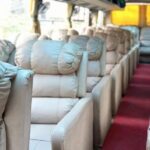
You’re based in Kathmandu, and this trip includes pickup plus shared transportation to the trailhead area. Day 1 begins with a drive to Besisahar, then a jeep continuation toward Chame. That matters more than it sounds. On many circuits, people waste energy just getting positioned. Here, you get the travel legs handled, so you can save your legs for the actual climb days.
By Day 8, you’re also not stuck in a long hiking-only exit. You’ll take a jeep from Jomsom to Pokhara. That kind of finish is practical when you want the mountains without turning the last day into a second Everest expedition.
Day 1: Besisahar to Chame the easy way (plus a reality check)
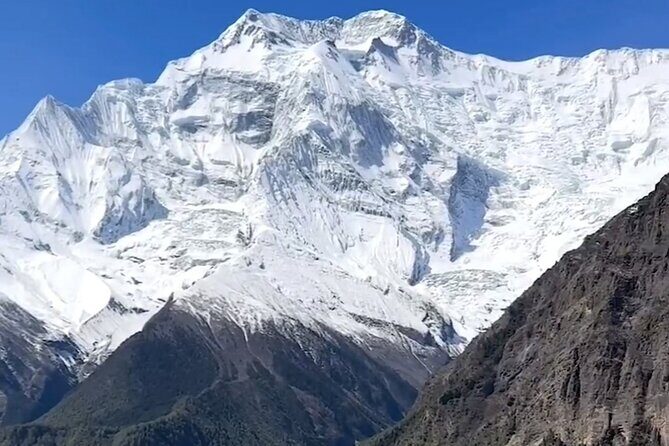
Day 1 is mostly transit: drive to Besisahar, then jeep on to the Chame area. You’ll use the time to get organized, meet your guide, and settle your gear before the trekking starts in earnest.
The reality check here is simple: even though it’s not a long day on foot, you’re moving into altitude terrain fast. Keep your pack light, drink water steadily, and avoid the urge to treat Day 1 like a warm-up party. Mountain trekking doesn’t care about your schedule.
What you get value-wise is momentum. You’re not spending your first day chasing paperwork or arguing with transport. The trip includes the official pieces you need—permits and TIMS—so you can focus on being on the trail.
Day 2: Dhikur Pokhari forests, Lower Pisang, and the climb into Upper Pisang
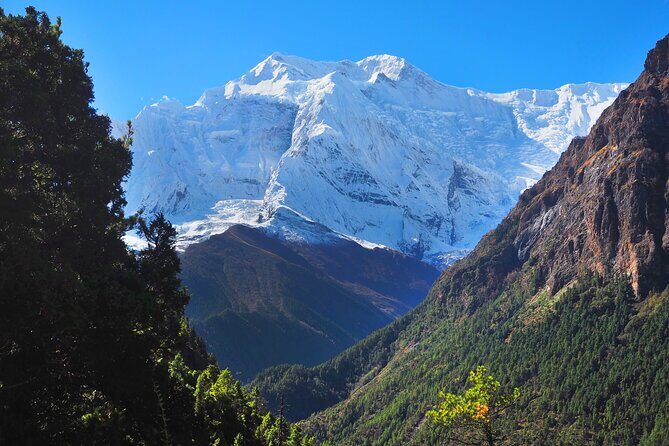
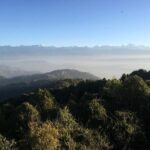
This is a strong intro day because you leave early hiking behind and step into a mix of forest walking and mountain views. You trek through dense forest, pass Dhikupokhaari village, and then reach Lower Pisang before ascending to Upper Pisang for the night.
Why this day works: it gives you variety without asking for the biggest altitude effort yet. Forest sections mean shade and a steadier pace. Then, as you climb toward Upper Pisang, you start feeling the slope and the thinning air in a more obvious way.
A practical tip for your gear: Upper Pisang is at higher elevation than Lower Pisang, so your warmth layer matters. Even if the daytime sun feels friendly, evenings can cool quickly.
Day 3: Ngawal views to Manang, with time to actually settle
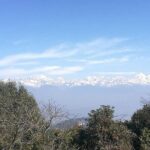
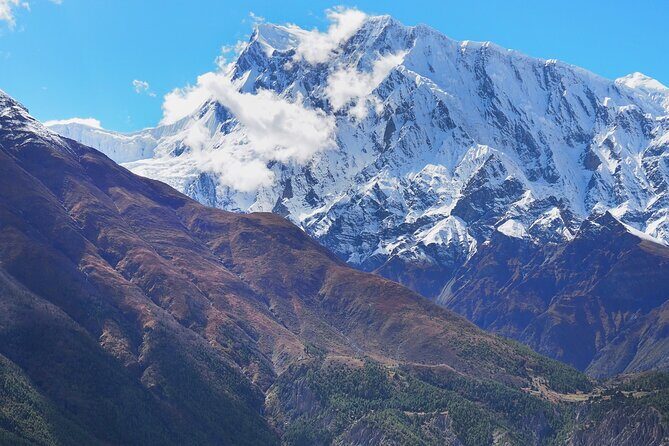
Day 3 takes you toward Ngawal, where you get breathtaking views of the Annapurna range, then continues on to Manang. You end the day by unpacking and taking real rest.
This is one of the better design choices for a first-time or first-try trek. Manang isn’t just a halfway point. It’s where the route starts to feel serious, and where you want your body to switch from hiking mode to altitude survival mode.
If you’re the type who gets tempted to keep going when you arrive, resist it. Manang is your checkpoint. Let yourself normalize the altitude instead of trying to out-hike it.
You can also read our reviews of more private tours in Kathmandu
Day 4: Manang acclimatization and the optional Gangapurna Lake hike
Day 4 is your acclimatization day in Manang, and that’s one of the big reasons people succeed on the Circuit. The schedule gives you a rest day to help you adjust to altitude.
You also have an optional hike: Gangapurna Lake. The day runs about 5 hours, and it’s a hike option for when you want to move without turning it into a full workout.
Here’s the value of this day: the Thorong La Pass is coming, and the body needs time to adjust. Without an acclimatization break, the pass day becomes riskier. With it, you’re still working hard, but you’re working with a plan.
Day 5: Yak Kharka by way of Letdar, into alpine terrain
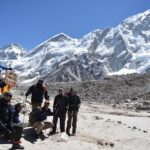
Day 5 moves you from Manang onward to Yak Kharka, with Letdar along the way. The trek is described as ascending through alpine landscapes, and that’s exactly how it usually feels at this stage: fewer trees, more open air, and a stronger sense of exposure.
This is also a day where pacing becomes your friend. If you hike too fast, the altitude pays you back quickly. You want steady effort, consistent breathing, and breaks that feel boring—in a good way.
One detail I appreciate in the trip setup: first aid medicine is included, and your guide is part of the plan. In real high-altitude trekking, small issues can turn into big ones fast. Having proper support makes it easier to stay calm and keep moving smart.
Day 6: The climb to Thorong High Camp (4450m) for the real pass day
Day 6 is built for the main event. You trek from Yak Kharka to Thorong High Camp (4450m), and it’s the crucial base for Thorong La Pass the next morning.
This day is shorter on paper (about 4 hours), but it’s important in the way it shapes your night. You’ll likely feel the grind more than the clock, and that’s normal. Your goal is to reach camp, get warm, eat, hydrate, and plan your early start mentally.
If you’re someone who struggles with morning energy, treat tonight like your performance prep. Sleep matters. Layering matters. Water matters.
Multiple guide experiences highlighted by guests point to a common theme: good guides adjust pacing and help with altitude symptoms. I’d trust that to be part of how your Day 6 flows, because it’s the day that sets you up to actually attempt the pass.
Day 7: Over Thorong La (5416m) to Muktinath, then down to Jomsom
Day 7 is the big one. You start early from Thorong Phedi and climb to Thorong La Pass (5416m). After crossing, you descend and reach Muktinath (3800m), then you drive to Jomsom.
This day is long in effort even when the timetable seems manageable. Early pass climbs are a different type of hard—cold, thin air, and the mental math of distance vs. energy. If your breathing feels off, don’t panic. That’s where guide support is crucial.
You’ll also appreciate that the itinerary transitions from hiking to driving. You don’t have to keep hiking at the end of the most altitude-stress day. That helps you recover rather than turning a win into a slog.
Muktinath isn’t just a number on a map. It’s a cultural stop on the route, and this itinerary also mentions a Lord Vishnu Temple as part of the spiritual highlights. For many people, that blend—physical effort plus meaningful stops—is the heart of the Annapurna Circuit experience.
Day 8: Jomsom to Pokhara by jeep, with the vacation feeling returning
Your last day is a scenic jeep ride from Jomsom to Pokhara (around 6 hours). You’re moving through varied terrain, and by the time you arrive in Pokhara, the trip shifts from trekking survival to normal life again.
Pokhara is an easy place to exhale. You’ll have a better chance to eat something you actually want, stretch out, and reflect without constantly watching your footing.
What’s included: the stuff that saves your time and nerves
This trek includes a lot of the “boring but essential” items that usually drain energy.
You get:
- Guide with insurance, plus guide salary and accommodation/food.
- Permits included: Annapurna Conservation Area permit and TIMS card.
- Sleeping bag and trekking poles included if you need them.
- Meals included: breakfast (7), lunch (7), dinner (7).
- Transportation included for the key links: from Kathmandu area into the circuit trail start (via jeep segments) and Jomsom to Pokhara.
- Some seasonal fruit, plus first aid medicine.
- Trip certificate, service charge, official taxes/expenses.
What’s not included is also clear:
- Travel insurance
- Tips for your guide
- Bar bills
- Extra meals
For me, the practical win is this: you’re not paying to chase permits at the last minute, and you’re not micromanaging meals across remote days. That’s not just convenience. It’s how you protect your hiking energy.
Guides and pacing: why the human part matters on Thorong La
On a route like the Annapurna Circuit, the guide is more than a friendly face. They’re timing your effort, watching how you handle altitude, and making sure you eat and rest properly.
In the trip feedback, guide names come up again and again: Sobit and Sirjan for planning and keeping things light; Garap for adjusting equipment and pacing; Bijay for a smooth first experience; and Ramesh and Sirgan for strong support when altitude sickness showed up.
That last point is key. Altitude sickness can happen even when you’re doing everything right. What matters is response time and calm decision-making. This itinerary includes an acclimatization day and builds in a high pass structure that helps your body stage the climb. Add a supportive guide, and you give yourself a better chance to make it over Thorong La safely.
Price and value: what $260 covers (and what you still plan yourself)
At $260 per person, you’re getting a private trek structure with a full guide setup and a bundle of essential expenses handled. The value is strongest when you compare what’s included:
- Permits (Annapurna Conservation Area permit + TIMS)
- TIMS card
- Guide insurance and support logistics
- Meals across the trek days (breakfast/lunch/dinner)
- Basic trekking gear support (sleeping bag and trekking poles if needed)
- Transportation link days (including Jomsom to Pokhara)
- First aid medicine
The biggest personal cost you’ll still carry is your trip insurance and tipping. That’s normal. You’ll also handle any extra food beyond what’s included.
One more value point: this trek gets booked about 38 days in advance on average. That suggests people aren’t treating it as a last-minute gamble. If you want the best shot at timing and smooth coordination, book with enough lead time for gear and schedule alignment.
Who this trek suits best (and who might want a different plan)
You’ll be happiest on this trek if you:
- Have moderate physical fitness
- Can hike consistently for several hours a day
- Are okay with early mornings and cold thin air
- Want an experienced guide and a guided itinerary that keeps you on track
You might reconsider if you:
- Have health concerns related to altitude and haven’t spoken with a doctor
- Expect a casual stroll the whole way
- Get overwhelmed by high-elevation fatigue and cold mornings
Also, weather matters. This experience requires good weather, and if conditions are poor, you’ll be offered a different date or a full refund.
Should you book this Annapurna Circuit trek with pickup?
If you want a classic Annapurna Circuit that stays organized and gives you altitude support by design, I think it’s a solid choice. The biggest reasons to book are the included permits and meals, the acclimatization stop in Manang, and the way the schedule handles the Thorong La Pass as the centerpiece rather than an afterthought.
If you’re confident in your ability to hike at altitude and you’re willing to respect the early pass morning, this is a high-value way to do the route in 8 days with fewer moving parts for you to manage.
FAQ
How long is the Annapurna Circuit trek?
It runs for about 8 days.
Is this tour private or shared?
It’s private for your group only, but some transportation segments are shared.
What’s included for permits and official documents?
The trek includes the Annapurna Conservation Area permit and the TIMS card.
Are meals included?
Yes. Breakfast, lunch, and dinner are included for 7 days.
Do I need to bring trekking poles and a sleeping bag?
If you need them, a sleeping bag and trekking poles are included.
What is included in transportation?
Shared transportation is included from your location toward the trekking start area, and there is also sharing transportation from Jomsom to Pokhara.
What is not included in the price?
Travel insurance, tips for your guide, bar bills, and extra meals are not included.