REVIEW · KATHMANDU
Kathmandu: UNESCO Heritage Site Private & Guided Tour
Book on GetYourGuide →Operated by Nepal Adventure Guide · Bookable on GetYourGuide
Kathmandu is temple-studded, and this tour strings the highlights together in a smart, guided loop. It’s a private, guided UNESCO heritage route built around seven major landmarks, from hilltop stupas to palace squares. I especially like how the day balances big-picture context with up-close details at places like Swayambhunath and Boudhanath, so you know what you’re looking at instead of just snapping photos.
The standout for me is the range: Hindu pilgrimage at Pashupatinath along the Bagmati River, then Buddhist calm at Boudhanath, then the Newari craftsmanship you’ll see in Patan and Bhaktapur. One consideration: it’s listed as not suitable for wheelchair users, so plan on walking and stairs across uneven temple and square areas.
In This Review
- Key Points Worth Knowing Before You Go
- The Big Picture: Seven UNESCO Stops Without Guesswork
- How the Day Moves: Pickup, Comfort, and a Realistic Pace
- Stop 1: Swayambhunath Stupa (Monkey Temple) and the Valley Views
- Stop 2: Pashupatinath Temple by the Bagmati River
- Boudhanath to Patan: Stupa Peace and Newari Palace Craft
- Bhaktapur and Kathmandu Durbar Squares: Royal Power on Stone
- Changunarayan Temple: An Older Finish with a Calmer Tone
- Price and Value: What $59 Includes (and What it Doesn’t)
- Who Should Book This UNESCO Heritage Route?
- Should You Book This Tour?
- FAQ
- Which UNESCO World Heritage sites are included?
- Is the entrance fee included in the price?
- What’s included with the tour besides the guide?
- What language will the guides speak?
- Does the tour include meals?
- Is this tour wheelchair accessible?
- Can I cancel for a refund?
- Is alcohol allowed during the tour?
Key Points Worth Knowing Before You Go
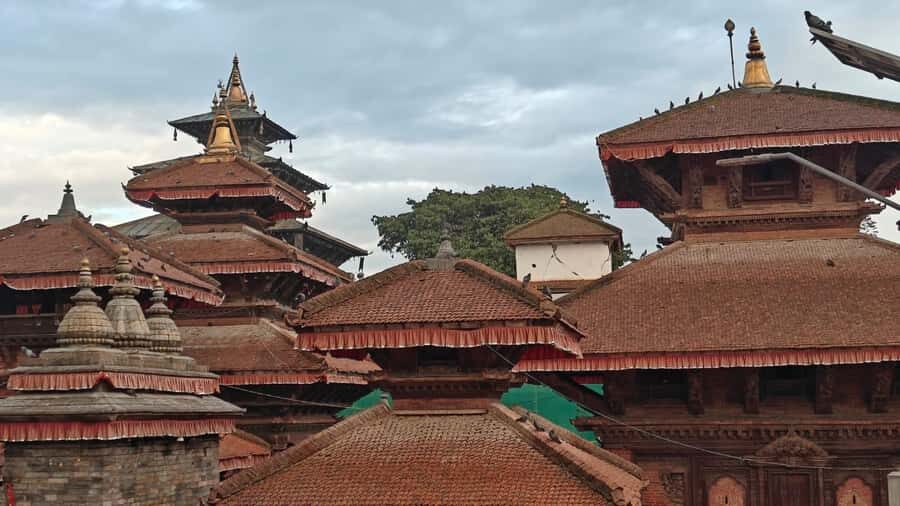
- Seven UNESCO landmarks in one day means less guesswork and fewer “where do we go next?” moments
- English-speaking guides can explain symbols, rituals, and architecture clearly, with named guides like Pranav, Sajan, and Nabin in past departures
- Hotel pickup and drop-off within Kathmandu Valley removes the hassle of arranging rides between distant sites
- Entrance fees are not included, so budget extra beyond the $59 price
- Multiple viewpoints and religious settings keep the pace varied, not just temple after temple
The Big Picture: Seven UNESCO Stops Without Guesswork
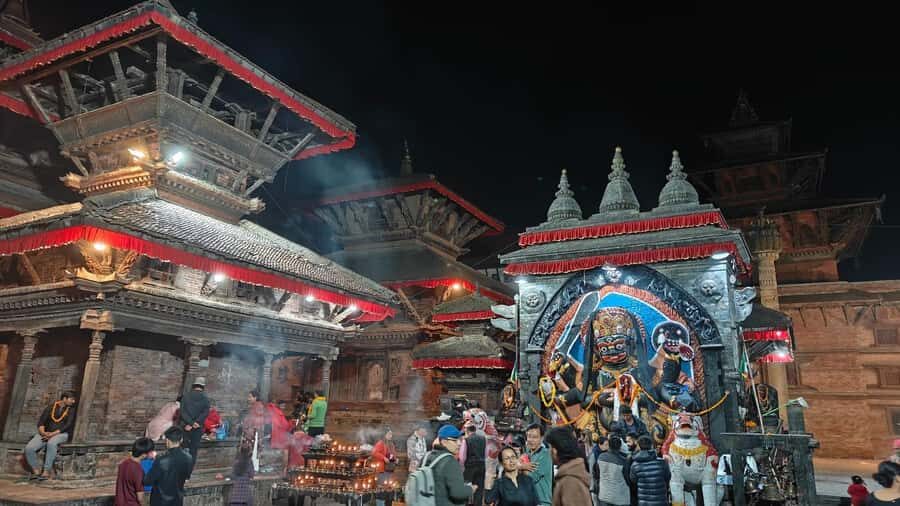
If you want a Kathmandu UNESCO highlights day that feels organized (not rushed, not chaotic), this itinerary makes sense. You cover seven UNESCO World Heritage sites across the valley, and they’re arranged so the day doesn’t feel like a random checklist.
What makes it work is the mix of spiritual sites and political/palace spaces. You start with Swayambhunath, the hilltop stupa where you get the classic valley panorama. Then you move to Pashupatinath, a major Hindu temple complex on the Bagmati River where the atmosphere shifts from scenic views to religious intensity. After that, Boudhanath brings the mood down a notch: massive stupa, prayer wheels, and a strong Tibetan cultural presence.
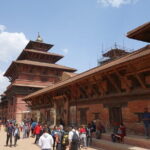
Then you pivot to Newari artistry and royal history at the Durbar Squares. Patan and Bhaktapur give you palace and temple layouts that show how local craftsmanship shaped city life. Kathmandu Durbar Square focuses on Nepal’s monarchy-era sites, including places associated with the living goddess tradition (you’ll visit Kumari Ghar). Finally, you close with Changunarayan Temple, which is often quieter and older-feeling than the main crowd magnets.
A tour like this is especially valuable if you’re the type who likes to understand meaning, not just locations. With an expert local guide, you’re not stuck translating everything on your own.
You can also read our reviews of more guided tours in Kathmandu
How the Day Moves: Pickup, Comfort, and a Realistic Pace
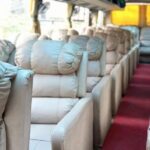
This is a guided, private format with comfortable transportation between sites. The big practical win is hotel pickup and drop-off within Kathmandu Valley, so you’re not juggling taxis, navigation apps, or timing across five or six different neighborhoods.
You should also plan for the reality of temple-and-square touring: some areas involve steps, uneven ground, and lots of short walking segments. The tour is marked as not suitable for wheelchair users, so it’s a clue that you’ll need good mobility through busy, historic spaces.
On the comfort side, the vehicle rules are straightforward: no drinks in the vehicle and no alcohol and drugs. That might sound like “tiny detail,” but it usually means a cleaner ride and fewer distractions while moving between sites.
What about meals? Meals aren’t specified, so expect to handle your own breaks. The itinerary includes a lot of religious sites and architectural stops, and those places rarely have a single perfect lunch option nearby. I’d come prepared with water and a simple snack plan that you can manage outside the vehicle.
Stop 1: Swayambhunath Stupa (Monkey Temple) and the Valley Views
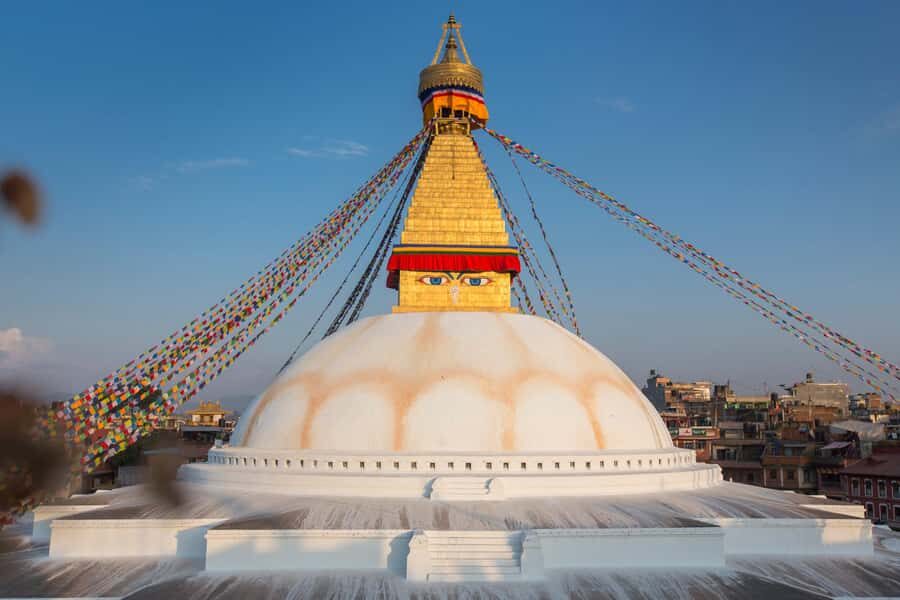
Swayambhunath is the kind of place that instantly changes how you understand Kathmandu. It’s a hilltop stupa complex that rewards effort with wide views over the valley—and it’s also a powerful starting point because the skyline and layout help you make sense of the rest of the day.
Expect a climb and the usual temple-complex energy: people praying, walking corridors, and a constant flow of visitors. The real value of a guided visit here is interpretation. A good guide will help you read the site’s symbols and the way people move through the space.
Also, don’t underestimate orientation. Once you’ve looked out from Swayambhunath, other landmarks start to feel connected. You’ll see the city’s shape, the density, and how far apart some historic zones really are.
One small drawback of starting here: if you’re sensitive to crowds or sun, this is not the calmest first stop. Go slow, take breaks when you can, and let your guide pace the group so you’re not rushing through a place that’s meant to be looked at from multiple angles.
Stop 2: Pashupatinath Temple by the Bagmati River
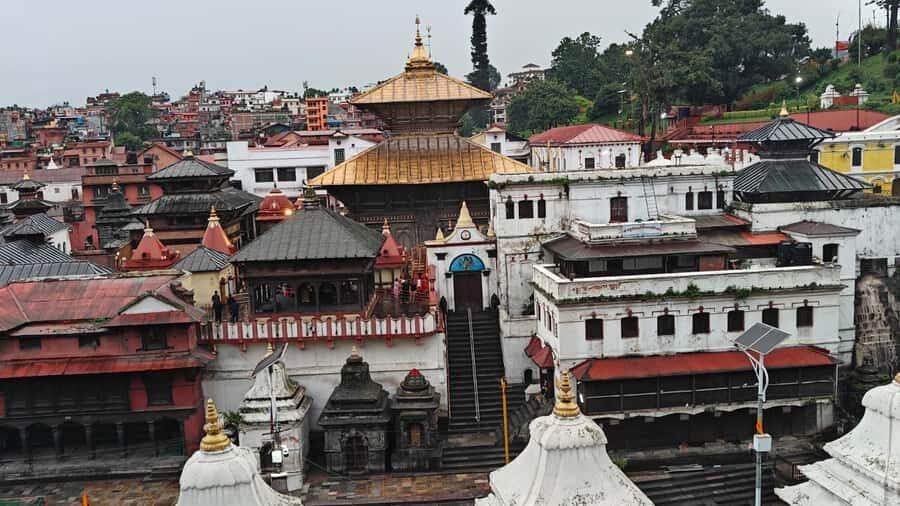
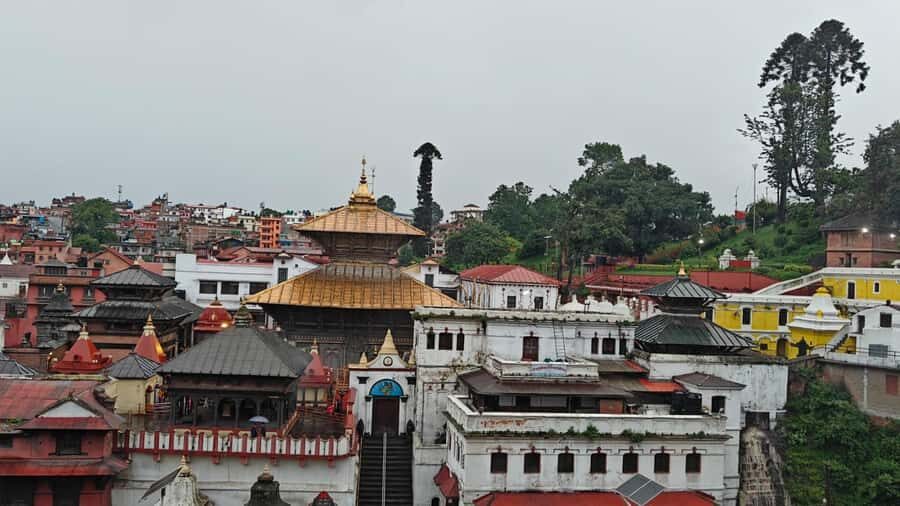
Then comes Pashupatinath Temple, one of Nepal’s most sacred Hindu sites, located by the holy Bagmati River. This is where the tour shifts from “photo views” to “religion in action.”
You’ll want to treat this as a working pilgrimage site, not a sightseeing backdrop. The best experience usually comes from slowing down and watching how devotees and rituals shape the mood. A strong guide makes a difference here, because Pashupatinath has layers of meaning—temple architecture, river rituals, and the way the complex is used over the day.
A practical note: because it’s a sacred site with active visitors, you’ll likely face crowd flow and limited photo angles. The upside is that this isn’t a staged attraction. You’re seeing a tradition that continues as part of everyday spiritual life.
If you’re going in expecting a peaceful walk-through, temper that. This place can feel intense. But it’s exactly that intensity—plus guided context—that makes it one of the most memorable stops of the itinerary.
Boudhanath to Patan: Stupa Peace and Newari Palace Craft
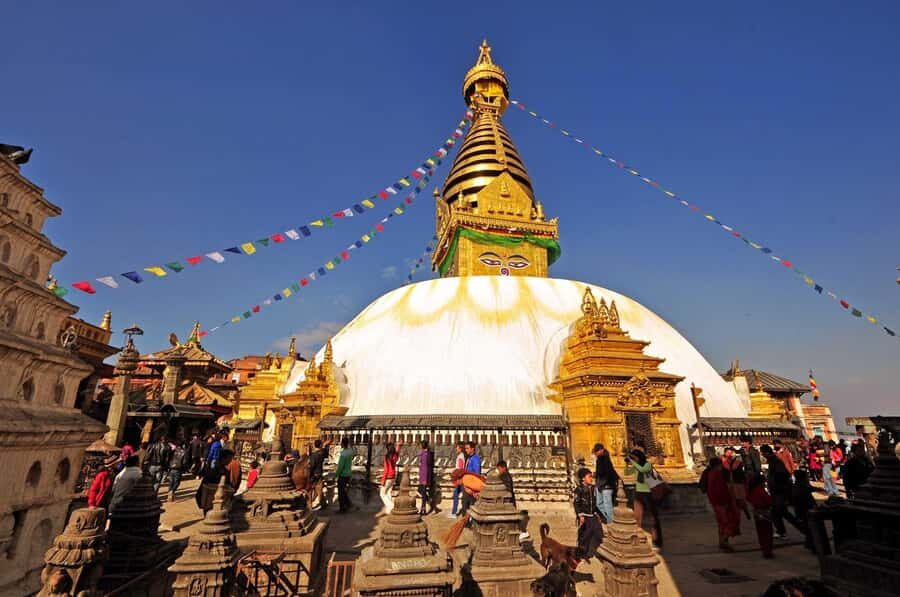
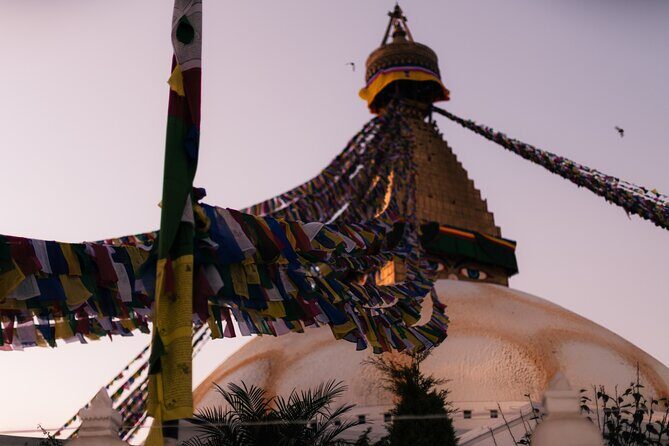
Next up is Boudhanath Stupa, one of the largest in the world. The atmosphere is noticeably different from Pashupatinath. Here, you’ll feel more space to breathe. Prayer-wheel rhythms and calm temple courtyards create a slower pace, and the Tibetan cultural center vibe adds depth beyond the basic idea of Buddhism.
If you like architecture, Boudhanath is rewarding because it’s monumental but also full of smaller devotional details. Again, your guide helps you connect those details to meaning—why people circle, what symbols represent, and how the community uses the space.
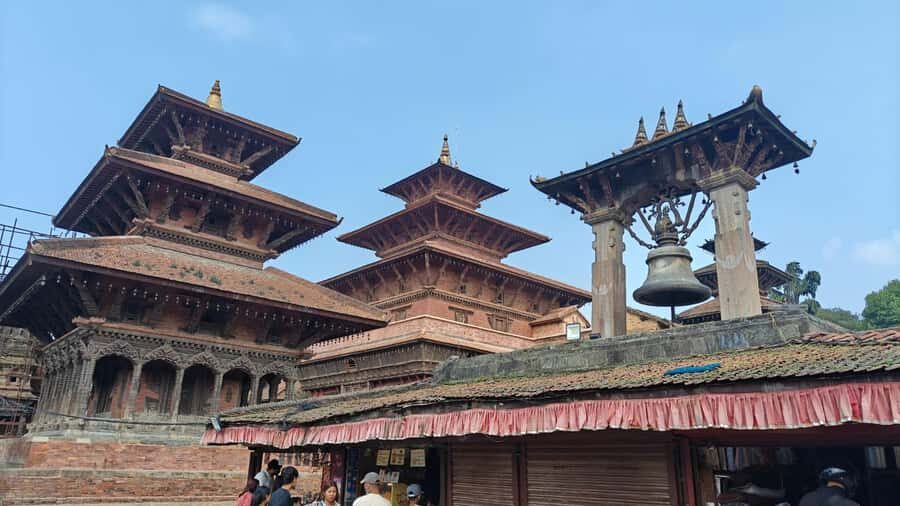
From there, you move to Patan Durbar Square, where the focus shifts to Newari artistry. Durbar Squares are where you see how power and craft overlapped. At Patan, you’ll find palace-like structures and intricately carved temples that show what Newari craftsmanship looks like at street level.
What I like about including Patan here is that it creates a “visual language” bridge. After religious ritual at river and stupa sites, you can switch to art and architecture without feeling like you’re just moving between unrelated stops.
A possible drawback: both Boudhanath and Patan are popular. If your plan is to treat this as a low-crowd day, you might not get that. The fix is simple: lean on the guide to find perspective points and keep you moving at a thoughtful pace.
You can also read our reviews of more private tours in Kathmandu
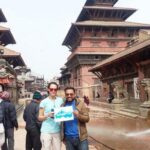

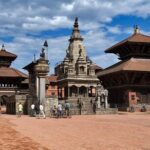

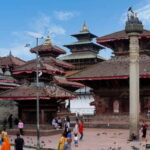
Bhaktapur and Kathmandu Durbar Squares: Royal Power on Stone
The itinerary then hits two big historic squares: Bhaktapur Durbar Square and Kathmandu Durbar Square.
At Bhaktapur, the experience leans toward a preserved medieval feel. Royal heritage sites sit within a layout that rewards walking. This is where Durbar Square touring becomes more than a quick look. You start noticing courtyards, temple groupings, and how the city’s historic center was designed for ceremonial life.
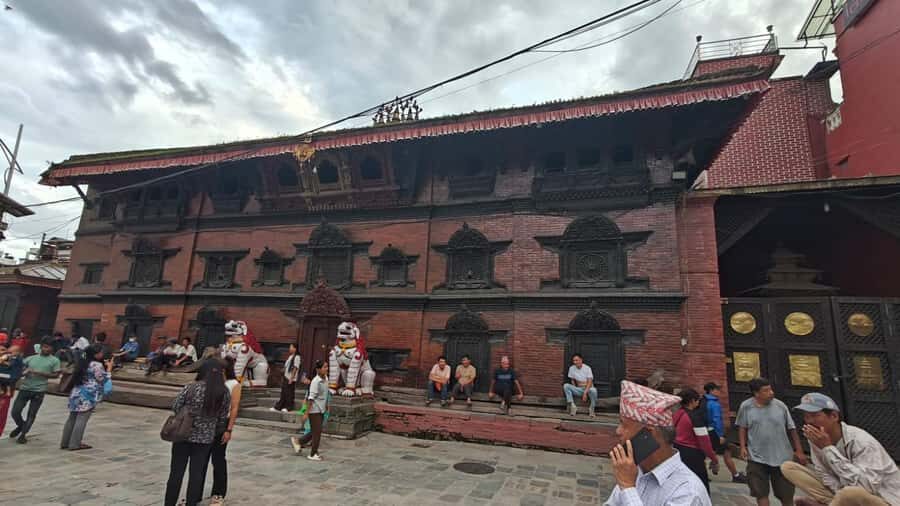
Then you go to Kathmandu Durbar Square, where the story turns toward Nepal’s monarchy era. You’ll see highlights such as Hanuman Dhoka Palace and Kumari Ghar, which is associated with the living goddess tradition. Even if you don’t know the background, your guide can connect the iconography to the broader cultural system of the time.
This part of the day is often the most “hands-on history” section. You’re walking through physical evidence of how Kathmandu’s power structure once worked. It helps that the tour stays guided—without that, Durbar Square can feel like a lot of stone and signage with no storyline.
One consideration: these squares can be busy and uneven. If you want photos, bring patience. If you want meaning, let your guide lead the flow.
Changunarayan Temple: An Older Finish with a Calmer Tone
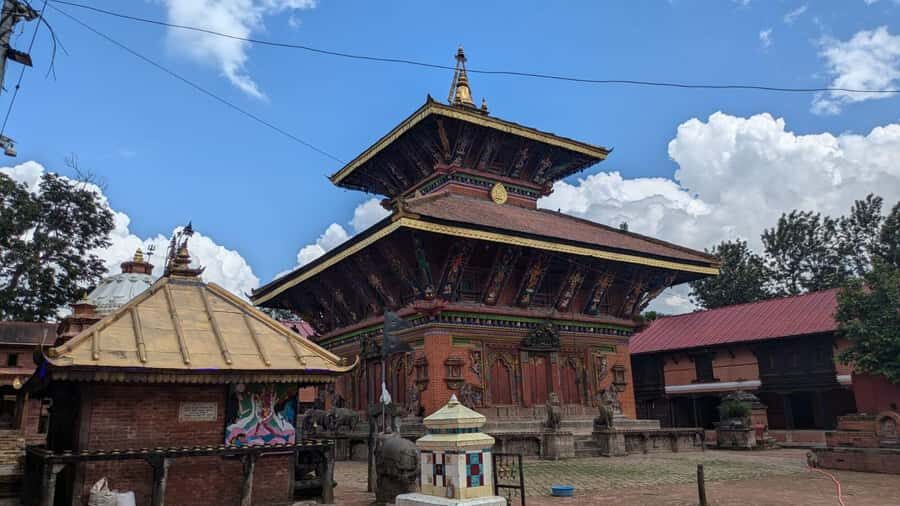
Finally, you end at Changunarayan Temple, described as a serene stop and one of the oldest Hindu temples in the valley. This final chapter is a good choice because it doesn’t feel like you’re repeating the same big square pattern.
Changunarayan tends to feel more grounded and less touristy than the largest hub sites. It’s still a temple setting, but the slower feel makes it a great place to wrap your day and mentally connect everything you’ve already seen: hilltop stupa, river rituals, stupa devotion, and Durbar Square power and craft.
If your legs are tired by this point, that’s normal. The trick is to stay present. The payoff comes from noticing age and continuity: why older temples are so influential in how people understand their place in the valley.
Price and Value: What $59 Includes (and What it Doesn’t)
The tour price is $59 per person, and the value depends on how much you want a guide to handle the “connective tissue.”
Included value:
- Expert English-speaking guide for each UNESCO heritage site
- Comfortable transportation between the sites
- Hotel pickup and drop-off within Kathmandu Valley
- Personalized insights into Nepal’s history, culture, and architecture
Not included:
- Entrance fees to all seven UNESCO sites
- Meals (not specified)
- Travel insurance
- International airfare and visa fees
- Personal expenses and extra activities
So here’s how I’d think about it. If you’re comfortable navigating and you can line up guides on your own, you could theoretically DIY some visits. But if you want the fastest path to understanding and fewer logistics headaches, $59 can be a fair deal—especially because entrance fees are the main variable that sits outside the advertised price.
Also, the private guided format matters. Past departures have featured guides like Pranav, Sajan, and especially Nabin, with a consistently positive emphasis on how clearly they explained history and significance. There’s also mention of drivers like Sundar being friendly and skillful—small comfort wins that add up on a long valley day.
One more practical note: the vehicle rules (no drinks/alcohol in the vehicle) suggest a controlled, clean ride. That’s a comfort detail you’ll appreciate once you’re moving between multiple temple zones.
Who Should Book This UNESCO Heritage Route?
This tour is a great fit if you:
- want a guided itinerary across major UNESCO sites without spending your vacation time planning routes
- care about meaning behind architecture and religious spaces
- like a mix of Hindu temples, Buddhist stupa culture, and Newari palace/temple craftsmanship
- appreciate having a local expert explain the story, not just point at walls
It may not be ideal if you:
- need wheelchair-friendly access (it’s listed as not suitable)
- want a fully flexible schedule with no structured stop order
- hate crowds at major Kathmandu landmarks (several stops are high-traffic)
Should You Book This Tour?
Yes, if you want an efficient UNESCO day that ties Kathmandu’s key sites into a coherent route. The pricing looks reasonable for what’s included: expert guidance at each stop plus transportation and hotel pickup/drop-off inside the valley. Most importantly, the visits aren’t treated like box-checking; the guides’ explanations are a consistent highlight, including names like Pranav, Sajan, and Nabin.
If you’re the type who prefers to wander without structure, this might feel too scheduled. But if you want to leave with a clearer picture of what makes Kathmandu UNESCO-worthy, booking is a smart move.
FAQ
Which UNESCO World Heritage sites are included?
The tour includes visits to Swayambhunath Stupa, Pashupatinath Temple, Boudhanath Stupa, Patan Durbar Square, Bhaktapur Durbar Square, Kathmandu Durbar Square, and Changunarayan Temple.
Is the entrance fee included in the price?
No. Entrance fees to all 7 UNESCO World Heritage Sites are not included.
What’s included with the tour besides the guide?
You get comfortable transportation between sites and hotel pick-up and drop-off within Kathmandu Valley, plus expert English-speaking guidance at each site.
What language will the guides speak?
The guide support is listed as English and Hindi.
Does the tour include meals?
Meals are not specified.
Is this tour wheelchair accessible?
No. It is not suitable for wheelchair users.
Can I cancel for a refund?
Yes. You can cancel up to 24 hours in advance for a full refund.
Is alcohol allowed during the tour?
Alcohol is not allowed in the vehicle, and the tour also states no alcohol and drugs.